1. ArchDaily
  2. Mumbai

Mumbai: The Latest Architecture and News

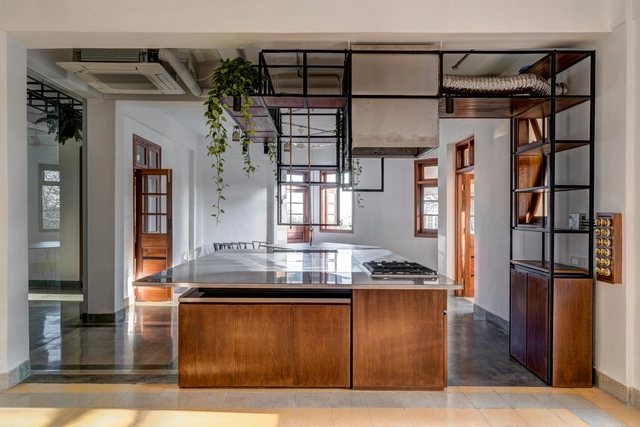
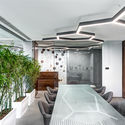
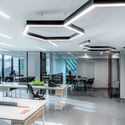
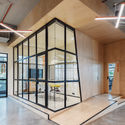
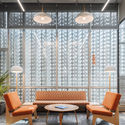
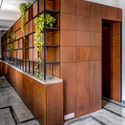
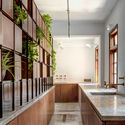
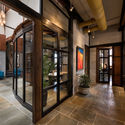
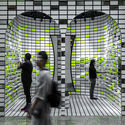
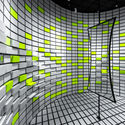
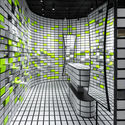
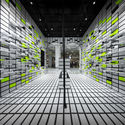
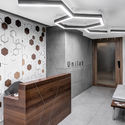
Unilab Pharma Office / SAV Architecture + Design

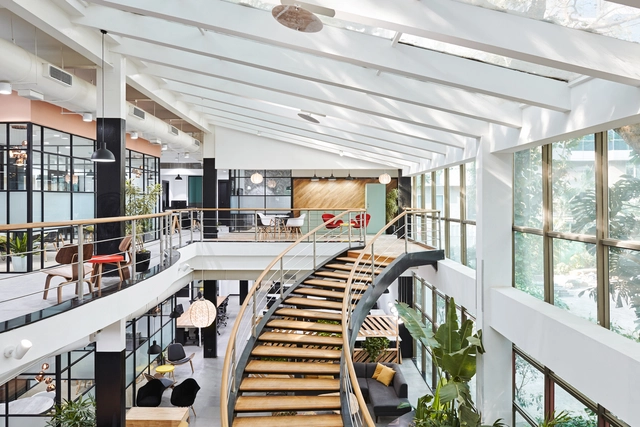
Unilab Pharma Office / SAV Architecture + Design - Interior Photography, Offices Interiors, Kitchen, Table, Lighting, ChairUnilab Pharma Office / SAV Architecture + Design - Interior Photography, Offices Interiors, Bathroom, Facade, BenchUnilab Pharma Office / SAV Architecture + Design - Interior Photography, Offices Interiors, Bedroom, Table, Chair, LightingUnilab Pharma Office / SAV Architecture + Design - Interior Photography, Offices Interiors, Kitchen, Door, Facade, Table, ChairUnilab Pharma Office / SAV Architecture + Design - More Images+ 17

  • Area Area of this architecture project Area:  120
  • Year Completion year of this architecture project Year:  2017
  • Manufacturers Brands with products used in this architecture project
    Manufacturers:  Aercon, Daikin, Folds, Glowtech
  • Professionals: V Interior Solutions

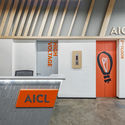
AICL Mumbai Workplace Interiors / SAV Architecture + Design

AICL Mumbai Workplace Interiors / SAV Architecture + Design - Interior Photography, Offices InteriorsAICL Mumbai Workplace Interiors / SAV Architecture + Design - Interior Photography, Offices Interiors, Chair, Table, LightingAICL Mumbai Workplace Interiors / SAV Architecture + Design - Interior Photography, Offices Interiors, ChairAICL Mumbai Workplace Interiors / SAV Architecture + Design - Offices Interiors, DoorAICL Mumbai Workplace Interiors / SAV Architecture + Design - More Images+ 24

#7 Southlands / SquareWorks

#7  Southlands / SquareWorks - Interior Photography, Interior Design#7  Southlands / SquareWorks - Interior Photography, Interior Design, Kitchen, Sink, Countertop#7  Southlands / SquareWorks - Interior Photography, Interior Design, Lighting#7  Southlands / SquareWorks - Interior Photography, Interior Design, Bathroom, Stairs, Facade, Handrail#7  Southlands / SquareWorks - More Images+ 30

  • Architects: SquareWorks
  • Area Area of this architecture project Area:  300
  • Year Completion year of this architecture project Year:  2018
  • Manufacturers Brands with products used in this architecture project
    Manufacturers:  Subzero/Wolf, Acor, Atomberg Technologies, Mitsubishi Electric, Simens, +2
  • Professionals: Project Makers

MIT India Initiative

DESIGN, TECHNOLOGY & SOCIAL INNOVATION WORKSHOP

The MIT India Initiative is a not-for-profit effort of students and alumni from the Massachusetts Institute of Technology to delve into pressing problems in novel, challenging contexts, and tackle these with technology and design. This is a first of its kind workshop where mentors from multiple departments of MIT and Harvard will work with talented participants chosen from all across India to design solutions to some of today's most pressing challenges.
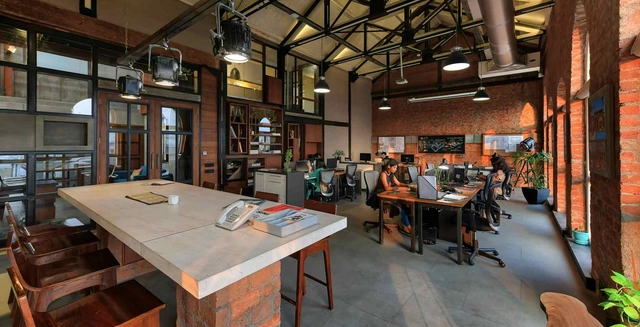
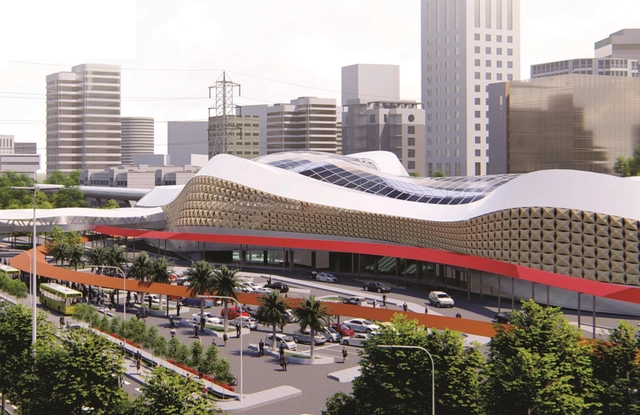
The workshop will be held in Mumbai, India facilitating participants to work on solutions that cut across boundaries of cultures, disciplines, and institutions.

The Loft Studio Space / Studio PKA

The Loft Studio Space / Studio PKA - Interior Photography, Heritage, Door, FacadeThe Loft Studio Space / Studio PKA - Interior Photography, Heritage, Beam, Table, ChairThe Loft Studio Space / Studio PKA - Interior Photography, Heritage, Table, ChairThe Loft Studio Space / Studio PKA - Interior Photography, Heritage, BeamThe Loft Studio Space / Studio PKA - More Images+ 38

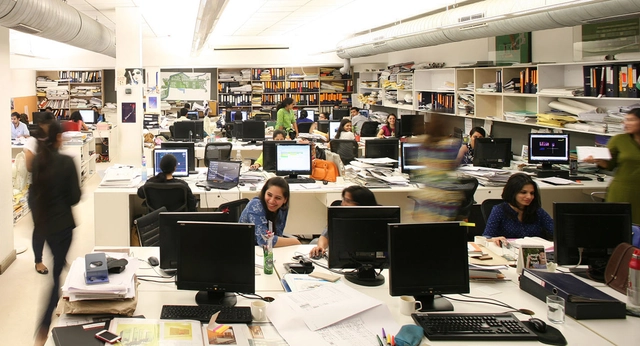
Publicis India Office Mumbai / Shiraz Jamali Architects

Publicis India Office Mumbai / Shiraz Jamali Architects - Interior Photography, Offices Interiors, Facade, BeamPublicis India Office Mumbai / Shiraz Jamali Architects - Interior Photography, Offices Interiors, Facade, Table, ChairPublicis India Office Mumbai / Shiraz Jamali Architects - Interior Photography, Offices Interiors, Table, ChairPublicis India Office Mumbai / Shiraz Jamali Architects - Interior Photography, Offices Interiors, Kitchen, TablePublicis India Office Mumbai / Shiraz Jamali Architects - More Images+ 20

Astin John Designs New Hyperloop Terminal for Mumbai

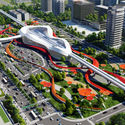
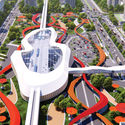
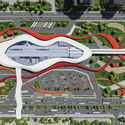
Designer Astin John has created a proposal for a new hyperloop terminal in Mumbai, India. The project is intended to celebrate the new age of hyperloop transportation technology through architecture for the state approved Mumbai – Pune hyperloop in Maharastra. The terminal acts as a transportation hub that connects other modes of transport in Mumbai to the hyperloop, and is inspired from the aerodynamic free flow of air.
Astin John Designs New Hyperloop Terminal for Mumbai - Image 1 of 4Astin John Designs New Hyperloop Terminal for Mumbai - Image 2 of 4Astin John Designs New Hyperloop Terminal for Mumbai - Image 3 of 4Astin John Designs New Hyperloop Terminal for Mumbai - Image 4 of 4Astin John Designs New Hyperloop Terminal for Mumbai - More Images

Sanjay Puri on the Potential and the Challenges of Architecture in India

Subscriber Access | 

During the World Architecture Festival in Amsterdam, ArchDaily sat down with Sanjay Puri who discussed his starting point, the architectural possibilities presented in India, and the oppositions faced by architects in his country. He also spoke of the importance of building in your context and not copying the past or the built environment in other parts of the earth.

With an office of more than 70, in Mumbai, Sanjay Puri Architects are currently working on several new ventures including education, residential, offices, hotel, and hospitality projects.
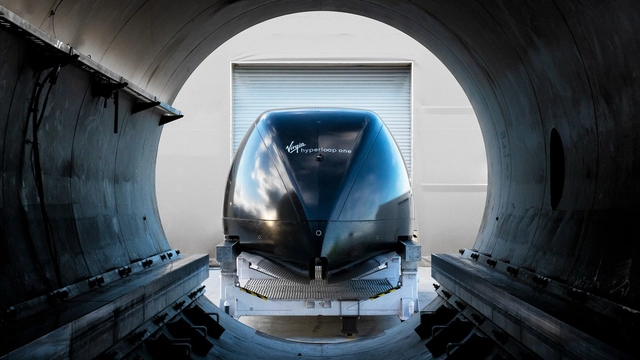

India Approves World’s First Passenger Hyperloop System

India Approves World’s First Passenger Hyperloop System - Image 1 of 4India Approves World’s First Passenger Hyperloop System - Image 2 of 4India Approves World’s First Passenger Hyperloop System - Image 3 of 4India Approves World’s First Passenger Hyperloop System - Image 4 of 4India Approves World’s First Passenger Hyperloop System - More Images

The Government of Maharashtra has deemed Virgin Hyperloop One a public infrastructure project, setting it up to become the first hyperloop project in the world. The announcement brings the hyperloop transportation system in India closer to reality, recognizing hyperloop technology alongside other more traditional forms of mass transit. Dubbed the Pune-Mumbai Hyperloop, the project will link central Pune to Mumbai in under 35 minutes, as opposed to the current 3.5+ hours by road.
Tianu The Revival Project / Studio PKA

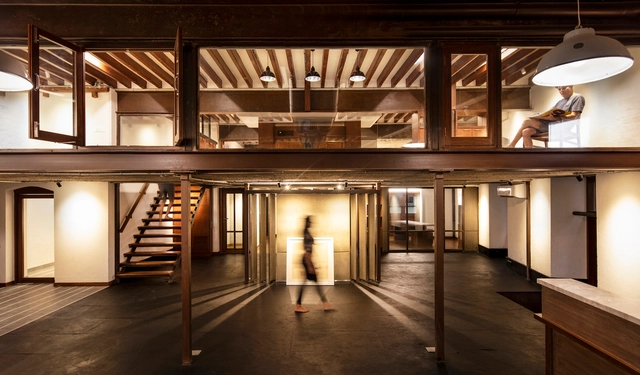
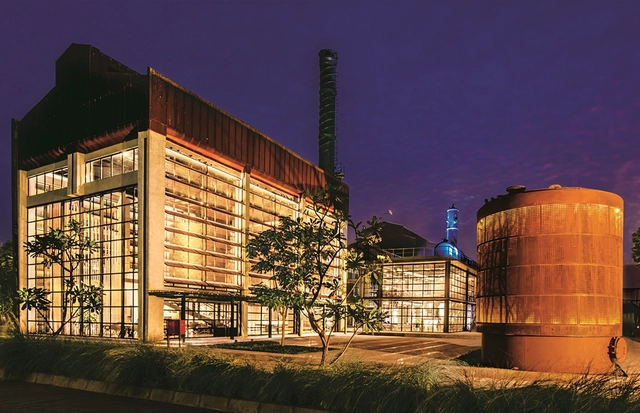
Tianu The Revival Project / Studio PKA - Exterior Photography, Store, Facade, ArchTianu The Revival Project / Studio PKA - Interior Photography, Store, StairsTianu The Revival Project / Studio PKA - Interior Photography, Store, Beam, Door, Table, ChairTianu The Revival Project / Studio PKA - Interior Photography, Store, Beam, Table, Lighting, ChairTianu The Revival Project / Studio PKA - More Images+ 20

Imagine Studio at the Trees / Studio Lotus + GPL Design Studio

Imagine Studio at the Trees / Studio Lotus + GPL Design Studio - RenovationImagine Studio at the Trees / Studio Lotus + GPL Design Studio - RenovationImagine Studio at the Trees / Studio Lotus + GPL Design Studio - RenovationImagine Studio at the Trees / Studio Lotus + GPL Design Studio - RenovationImagine Studio at the Trees / Studio Lotus + GPL Design Studio - More Images+ 19

Morphogenesis Builds a Gender-Positive Practice in India

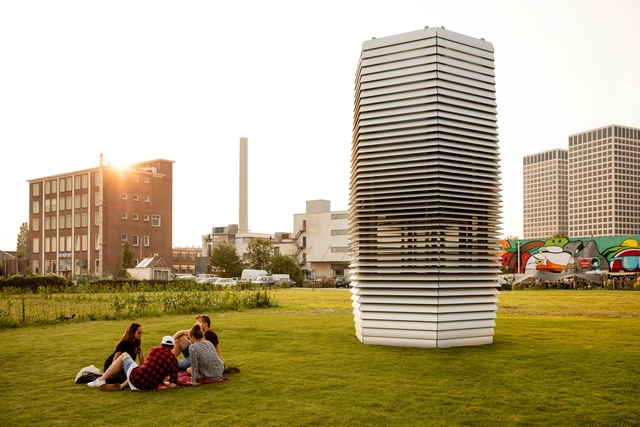
Indian design firm Morphogenesis has now become one of the world's first architecture practices to report a gender pay gap in favor of its female employees. Recruitment and promotion policies were created to make a level playing field for all candidates, irrespective of gender, with merit being the sole review criterion. The report reflects the firm's efforts to support long-term career progression for women in a country where they earn just 62 percent of what men earn.
Morphogenesis Builds a Gender-Positive Practice in India - Image 1 of 4Morphogenesis Builds a Gender-Positive Practice in India - Image 2 of 4Morphogenesis Builds a Gender-Positive Practice in India - Image 3 of 4Morphogenesis Builds a Gender-Positive Practice in India - Image 4 of 4Morphogenesis Builds a Gender-Positive Practice in India - More Images+ 2

The Top 10 Inspirational Design Cities of 2018, As Revealed by Metropolis Magazine

In Metropolis Magazine's latest - and last - installment in their annual design cities review, the focus is not on output or culture but on cities themselves as the point of inspiration. For the designers surveyed, these were the cities that made their hearts beat a little faster; the ones that remained in their minds and wormed their way into their work.

K.J. Somaiya College for Information Technology / Sameep Padora & Associates

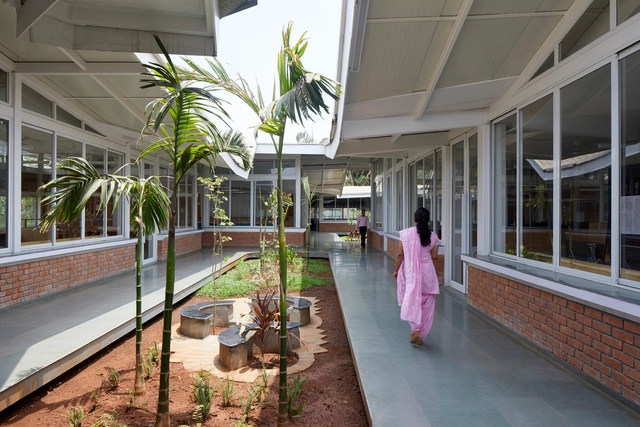
K.J. Somaiya College for Information Technology / Sameep Padora & Associates - Schools , FacadeK.J. Somaiya College for Information Technology / Sameep Padora & Associates - Schools , Courtyard, FacadeK.J. Somaiya College for Information Technology / Sameep Padora & Associates - Schools , Garden, CityscapeK.J. Somaiya College for Information Technology / Sameep Padora & Associates - Schools , Facade, Door, Beam, Chair, BenchK.J. Somaiya College for Information Technology / Sameep Padora & Associates - More Images+ 16

Mumbai, India
  • Area Area of this architecture project Area:  2070
  • Year Completion year of this architecture project Year:  2018
  • Manufacturers Brands with products used in this architecture project
    Manufacturers:  Saint-Gobain, Giacomini, Jindal, Jindal Aluminium, Kota Stone, +1

Which Cities Have the Most High-Rises?

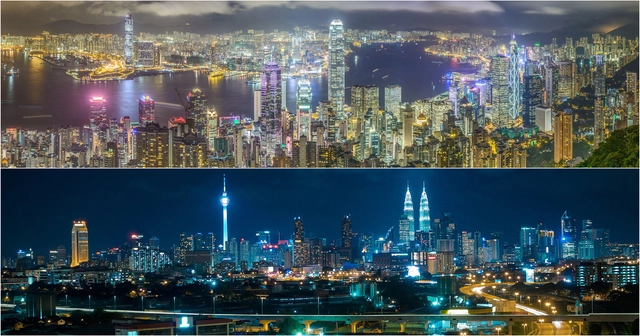
The downtown skyline of a city is perhaps its most symbolic feature. The iconic cityscapes that we know and love are typically formed by skyscrapers, but much of the surrounding context is made up of other high-rise buildings. Yes, there is a difference between a skyscraper and a high-rise. Research company Emporis defines a high-rise as a building at least 35 meters (115 feet) or 12 stories tall. These high-rise buildings play a major role in the more sprawled urban context of larger cities today.

Read on for Emporis' list of the 20 cities in the world with the most high-rises. You might be surprised by which cities made the cut.
Which Cities Have the Most High-Rises? - Image 1 of 4Which Cities Have the Most High-Rises? - Image 2 of 4Which Cities Have the Most High-Rises? - Image 3 of 4Which Cities Have the Most High-Rises? - Image 4 of 4Which Cities Have the Most High-Rises? - More Images+ 22

Winners of 'Reside: Mumbai Mixed Housing' Announced

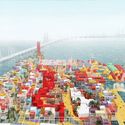
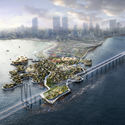
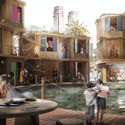
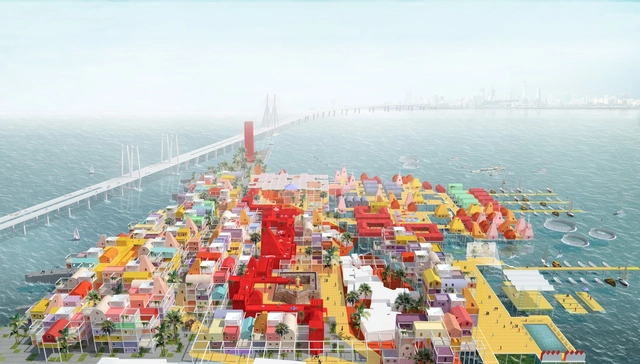
The winners of arch out loud’s competition Reside - in which entrants were to design a mixed residential development on one of the last remaining sections of undeveloped Mumbai coastline - have been announced. The architectural research initiative challenged entrants to design for “both the indigenous fishing community that has occupied the site for hundreds of years - as well as a new demographic drawn to the affluent neighborhood that now encompasses the site”.
Winners of 'Reside: Mumbai Mixed Housing' Announced - Featured ImageWinners of 'Reside: Mumbai Mixed Housing' Announced - Image 10 of 4Winners of 'Reside: Mumbai Mixed Housing' Announced - Image 24 of 4Winners of 'Reside: Mumbai Mixed Housing' Announced - Image 25 of 4Winners of 'Reside: Mumbai Mixed Housing' Announced - More Images+ 26

Zaha Hadid Architects to Design Navi Mumbai International Airport

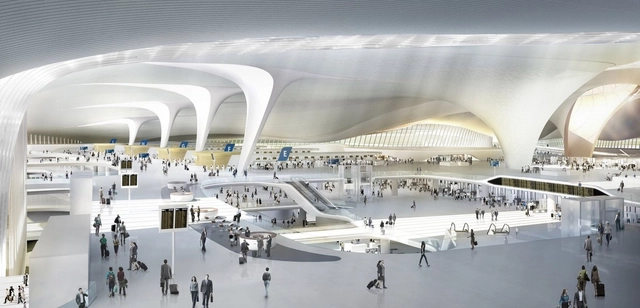
Zaha Hadid Architects (ZHA) has won an international competition for the design of the Navi Mumbai International Airport (NMIA). A long-awaited infrastructural project for India’s largest city, the scheme addresses capacity issues for the existing Chhatrapati Shivaji International (CSI) Airport, which features a terminal designed by SOM.

ZHA’s brief will encompass the design and execution of new NMIA terminal building, an Air Traffic Control Tower, and associated access. The airport will be situated across Mumbai Harbor, connected to the city by a planned rail link, and access to national rail networks. ZHA's previous work in the airport sector includes the Beijing Daxing International Airport (pictured), which is slated to be the world's largest airport terminal.
Call for Entries: Hyperlocal - Rebuilding Mumbai Within

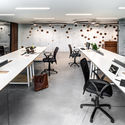
Mumbai stands as the wealthiest city in India and is well-known for its diverse culture and is considered a melting pot of several cultures and communities. Traffic congestion remains a major apprehension despite the progress in technological fields concerning public transportation. With a present population of over 21 million, the city generates more than 17 million trips in a day. Majority of Mumbaikars depend on local trains and buses as their means of egress.