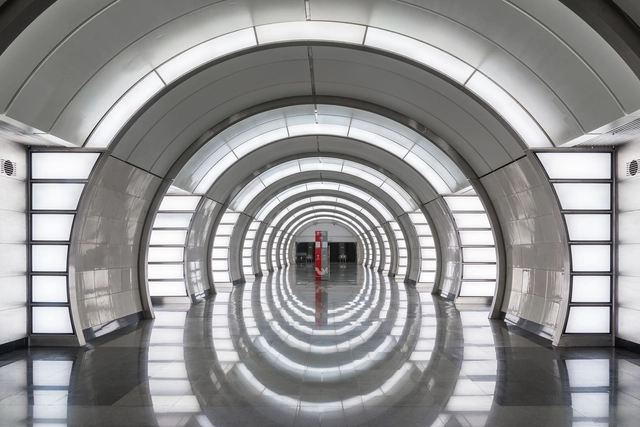
Beautifully integrating graphic design and architecture, the newest release from Blue Crow Media's transit series recognizes a selection of the most unique public transit stations in Moscow. Moscow Metro Architecture & Design, the second installment in the series, was curated by architectural historian Nikolai Vassiliev with photography by Alexei Narodizkii. It features the most unique and influential examples of architecture and decoration across what is widely considered to be "the most impressive network of stations in the world."
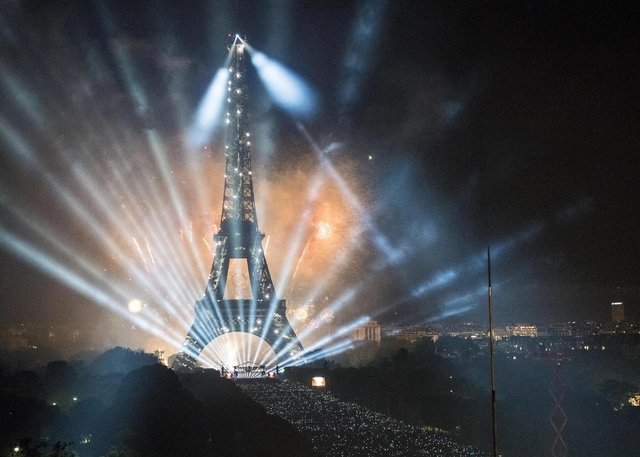
Thanks to their loud, brash, and nocturnal nature, rock concerts are often held in dark bars and nightclubs designed to withstand the abuse of rowdy fans and guitar-smashing rockers. But as musicians earn a following, they eventually graduate from beer-soaked basements to prestigious theaters, outdoor amphitheaters, arenas, and stadiums. For performers and music fans alike, playing or attending a show in a space like Carnegie Hall, the Royal Albert Hall, Madison Square Garden or Colorado’s Red Rocks Amphitheater can be a momentous, once-in-a-lifetime opportunity that ties together the sublime power that great music and architecture can both evoke. As rare as these opportunities are, an exclusive group of iconic musicians have managed to reach an even higher level of prestige by organizing one-off performances amid humanity’s most treasured historical sites—from the Acropolis and ancient Mayan cities to the Colosseum and the Eiffel Tower.
While these special concerts have given fans the chance to experience music history firsthand, many have also been mired in scandal as local officials and residents have raised concerns about potential damage to the sites or inappropriate commercial misuse of treasured cultural landmarks. Despite these legitimate and often justified concerns, these nine iconic sites have hosted some of the most ambitious concerts in the history of popular music:
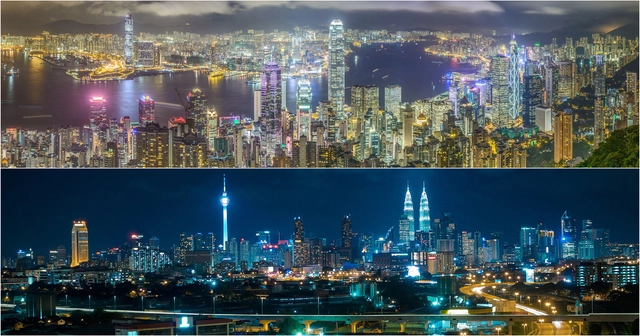
The downtown skyline of a city is perhaps its most symbolic feature. The iconic cityscapes that we know and love are typically formed by skyscrapers, but much of the surrounding context is made up of other high-rise buildings. Yes, there is a difference between a skyscraper and a high-rise. Research company Emporis defines a high-rise as a building at least 35 meters (115 feet) or 12 stories tall. These high-rise buildings play a major role in the more sprawled urban context of larger cities today.
Read on for Emporis' list of the 20 cities in the world with the most high-rises. You might be surprised by which cities made the cut.
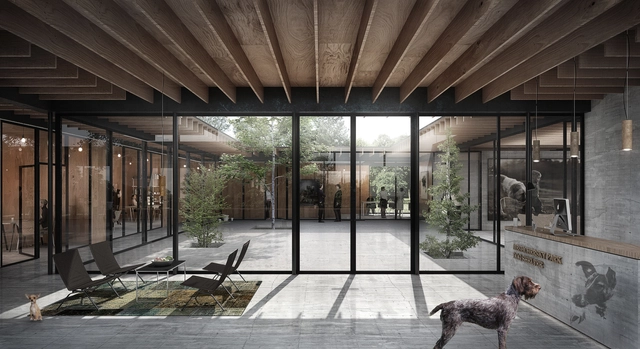
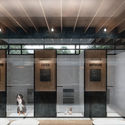
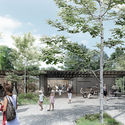
Copenhagen firm WE Architecture has completed a proposal for a “Dog Center” in Moscow that challenges traditional notions of animal shelters. Nestled in the countryside, the one-story pavilion will rely on a series of courtyards divided by pergolas that disappear into the landscape. The firm notes that the courtyards, which provide enclosed outdoor space for the dogs, allow the center “to avoid the 'jail-like' fencing which is often associated with dog shelters."
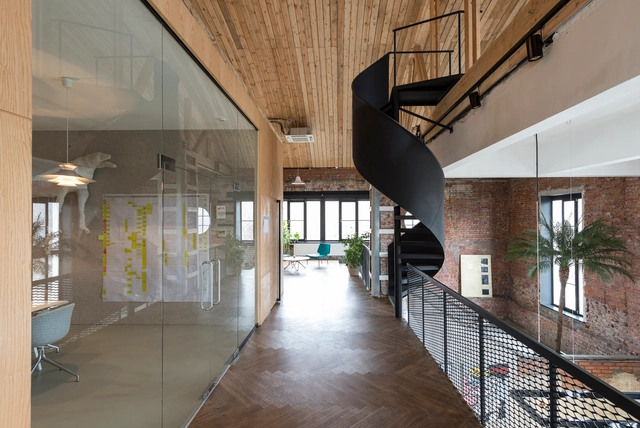
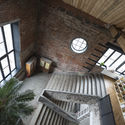
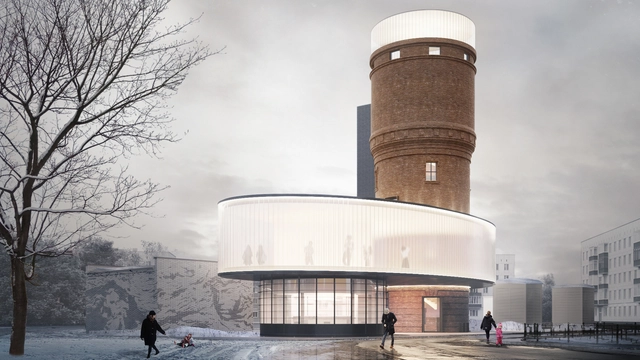
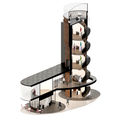
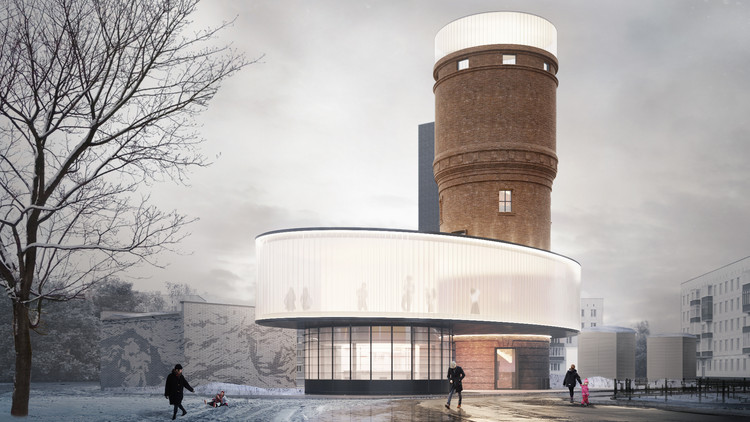
IND Architects has plans to transform the symbolic Shcherbinka water tower in Moscow, Russia into a revitalized area for residents to socialize. Since the water tower has been only slightly altered over time with the overall form and silhouette remaining the same, the design team has decided to create a place that will both aim to recall old memories and create new ones.
On a hillside forest outside of Moscow, amongst 65-foot-high (20-meter-high) pine and birch trees, sits the only private house to be designed and built by Zaha Hadid in her lifetime. With a form defined by its natural surroundings, the Capital Hill Residence is divided into two components, one merging with the sloping hillside, and another “floating” 72 feet (22 meters) above ground to unlock spectacular views across the Russian forested landscape.
Herzog & de Meuron has released images of their proposed scheme for the redevelopment of an old brewery site on the banks of the Moscow River. The Badaevskiy Brewery project will see the transformation of a largely abandoned cluster of historic, industrial buildings, a delicate restoration project contrasting with the contemporary addition of a residential “Horizontal Skyscraper.” With this bold addition elevated on tall, slender stilts, a new ground-level public park is created to strengthen ties between the brewery site and adjacent river.
https://www.archdaily.com/891128/herzog-and-de-meuron-designs-horizontal-skyscraper-above-historic-moscow-breweryNiall Patrick Walsh
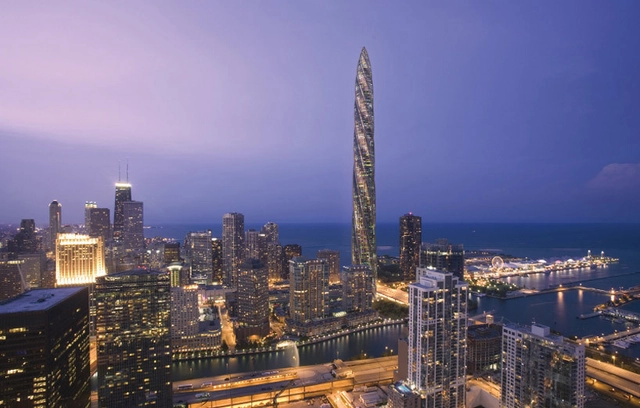
We all know a little about the world's tallest buildings—those engineering feats which define their cities and become symbols of human achievement—but what of the buildings that never took their planned place in their respective skylines? In 2014, The Council on Tall Buildings and Urban Habitat (CTBUH) released a report listing the 20 tallest buildings that were never completed (an up-to-date list is also maintained on their website here). In order to be considered "never completed," all of the buildings in the report had begun site work, but construction was completely halted with no reports indicating it will continue. Read on to find out the top 10 tallest uncompleted buildings in 2018 after the break.
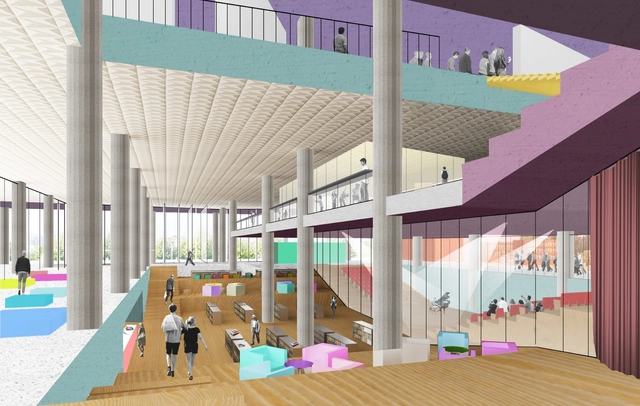
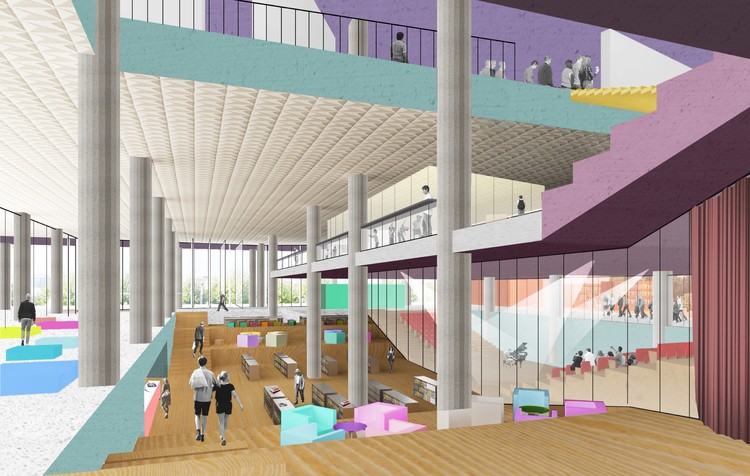
OMA has revealed plans for the renovation of the New Tretyakov Gallery on Krymsky Val in Moscow that will increase the accessibility and visibility of the gallery’s four sectors. Led by Rem Koolhaas, the scheme will use color and material to create a new visual identity and to establish a new link to the Moscow River.
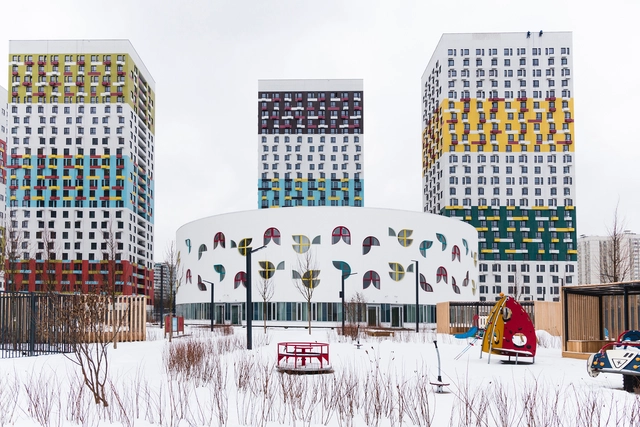
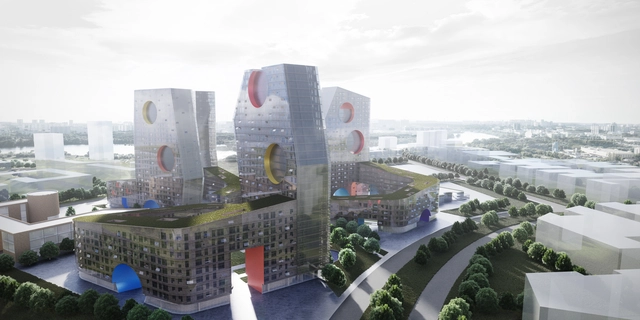
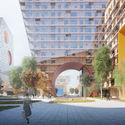
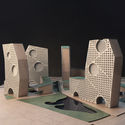
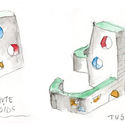
Comprising housing, social spaces and educational facilities, the design of the complex draws inspiration from its historic site, a former paratrooper airfield. In response, Steven Holl Architects proposed a completely new building typology, “Parachute Hybrids,” which “combines residential bar and slab structures with supplemental programming suspended in sections above, like parachutes frozen in the sky.”
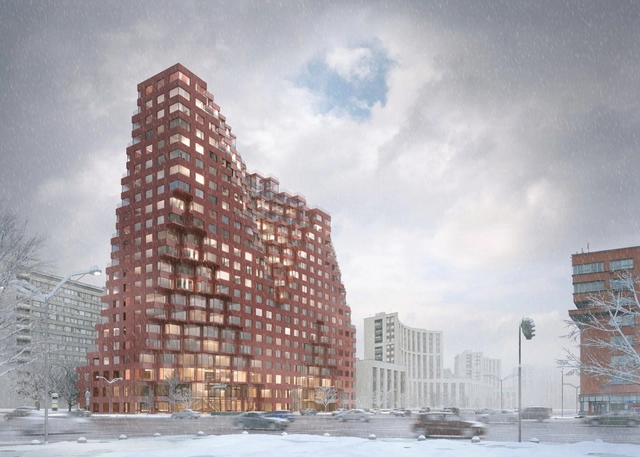
MVRDV has been selected as the winner of an international competition for a new mixed-use complex to be located near several important historic buildings in the city center of Moscow, Russia. Known as Silhouette, the complex will pack 52,000 square meters (560,000 square feet) of commercial, retail and residential space into its pixelated, geometric volume.
The Union of Architects of Russia calls for submissions to the Sixth "Glass in architecture" awards for 2018. It will be held on April, 18-19, 2018 within the framework of the Forum of the architectural glass industry, "ArchGlass 2018," in Moscow at the Central House of Architects.


















.jpg?1524018319 "Courtesy of IND Architects")





.jpg?1523378770&format=webp&width=640&height=580)
.jpg?1523378338 "Courtesy of OKO Group")

.jpg?1523379487 "Courtesy of OKO Group")
.jpg?1523379556 "Courtesy of OKO Group")
.jpg?1523378770)