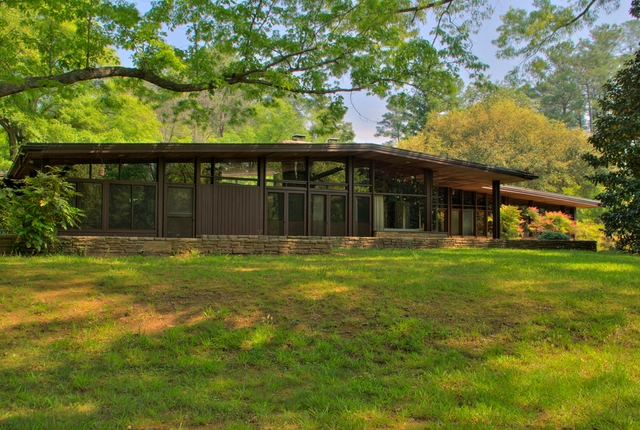
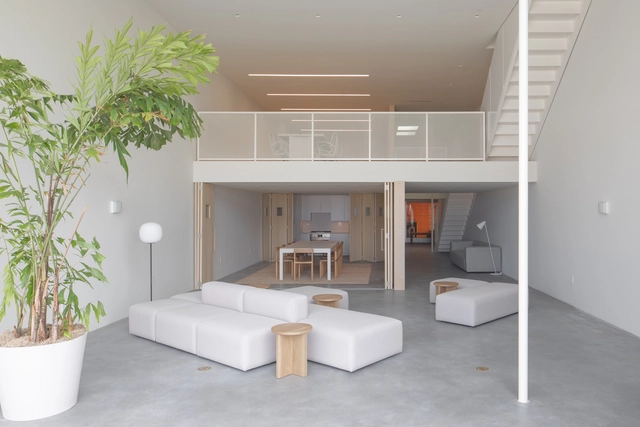
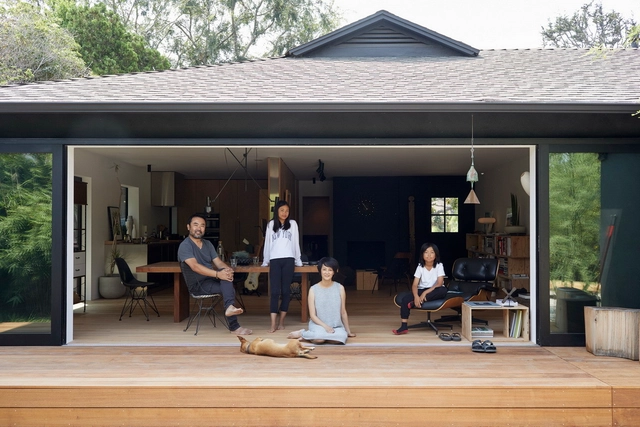
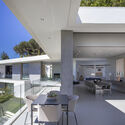
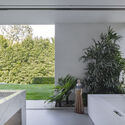
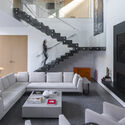
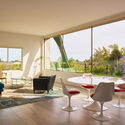
George Smart is an unlikely preservationist, almost an accidental one. The founder and executive director of USModernist, a nonprofit dedicated to the preservation and documentation of modern houses, Smart worked for 30 years as a management consultant. “I was doing strategic planning and organization training,” he says. “My wife refers to this whole other project as a 16-year seizure.” Recently I spoke with Smart about his two websites, the podcast, the house tours his organization conducts, and why documentation is such a power preservation tool.
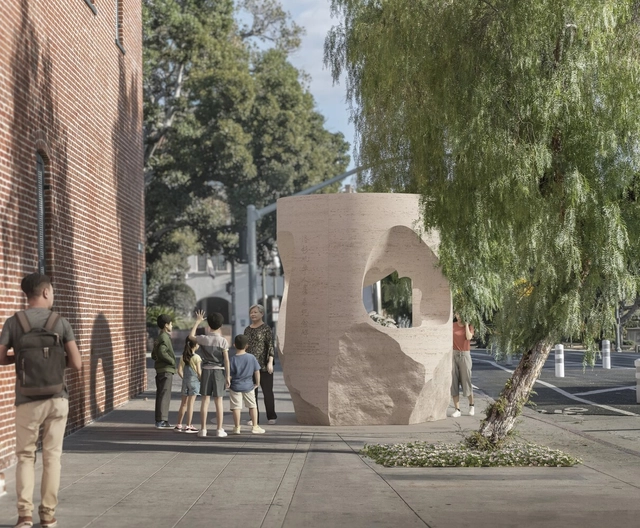
Figure x J. Jih Architecture Collective, led by James Leng and Jennifer Ly in collaboration with J. Roc Jih San Francisco, CA. Image Courtesy of Courtesy City of Los Angeles Department of Cultural Affairs
The city of Los Angeles has selected six finalists for the competition to design a new memorial dedicated to the victims of the 1871 Chinese Massacre. In one of the darkest chapters in the city’s history, on 21 October 24, roughly ten percent of the city’s Chinese population at the time, at least 18 residents, were murdered by a mob of rioters. The memorial seeks to raise public awareness of the 1871 racially motivated mass killing while simultaneously addressing contemporary concerns regarding race, intolerance, and violence. The memorial was first announced in April 2021, and it is set to be built near the site of the massacre and the Chinese American Museum.
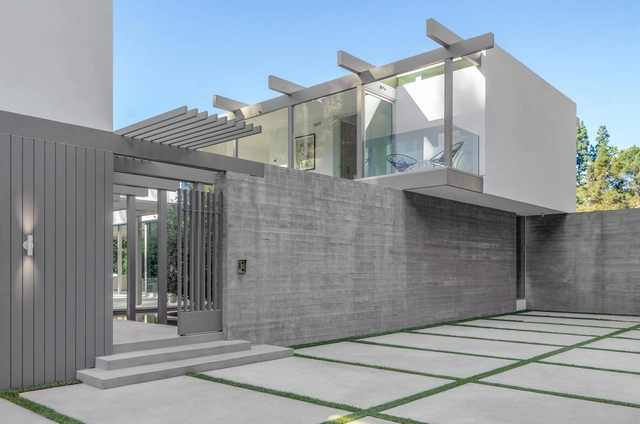
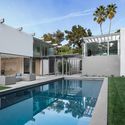
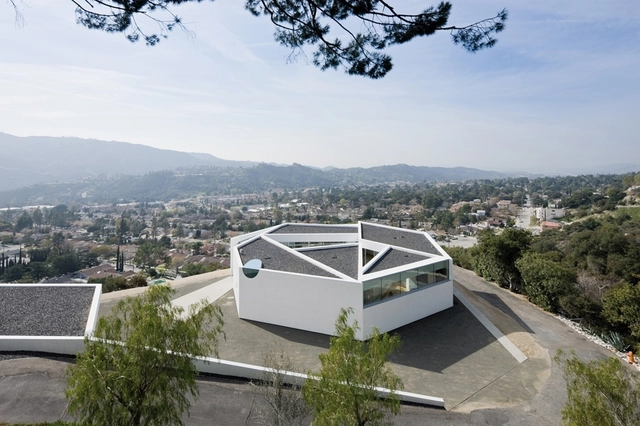
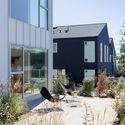
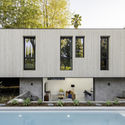
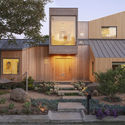
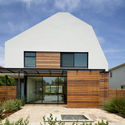
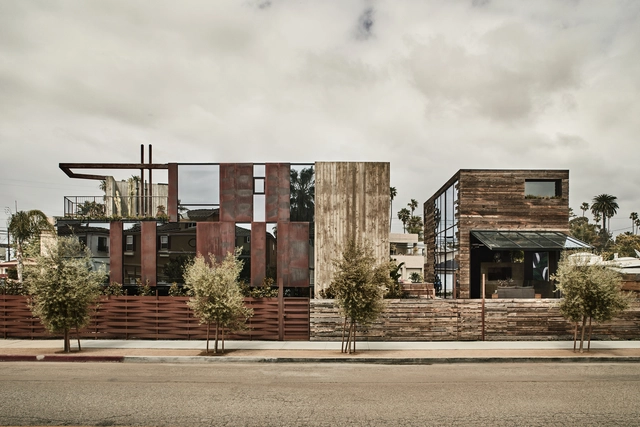
Los Angeles is a city of dreams. Known across the United States and the world, L.A. embodies both freedom and experimentation, defined as much by its freeways as its diversity. It is also a city of houses. Single-family homes cover almost half of Los Angeles, and as the city continues to evolve, architects have explored new ideas on modernity and daily life through the single-family typology.
Around 10 million people live in L.A. County, and Los Angeles itself has become one of the world's most ethnically diverse cities. The built environment reflects the nature of its residents, home to some of the most iconic residential and cultural architecture in the world. Los Angeles has its own dose of Lautner, Schindler, Wright, and Neutra. It's a city that has long embodied multiplicity and progressive forms, from the Eames House and Gehry's Residence to the iconic Stahl House. Through the lens of photographer Julius Shulman, many homes came to represent not only new residential styles but also the postwar culture of Southern California.
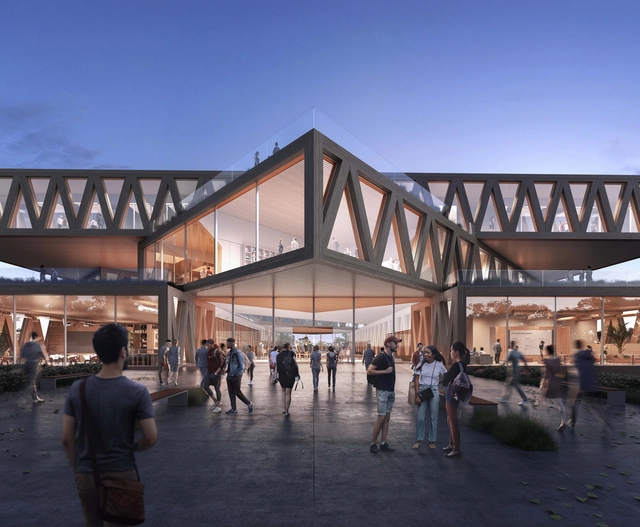
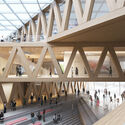
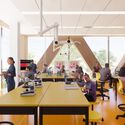
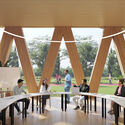
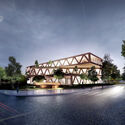
Designed by Bjarke Ingels Group, The Robert Day Sciences Center at CMC in California breaks ground and is expected to be completed in 2024. Featuring an open auditorium, labs, research spaces, and multifunctional roofs with 360-degree views of Mt. Baldy, the building will serve a community of 1,400 students. By literally stacking disciplines together in a Jenga-like composition, the framing of a column-free bar will serve as a multilevel gathering hub of collaboration and a crossroads for scientific thought and also stimulate the rest of the liberal arts students to take a deeper interest in the sciences and vice versa.
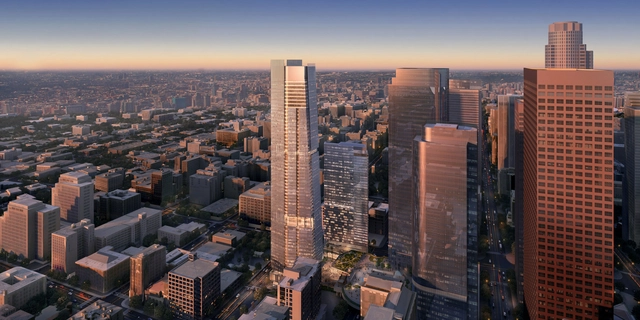
Handel Architects designed the third tallest in Los Angeles, a 63-story high-rise 265 meters high in the Historical Downtown L.A. Featuring a 150 meters second tower, affordable residential housing, and community spaces, the "Angels Landing" will be the largest and tallest development to be built by Black developers in the United States, marking a milestone in the real estate industry, as in L.A.'s skyline. In partnership with The Peebles Corporation and MacFarlane Partners, the complex is scheduled to open in 2027 and will create more than 8,300 new jobs during construction.
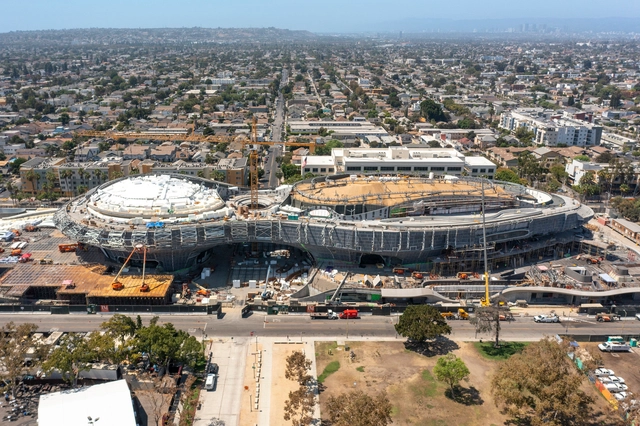
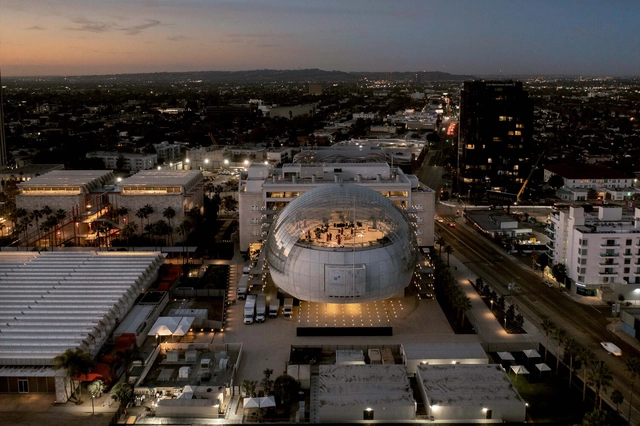
Scheduled to open in 2025, the Lucas Museum of Narrative Art in Los Angeles’s Exposition Park, reveals the latest details in the construction and addition of artwork. The first of its kind, the Lucas Museum, founded by filmmaker George Lucas and his wife Mellody Hobson, will be devoted to all forms of visual storytelling, including painting, photography, sculpture, illustration, comic art, performance, and video. Designed by Ma Yansong of MAD Architects with Michael Siegel of Stantec, the five-story and 27900 square-meter building will feature a gallery space, two state-of-the-art theaters, and dedicated spaces for learning and engagement, dining, retail, and events.
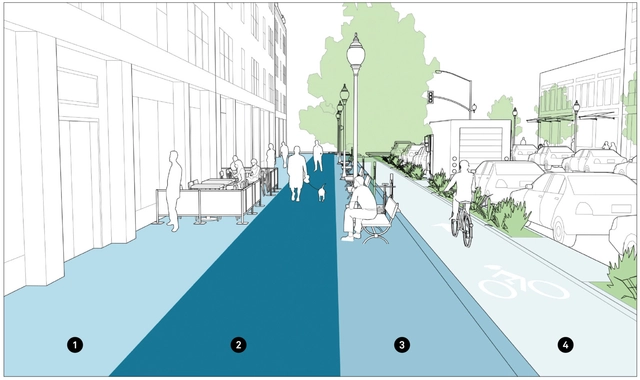
Future planning methods for sidewalks and public transit space. Image via Global Designing Cities Initiative
Whether you live in an urban, suburban, or rural area, there’s a good chance that using a sidewalk, in some capacity, is part of your everyday routine. Whether crossing over a sidewalk to get to your car in a parking lot or walking several blocks on your commute to your office downtown, sidewalks are critical for creating safe places for pedestrians away from the streets. But what happens when cities don’t take ownership over sidewalk maintenance, and they’re left to be protected by the people who just use them?
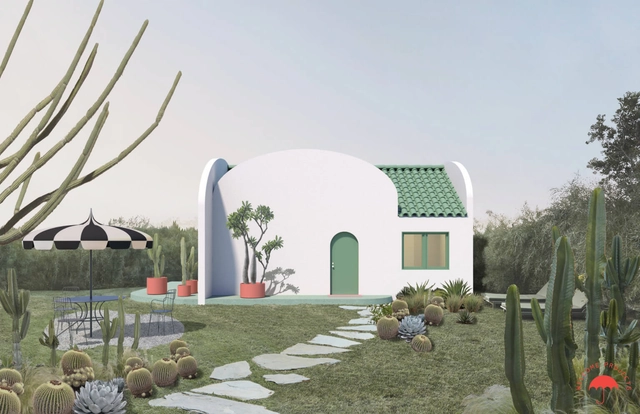
The Breadbox ADU . Image Courtesy of Los Angeles Department of Building and Safety and WELCOME PROJECTS
In a time where housing prices are unattainable and residents are looking to downsize their homes more than ever, enter the concept of Accessory Dwelling Units (ADUs). These small and highly customizable homes are taking backyards across the United States by storm, enabling homeowners to build homes on their land, and rent them out to tenants.
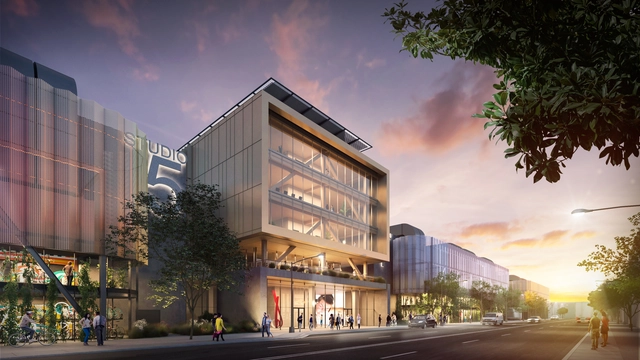
Grimshaw Architects has revealed the design for a 16-soundstage studio production campus for the independent company East End Studios. Located on a 15-acre former industrial site in the Arts District in Los Angeles, the campus will provide creative workplace buildings and production support spaces connected via a series of outdoor terraces and walkways. The project responds to its location and context by moving away from the traditional studio layout and instead opting to create a “vertical campus”. This composition creates a more open public relationship with the downtown neighborhood while ensuring that all campus facilities are well connected.