
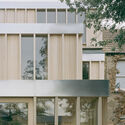
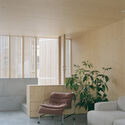


-
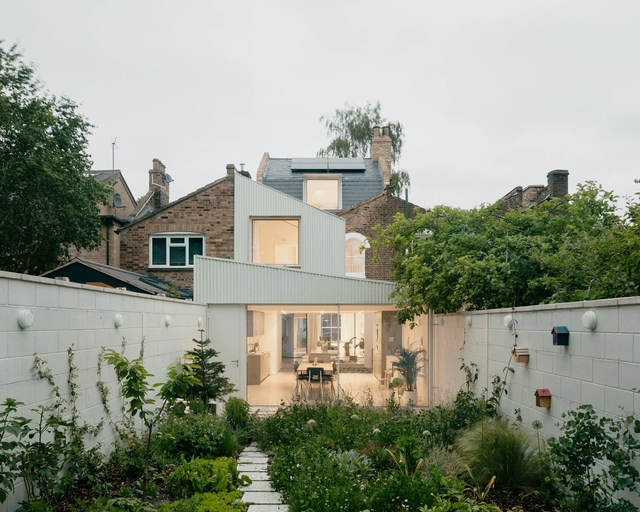
Architects: ao-ft
- Area: 132 m²
- Year: 2021
-
Professionals: Entuitive, MES Building Solutions, IFC Group, Meeuwsen Muldoon, London Building Control, +1

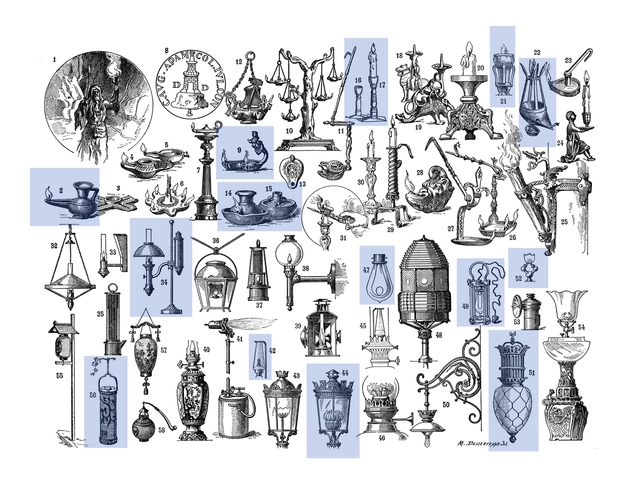
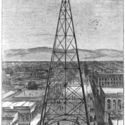
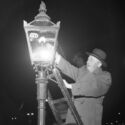
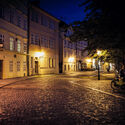
The simple activity of taking a walk in the evening can easily turn from a relaxing leisurely activity to a dangerous endeavor by removing just one element from the streetscape: public lighting. While not often recognized as defining aspect of urban environments, artificial illumination has played an essential role in defining the character of modern cities. Crime control, the appeal of nightlife, the rise of the shop window, revolutionary movements, utopias, and ideals of social equity are all concepts whose development is tightly linked to the history of public lighting. Technological advancements over the past centuries have continuously shaped the appearance and symbolism of streetlamps. Still, the this element has remains a constant throughout its history.
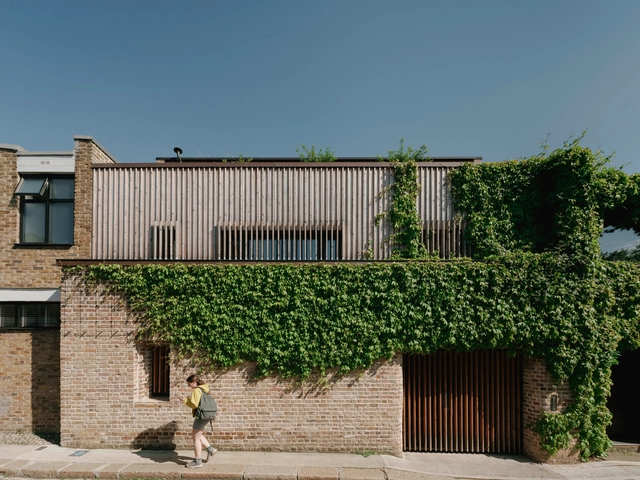
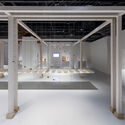
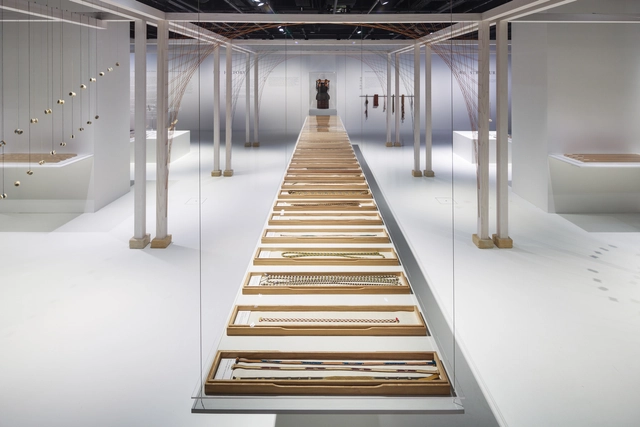
Max Fordham is pleased to announce a special exhibition celebrating the life and work of its founder, Max.
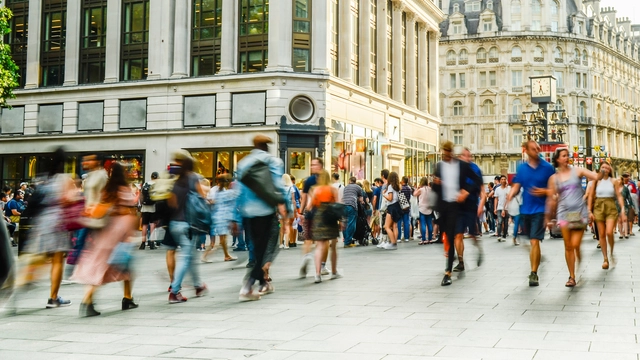
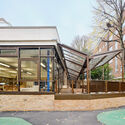
With many high streets hollowing out and the National Health Services Association pushed to its limits, Heatherwick Studio is calling for a new kind of health space in metropolitan cities. The Health Street initiative is placed right at the heart of urban communities, reimagining the way we look at well-being and the holistic health of complete localities. Moreover, this radical approach to health creation is based on integrating community-led facilities into the local high streets.
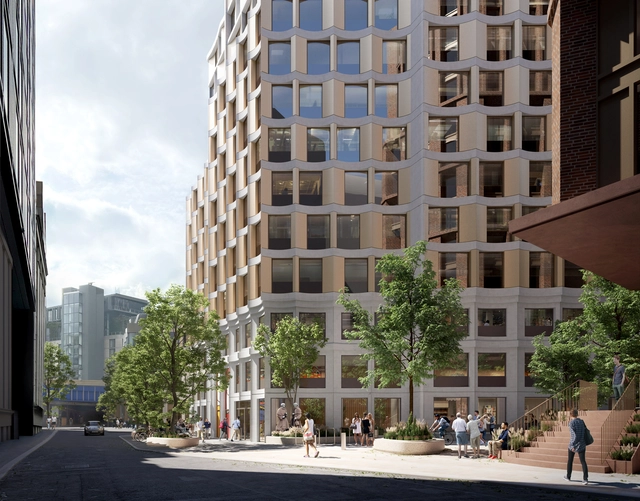
3XN, a Copenhagen-based studio centered around cultural architecture, has just received the green light from the planning committee for their design of the new Migration Museum. At its current location in Lewisham in Southeast London, the Museum is an encompassing collective archive of the movement of people to and from Britain. Moreover, the project explores how these movements have shaped us as individuals, communities, and as a nation. The 21-story scheme creates a new, permanent home for the Migration Museum and student accommodation.
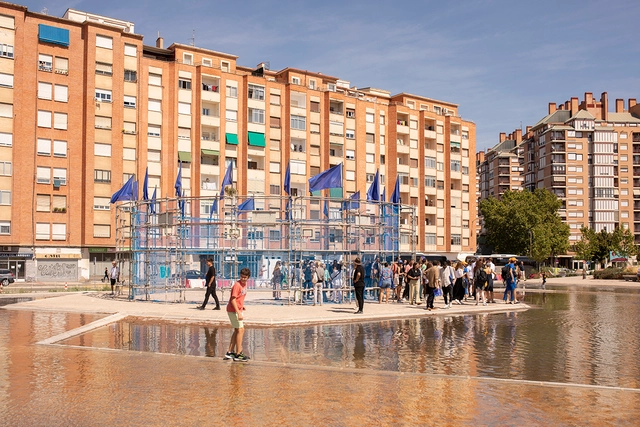
Biennales, exhibitions, and architecture focused festivals provide a platform for opening debates, conducting research, and driving innovation, but they can also contribute to the incremental changes that shape the image and the character of a city. Through temporary installations and experiments, this type of events have the opportunity to open lines on inquiry into the quality of urban spaces, inviting visitors and residents to slow down, break away from their daily routine and interrogate their local environments. The effects might not be immediate, but by cumulating these impressions and moments of contemplation, architecture and design festivals can have a long-lasting impact on the cities that welcome them.
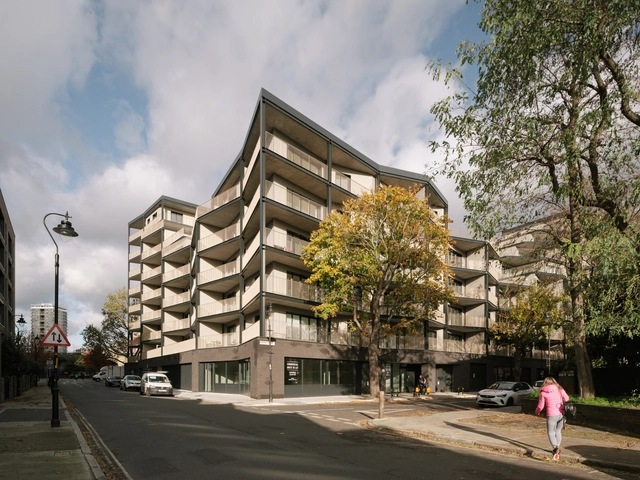
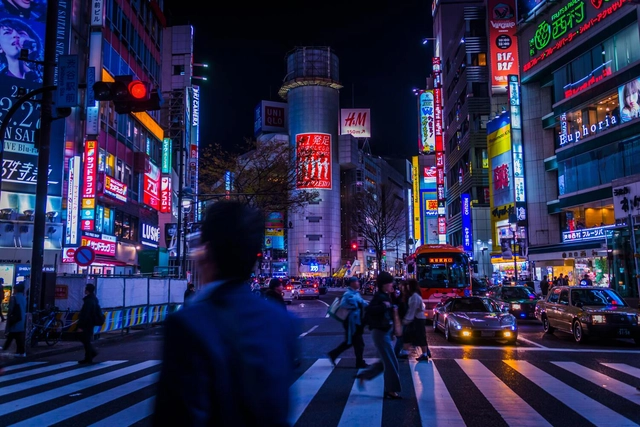
Cities evolve over countless years, each moment of change building up to larger societal and architectural shifts. Metropolises across the world are constantly subject to social, political, economic, or environmental forces that alter their fundamental identity - a character that is meant to be dynamic. As cities develop in size and impact, advancements in the understanding of cities and urbanism grow more complex.
Cities are formed from a sequence of narratives, characteristics, relations, and socio-spatial values that reflect the identity of the place. The livelihood of the city also depends on its people and a mutual relationship with them. Along with their communities and their circumstances, cities morph to reflect their residents' needs and values.