With winter drawing in across the northern hemisphere, Hudson Valley Lighting Group share tips on how to warm up homes with layered lighting and worn-in finishes.


With winter drawing in across the northern hemisphere, Hudson Valley Lighting Group share tips on how to warm up homes with layered lighting and worn-in finishes.
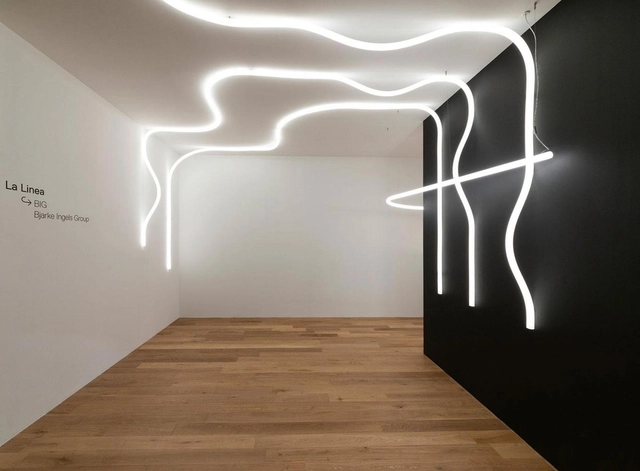
After a year-long absence, Milan Design Week has wrapped up yet another year of creativity and innovation. From the 5th to the 10th of September, thousands of design companies displayed their creations to more than 200,000 visitors hailing from different countries, demographics, and industries. And while the design fair gravitated towards the world of interior design, many renowned architects such as Bjarke Ingels, Foster + Partners, and Herzon & de Meuron participated in the week-long exhibition and joined forces with interior and furniture design brands to create signature pieces.
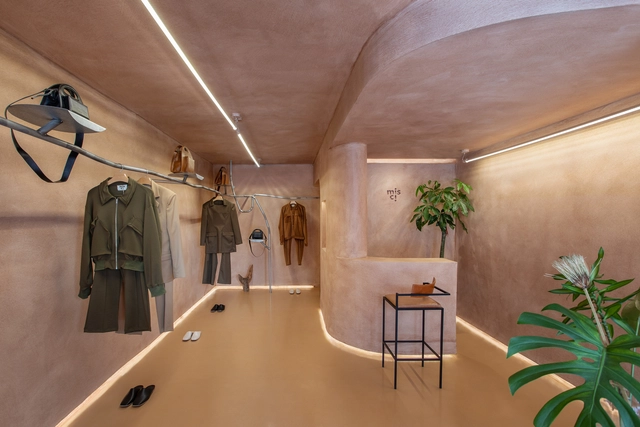
Commercial spaces must be enticing enough to pull people in, and comforting enough to keep them there. It’s this balance that makes the utilization of technical lighting so important to master.
It can be hard for spaces such as hospitality venues, offices, and retail environments to create comfortable, functional, and eye-catching lighting networks. But with venues, companies, and brands fighting harder than ever for the attention of shoppers, buyers, and workers, ensuring they present the perfect combination of ambiance, comfort, and aesthetic, all while staying completely on brand, is even harder than it appears.

We know that lighting is probably one of the most powerful means of influencing the perception of a space in terms of its geometry. Only through light does color become color, and matter becomes relevant.
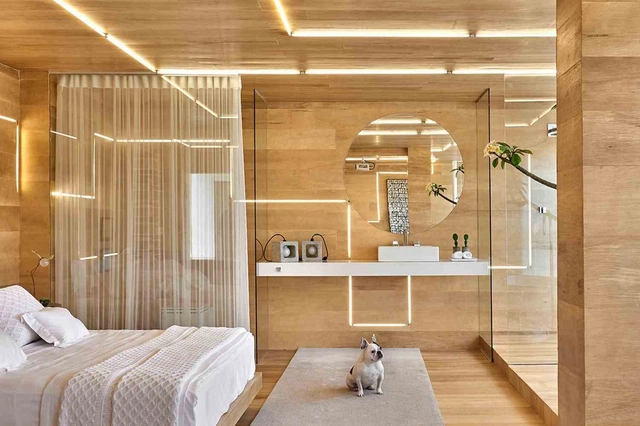
Natural or artificial, lighting is one of the most important elements in architecture, directly affecting our perception of spaces. It is capable of defining volumes, enhancing colors, textures, and therefore, contributing to the overall relationship between dimension, proportion, and contrasts. One of the many challenges of architecture is to shape spaces based on light and shade, and sometimes natural light is not enough, requiring additional light sources to be installed and controlled.
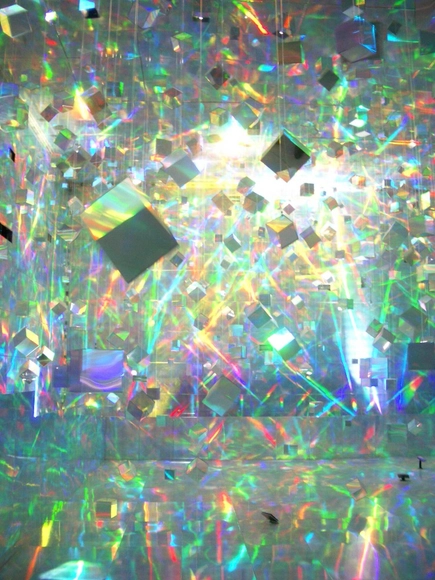
Although holograms have been a possibility for decades—the first hologram was developed in the early 1960’s following the development of laser technology—many might still associate them more with science fiction, the term conjuring up images of high-tech superhero gadgets and spaceships in the distant future. Yet as we inch closer to the reality of a hyper-technologized future, and a variety of industries—including architecture and construction— begin to embrace new forms of increasingly advanced technology, holography, too, has a chance of completely reshaping the way we conceptualize and experience architecture. While it is impossible to predict exactly how holographic technology will be used in the future, below, we list several examples of existing projects that use holograms and other types of holography to create atmospheric environments, fantastical scenes, and practical visualizations. These examples move beyond the use of holograms to visualize structures and sites during the design phase; they utilize holography to shape the completed architectural space itself, completely altering the sensory and spatial experience of their environment.
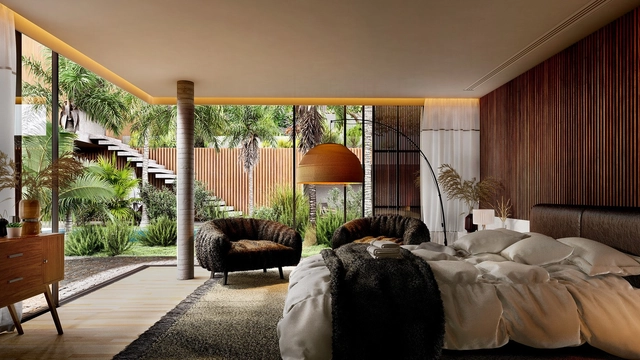
There is life within every design. In the way that the leaves of a tree move with the wind, the energy of a busy public building with its never-ending flow of interesting and unique people, or the feeling of a cozy evening indoors while heavy rain batters the windows.
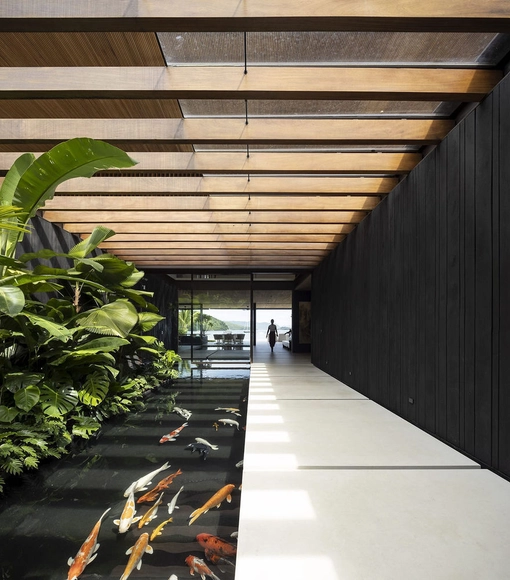
Solar radiation is one of the most important criteria in architectural projects, as it impacts several decisions ranging from the orientation of the building on the site to the choice of windows and doors. Therefore, to ensure the quality of lighting and visual comfort in building interiors, it is crucial to study the sun path and the quantity of sunlight in each given space.
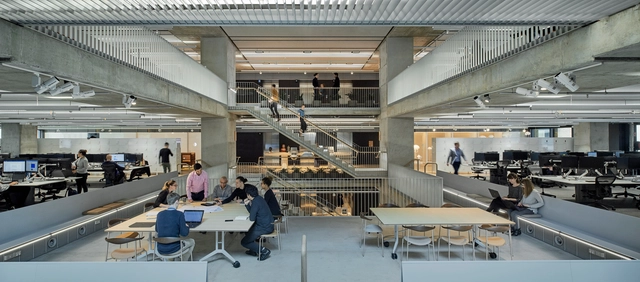
If your profession involves going into the office every day, then you’re probably familiar with this age-old question- is the office too hot, or is it too cold? While some colleagues may claim that the workplace feels like a sauna, you might see others who survive the daily grind hidden away under a blanket with a personal space heater keeping them company. The never-ending debate about the perfect temperature might only scratch the surface of many questions that designers and engineers have aimed to solve about the workplace, and they’re probably the aspects that you don’t consider on a daily basis. What about lighting- has a meeting room ever felt too bright, or too dimly lit that you felt uncomfortable?
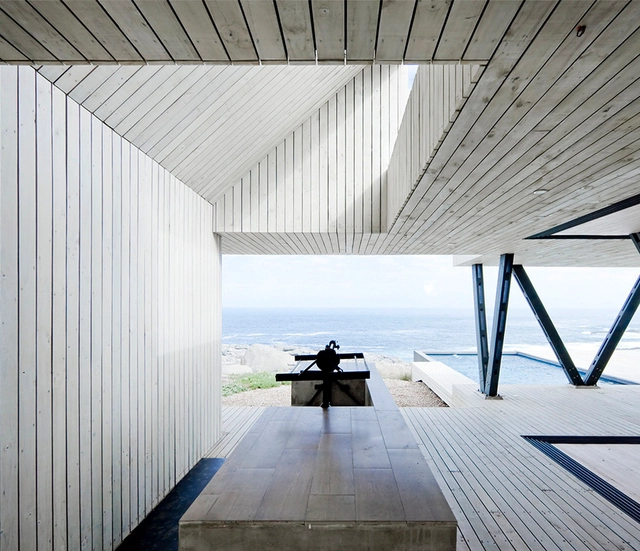
Whether by traditional windows, linear openings in the wall, or skylights, the manipulation and incorporation of natural lighting in architectural projects can render a radical change in interior spaces.
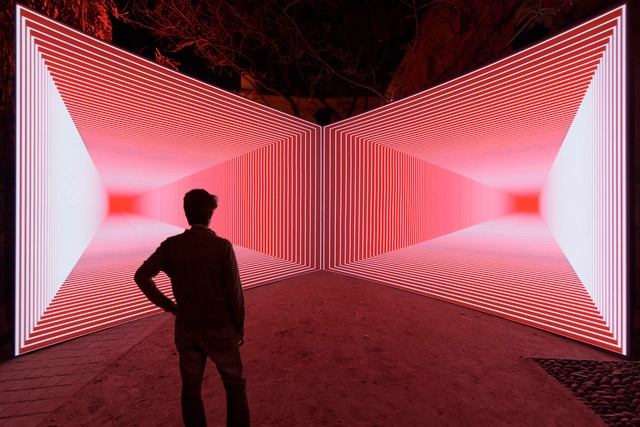
Using and controlling light can change the perception of a place; users perceive and feel the space differently depending on factors such as the type of light switch, color variations, and combinations. When used in temporary installations, light can break the boundaries between art and architecture, and also between tangible and intangible, transforming the elements of the project and creating new shapes and patterns.





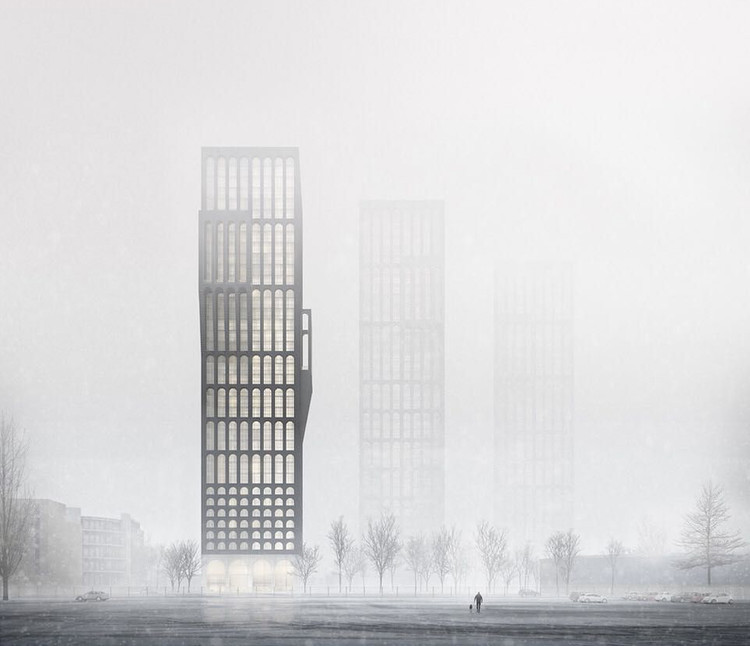
Techniques in visualization have evolved significantly over the years, providing increasingly accurate depictions that give architects a realistic view of their work before the foundation is even laid. For architects and the people they work with, the goal of a visualization is to illustrate the qualities and characteristics of a three-dimensional space that has yet to be built or is in the process of being constructed, by using hand or computer drawn images, videos, and even virtual reality platforms. All of these tools serve as a way of bringing an idea to life, whether for clients or judges in an architectural competition.
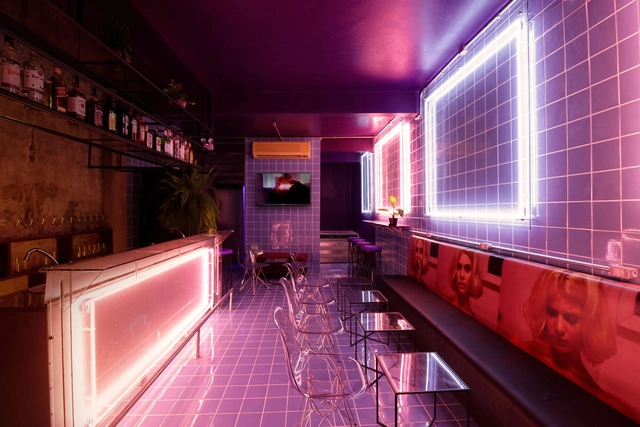
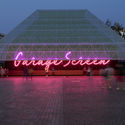
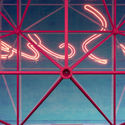
Neon lights are a bold, cosmopolitan statement that can easily revitalize or accentuate an architectural space or structure. With eye-catching brilliance, a plethora of color options, and ties to a retro aesthetic, these lighting pieces can make a space feel simultaneously modern and nostalgic. Yet few understand the scientific workings or material properties of neon, and many architects neglect its use due to its narrow association with commercial signage. Below, we explore how neon works, its architectural history, and how architects can continue to use it today.
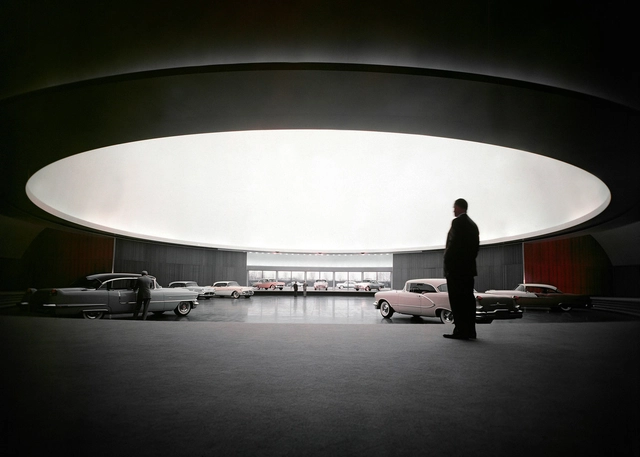
The General Motors Technical Center fascinates with architecture filled with an abundance of light. Interior offices and showrooms evoke the impression of a calm overcast sky for a human environment and beauty. The campus designed by Eero Saarinen represents an influential icon of midcentury design. Susan Skarsgard's book "Where Today Meets Tomorrow" opens intriguing perspectives to the origin of the American landmark.
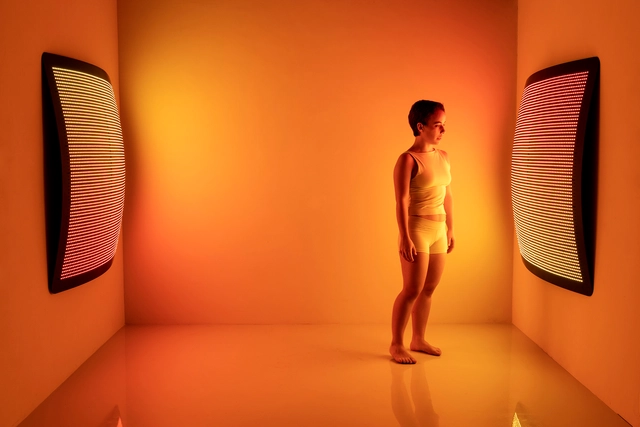
With the aim of creating immersive environmental experiences in interior spaces, the design studio Aqua Creations has developed Manta Ray Light, a lighting installation built with responsive RGB LED technology that mixes the colors red, green, and blue to generate more than 16 million light tones. By presetting its color spectrum, offering a range of brightness settings on a scale of 0.1 to 100%, and even loading images and videos into its internal memory, the system allows its user to add color and movement to expressive spaces, or deliver a feeling of warmth and concentration to intimate and private rooms.
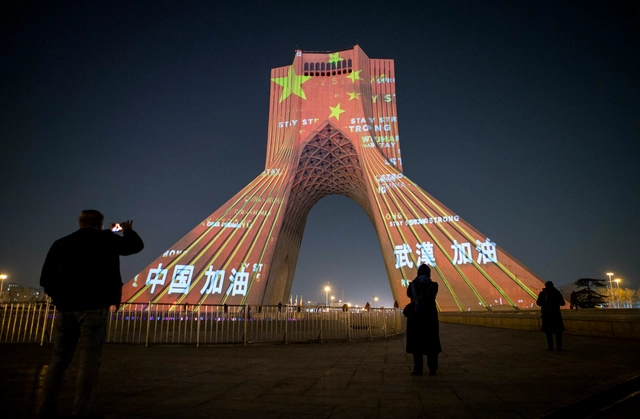
Buildings show normally slow responses to current social issues. However, in the case of the Coronavirus, dynamic media facades have started to send messages of empathy to the citizens of Wuhan. At first, the Chinese government used screens covering complete buildings to create powerful images of hope and solidarity. Later, some countries like the United Arab Emirates joined this effort while a majority of countries has not followed so far.
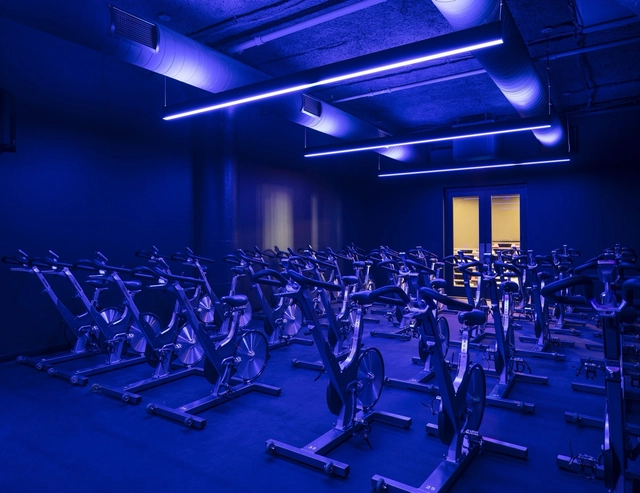
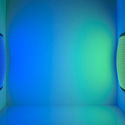
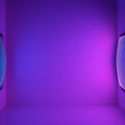
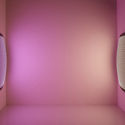
Color-tunable lighting is an exciting and relatively new lighting technology that allows users to control the color of light anytime after installation and attune lighting to individual preferences or specific application needs.
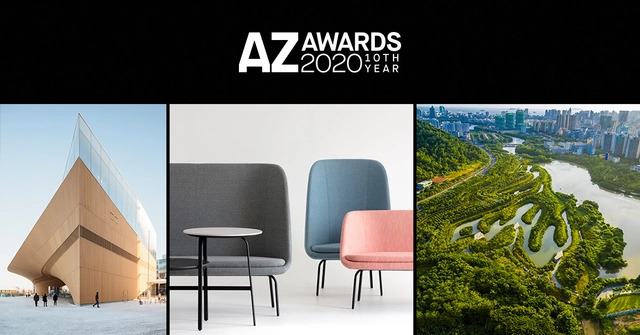
AZURE announces the opening of submissions to the 2020 AZ Awards!
Now entering its 10th year, the AZ Awards celebrates the best in architecture and design from around the world. Each winner will receive the AZ Awards trophy, get international exposure through our media partners, and have their achievements recognized by AZURE in print, online and at the AZ Awards gala in June 2020.


.jpg?1632222873 "El Poris. Image Courtesy of Artemide")


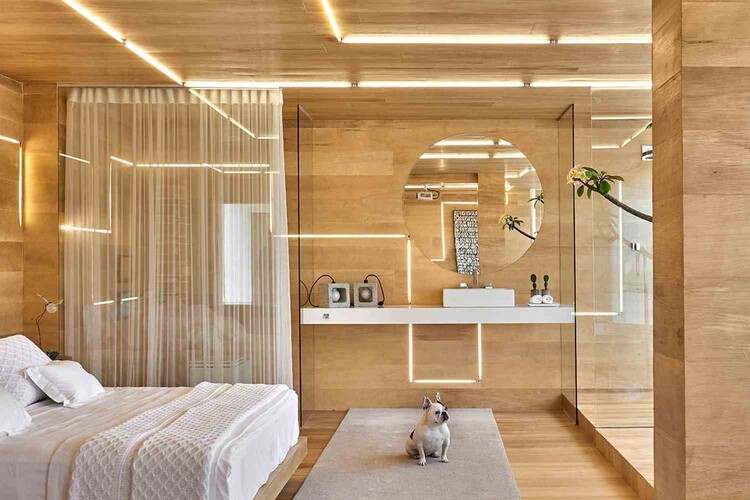

.jpg?1615834807 "Atlântica House / AR Arquitetos. Image: © Federico Cairoli")


.jpg?1591019033 "Camper NYC Store / CAMPER + Jonathan Olivares. Image Courtesy of Alexander Haas")