
Landscape Architecture: The Latest Architecture and News
Wilmington Waterfront Park / Sasaki Associates
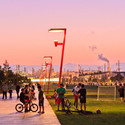
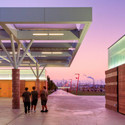
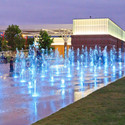
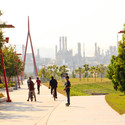

https://www.archdaily.com/230032/wilmington-waterfront-park-sasaki-associatesKritiana Ross
Cumberland Park / Hargreaves Jones
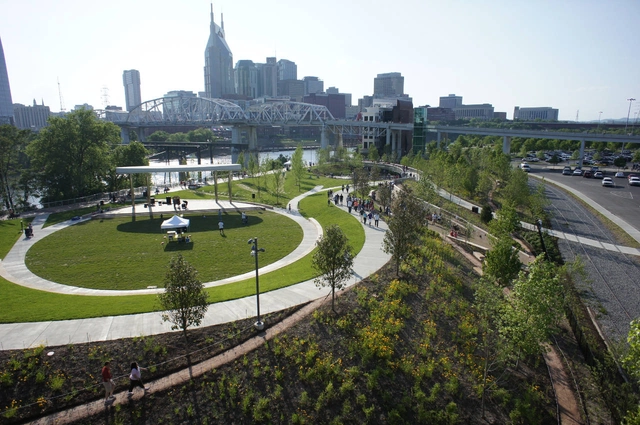
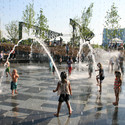

https://www.archdaily.com/228388/cumberland-park-hargreaves-associatesVictoria King
Cañadas Park / Abis Architecture


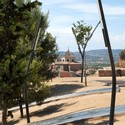
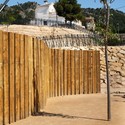
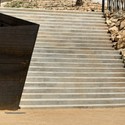

https://www.archdaily.com/228113/canadas-park-abis-architectureVictoria King
National Mall Finalists Exhibit Designs

The ten finalists competing in the final phase of the National Mall Design Competition are dreaming big. Proposals to restore the National Mall include flourishing lakeside gardens, contemporary cafés hovering over water, grassy new amphitheaters and underground pavilions exposed at the foot of the Washington Monument. Since the announcement of the finalists, the teams have been refining there proposals behind closed doors.
Now, the Trust for the National Mall has released the highly anticipated proposals to the public. From now until Sunday, at the Smithsonian Castle and the National Museum of American History, you can view each proposal in its entirety. If you don’t live in the D.C. area, no need to worry. Continue after the break to catch a glimpse of each submission and learn how you can help the jury decided who will revamp America’s “front yard”.
https://www.archdaily.com/224699/national-mall-finalists-exhibit-designsKarissa Rosenfield
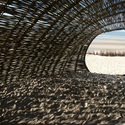
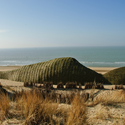
SANDWORM / Marco Casagrande



-
Architects: Marco Casagrande
- Area: 320 m²
- Year: 2010
-
Professionals: C-LAB
https://www.archdaily.com/223656/sandworm-marco-casagrandeDiego Hernandez
Building Tirana’s Green Future: Tirana Northern Boulevard and River Project / Cino Zucchi Architetti

The center of Tirana is marked by a clear urban layout, but its recent growth filled up a large area around it without any order, structure, adequate services or meaningful public spaces. In this proposal by Cino Zucchi Architetti, in collaboration with One Works, Gustafson Porter, Buro Happold London, and Antonello Stella Architects, the voids rather than the buildings become the catalysts of new urban regeneration. In doing so, their design attracts public and private functions around a sequence of green spaces of high environmental quality. The extension of the boulevard into a lively green promenade progressively opens up to the beautiful landscape of the hills across the Tirana river. More images and architects’ description after the break.
https://www.archdaily.com/222100/building-tiranas-green-future-tirana-northern-boulevard-and-river-project-cino-zucchi-architettiAlison Furuto
Journey to the Center of New York: Can Design "Cure" Our Cities?

Walk into the cafeteria at the Googleplex and you are nudged into the “right” choice. Sweets? Color-coded red and placed on the bottom shelf to make them just a bit harder to reach. “Instead of that chocolate bar, sir, wouldn’t you much rather consume this oh-so-conveniently-located apple? It’s good for you! Look, we labelled it green!”
Like the Google cafeteria guides you to take responsibility of your health, Google wants to transform the construction industry to take responsibility of the “health” of its buildings. They have been leveraging for transparency in the content of building materials, so that, like consumers who read what’s in a Snickers bar before eating it, they’ll know the “ingredients” of materials to choose the greenest, what they call “healthiest,” options.[2]
These examples illustrate the trend of “medicalization” in our increasingly health-obsessed society: when ordinary problems (such as construction, productivity, etc.) are defined and understood in medical terms. In their book Imperfect Health, Borasi and Zardini argue that through this process, architecture and design has been mistakenly burdened with the normalizing, moralistic function of “curing” the human body. [3]
While I find the idea that design should “force” healthiness somewhat paternalistic and ultimately limited, I don’t think this “medicalized” language is all bad – especially if we can use it in new and revitalizing ways. Allow me to prescribe two examples: the most popular and the (potentially) most ambitious urban renewal projects in New York City today, the High Line and the Delancey Underground (or the Low Line).
More on “curative” spaces after the break. (Trust me, it’s good for you.)
https://www.archdaily.com/219084/journey-to-the-center-of-new-york-can-design-cure-our-citiesVanessa Quirk
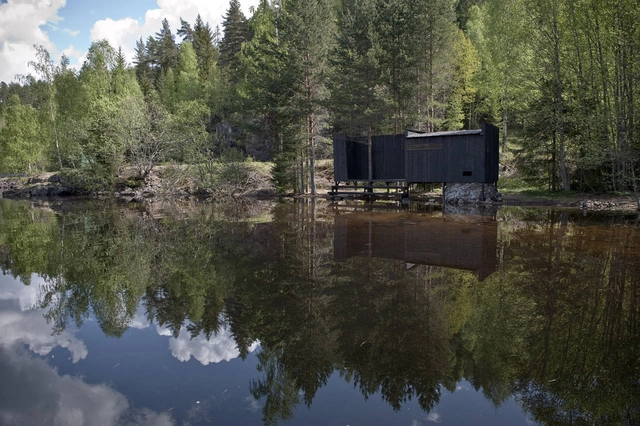
Into The Landscape / Rintala Eggertsson Architects
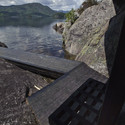
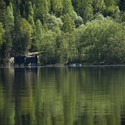
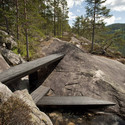

https://www.archdaily.com/213565/into-the-landscape-rintala-eggertsson-architectsVictoria King
Arboretum / Rintala Eggertsson Architects
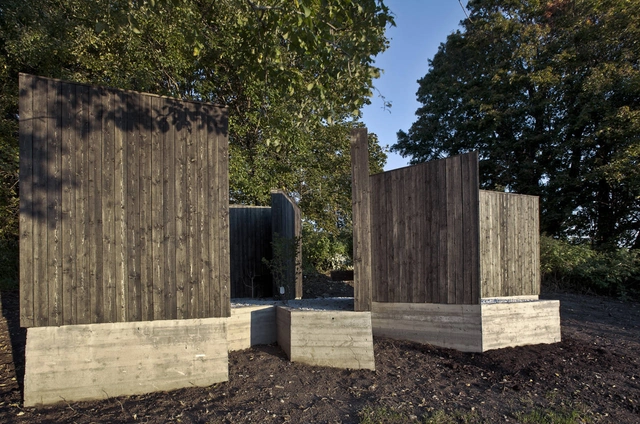
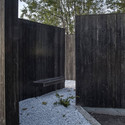
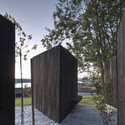
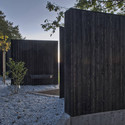
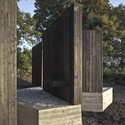

https://www.archdaily.com/212963/arboretum-rintala-eggertsson-architectsVictoria King
Kuyasa Transport Interchange / MEYER+VORSTER Architects


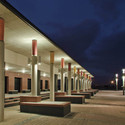
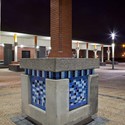
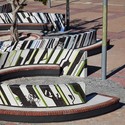

-
Architects: MEYER+VORSTER Architects
https://www.archdaily.com/207007/kuyasa-transport-interchange-meyervorster-architectsVictoria King
ArchiSpel / NOV’82 Architecten
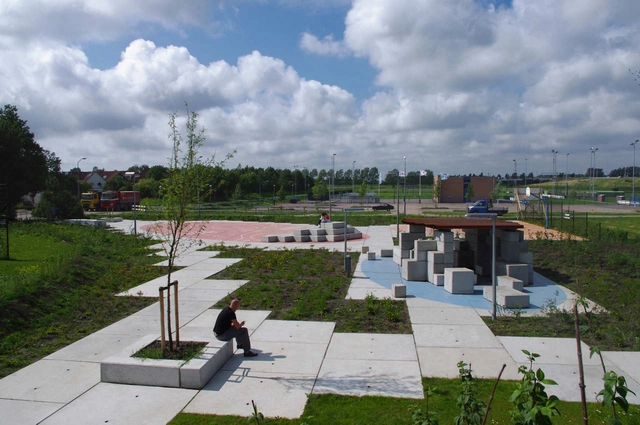

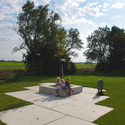
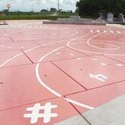
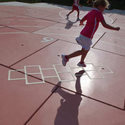

https://www.archdaily.com/206763/archispel-nov%25e2%2580%259982-architectenVictoria King
Reorganization of Pombal Castle's Hill / COMOCO
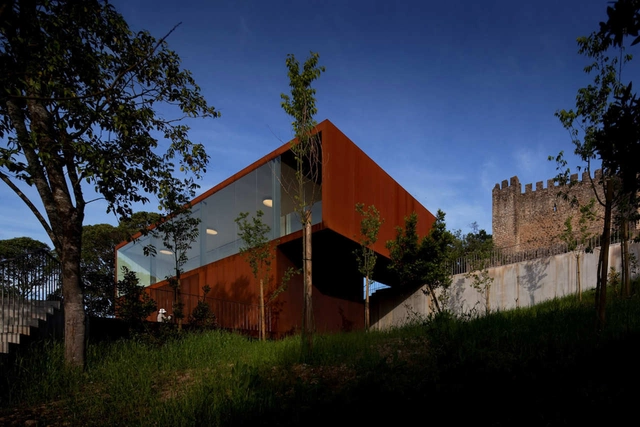
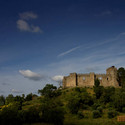
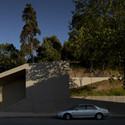
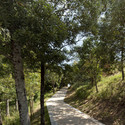
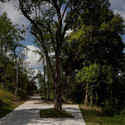

https://www.archdaily.com/205989/castle-of-castelo-novo-comocoKritiana Ross
Quinta Do Vallado Winery / Menos é Mais Arquitectos

Architects: Francisco Vieira de Campos Location: Vilarinho dos Freires, Peso da Régua, Portugal Project Year: 2011 Photographs: Nelson Garrido
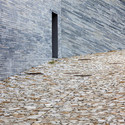
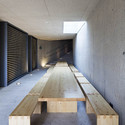
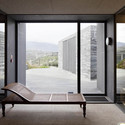
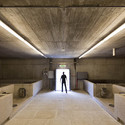

https://www.archdaily.com/205005/quinta-do-vallado-winery-francisco-vieira-de-camposVictoria King
Theresia Bastion / ARCHAEUS
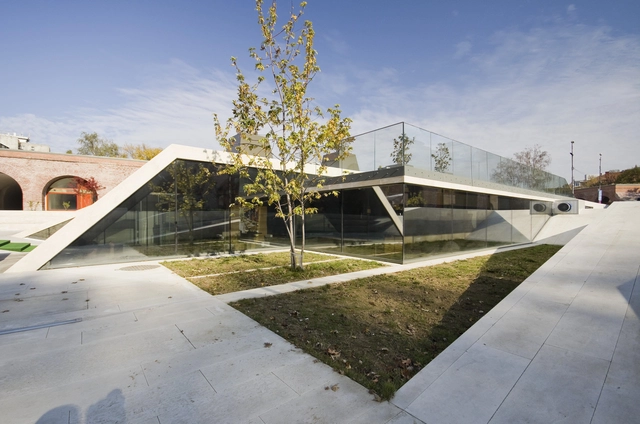

https://www.archdaily.com/204507/theresia-bastion-archaeusVictoria King
Victor Civita Plaza / Levisky Arquitetos Associados
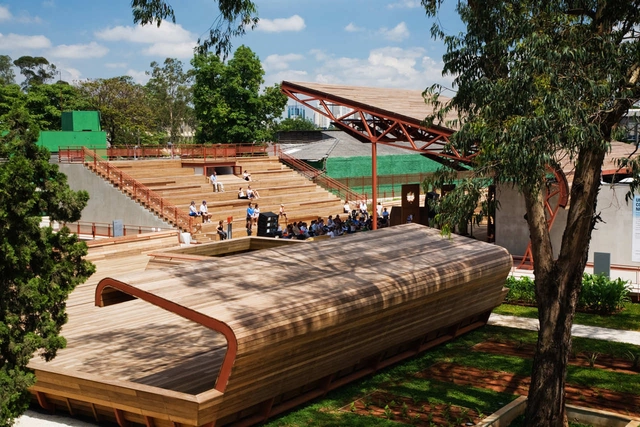


https://www.archdaily.com/199090/victor-civita-plaza-levisky-arquitetos-associadosKritiana Ross
Water Works Park / Sasaki Associates

Sasaki Associates, with RDG Planning & Design and Applied Ecological Services (AES), were recently announced as the winning team of the Water Works Parkitecture Competition. The international design competition entailed the creation of a conceptual plan for Water Works Park to form dynamic relationships between the river, the watershed, and the community. Education and the connection between the river and the community were highly stressed in Sasaki’s winning proposal. More images and architects’ description after the break.
https://www.archdaily.com/203454/water-works-park-sasaki-associatesAlison Furuto
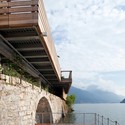
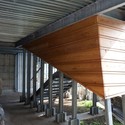
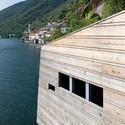
Via Regina Public Garden / Lorenzo Noé Studio Di Architettura



-
Architects: Lorenzo Noé Studio Di Architettura
- Area: 230 m²
- Year: 2010
https://www.archdaily.com/202115/via-regina-public-garden-lorenzo-noe-studio-di-architetturaMegan Jett
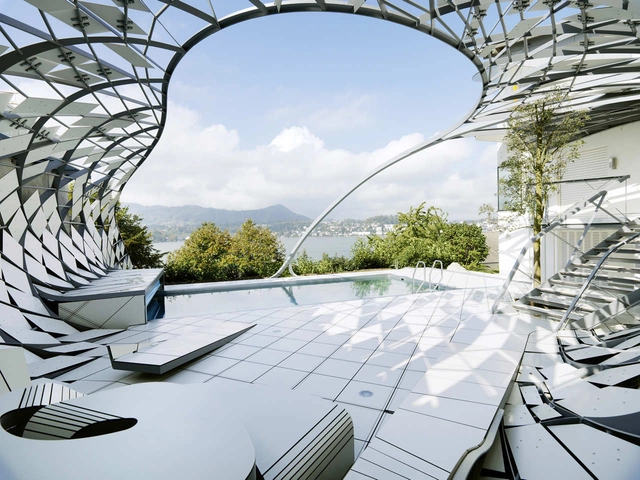
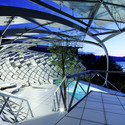
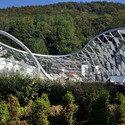
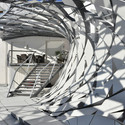
Landscape Fence / Heri & Salli


https://www.archdaily.com/202150/landscape-fence-heri-salliVictoria King