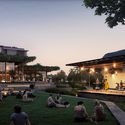
Landezine is calling all offices practicing landscape architecture to submit entries for the third edition of LILA – Landezine International Landscape Award by March 31st, 2018. This year, we have 4 categories and 7 awards.
Videos
Immerse yourself in design this summer on the Berkeley campus!
UC Berkeley's College of Environmental Design is now accepting applications for the 2018 Summer [IN]STITUTE in Environmental Design! The Summer [IN]STITUTE gives participants the opportunity to test their enthusiasm for the material and culture of architecture, landscape architecture and sustainable city planning. The Institute is geared towards post-baccalaureate participants with no previous experience in design, or experienced designers who wish to explore an aspect of environmental design outside of their primary discipline.
An integral and substantial component of TAW 2018, the International Scientific Conference aims at exploring contemporary research activities and design tactics that deal with the topic of co-habitation from different perspectives and within different fields of interest, directly or indirectly related to architecture, city, and landscape. Through the observation of different tactics adopted by researchers and professionals, the hope is to identify new research and design trajectories.
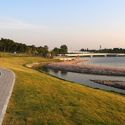
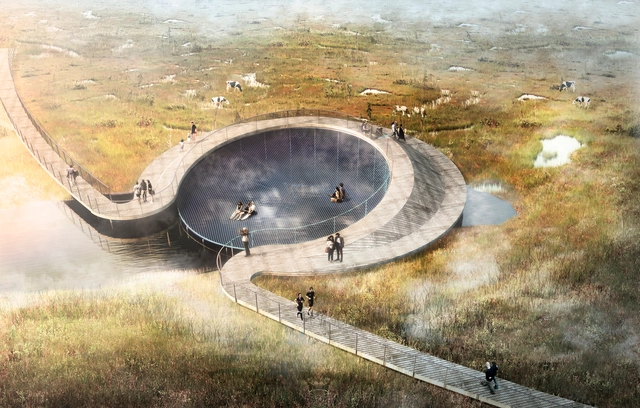
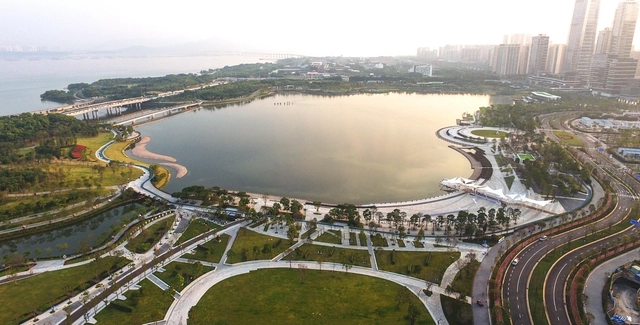
CF Møller’s Storkeengen (Stork Meadow) is a landscape solution, bringing the town of Randers closer to the longest river in Denmark, the Gudenå River to prevent the threat of flooding. The storm protection uses the wetland meadows as an attractive nature park to handle the raised stormwater level, whilst a recreational pathway increases accessibility with the nature areas across the river.
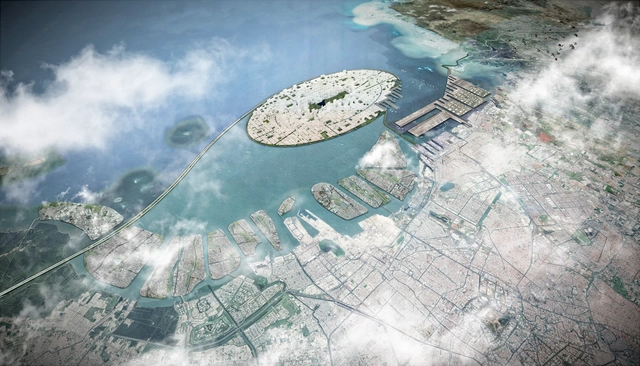
Due to rapid population and economic growth, Indonesia is facing issues such as land subsidence and rising sea levels. To combat these problems and more, SHAU Architects created a master plan for the Jakarta Jaya Foundation focused on large-scale land reclamation to integrate green space. By addressing impending challenges, SHAU Architects proposal, Jakarta Jaya: the Green Manhattan, won a Smart Cities prize at the World Architecture Festival 2017.
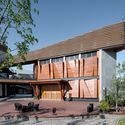
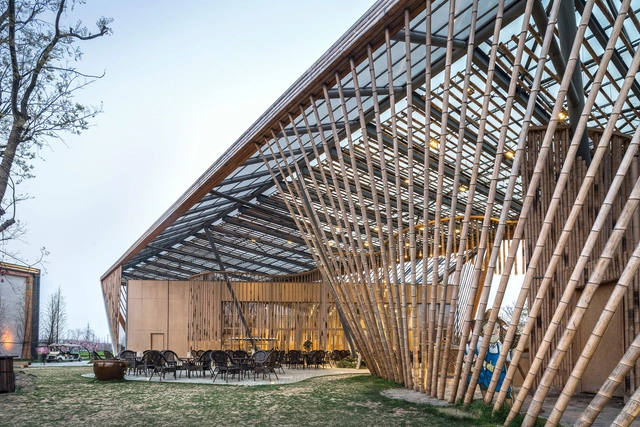
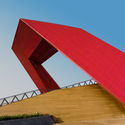
https://www.archdaily.com/884246/tianjin-sino-canadian-ecological-demonstration-zone-exhibition-and-reception-center-ccdi-progressive-atelier罗靖琳 - Jinglin Luo
Concéntrico 04, the International Architecture and Design Festival in Logroño, arose with the intention of prompting reflection on the city through proposals in architecture and design. The latest edition will be held from 27 April to 1 May 2018.
This competition proposes the creation of a temporary architectural intervention at Viña Lanciano at Bodegas LAN. This intervention will form part of other installations and the pavilion, all of which will be set up in different locations throughout the city’s historic downtown.
The convocation encompasses both the design of the intervention and its subsequent construction and disassembly by the winning team.
One of the most important architecture events in 2018 for the architectural society. Open international forum with professional participation of architects and students from all over the world, profiling a panorama of the tendencies and achievements of contemporary world architecture. Participants will discuss the topic “Sustainable Architecture for Sustainable World”, exchange ideas with leading masters of world contemporary architecture and take part in the different sections of “Interarch 2018."
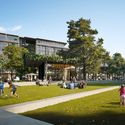
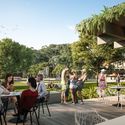
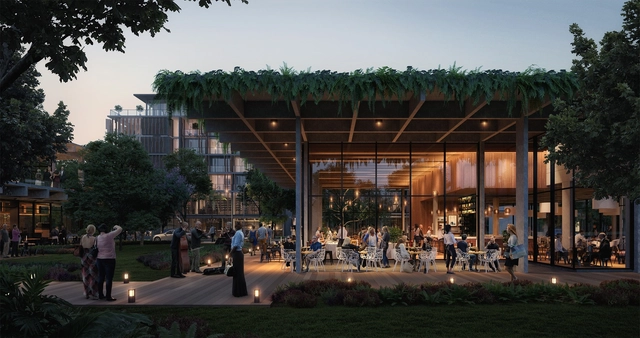
The Sunshine Coast of Australia’s Yaroomba Beach is about to get a $900 million upgrade. The integrated, mixed-use development will be the first 5-star resort developed on the Sunshine Coast in 30 years. HASSELL has been awarded the work as master planners, architects, and landscape architects for the massive project, focusing on sustainable and ecological goals to ‘touch the ground lightly.'
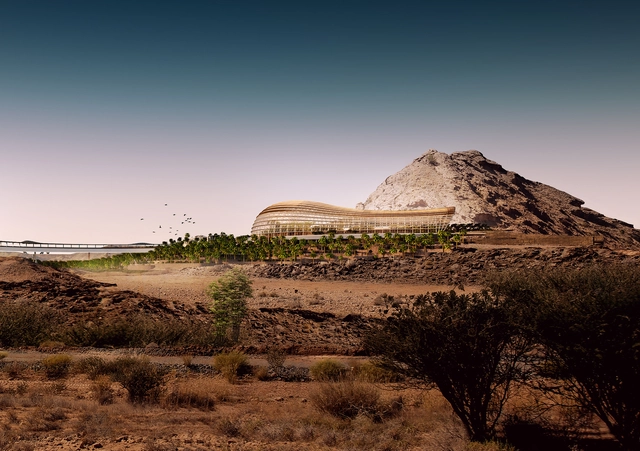
Bold, innovative and set to become the largest botanic garden in the world, images of Oman’s future light-filled oasis in the desert have been revealed. A collaboration between Arup, Grimshaw, and Haley Sharpe Design delivers the architecture, engineering, landscaping, and interpretive design in a scheme of over 420 hectares for the Oman Botanic Garden.




.jpg?1514544693&format=webp&width=640&height=580)



![Call for Submissions / 2018 Summer [IN]STITUTE in Environmental Design - Featured Image](https://snoopy.archdaily.com/images/archdaily/media/images/5a9d/9db2/f197/ccf8/6c00/012c/slideshow/open-uri20180305-14309-k3t69r.jpg?1520278953&format=webp&width=640&height=580)






.jpg?1514544376 "Courtesy of GOA")
.jpg?1514544460 "Courtesy of GOA")
.jpg?1514544496 "Courtesy of GOA")
.jpg?1514544342 "Courtesy of GOA")
.jpg?1514544693)