


Lagoon: The Latest Architecture and News


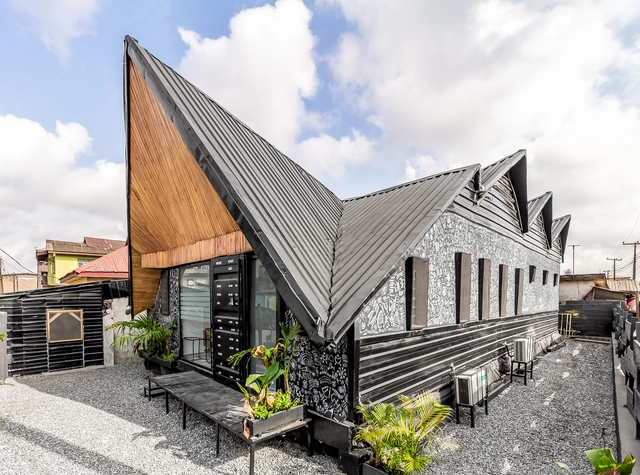
Studio Inkline / INKLINE Design Studio



-
Architects: INKLINE Design Studio
- Area: 232 m²
- Year: 2019
-
Manufacturers: AutoDesk, Berger Paints, First Aluminum, Ikini, Nigerite Limited
-
Professionals: INKLINE Design Studio
https://www.archdaily.com/937027/studio-inkline-inkline-design-studioHana Abdel
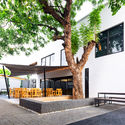
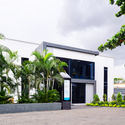
Softcom Head Office / Micdee Designs




-
Architects: Micdee Designs
- Area: 768 m²
- Year: 2019
-
Manufacturers: Floorkraft, Forte Oil, Glass.ng, Hausba Smarthomes, Precise Lighting, +3
-
Professionals: Azbell Engineering, Landever
https://www.archdaily.com/935317/softcom-head-office-micdee-designsHana Abdel
Major Cities Face High Risk of Flooding According to a Goldman Sachs Report
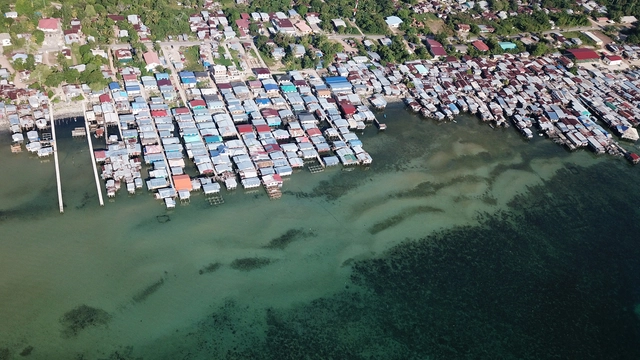
Goldman Sachs has released a report on the effects of climate change on cities across the world. The study explored the major changes that will transform the planet and highlighted several metropolises that will be at risk of flooding.
https://www.archdaily.com/930963/major-cities-face-high-risk-of-flooding-according-to-a-goldman-sachs-reportChristele Harrouk
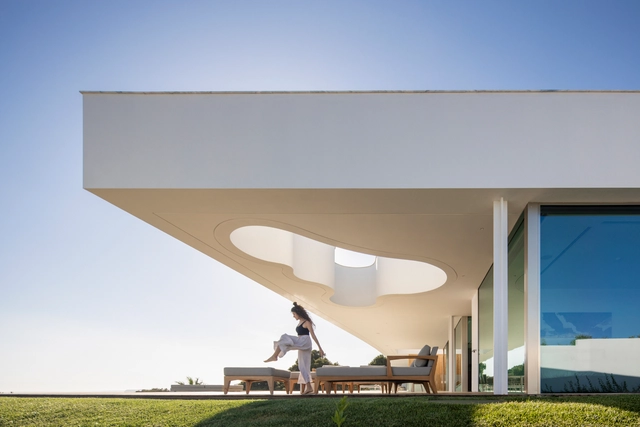
LuxMare Houses / Mário Martins Atelier
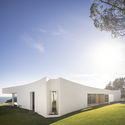
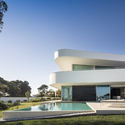

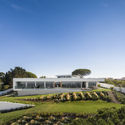

-
Architects: Mário Martins Atelier
- Year: 2019
-
Manufacturers: Reynaers Aluminium, Grohe, Astralpool, Barbot, Cristalmax, +11
https://www.archdaily.com/924606/luxmare-houses-mario-martins-atelierPilar Caballero
Villa Pernoi / Mário Martins Atelier
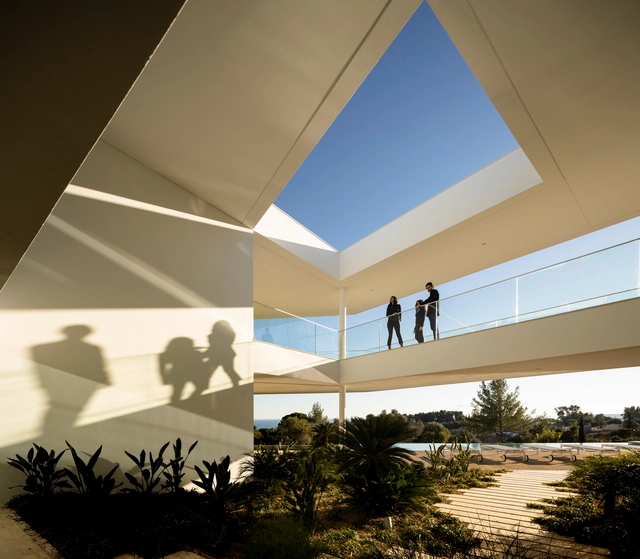
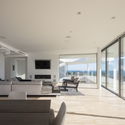
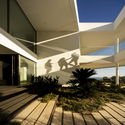



-
Architects: Mário Martins Atelier
- Year: 2019
-
Manufacturers: Reynaers Aluminium, Grohe, Saint-Gobain, Barbot, Baxi, +7
https://www.archdaily.com/922730/villa-pernoi-mario-martins-atelierDaniel Tapia
Sencillo Beach House / Oshinowo Studio



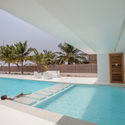
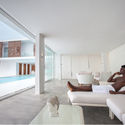

https://www.archdaily.com/912677/sencillo-beach-house-cmdesign-atelierPilar Caballero
SOM Breaks Ground on Alárò City in Nigeria
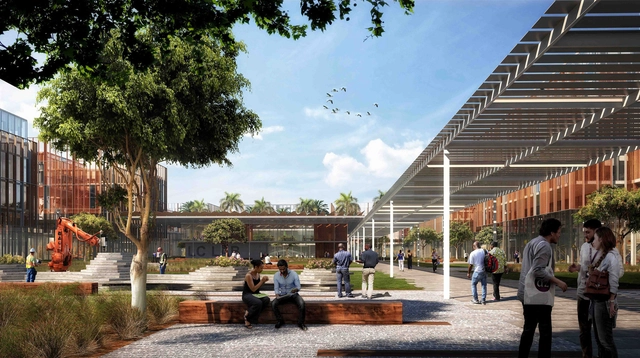
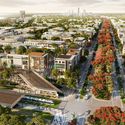
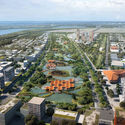
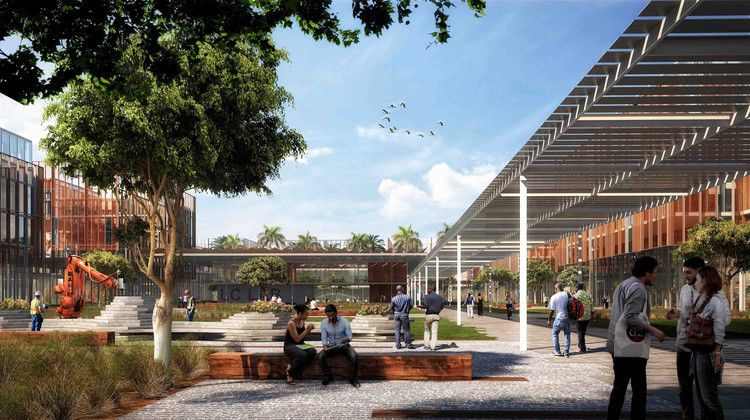
Skidmore, Owings & Merrill have broken ground on Alárò City, a new masterplan development that will connect to Lagos in southwest Nigeria. The mixed-use model community will feature an international trade gateway with a new seaport and airport. Designed for the Lagos State Government and Africa’s largest urban developer Rendeavour, the project is made to boost foreign direct investment to create an economic and cultural hub for West Africa.
https://www.archdaily.com/910999/som-breaks-ground-on-alaro-city-in-nigeriaEric Baldwin
Competition-Winning Ideas for Multi-Purpose Stadiums on Former Lagos Landfill
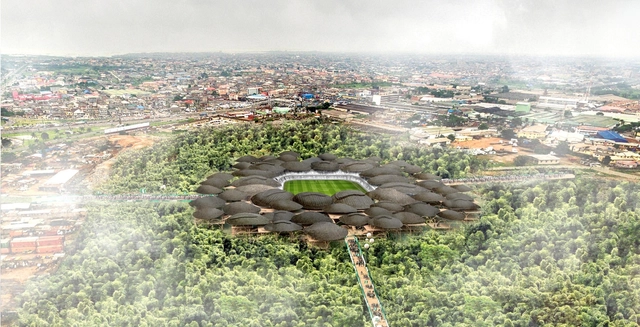
Architecture research initiative “arch out loud” has announced the winners of their “Waste: Multi-Purpose Stadium” competition, asking participants to speculate on the design of a multi-purpose stadium at the former Olusosun Landfill in Lagos, Nigeria.
The competition was organized in response to the fact that the world creates more than a billion tons of garbage per year, most of which is incinerated, buried, and explored to landfills. As populations and major cities expand, so too must our “ability to reverse wasteful tendencies and begin living more efficiently and sustainably.”
https://www.archdaily.com/910049/competition-winning-ideas-for-multi-purpose-stadiums-on-former-lagos-landfillNiall Patrick Walsh
A Deep Dive Into the Sad Story of the Makoko Floating School

Within a week of its successor being awarded the Silver Lion at the 2016 Venice Biennale, the original Makoko Floating School collapsed. Designed by Nigerian architect Kunlé Adeyemi of NLÉ Architects, the school was located in the Lagos Lagoon in Nigeria. Now, almost two years later, Lagos-based writer Allyn Gaestel has investigated the vulnerable coastal community and architect behind the project in a remarkable narrative nonfiction piece, "Things Fall Apart."
https://www.archdaily.com/890330/a-deep-dive-into-the-sad-story-of-the-makoko-floating-schoolLindsey Leardi
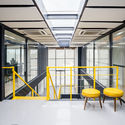
Africa Fintech Foundry Headquarters / MOE+ Art Architecture



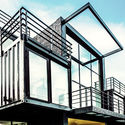
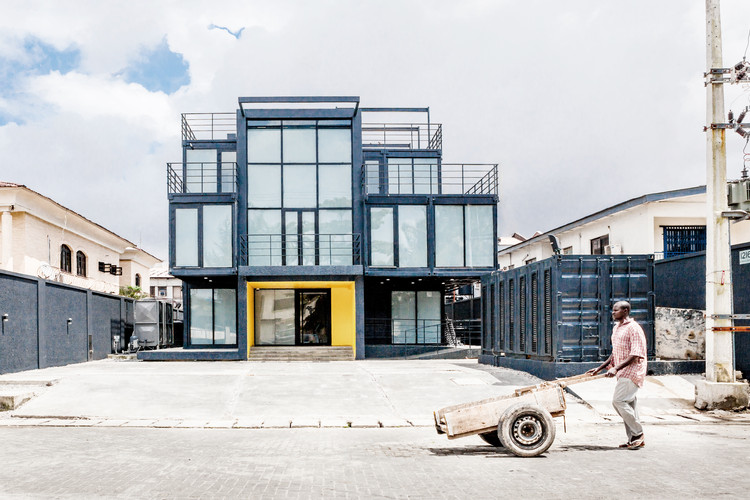
https://www.archdaily.com/882801/africa-fintech-foundry-headquarters-moe-plus-art-architectureRayen Sagredo
The Tragic Human Cost of Africa's New Megacities
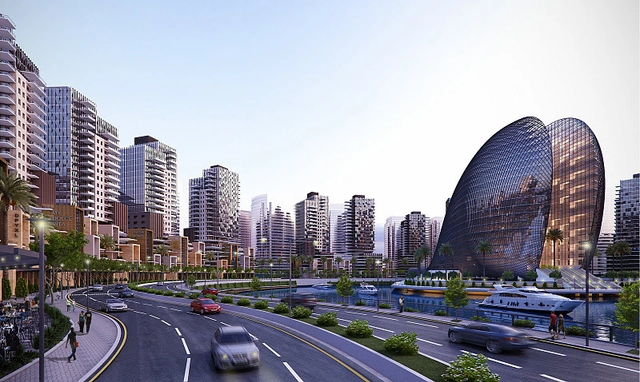
This article was originally published by Common Edge as "Tale of Two Cities: Unravelling the Brutal Backstory Behind Africa’s Emerging Megacities."
In the last two decades, the African narrative has changed phenomenally. The tired, age-old storyline—largely woven around the stereotypes of poverty, disease, and bloody civil wars—has been replaced with one celebrating the continent’s unprecedented economic growth and relative political stability. This new narrative is also about Africa’s gleaming skyscrapers, massive shopping malls, and ambitious “smart” cities being designed and built from scratch: Ebene Cyber City in Mauritius; Konza Technology City in Kenya; Safari City in Tanzania; Le Cite du Fleuve in DR Congo; Eko Atlantic in Nigeria; Appolonia City in Ghana, and others.
There are currently at least twenty of these new cities under construction in Africa and about twice that number in the works. These developments have permanently altered the continent’s urban outlook, and have offered it something different from the bland pastiche of colonial architecture that it was once known for. As a designer, I was initially excited by the quality of some of the architecture. Though I must admit that these new cities are eerie mimicries of similar developments in China, Singapore and even the UAE, and that they’re largely bereft of any cultural connection to Africa.

https://www.archdaily.com/872025/the-tragic-human-cost-of-africas-new-megacitiesRory Stott
The World's Most Creative Neighborhoods: Metropolis Names Mumbai, Lagos and Lisbon Among Top Ten
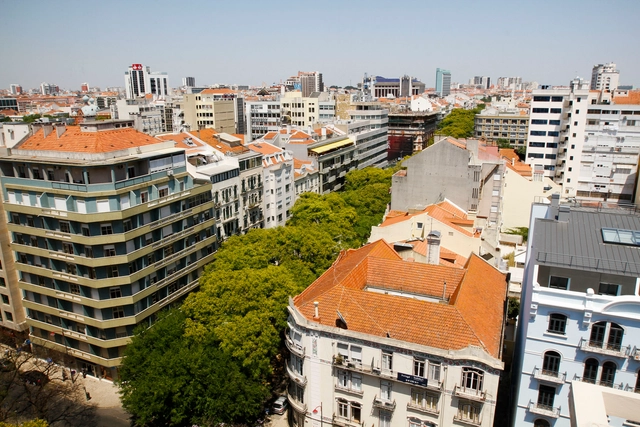
From Yaba in Lagos to the suburb of Bandra in Mumbai, Metropolis Magazine provides a scenic tour around the world’s “most creative” neighborhoods. Spread across ten rapidly growing cities like Cape Town and Turin, the article provides a comprehensive glimpse into these lesser discussed hubs of creativity.

https://www.archdaily.com/796055/the-worlds-most-creative-neighborhoods-metropolis-names-mumbai-lagos-and-lisbon-among-top-tenSharon Lam
NLÉ's Makoko Floating School Reportedly Collapses Due to Heavy Rain
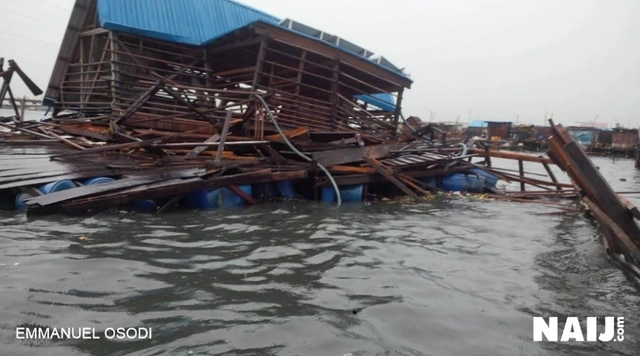
As reported by Nigerian news website NAIJ.com, the celebrated Makoko Floating School, designed by Nigerian architect Kunlé Adeyemi of NLÉ, has collapsed after heavy rain battered the city of Lagos. Photographs show the roof of the school still largely in tact, but sitting directly on top of the building's floating base of 256 plastic drums, as the lower levels and supporting structure appear to have failed completely.
This article has since been updated (June 8 2016) with a statement from NLÉ.
https://www.archdaily.com/789044/nles-makoko-floating-school-reportedly-collapses-due-to-heavy-rainAD Editorial Team
Toronto Takes Top Spot in Metropolis Magazine's Livable Cities Ranking
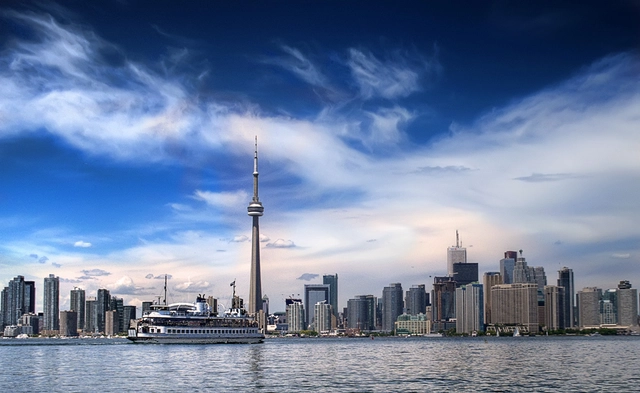
How do you compare cities? It's difficult to collapse millions of individual subjective experiences into a single method of comparison, but one popular technique used in recent years has been to judge a city's "livability." But what does this word actually mean? In their 2015 ranking of the world's most livable cities, Metropolis Magazine has gathered together a group of experts on city planning, urban life, tourism and architecture to break down "livability" into the categories they think matter and draw upon Metropolis' considerable urban coverage to produce one of the most thorough attempts to rank world series yet attempted. Find out the results after the break.

https://www.archdaily.com/771828/metropolis-magazine-ranks-the-worlds-most-liveable-citiesDario Goodwin
From Prisons to Parks: How the US Can Capitalize On Its Declining Prison Populations
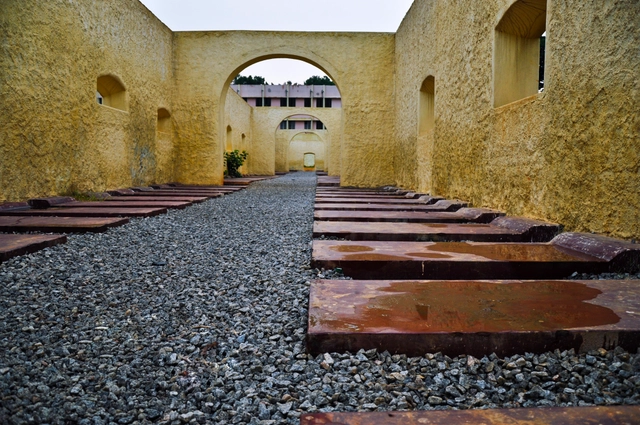
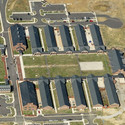
Prisons are often seen as problematic for their local communities. After centuries of correctional facilities discouraging economic growth and occupying valuable real estate as a necessary component of towns and cities, many of these institutions have been relocated away from city centers and their abandoned vestiges are left as unpleasant reminders of their former use. In fact, the majority of prisons built in the United States since 1980 have been placed in non-metropolitan areas and once served as a substantial economic development strategy in depressed rural communities. [1] However, a new pressure is about to emerge on the US prison systems: beginning in 2010, America's prison population declined for the first time in decades, suggesting that in the near future repurposing these structures will become a particularly relevant endeavor for both community development and economic sustainability. These abandoned shells offer architects valuable opportunities to reimagine programmatic functions and transform an otherwise problematic location into an integral neighborhood space.
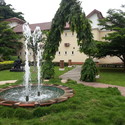
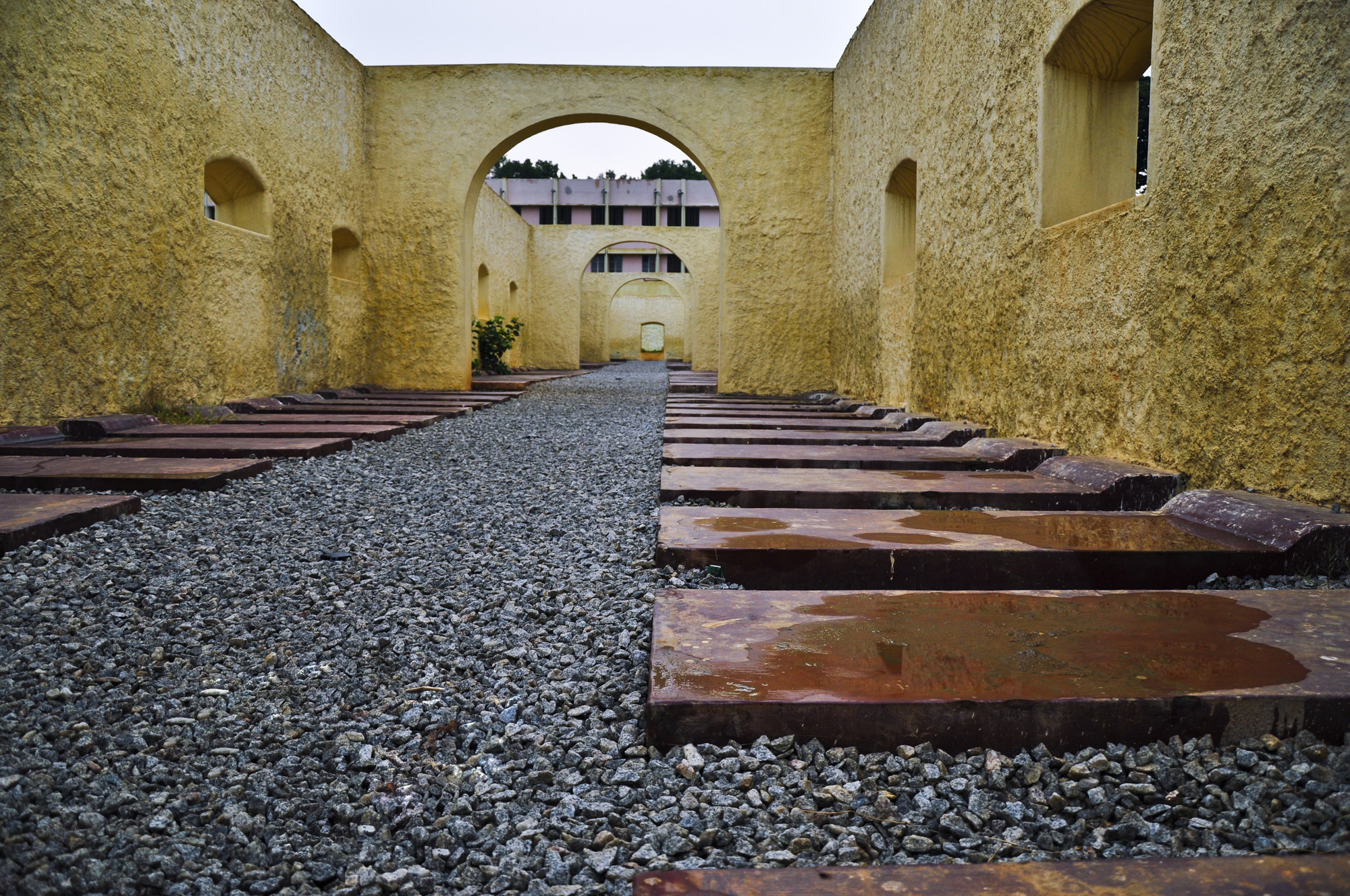
Why repurpose prisons rather than starting fresh? The answer to this question lies in the inherent architectural features of the prison typology, namely the fact that these structures are built to last. People also often forget that prison buildings are not limited to low-rise secure housing units - in fact, prisons feature an array of spaces that have great potential for reuse including buildings for light industrial activity, training or office buildings, low-security housing, and large outdoor spaces. These elements offer a wide variety of real estate for new programmatic uses, and cities around the world have begun to discover their potential. What could the US learn from these examples, at home and overseas?

https://www.archdaily.com/623293/from-prisons-to-parks-how-the-us-can-capitalize-on-its-declining-prison-populationsEvan Rawn