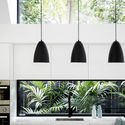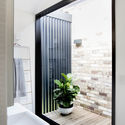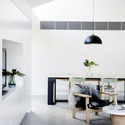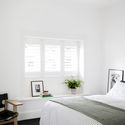

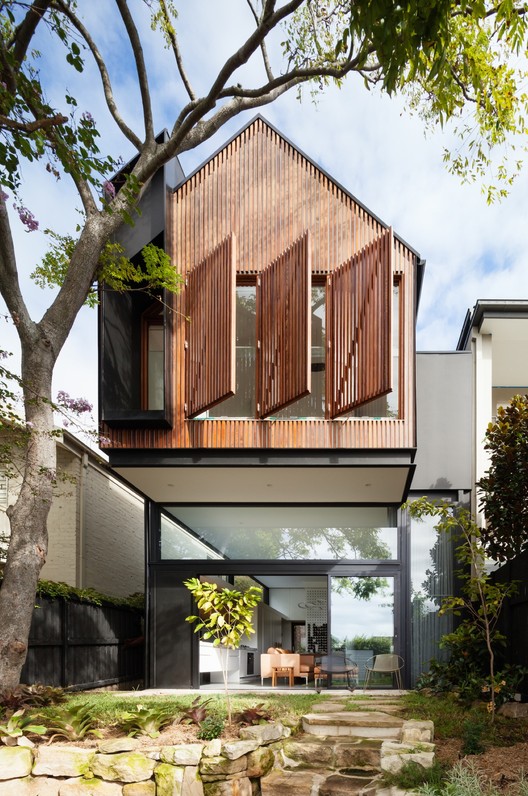
-
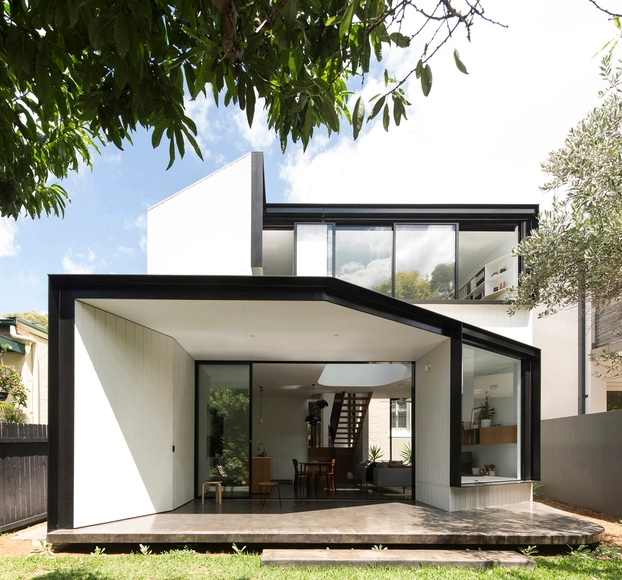
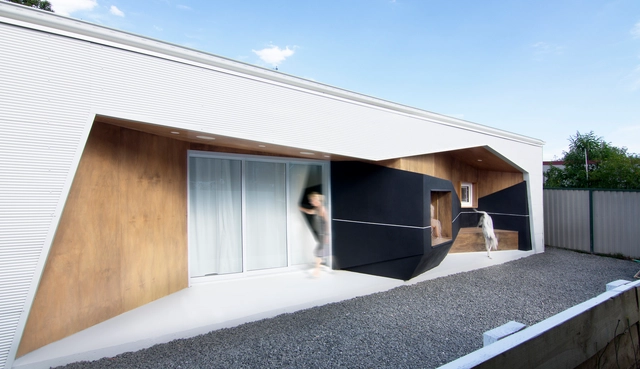
Architects: Day Bukh Architects
- Area: 150 m²
- Year: 2016
-
Manufacturers: James Hardie Australia, AWS, International Floor Coverings, James Hardie



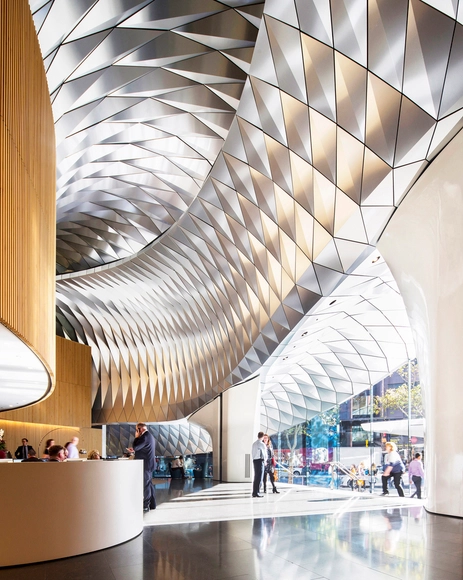
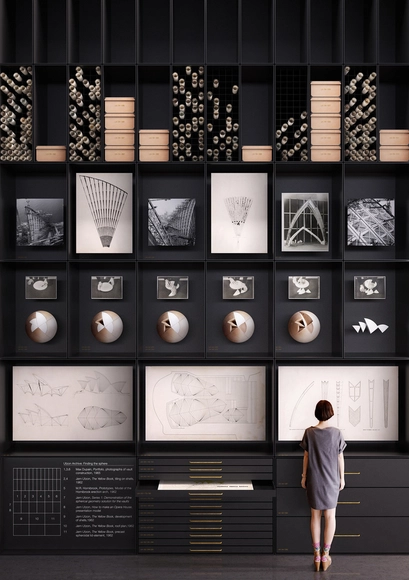
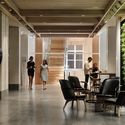
TRIAS has created a speculative museum proposal for the MA | UA (Museum of Architecture | Utzon Archive), a permanent exhibition space for Danish architect Jørn Utzon’s archive in Sydney, Australia.
Jørn Utzon’s archive is buried in boxes and basements across Sydney. This rich body of knowledge—of original drawings, prototypes, photographs and models—is a valuable public resource, alive with thoughts and experiments. Yet, it remains inaccessible and intangible to most.
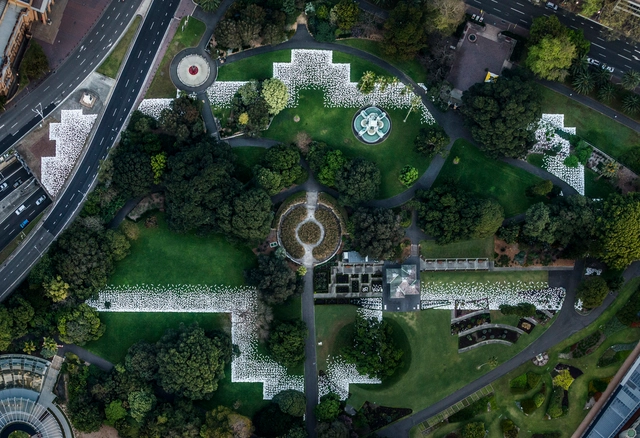
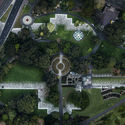
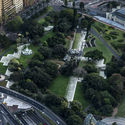
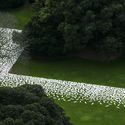
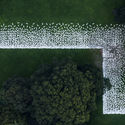
Kaldor Public Art Projects, in collaboration with artist Jonathan Jones, has created barrangal dyara (skin and bones), the first Kaldor Public Art project to be produced together with an Aboriginal artist in the Royal Botanic Garden of Sydney, Australia. Inspired by the history of the 19th century Garden Palace building, which originally stood in the Royal Botanic Garden from 1879 to 1882 before burning to the ground, the artwork marks the original footprint of the building with a sculptural installation of 15,000 white shields spanning 20,000 square meters.
Where the Garden Palace’s dome once crowned the city, a dynamic meadow of kangaroo grass now disrupts the garden’s formal European design.
Eight Aboriginal language soundscapes, which were developed with communities throughout south-east Australia, are installed throughout the site.
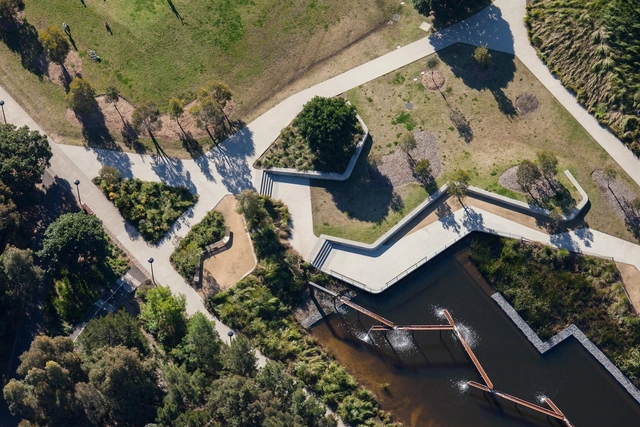
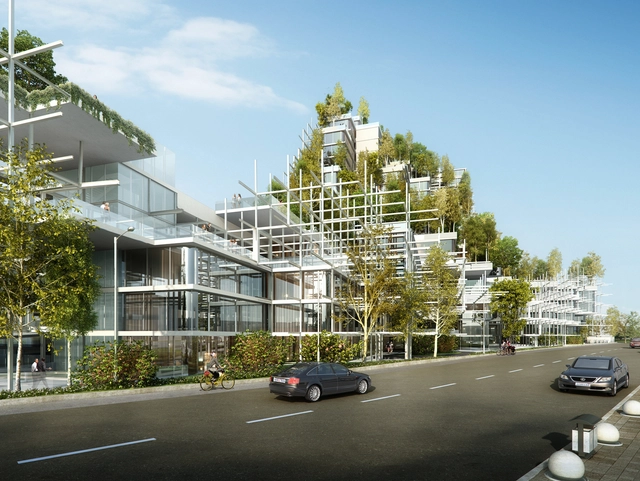
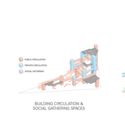
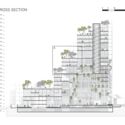
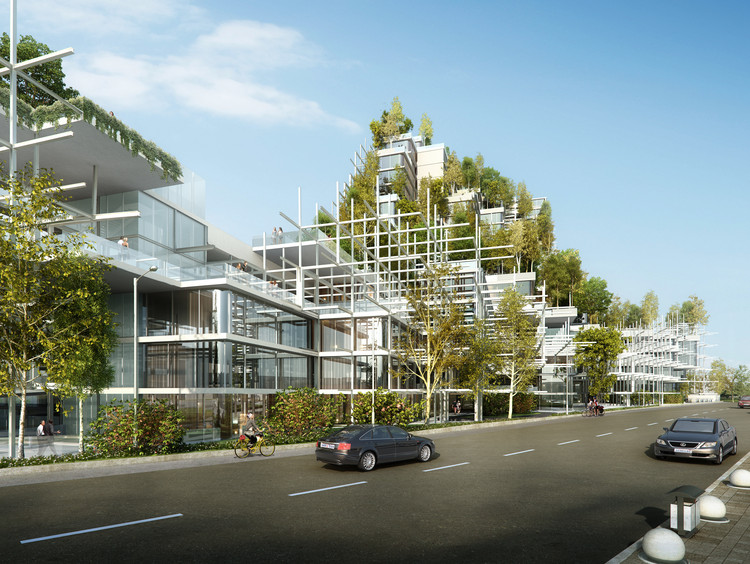
New-York-based studio Architensions has released the design for its shortlisted project, Rising Ryde, for the Ryde Civic Center in Sydney, Australia. In an effort to embrace local communities and contexts, the project is conceived as a hill-shaped building covered in local vegetation and it aims to prioritize people through its complex system of social connections and interactions with nature.

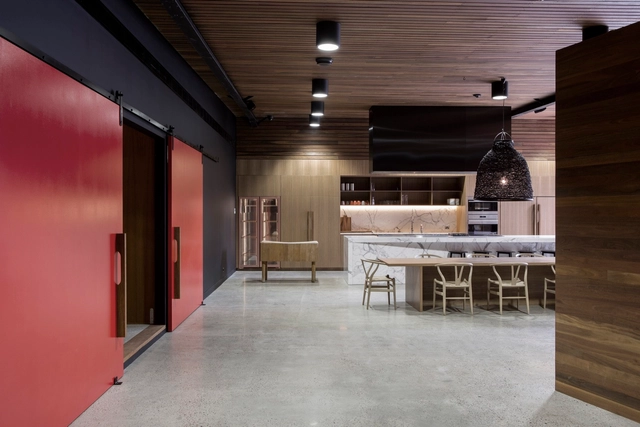
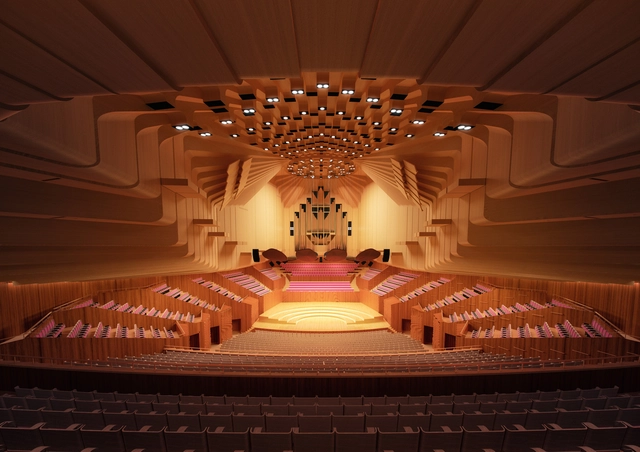
The Sydney Opera House has revealed designs for a $202 million renovation project, the largest upgrade program to the Jørn Utzon-designed building since it opened in 1973. Announced by New South Wales Deputy Premier and Minister for the Arts, Troy Grant, the project’s main goal is to “improve access and ensure it meets the needs and expectations of audiences, artists and the 8.2 million people who visit each year.”
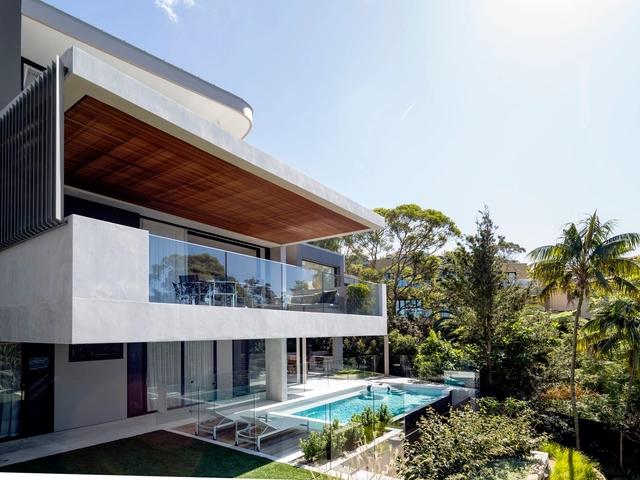
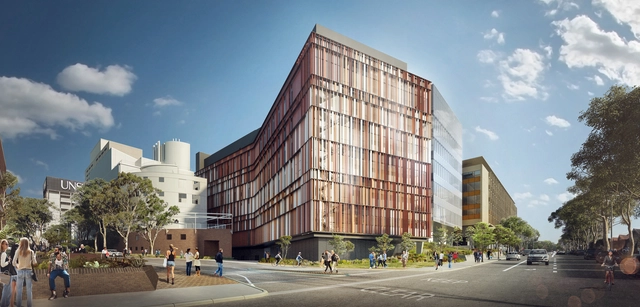
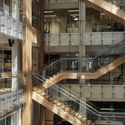
Woods Bagot has revealed designs for the new Biological Sciences building at the University of New South Wales (UNSW Australia). Currently under construction, the 21,000 square meter (226,000 square foot) building will provide world-class facilities for UNSW biomedical and environmental researchers and create a new northern gateway for the university’s upper campus.
In the design process, Woods Bagot explored a series of iterative responses aimed at dividing the eight-story structure into three distinct elements: the laboratory box, the workplace box, and the atrium. The building skin takes inspiration from natural elements, such as the movements of a butterfly and the colors of Australian rock landscapes, to produce a distinct aesthetic for the Biomedical Precinct, as well as reference the terra cotta heritage on the university grounds.