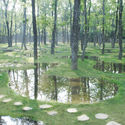
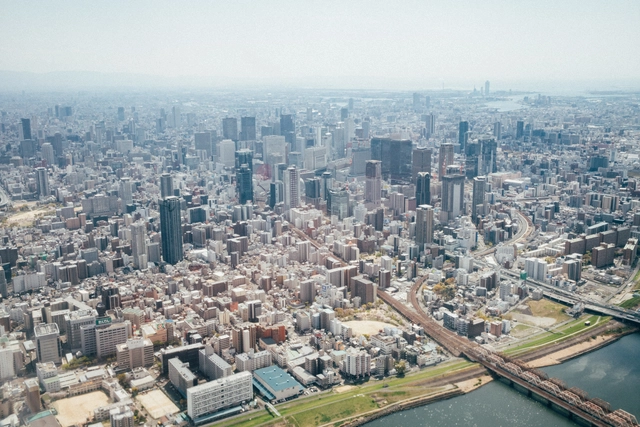
Osaka, Japan's third-largest city, is a vibrant blend of tradition and modernity, making it a compelling destination for architecture enthusiasts. Known historically as the "nation's kitchen" for its role as a mercantile hub, Osaka is also a city of cultural and architectural diversity. Its landmarks range from the historic Osaka Castle to striking contemporary developments, each reflecting Japan's evolving urban identity.
As the host city for the highly anticipated Expo 2025, Osaka is poised to showcase its architectural prowess on a global stage. The city's skyline features innovative works by renowned architects and urban planners, including cutting-edge cultural centers, transportation hubs, and waterfront redevelopments. With contributions from celebrated Japanese architects such as Tadao Ando, Kengo Kuma & Associates, and Takenaka Corporation, alongside international figures like Dominique Perrault, Renzo Piano Building Workshop, and Pelli Clarke & Partners, Osaka seamlessly blends modernity with tradition, creating a unique architectural identity that reflects its past while looking boldly to the future.
In my 2008 interview with Kengo Kuma in Manhattan—the Tokyo-based architect was in town for a lecture at Cooper Union and to oversee the construction of a house renovation in nearby Connecticut— he summarized the intention of his work for me, "The closest image to the kind of architecture I try to achieve is a rainbow." The architect designs his buildings as a chef would prepare a salad or a florist arrange a bouquet of flowers—by carefully selecting ingredients according to their size, shape, and texture. He then tests whether they should touch, overlap, or keep a distance to let the airflow pass through. The process is closer to a trial-and-error scientific experiment rather than an artistic exercise in projecting visionary forms and images. Although his buildings surely look strikingly artistic and utterly breathtaking. They are both precise and loose, primitive and refined, material and transient. The architect's fascination with materiality is startling, and despite having completed many dozens of buildings all over the world over the course of his distinctive career, in our conversation last month over Zoom, Kuma told me, "I stand at the beginning of a long process of material exploration."
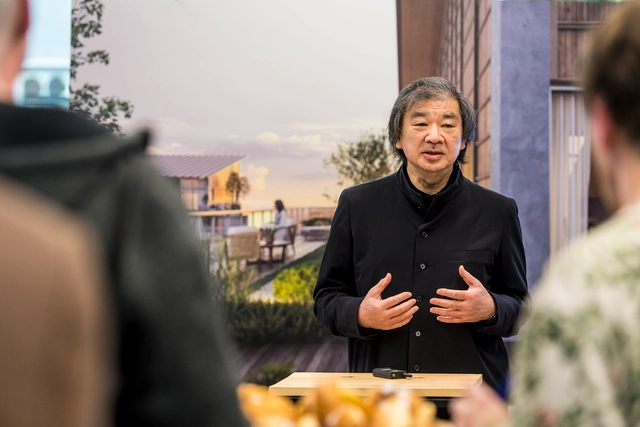
Japanese architect and humanitarian Shigeru Ban has been named the 35th Laureate of the Praemium Imperiale Award for Architecture. Established in 1988 by the Japan Art Association, the annual award seeks to recognize exceptional achievements in Painting, Sculpture, Architecture, Music, and Theatre/Film. Shigeru Ban's contributions to architecture have been significant, not only for the distinctive design aesthetics but also for the innovative use of materials, particularly in the context of emergency interventions and humanitarian work.
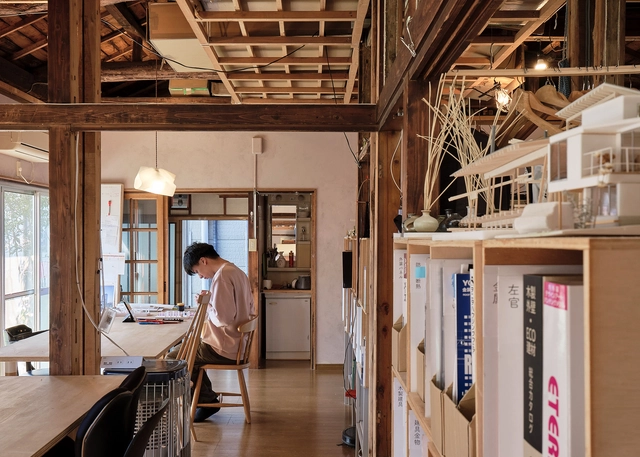
The photographs reveal snippets of everyday life in these studios. While not all of the buildings were designed by their occupying architecture studios, each office has added a personal touch to their space, aligning them with their internal culture and traditions. One such example is Tato Architects, for whom the kitchen has become an important gathering space, as they take turns preparing lunch for each other and eating together is a significant part of their office story.
Last week, Japanese architect and social advocate Riken Yamamoto was announced as the 2024 Pritzker Architecture Prize Laureate, becoming the 9th Japanese architect honored with the profession's most prestigious award. Throughout the 45-year history of the Pritzker Prize, Japan stands out as the nation with the highest number of laureates. While geography is not a criterion in the selection of the laureates, Japanese architecture consistently impresses with its interplay of light and shadow, the careful composition of spaces, soft transitions between interior and exterior, and attention to detail and materiality. An ingrained culture of building also celebrates diverse designs and encourages global dialogue and the exchange of ideas and best practices. Read on to rediscover the 9 Japanese Pritzker laureates and glimpse into their body of work.
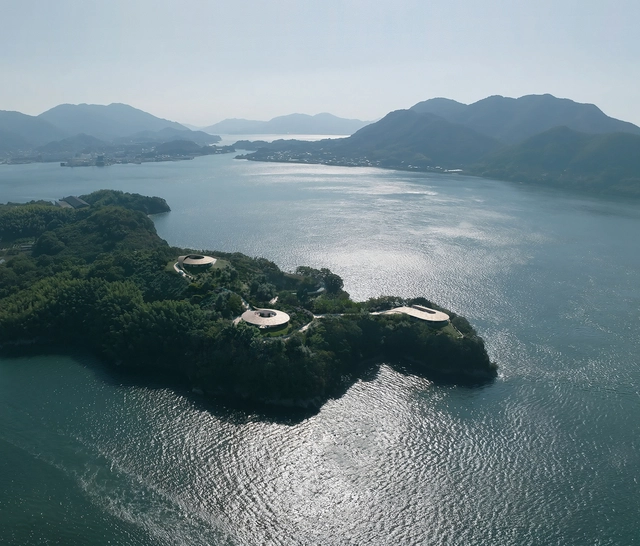
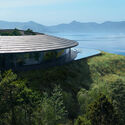
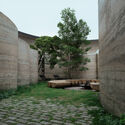
BIG has released sneak peek images into their “Not A Hotel Setouchi” project in Japan. The scheme draws inspiration from the surrounding beauty and Japanese landscape artworks, situated in the southwest cape of Sagi Island, overlooking the Seto Inland Sea. Consisting of three distinct holiday villas, Not A Hotel aims to blend Japanese and Danish architectural influences.
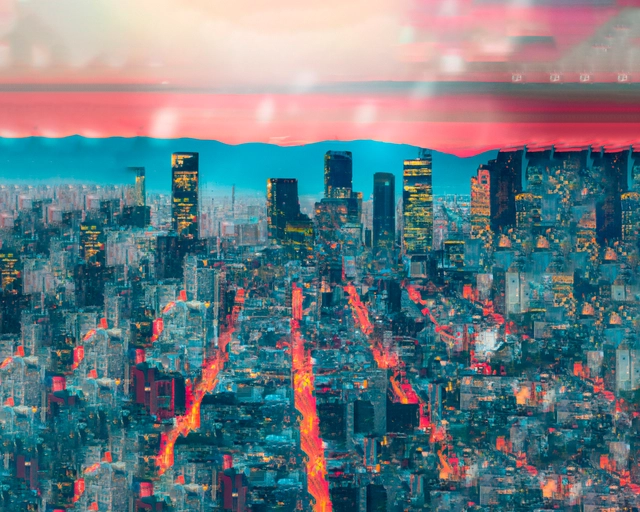
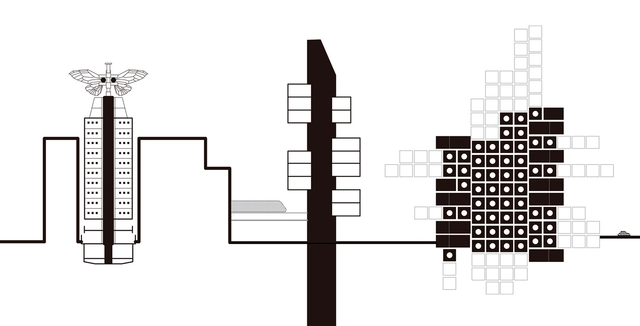
Image created using AI under the prompt: A sober and captivating visual representation of an urban environment that flawlessly captures the essence of anime and architecture. Image via DALL·E 2
World War II left a profound influence on the evolution of society, introducing significant changes in the fields of urban planning and architecture. During the 1930s, the Congrès Internationaux d'Architecture Moderne (CIAM) promoted modernism on an international scale. After the war, this architectural movement became firmly established as the dominant one, driven by the imperative of reconstruction and technological advancements. Influential figures like Le Corbusier and Alvar Aalto spearheaded this movement.
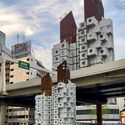
In 1959, the same year as the final CIAM meeting, Japanese architects like Kenzō Tange, Kishō Kurokawa —the designer of the Nakagin Capsule Tower—, and Kiyonori Kikutake began to explore new approaches to urban design and architecture, known as the Metabolist movement. This exploration was particularly significant in the context of Tokyo's rapid repopulation after the war and the scarcity of resources for reconstruction. Innovative concepts such as Marine City, The City in the Air, and the 1960 plan for Tokyo emerged, which proposed the city as a constantly evolving organism and emphasized the relationship between humans and their built environment. These ideas shaped the concept of "megacities" and reflected Japan's creative response to its challenging postwar situation.
https://www.archdaily.com/1007021/textures-skyscrapers-and-urban-landscapes-when-anime-meets-architectureEnrique Tovar
Visionary architect Raymond Moriyama, co-founder of Moriyama Teshima Architects and the designer behind some of Canada’s most influential buildings, has passed away at the age of 93. Renowned for designing major buildings across the world, including the Canadian War Museum, Ontario Science Center and the Canadian Embassy in Tokyo, Moriyama focused on creating humane buildings reflecting ideals of democracy, equality, and inclusivity. Moriyama passed away on September 1st, 2023, according to a statement from his firm, Moriyama & Teshima Architects.
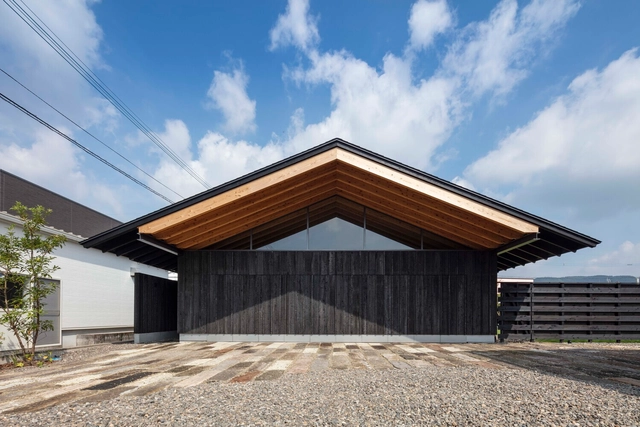
Ancestral, vernacular, minimalist and harmonious. For many, these words have come to define the architecture of Japan, a country that has long served as a source of cultural and technological inspiration for countless societies worldwide. Popular Japanese techniques have reached even the most remote corners of the globe, gaining traction across various fields that range from technical craftsmanship to digital innovation. Within the realm of architecture, the appropriation and reinvention of various materials and construction systems –such as the use of carbonized wood in facades– has been an enduring theme.
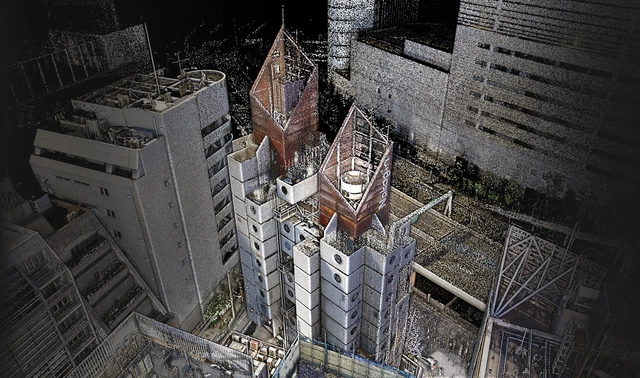
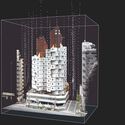
Japanese digital consultancy Gluon plans to preserve the Nakagin Capsule Tower Building in Tokyo, one of the most representative examples of Japanese Metabolism by Kisho Kurokawa. The “3D Digital Archive Project” is using a combination of measurement techniques to record the iconic building in three dimensions and recreate it in the metaverse. The tower is currently being demolished due to the structure's precarious state and incompatibility with current seismic standards, as well as the general state of decay and lack of maintenance.
June is the month in which the day of Japanese immigration is celebrated in Brazil, a country that has the largest Japanese colony outside Japan, with more than 2 million people, Japanese or descendants. Since the 20th century, Japanese families immigrated to Brazilian rural regions, forming a solid colony in the interior of states like São Paulo, influencing many aspects of the local culture.
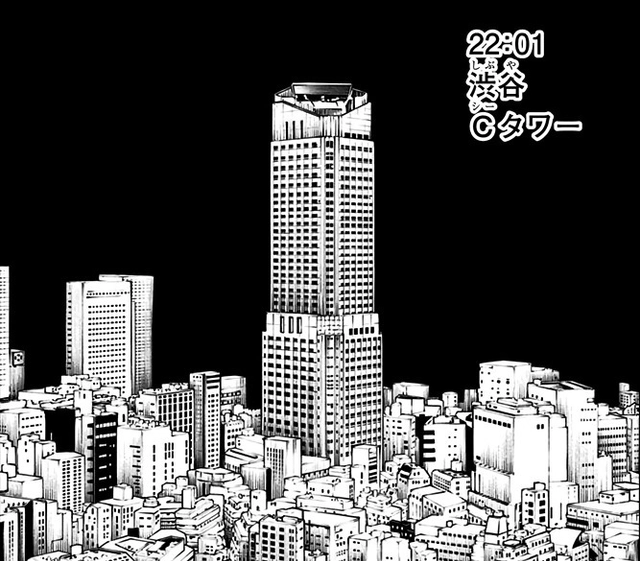
Manga is an umbrella term for a wide variety of comic books and graphic novels originally produced and published in Japan, and unlike western comic books that we may be more familiar with seeing printed in full color, are primarily published in black and white. Manga is the Japanese word for comics published in Japan, with the word itself comprising of two kanji characters: man (漫) meaning 'whimsical' and ga (画) meaning 'pictures'.
Not to be confused with the popular Japanese medium of anime, manga is print media whilst anime stands as visual media that is either hand-drawn or computer-produced, combining graphic art, characterization, cinematography, and other forms of creative and individualistic techniques. It is most notable that a lot of anime is developed as a result of a successful franchise that began as mere manga novels, but what continually unites the medium of manga and anime is the use of diverse art styles throughout various narratives that have been constructed for us consumers to follow.
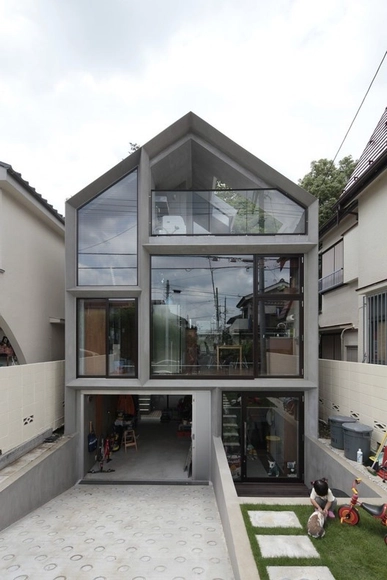
It is often times that when living in Japan, whether you're occupying a shared house or renting out your own apartment, you'll find yourself having a limited amount of space to work with. This primarily stems from land scarcity within the country, with 73% of the land available to us being considered mountainous, with another large percentage of the country's flat land serving as farmland and a means for agricultural purposes. There is also the issue surrounding overcrowding within Japan's urban areas. Due to these factors, inflation amongst properties is rife, thus, resulting in many residents turning to small dwellings.
In most countries around the world, value is placed on older buildings. There’s something about the history, originality, and charm of an older home that causes their value to sometimes be higher than newly constructed projects. But in Japan, the opposite is almost always the preference. Newly-built homes are the crux of a housing market where homes are almost never sold and the obsession with razing and rebuilding is as much a cultural thing as it is a safety concern, bringing 30-year-old homes to a valueless market.
‘’In the background there is still invisible Japanese tradition’’, expresses Kisho Kurokawa, in an excerpt from the film ‘Kochuu’. He puts an emphasis on Japanese tradition, an architectural tradition that rejects symmetry despite the utilization of high-tech. He contemplates the Nakagin capsule tower (1972) a mixed-use residential and office tower located in Tokyo, Japan. The first of capsule architecture built for practical and permanent use.
Jesper Wachtmeister’s‘Kochuu’ is based upon the influence and origins of Modernist Japanese architecture. Through visions of the future, tradition and nature, it amplifies elements of Japanese tradition and its impact on Nordic design. The narrative tells us of how contemporary Japanese architects strive to unite the ways of modern man with old philosophies to create anew.
Videos
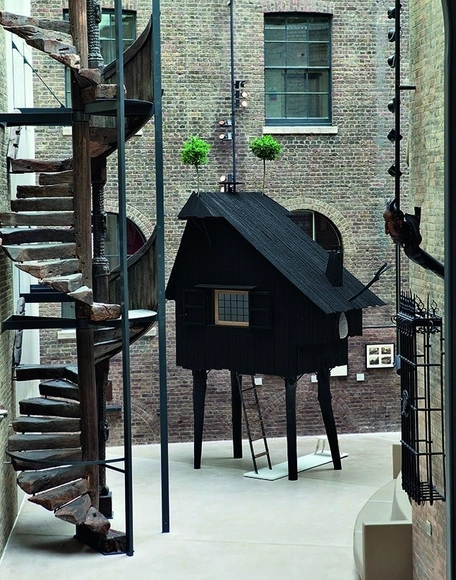
Courtesy of Victoria and Albert Museum, London/TASCHEN
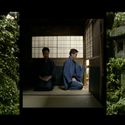
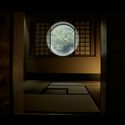
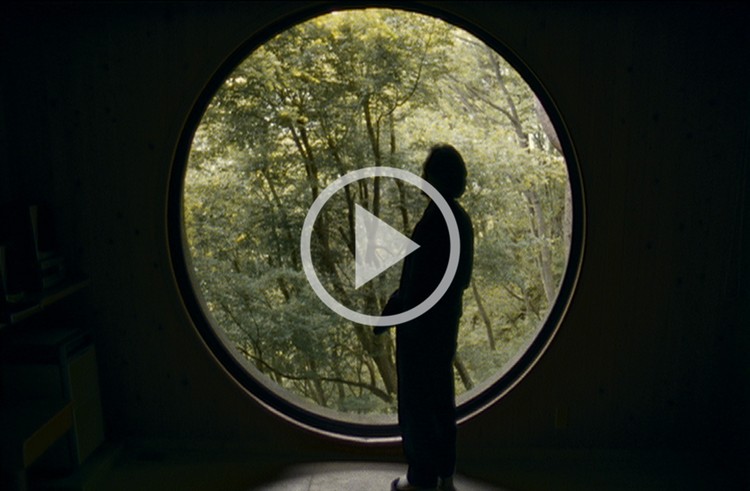
Terunobu Fujimori is a Japanese architect and leading historian of modern Japanese architecture acknowledged for his shift from traditional techniques. In a short video interview, he discusses his original understanding of a traditional Japanese building and his interpretation of the renowned Japanese teahouse.
Montagem feita a partir dos desenhos cedidos pelos autores. . Image Cortesia de a+t architecture publishers
Traveling around Japan can be an impressive experience for a Western tourist - especially if they have some connection with architecture. In addition to the huge cultural differences, the country is known for its rich architectural production - eight of the 42 Pritzker Prize laureates are Japanese - which has maintained its consistency since the 1960s.
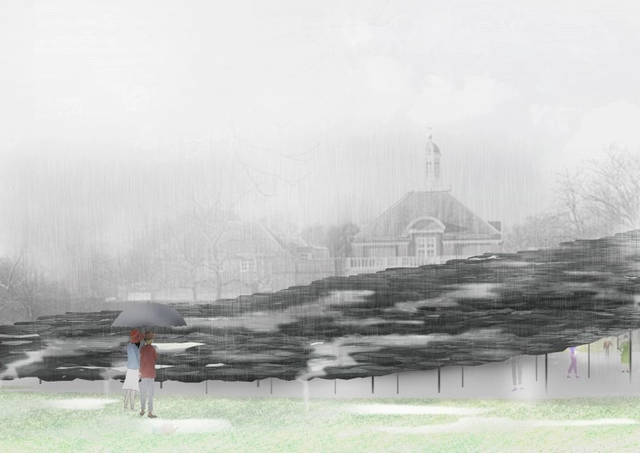
London's Serpentine Gallery has announced Japanese architect Junya Ishigami as the designer of the 2019 Serpentine Pavilion. Ishigami, who at 44 is the second-youngest designer of the pavilion (after 2018 designer Frida Escobedo), is known for his light and ephemeral approach to design.
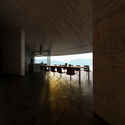
Ishigami's design for the pavilion takes the form of a slate sheet rising from the landscape of the park, held up by light pilotis that form an interior field reminiscent of a forest. The single-canopy space takes inspiration not just from natural canopies but from roofs - the essential structural element that defines and unites architecture. Within, the darkness of the slate roof will create a serene space for contemplation and relaxation. Ishigami explains that his design for the pavilion exemplifies his 'free space' philosophy in which he "seeks harmony between man-made structures and those that already exist."


























.jpg?1550150890 "Serpentine Pavilion 2019, Design Render, Interior View, © Junya Ishigami + Associates")