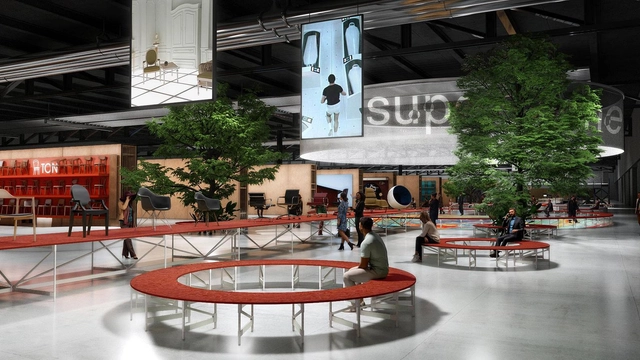
After a year-long absence, Milan Design Week has wrapped up yet another year of creativity and innovation. From the 5th to the 10th of September, thousands of design companies displayed their creations to more than 200,000 visitors hailing from different countries, demographics, and industries. And while the design fair gravitated towards the world of interior design, many renowned architects such as Bjarke Ingels, Foster + Partners, and Herzon & de Meuron participated in the week-long exhibition and joined forces with interior and furniture design brands to create signature pieces.
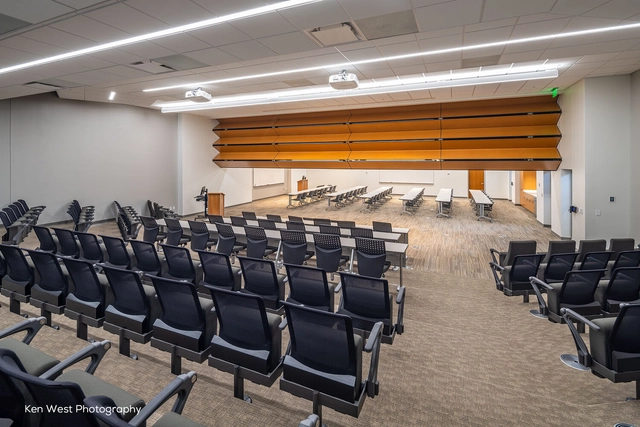
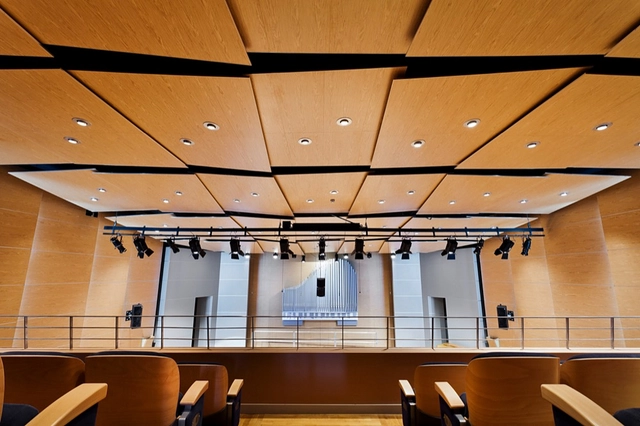
As our cities densify and building types become more and more mixed-use, we tend to spend a lot of time in noisy environments. When we think about acoustic comfort, we rarely think of places like restaurants, venues, and big offices; places with a lot of people, machinery, and background noise. The quality of sound can entirely change the experience of people in an interior space, and improving the space's acoustic quality relies on treating all surfaces, from walls to ceilings, and flooring. In this article, we will present a variety of solutions for ceilings, flooring, and walls, their different combinations, and a simple guide of how to apply them correctly in public spaces without compromising the aesthetic of the interior.
Choosing a home's cabinetry and furniture is not only about function and storage space but also about visual appeal. Walk-in closets, which are normally located in the master bedroom, are a good example of this. These spaces were usually used only for storing clothes, but modern closets now incorporate more unique features, transforming them into more personal and functional amenities.
https://www.archdaily.com/968291/more-than-just-a-wardrobe-15-examples-of-walk-in-closetsEquipe ArchDaily Brasil
After a year of absence in light of the pandemic, Milan Design Week, one of the most anticipated design events to take place in Italy, will finally open its doors to visitors. From the 5th to the 10th of September, more than 350,000 architects, designers, artists, and craftsmen from all around the world will have the chance to explore new design innovations and exchange ideas about the interior design, furniture, and lighting. During the week-long event, Salone del Mobile, the awaited furniture and interior design event of the year, will be hosting local and international exhibitors at the Fiera Milano, Rho, along with interventions by world-renowned architects across the city.
ArchDaily will be attending the Salone del Mobile so stay tuned for exclusive interviews and collaborations, and read on to discover what to expect during the week-long exhibition and how architects are taking part of the event.
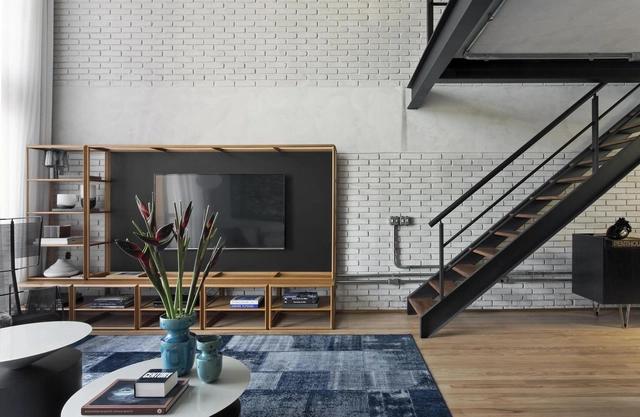
We are about to start living in a completely wireless world, but in the meantime, many people are looking for alternatives to hide wires creating a more organized and clean space. Therefore, we have provided some tips for those who want to disguise TV cables and cords from other devices to make the environment more comfortable.
https://www.archdaily.com/967139/how-to-hide-tv-wiresEquipe ArchDaily Brasil
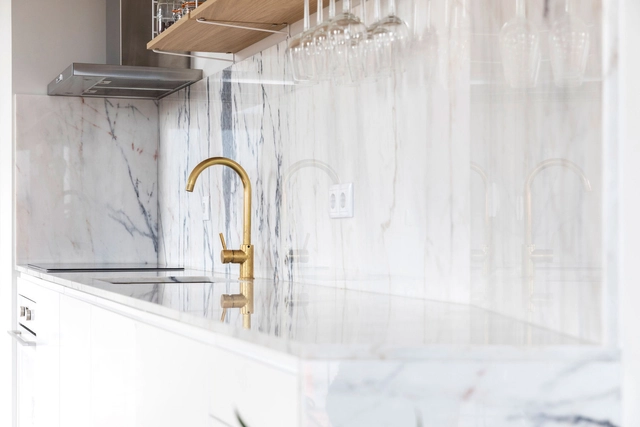
As an architectural project comes to its last phases, it is time to put together the smaller details in bathrooms and kitchens, which means choosing finishes for the walls and floors, as well as the countertops, and picking the right fittings and fixtures. These elements are essential for a well-designed space, regardless of the style.
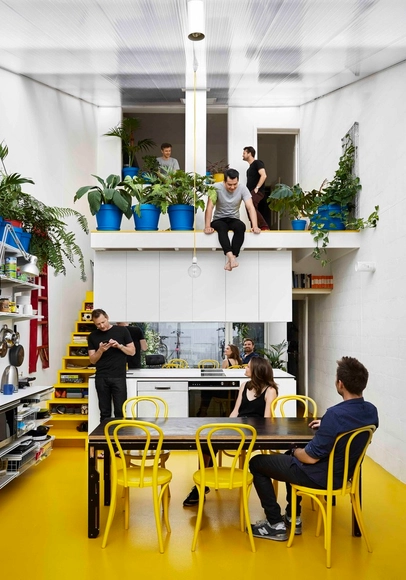
Not every architectural project can incorporate a landscaping project, consider a garden or access to ample green space. Smaller spaces need more creative strategies to incorporate vegetation. Regardless of the context, plants offer benefits in all types of spaces, such as indoor temperature regulation, an option for sustainable production on a smaller scale than a greenhouse, in addition to their aesthetic qualities. In this article, we present 4 simple strategies and a selection of examples for incorporating plants in small-scale spaces, all of which can be found in Architonic's Planting section.
Over the past couple of years, many designers have voiced their commitment to ethical and ecological sourcing, resorting to frugal designs through local materials, traditional techniques, and equitable architecture. Having this approach in mind, many found inspiration in their cultural heritage, reimagining ancient designs in contemporary contexts.
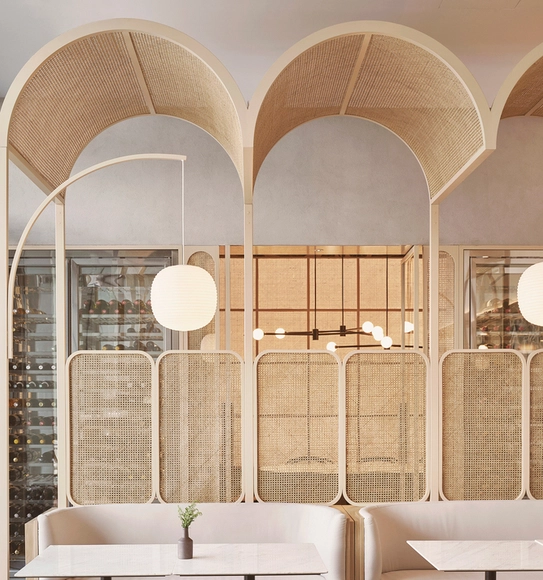
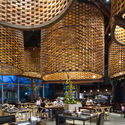
When thinking of recycled design trends, we can't overlook one of the most well-known and popular materials that was shared by nations all around the globe over the span of 100 years; on balconies, outdoor patios, gardens, and indoor living spaces: rattan. It is estimated that almost seven hundred million people worldwide use rattan, with many countries presenting it as an integral part of their cultures. In this article, we look at how architects and designers integrated rattan in their designs and found numerous ways to make the best out of Southeast Asia's popular local material.
Wood is one of the most versatile materials used in construction nowadays and can be used for many different purposes, from beginning to end of the building process. Working with wood in a building requires specific skills that are very different from the skills of a bricklayer. Carpentry and joinery are the two main trades that handle wood in architecture and construction.
There is a fine line between the two, and people are often confused about which professional is the best suited for a particular job. This article will address the difference between the two practices to help you choose which one is best for your project.
Residência GAF/Jacobsen Arquitetura. Image Cortesia de Jacobsen Arquitetura
When designing homes, architecture is constantly evolving and adapting to environmental conditions. Each climate has specific needs and requires different solutions in terms of comfort. Hot and humid environments require a very different design from cold and dry environments. Natural ventilation, for example, is very important in projects located in warm climates.
Natural or artificial, lighting is one of the most important elements in architecture, directly affecting our perception of spaces. It is capable of defining volumes, enhancing colors, textures, and therefore, contributing to the overall relationship between dimension, proportion, and contrasts. One of the many challenges of architecture is to shape spaces based on light and shade, and sometimes natural light is not enough, requiring additional light sources to be installed and controlled.
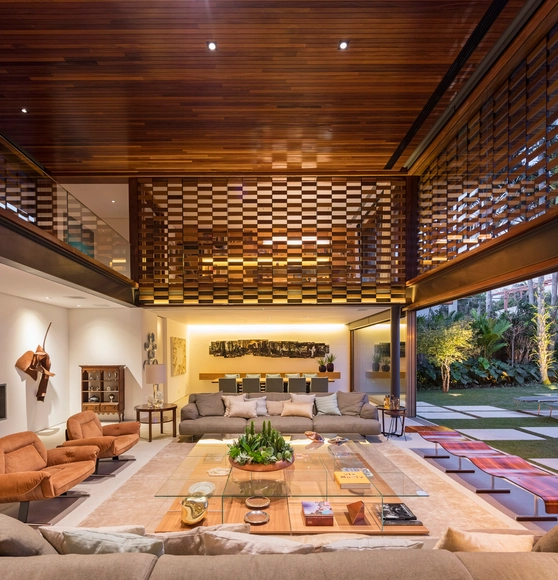
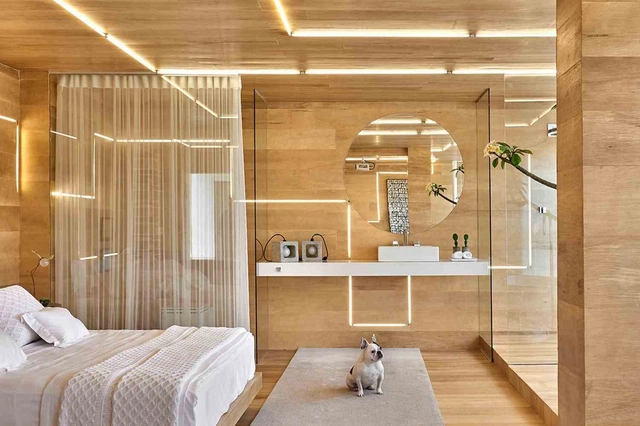
The ceiling – commonly referred to as "the fifth wall," – has the potential to transform an interior space from average into extraordinary. When it comes to design, the ceiling is often forgotten, and there are many missed opportunities to create moments of visual interest and delight.
The ability to detach dividing walls from fixed structural frameworks has been one of the most notable contributions of modern architecture. The moment came when Le Corbusier's conceived the Dom-ino system, in 1914, and was brought to life in the Villa Savoye, where the structural lattice of pillars contrasted with an independent and even organic distribution of the interior partitions. The so-called open plan has been used and reinvented by architects since then for multiple scales and programs, with a flexibility that allows for the creation of large spaces with or without partitions. But one important nuisance that plagues the open plan it that is often difficult to create closed spaces when necessary, which can improve acoustic qualities and the possibility of natural light. Operable partitions serve this purpose through various mechanisms, such as sliding, folding, or wheeled panels, but they do not always facilitate the necessary conditions. Directly addressing these issues, Skyfold has developed the solution: operable walls that fold vertically and remain hidden when retracted.
If you live in an apartment, you may unintentionally know the details of your neighbor's life by overhearing conversations through your shared walls. Or you keep awake when the dog that lives in the apartment above decides to take a walk in the middle of the night. If so, you may live in an apartment with inadequate sound insulation in its walls and/or slabs. As cities grow increasingly dense and builders seek to increase their profit margins, it is not uncommon for acoustic comfort to be overlooked in many architectural projects. When the resulting noise is excessive or unwanted, it impacts the human body, the mind, and daily activities. While not all spaces need to seal all types of sound, creating spaces with an adequate degree of soundproofing improves the quality of life of all users.
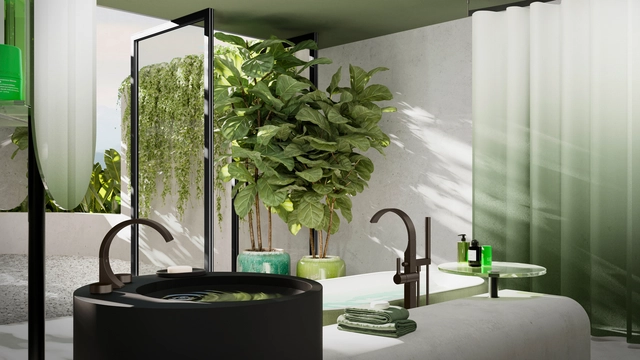
The CYO Oasis Bathroom . Image Courtesy of Dornbracht
What we are currently experiencing in the world is a shift in values. A crisis like COVID-19 leads us to question how we want to live, who is important to us, how we should spend our time. As our needs change, we focus on enduring values such as family, community, and an emphasis on our physical and mental well-being. When it comes to the objects that we surround ourselves with, themes such as lasting value, longevity, and quality are coming to the forefront. It is no longer only about what is good for the individual today, but also what will be useful and relevant tomorrow.
The role of an architect has not always been what it is today. Historically, and almost since its inception, it was viewed as a “one-man show”, where the architect was the artist, the sculptor, and the visionary of a structure. As the practice has continued to evolve, it has become a much more collaborative, and much less individualistic profession in nature, continuously understanding the importance of considering outside perspectives- even those not traditionally trained in design.


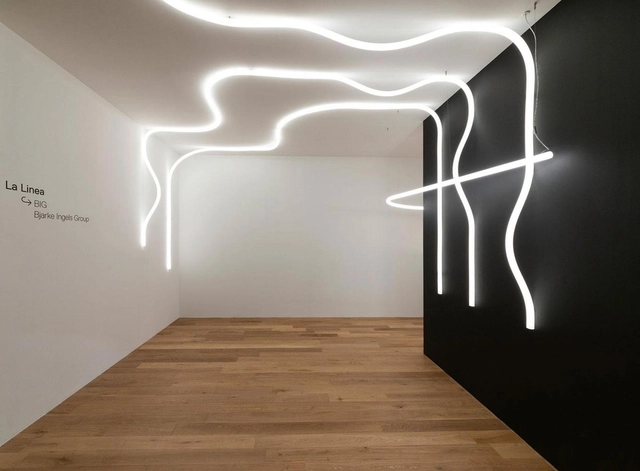


.jpg?1632222873 "El Poris. Image Courtesy of Artemide")

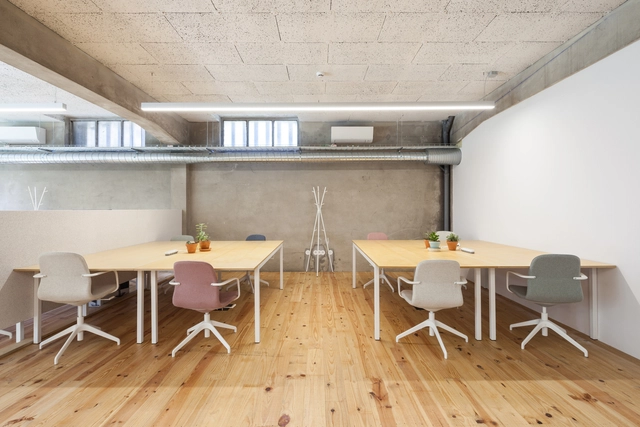




























.jpg?1566868902 "Cortesia de Hunter Douglas Architectural")