



-
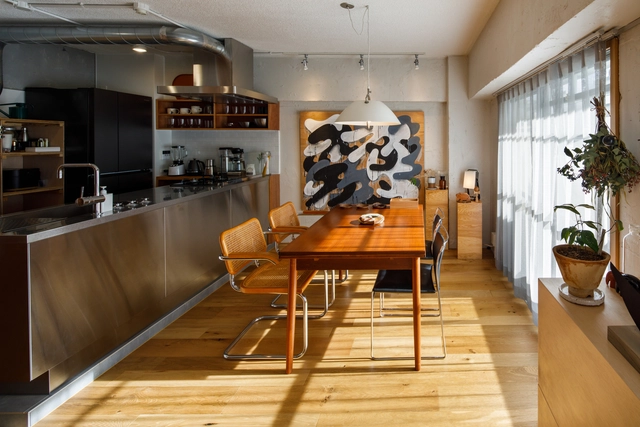
Architects: rivvon inc.
- Area: 75 m²
- Year: 2019
-
Manufacturers: +veve, Coda


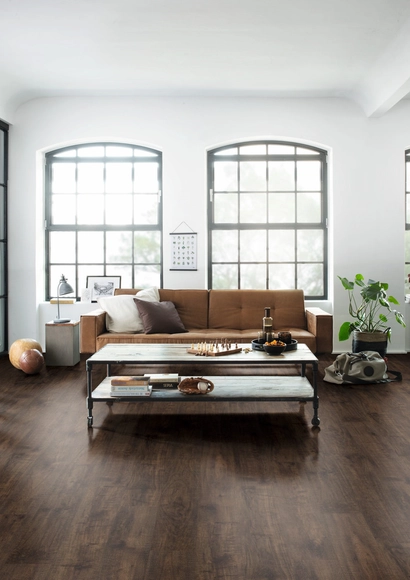
Wood-based materials manufacturer EGGER combines decor from furniture and interior design, as well as flooring, to create something entirely new.
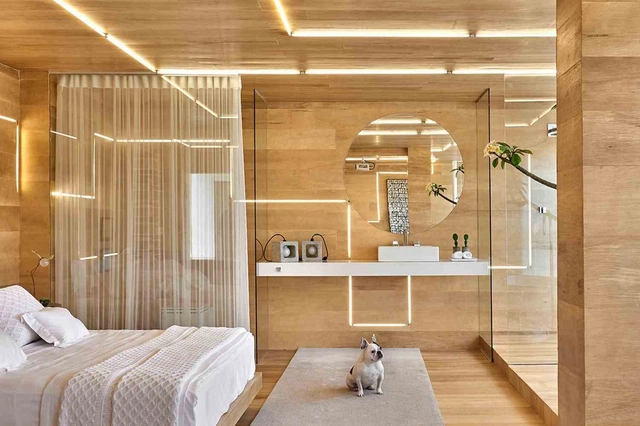
Natural or artificial, lighting is one of the most important elements in architecture, directly affecting our perception of spaces. It is capable of defining volumes, enhancing colors, textures, and therefore, contributing to the overall relationship between dimension, proportion, and contrasts. One of the many challenges of architecture is to shape spaces based on light and shade, and sometimes natural light is not enough, requiring additional light sources to be installed and controlled.
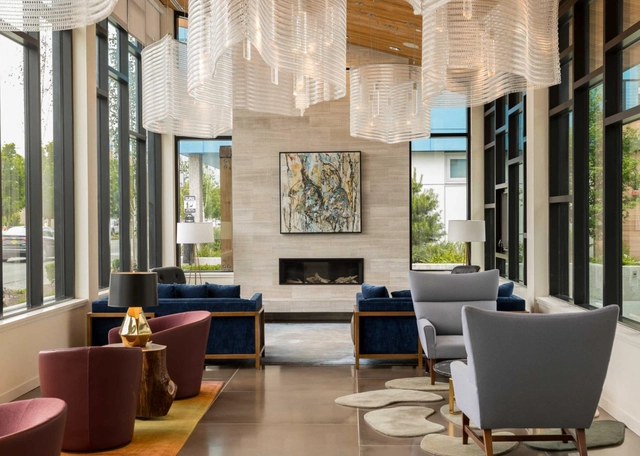
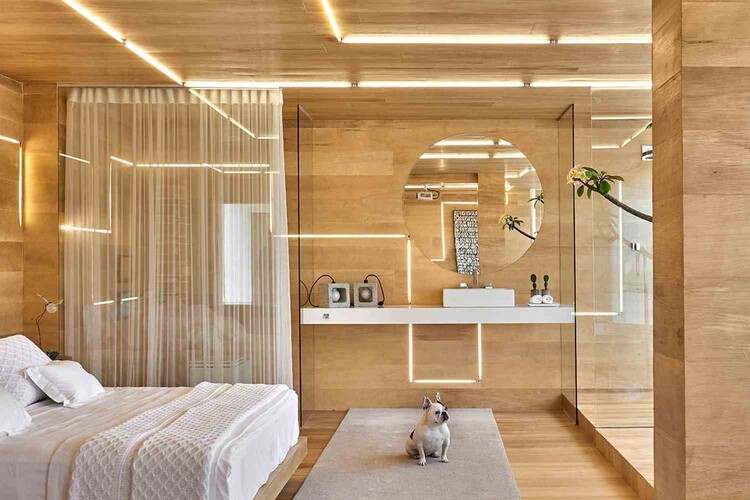
The ceiling – commonly referred to as "the fifth wall," – has the potential to transform an interior space from average into extraordinary. When it comes to design, the ceiling is often forgotten, and there are many missed opportunities to create moments of visual interest and delight.
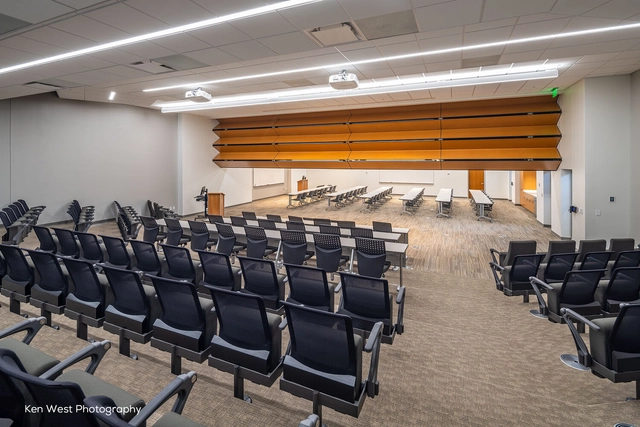
The ability to detach dividing walls from fixed structural frameworks has been one of the most notable contributions of modern architecture. The moment came when Le Corbusier's conceived the Dom-ino system, in 1914, and was brought to life in the Villa Savoye, where the structural lattice of pillars contrasted with an independent and even organic distribution of the interior partitions. The so-called open plan has been used and reinvented by architects since then for multiple scales and programs, with a flexibility that allows for the creation of large spaces with or without partitions. But one important nuisance that plagues the open plan it that is often difficult to create closed spaces when necessary, which can improve acoustic qualities and the possibility of natural light. Operable partitions serve this purpose through various mechanisms, such as sliding, folding, or wheeled panels, but they do not always facilitate the necessary conditions. Directly addressing these issues, Skyfold has developed the solution: operable walls that fold vertically and remain hidden when retracted.
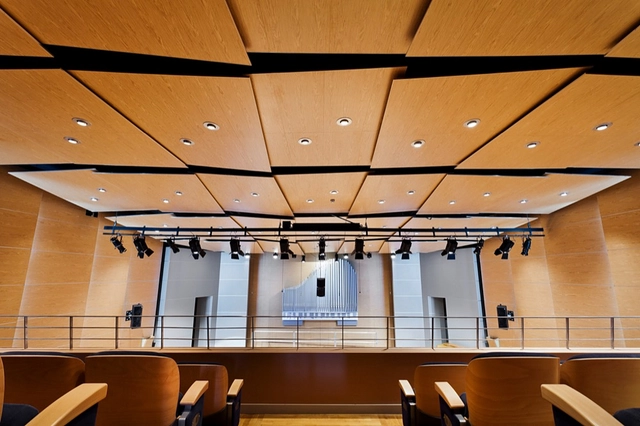
If you live in an apartment, you may unintentionally know the details of your neighbor's life by overhearing conversations through your shared walls. Or you keep awake when the dog that lives in the apartment above decides to take a walk in the middle of the night. If so, you may live in an apartment with inadequate sound insulation in its walls and/or slabs. As cities grow increasingly dense and builders seek to increase their profit margins, it is not uncommon for acoustic comfort to be overlooked in many architectural projects. When the resulting noise is excessive or unwanted, it impacts the human body, the mind, and daily activities. While not all spaces need to seal all types of sound, creating spaces with an adequate degree of soundproofing improves the quality of life of all users.
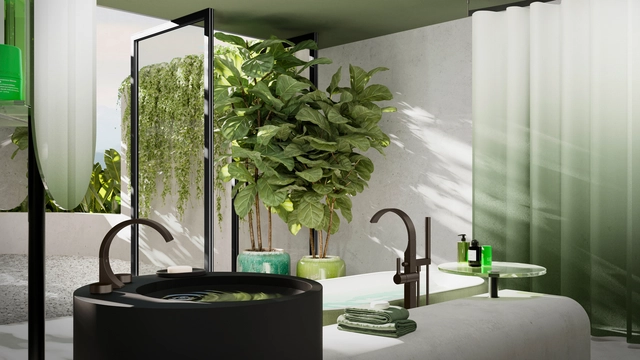
What we are currently experiencing in the world is a shift in values. A crisis like COVID-19 leads us to question how we want to live, who is important to us, how we should spend our time. As our needs change, we focus on enduring values such as family, community, and an emphasis on our physical and mental well-being. When it comes to the objects that we surround ourselves with, themes such as lasting value, longevity, and quality are coming to the forefront. It is no longer only about what is good for the individual today, but also what will be useful and relevant tomorrow.

The role of an architect has not always been what it is today. Historically, and almost since its inception, it was viewed as a “one-man show”, where the architect was the artist, the sculptor, and the visionary of a structure. As the practice has continued to evolve, it has become a much more collaborative, and much less individualistic profession in nature, continuously understanding the importance of considering outside perspectives- even those not traditionally trained in design.

"Acoustics" in architecture means improving sound in environments. Although it is a complex science, understanding the basics - and making efficient and effective decisions - is much easier than you might think. The first step is to understand that there are two technical categories used in acoustics: soundproofing and acoustical treatment. Soundproofing means "less noise" and treatment, "better sound".
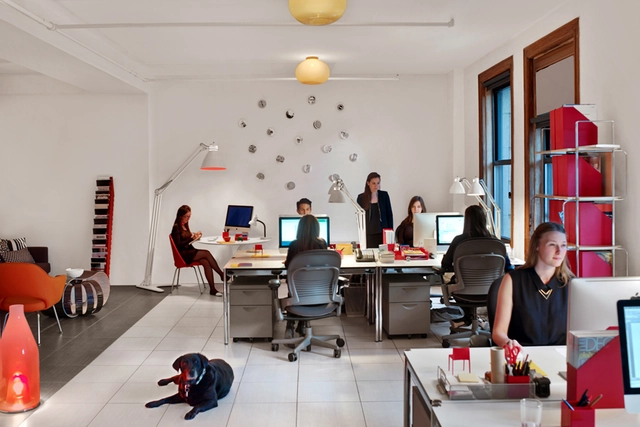
WeTransfer recently released its 2020 Ideas Report, which showcases the effects COVID-19 has had on creativity. At a time when the economy, employment rates, and overall morale were down, the report found a reason for hope—nearly half (45.3 percent) of the 35,000 creatives polled claimed that they experienced more creative ideas during the pandemic than before.
Which begs the question: How do we replicate the good that has come out of the pandemic and keep it going for the industry over the long term? ThinkLab sat down with business leaders within—and outside—the interiors industry to understand the shifts companies made to remain relevant in these changing times.

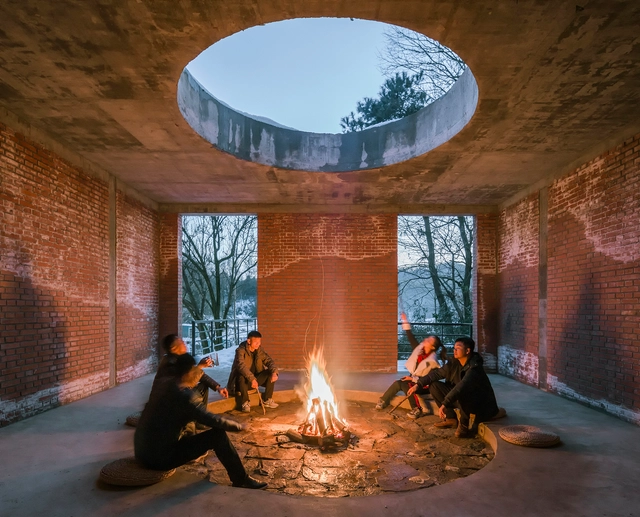
The slogan "Stay Home" has been guiding people throughout the past year, making us rediscover our home as a place of refuge, shelter, and protection. Within this new status quo, much has been discussed about the important role played by architecture and interior design in improving both the physical and mental wellbeing of its inhabitants.
From the most complex to the most simple, we have been revisiting various design strategies in search of a sense of comfort and seclusion in our homes. Although we are living in the most technological age of all, we find ourselves drawn to the most fundamental elements, as if returning to our origins.
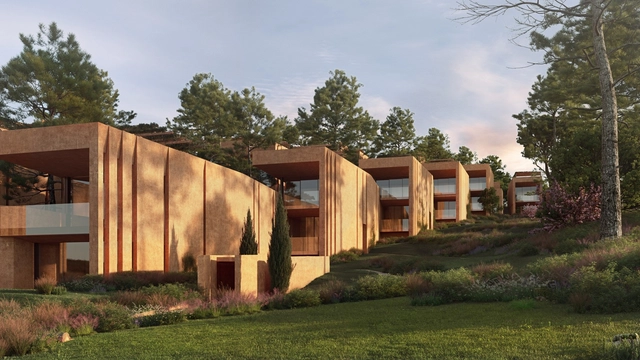
Inspired by the colors and textures of the surrounding environment, Pritzker Prize winners RCR Architectes have translated the Algarve's landscape into new residences and facilities at the Palmares Ocean Living & Golf Resort. A total of 37 new signature apartments and luxury villas are currently under construction, with completion due dates expected between summer 2021 and 2022.
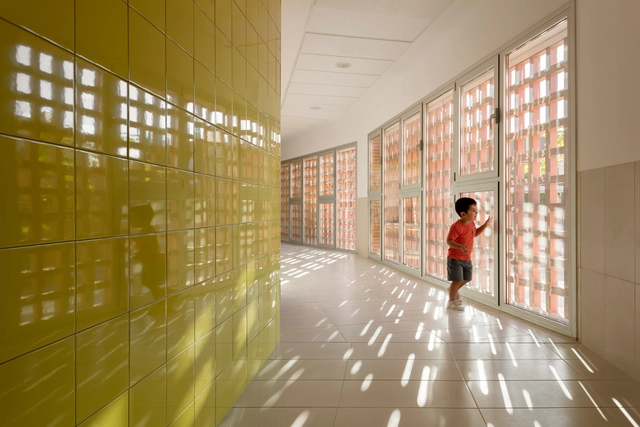
The ongoing pandemic has been a disruption to the everyday routines of billions around the world, as due to being confined to their households, the separation between work and rest has become extremely blurry, with people forced to rethink and reconfigure the layout of their personal spaces. Conversations have abounded on how to create flexible working spaces in a home environment, and if offices themselves are an outdated model that we should leave behind. A missing part of that conversation, however, is the impact that the pandemic has had on children, specifically primary-school level children, on their education - as inequalities are emphasized, some children learning with slow internet connection speeds, or struggling to have the space required to adequately complete educational activities.
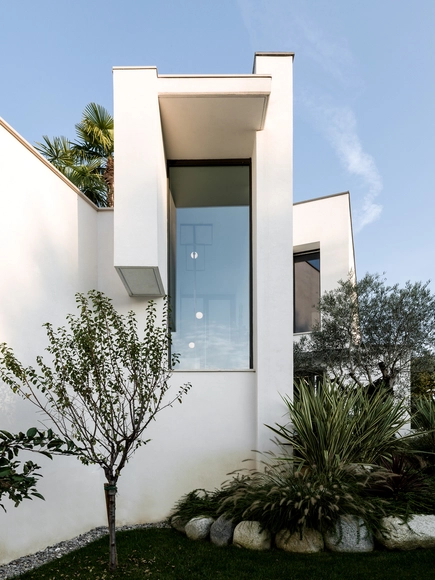
Along the waters of Lago di Alserio, in Como, Italy is a contemporary private residence designed by architect Annalisa Mauri which contrasts the interlacing of sleek, sharp lines with the delicate beauty of the lake and the softly rolling hills of Brianza which surround it. The geography of the site has undoubtedly influenced the flow of the building, which is expressed through well-defined geometric spaces featuring large sliding glass windows and glass spandrels that offer seamless visual continuity between indoor and outdoor.
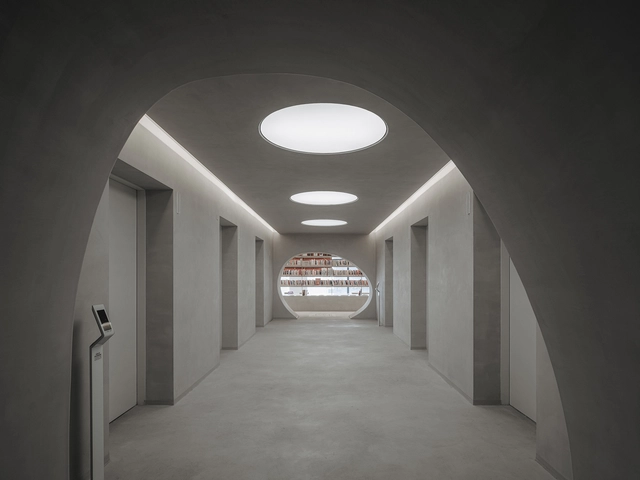
What elements and qualities does space need for a well-balanced physical and spiritual recovery? How to design spaces that are healthy for both our minds and our bodies? What makes an environment livable and sustainable in the long term?
These are the questions we need to address in the era of the rapidly developing real estate market. Why do we tend to inhabit more and more high-density residential towers? Are we necessarily more mentally secure? If not, what are the spatial solutions or cures for the current urbanites’ anxiety? In this article, we will explore ways of unwinding and finding cures in space.
.jpg?1615322008&format=webp&width=640&height=580)
Many architects and designers have highlighted the importance of taking into account all five senses during the design process, in order to create a successful user experience. Fortunately, many strategies have been implemented to facilitate the experience of those who are physically impaired, however, little is being done to aid those who feel helpless and restricted due to mental illnesses and traumatic experiences.
Healing from these experiences is a journey that requires a lot of effort from both the individual and everything and everyone around him/her. Oftentimes, victims of trauma are advised to spend more time in the outdoors, embracing the restorative qualities of nature. But what about interiors? Since people are now spending almost 90% of their time indoors, it is only natural that these spaces contribute to the healing process as well. And while these spaces can look beautiful with an abundance of natural light and neutral color palettes, are they truly beneficial to their mental health?
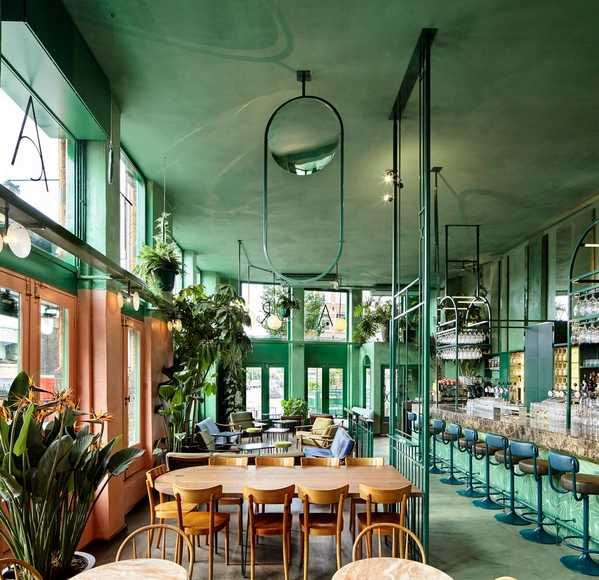
How many changes have you done to your interior space during this past year? Whether it was a change of furniture layout, repainting the walls, adding more light fixtures or perhaps even removing them, after spending so much time in one place, the space you were once used to didn’t make sense anymore. We could blame the overall situation for how we’ve been feeling lately, but as a matter of fact, the interior environment plays a huge role in how we feel or behave as well. However, if you were wondering why some neighbors seem much more undisturbed and serene even in the midst of a pandemic, it could be because the interior is greener on the other side.
.jpg?1612184961&format=webp&width=640&height=580)
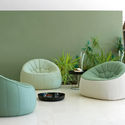
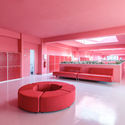
We know that colors can influence our sensations and cause different perceptions of a space, which confirms the benefits of designing a consistent color palette and its importance in architectural projects. The impact of color on a space and on the people who use it becomes even more perceptible when the whole environment is covered with just one color. In these cases, the selected shade can be applied to countless architectural elements. Floors, ceilings, walls, furniture, or even pipes and electrical conduits can have a specific hue to match the monochromatic environment.


.jpg?1566868902 "Cortesia de Hunter Douglas Architectural")












.jpg?1612184961)