

1. ArchDaily
  2. Housing

Housing: The Latest Architecture and News

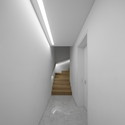
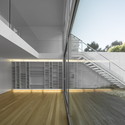
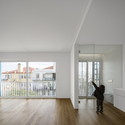
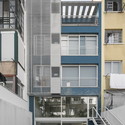
House of Future Contemporary / Studio In2

House of Future Contemporary / Studio In2 - Interior Photography, Interior Design, ChairHouse of Future Contemporary / Studio In2 - Interior DesignHouse of Future Contemporary / Studio In2 - Interior Photography, Interior Design, ColumnHouse of Future Contemporary / Studio In2 - Interior Photography, Interior Design, ChairHouse of Future Contemporary / Studio In2 - More Images+ 23

  • Architects: Studio In2
  • Area Area of this architecture project Area:  152 ft²
  • Year Completion year of this architecture project Year:  2018
  • Manufacturers Brands with products used in this architecture project
    Manufacturers:  BoConcept, GUBI, QisDESIGN, SeedDesign

Dear Internet: Stop Placing Blame for Gentrification on an Architectural Style

This article was originally published by Common Edge as "Architecture, Aesthetic Moralism, and the Crisis of Urban Housing."

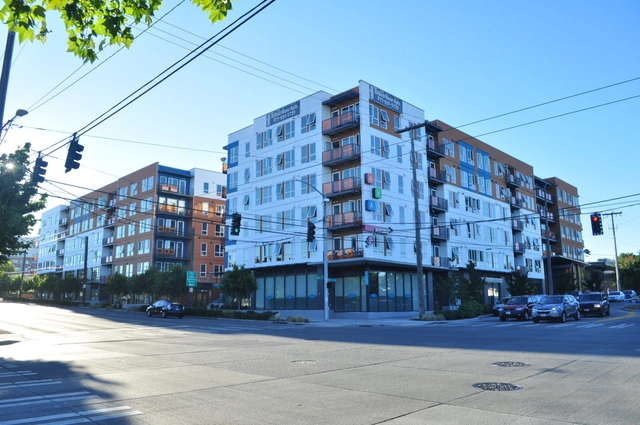
It may shock some people to hear this, but architecture is not urban planning. It is not transportation planning, sociology, political science, or critical geography. However, architecture, new-build apartment architecture specifically, has become a social media scapegoat for today’s urban housing crisis: escalating developer-driven gentrification.

Out of my own curiosity, I searched several academic databases for research that successfully correlates the architectural aesthetic of new build apartments with gentrification. While many writers and denizens of social media really want to blame today’s bland, boxy, cladding-driven style of multifamily urban housing for gentrification, I’m afraid the research isn’t there. In fact, one study featured in a paper on neighborhood early warning systems for gentrification cites historic architecture as one of five predictors of gentrification in the DC area.

Why Designing a Person's Home is the Most Challenging, Thrilling Task an Architect Can Face

This article was originally published by Common Edge as "Why Homes Are the Original Architecture."

Homes may be the most powerful projection of architectural value. Because shelter is essential for all of us, the home is architecture’s universal function. We’re all experts on what our own home must be, to us.

But architects often have a different view of home. Twenty years ago—during the recession before the last recession—I remember hearing an architect declare that he could earn a living designing houses until “real work came along.” Another architectural meme is the classic first job: designing a house for your parents.

Sunny Apartment / Very Studio | Che Wang Architects

Sunny Apartment / Very Studio | Che Wang Architects - Interior Photography, Interior Design, Table, LightingSunny Apartment / Very Studio | Che Wang Architects - Interior Photography, Interior Design, Arch, Table, ChairSunny Apartment / Very Studio | Che Wang Architects - Interior Photography, Interior Design, ArchSunny Apartment / Very Studio | Che Wang Architects - Interior DesignSunny Apartment / Very Studio | Che Wang Architects - More Images+ 17

The State of California is (Finally) Forcing Through Affordable Housing Laws, Overruling Municipal NIMBYism

This article was originally published by The Architect's Newspaper as "A wave of affordable and market-rate housing could soon wash ashore in California."

In recent months, legislators in California have begun a concerted effort to use state law to address the state’s ongoing housing crisis. The moves come amid worsening regional inequality that has pushed housing affordability outside the reach of many populations. Facing mounting pressure from a growing cohort of pro-housing YIMBY activists and increasingly grim economic and social impacts—including a sharp increase in the number of rent-burdened households and the number of individuals and families experiencing homelessness—state-level legislators have begun to take action where municipal leaders have thus far stopped short.

Unfolding Canvas / OFGA

Unfolding Canvas / OFGA - Interior Photography, Apartment Interiors, TableUnfolding Canvas / OFGA - Interior Photography, Apartment Interiors, Door, ChairUnfolding Canvas / OFGA - Interior Photography, Apartment Interiors, Kitchen, CountertopUnfolding Canvas / OFGA - Apartment InteriorsUnfolding Canvas / OFGA - More Images+ 9

  • Interior Designers: OFGA
  • Area Area of this architecture project Area:  75
  • Year Completion year of this architecture project Year:  2017
  • Manufacturers Brands with products used in this architecture project
    Manufacturers:  Gessi, Floover, Victoria & Albert

From Affordable Housing to Climate Change, San Francisco Is a Microcosm of Global Urban Challenges

This article was originally published by Common Edge as "John King on San Francisco, Oakland, and the Challenge of Affordable Housing."

John King has covered the urban design beat for the San Francisco Chronicle for 17 years now. That’s long enough, in other words, to have written about a handful of economic booms and subsequent busts. But the Bay Area is a unique beast. No other region in the country has been as thoroughly transformed by the digital revolution. And it’s a transformation that continues to this day. Shortly before the New Year, I spoke to King about the fate of San Francisco, the Oakland renaissance, and his 4-month long fellowship in Washington, DC.

The Economics Behind New York's Micro-Apartment Experiment

The Economics Behind New York's Micro-Apartment Experiment - Image 5 of 4
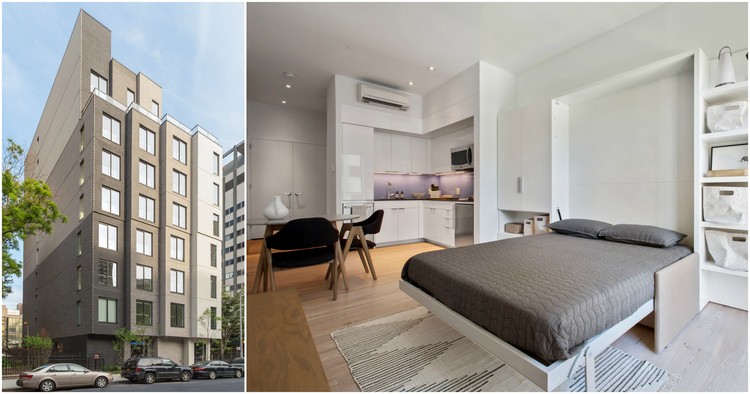
Are micro-apartments a revolutionary trend? Or are developers exploiting an out-of-control market? Carmel Place, located in Manhattan's Kips Bay, features 55 units that range from 260 to 360 square feet. Image Courtesy of Cameron Blayock

This article was originally published by The Architect's Newspaper as "Are micro-apartments a revolutionary trend? Or are developers exploiting an out-of-control market?"

The situation was dire: People were flocking to cities for work, but scarce land and lack of new construction were driving up rent prices. Middle-income residents couldn’t afford the high-end housing stock, nor did they want to enter cramped—sometimes illegally so—apartments. Luckily, a new housing solution appeared: In exchange for small, single-occupancy units, residents could share amenities—like a restaurant-kitchen, dining area, lounge, and cleaning services—that were possible thanks to economies of scale. Sound familiar?

It should: It’s the basic premise behind Carmel Place, a micro-apartment development in Manhattan’s Kips Bay that recently started leasing. The development—whose 55 units range from 260 to 360 square feet—was the result of Mayor Bloomberg’s 2012 adAPT NYC Competition to find housing solutions for the city’s shortage of one- and two-person apartments. Back then, Carmel Place needed special legal exceptions to be built, but last March the city removed the 400-square-foot minimum on individual units. While density controls mean another all-micro-apartment building is unlikely, only building codes will provide a de facto minimum unit size (somewhere in the upper 200 square foot range). What does this deregulation mean for New York City’s always-turbulent housing market? Will New Yorkers get new, sorely needed housing options or a raw deal?

The Economics Behind New York's Micro-Apartment Experiment - Image 1 of 4The Economics Behind New York's Micro-Apartment Experiment - Image 2 of 4The Economics Behind New York's Micro-Apartment Experiment - Image 3 of 4The Economics Behind New York's Micro-Apartment Experiment - Image 4 of 4The Economics Behind New York's Micro-Apartment Experiment - More Images+ 14

"Corridors of Diversity": Showcasing the Secret of Singapore's Public Housing Success

Subscriber Access | 

Singapore’s first Housing and Development Board (HDB) housing blocks were erected in November of 1960, in response to a severe lack of adequate housing for the country's 1.6 million citizens. Fast forward to 2017, and over 80% of the Singaporean population live in HDBs, with over 90% of them owning the home they live in. Often painted in vibrant colors, HDBs have a focus on community social spaces, more often than not maintaining the ground floor of the apartment blocks as open public space, exclusively for public meeting areas. These can include hawker centers, benches, tables, grills and pavilions where residents can socialize under cover from the hot Singaporean sun.
"Corridors of Diversity": Showcasing the Secret of Singapore's Public Housing Success - Featured Image"Corridors of Diversity": Showcasing the Secret of Singapore's Public Housing Success - 1 的图像 4"Corridors of Diversity": Showcasing the Secret of Singapore's Public Housing Success - 2 的图像 4"Corridors of Diversity": Showcasing the Secret of Singapore's Public Housing Success - 3 的图像 4Corridors of Diversity: Showcasing the Secret of Singapore's Public Housing Success - More Images+ 6

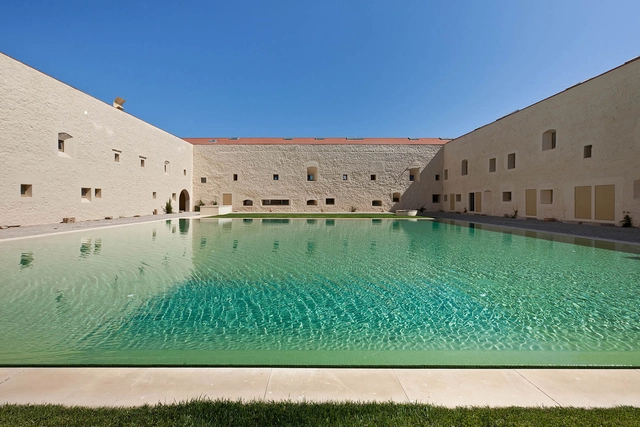
Convento Das Bernardas / Eduardo Souto de Moura

Convento Das Bernardas / Eduardo Souto de Moura - HeritageConvento Das Bernardas / Eduardo Souto de Moura - Exterior Photography, Heritage, FacadeConvento Das Bernardas / Eduardo Souto de Moura - Interior Photography, Heritage, Door, Facade, ArchConvento Das Bernardas / Eduardo Souto de Moura - Interior Photography, Heritage, StairsConvento Das Bernardas / Eduardo Souto de Moura - More Images+ 52

  • Area Area of this architecture project Area:  8164
  • Year Completion year of this architecture project Year:  2012
  • Manufacturers Brands with products used in this architecture project
    Manufacturers:  CS Telhas
  • Professionals: Estudos e Projectos Lda, A2P

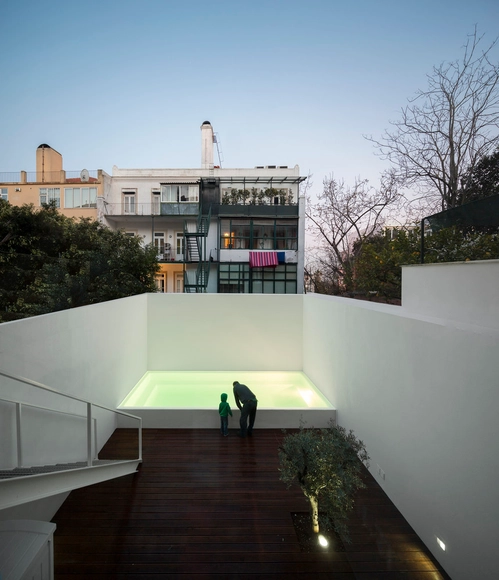
LAPA BUILDING / João Tiago Aguiar, Arquitectos

LAPA BUILDING / João Tiago Aguiar, Arquitectos - RenovationLAPA BUILDING / João Tiago Aguiar, Arquitectos - RenovationLAPA BUILDING / João Tiago Aguiar, Arquitectos - RenovationLAPA BUILDING / João Tiago Aguiar, Arquitectos - RenovationLAPA BUILDING / João Tiago Aguiar, Arquitectos - More Images+ 42

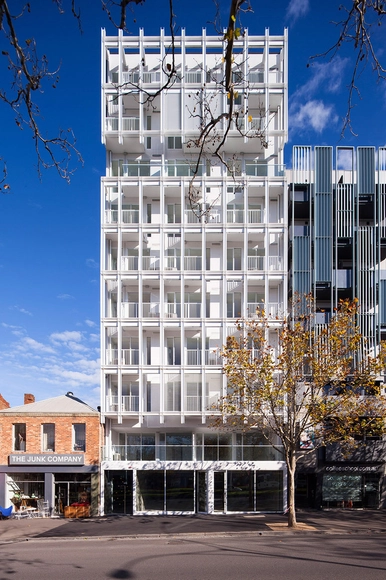
E589 Apartments / Albert Mo Architects

E589 Apartments / Albert Mo Architects - ApartmentsE589 Apartments / Albert Mo Architects - ApartmentsE589 Apartments / Albert Mo Architects - ApartmentsE589 Apartments / Albert Mo Architects - ApartmentsE589 Apartments / Albert Mo Architects - More Images+ 12

Melbourne, Australia
  • Area Area of this architecture project Area:  5000
  • Year Completion year of this architecture project Year:  2014

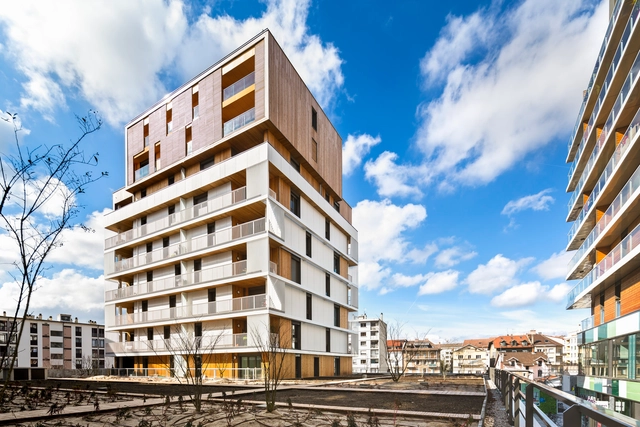
Housing and Shops Complex / Ameller Dubois

Housing and Shops Complex / Ameller Dubois - HousingHousing and Shops Complex / Ameller Dubois - HousingHousing and Shops Complex / Ameller Dubois - HousingHousing and Shops Complex / Ameller Dubois - HousingHousing and Shops Complex / Ameller Dubois - More Images+ 9

Annemasse, France

WING Loft / Laboratory for Explorative Architecture & Design

WING Loft / Laboratory for Explorative Architecture & Design - LoftWING Loft / Laboratory for Explorative Architecture & Design - Exterior Photography, Loft, Door, FacadeWING Loft / Laboratory for Explorative Architecture & Design - Interior Photography, Loft, Kitchen, TableWING Loft / Laboratory for Explorative Architecture & Design - Exterior Photography, Loft, FacadeWING Loft / Laboratory for Explorative Architecture & Design - More Images+ 30

Radical Cities, Radical Solutions: Justin McGuirk's Book Finds Opportunities In Unexpected Places

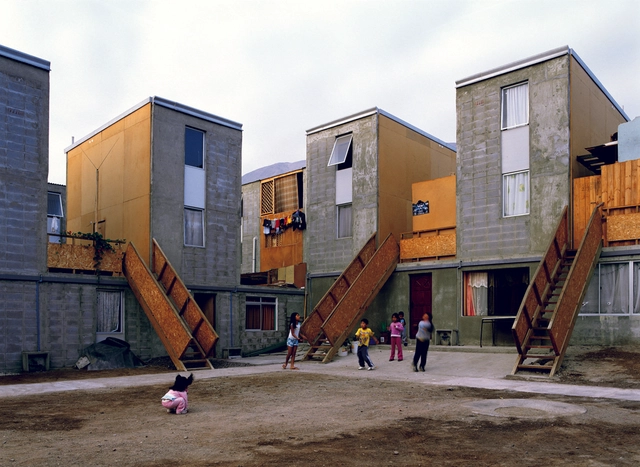
Justin McGuirk's book Radical Cities: Across Latin America in Search of a New Architecture is fast becoming a seminal text in the architecture world. Coming off the back of his Golden-Lion-winning entry to the 2012 Venice Biennale, created with Urban Think Tank and Iwan Baan, McGuirk's work has become a touchstone for the architecture world's recent interest in both low-cost housing solutions and in Latin America. This review of Radical Cities by Joshua K Leon was originally published by Metropolis Magazine as "Finding Radical Alternatives in Slums, Exurbs, and Enclaves."

Justin McGuirk’s Radical Cities: Across Latin America in Search of a New Architecture should be required reading for anyone looking for ways out of the bleak social inequality we’re stuck in. There were 40 million more slum dwellers worldwide in 2012 than there were in 2010, according to the UN. Private markets clearly can’t provide universal housing in any way approaching efficiency, and governments are often hostile to the poor. The only alternative is collective action at the grassroots level, and I’ve never read more vivid reporting on the subject.

Radical Cities, Radical Solutions: Justin McGuirk's Book Finds Opportunities In Unexpected Places - Image 1 of 4

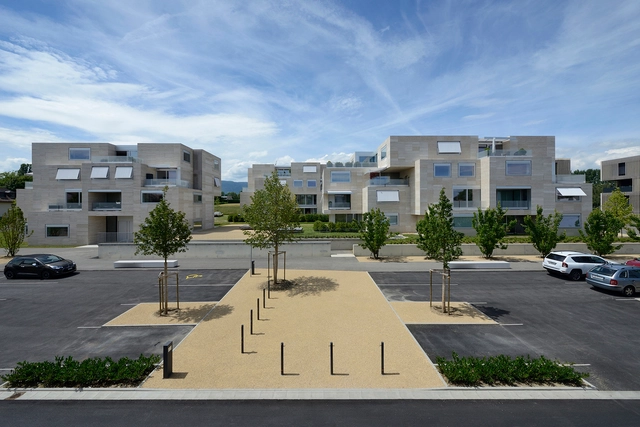
Housing and Urban Planning of "Grand-Pré" Neighbourhood / Luscher Architectes

Housing and Urban Planning of "Grand-Pré" Neighbourhood / Luscher Architectes - Exterior Photography, Apartments, FacadeHousing and Urban Planning of "Grand-Pré" Neighbourhood / Luscher Architectes - ApartmentsHousing and Urban Planning of "Grand-Pré" Neighbourhood / Luscher Architectes - ApartmentsHousing and Urban Planning of "Grand-Pré" Neighbourhood / Luscher Architectes - ApartmentsHousing and Urban Planning of Grand-Pré Neighbourhood / Luscher Architectes - More Images+ 25

Crans-près-Céligny, Switzerland
  • Area Area of this architecture project Area:  13000
  • Year Completion year of this architecture project Year:  2012

The Interlace / OMA / Ole Scheeren

The Interlace / OMA / Ole Scheeren - ApartmentsThe Interlace / OMA / Ole Scheeren - ApartmentsThe Interlace / OMA / Ole Scheeren - ApartmentsThe Interlace / OMA / Ole Scheeren - ApartmentsThe Interlace / OMA / Ole Scheeren - More Images+ 7

  • Architects: OMA, Ole Scheeren
  • Area Area of this architecture project Area:  169600
  • Year Completion year of this architecture project Year:  2013
  • Manufacturers Brands with products used in this architecture project
    Manufacturers:  Bravat

Harumi Residential Tower / Meier Partners

Harumi Residential Tower  / Meier Partners - HousingHarumi Residential Tower  / Meier Partners - HousingHarumi Residential Tower  / Meier Partners - HousingHarumi Residential Tower  / Meier Partners - HousingHarumi Residential Tower  / Meier Partners - More Images+ 11

Tokyo, Japan
  • Architects: Meier Partners
  • Area Area of this architecture project Area:  196200
  • Year Completion year of this architecture project Year:  2015
  • Professionals: Vize