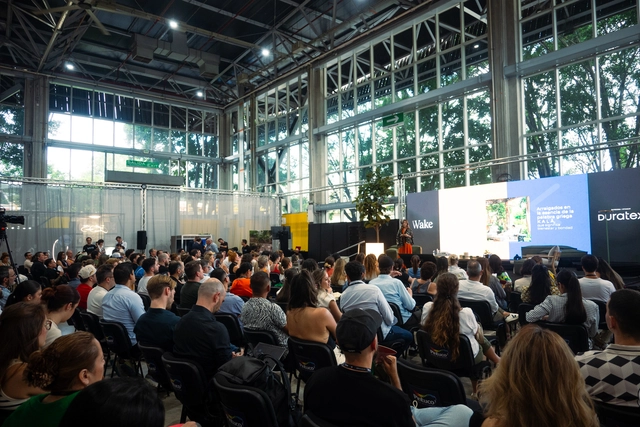
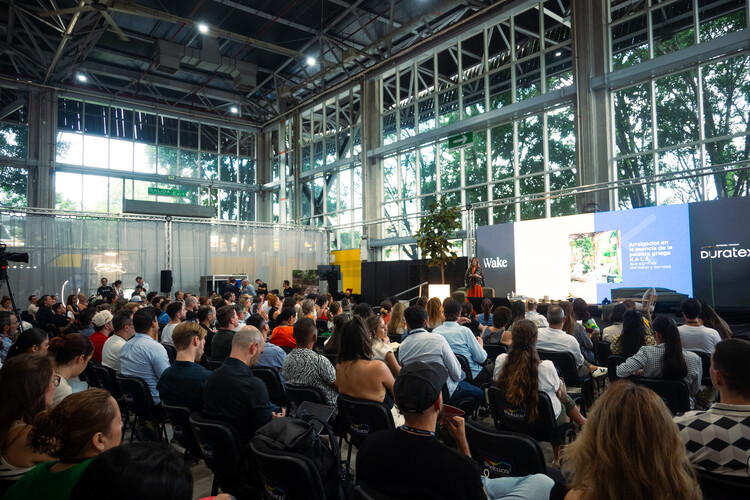
Asking questions is the first step toward challenging what we take for granted and opening up new possibilities for planning and building. These questions, valuable in themselves, gain new strength when shared and examined through different perspectives. As they intersect with the experiences of professionals and brands, they weave together viewpoints that enrich the discussion. Design fairs and events around the world have become spaces where these conversations gain momentum, fostering connections and encouraging collaborative dynamics. In this landscape, Colombia has emerged as a hub, serving as a platform that promotes architecture and design across Latin America and the Caribbean while bringing the region's voice to the global stage.
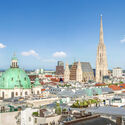
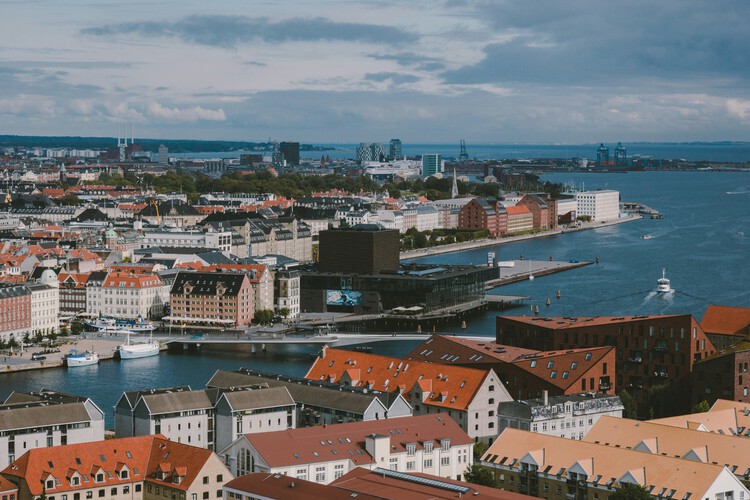
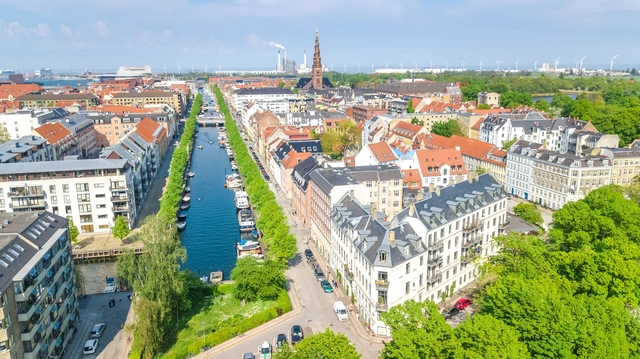
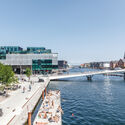
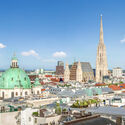
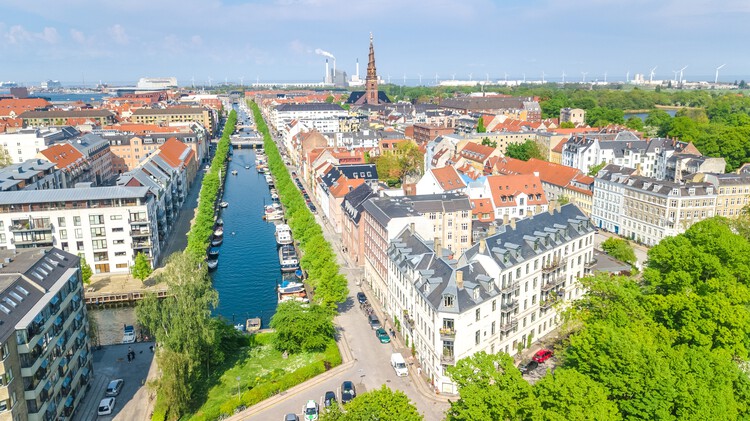
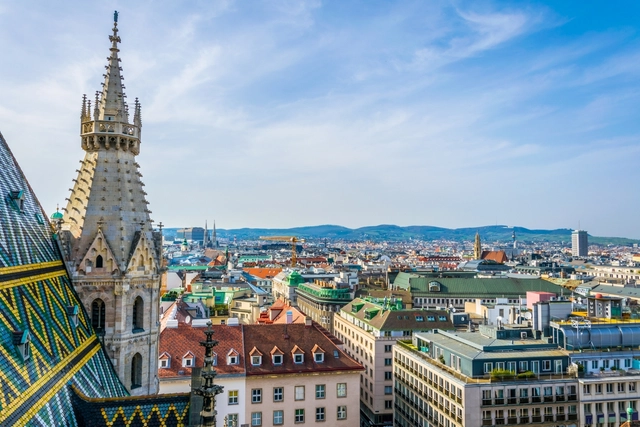
The Economist Intelligence Unit (EIU) has released its Global Liveability Index for 2025, assessing 173 cities worldwide across five categories: stability, healthcare, culture and environment, education, and infrastructure. This year, Copenhagen has taken the top position, ending Vienna's three-year run as the world's most liveable city. The Danish capital earned high scores in stability, education, and infrastructure, narrowly surpassing Vienna, which saw a decline in its stability rating following recent security incidents. The average global liveability score for 2025 remains steady at 76.1 out of 100, unchanged from 2024. While year-on-year improvements were recorded in healthcare, education, and infrastructure, these were offset by a continued decline in stability, driven by rising geopolitical tensions, civil unrest, and increased security threats in several regions.
The pursuit of an ideal city has long been a topic of debate among architects and urban planners. In addition to aesthetic identity and cultural heritage, the quality of life in every city represents perhaps the most important marker in this pursuit. This year, the Economist Intelligence Unit (EIU), a sister company of The Economist, has released its Global Liveability Index 2024, highlighting the cities that excel in this ongoing quest. For the third consecutive year, Vienna ranked as the most liveable city in the world. European cities Copenhagen, Zurich, and Geneva also rank high, attributed to their smaller populations, which contribute to lower crime rates and less congestion. In comparison with the 2023 ranking, the numbers for North American and Australian cities have been dragged down by the ongoing housing crisis.
The assessment ranks 173 cities from around the world. Each city is scored based on 30 qualitative and quantitative factors evaluating 5 categories: stability, healthcare, culture and environment, education, and infrastructure. The scores are based on external data points, in-house analysts, and in-city contributors. The category of stability has registered the biggest decline, as protests and armed conflicts increased in incidence. At the bottom of the cist, the city of Damascus, Syria, continues to be ranked as the least liveable city in the survey, followed by Tripoli, Libya, reflecting severe instability.
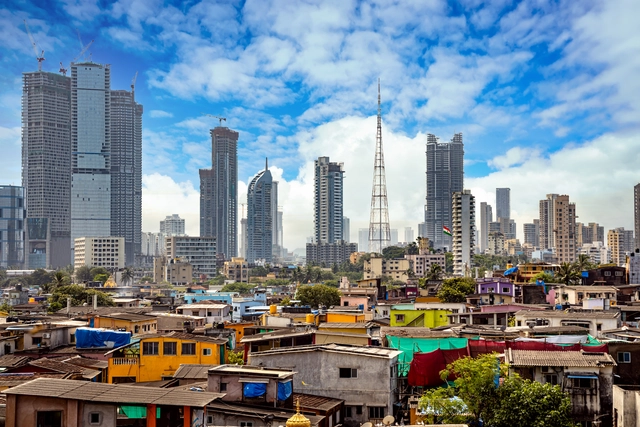
As a result of the nation’s ardent aspirations for growth and development, the social, economic, and physical landscape of India has transformed. A significant portion of the region’s population is of working age and comprises a massive market size, making India a land of opportunity especially in the eyes of foreign investors.
Reflecting this context, multiple mega-cities and mega-projects characterize the built environment and push the nation toward superpower status. On the flip side of the coin, these visionary projects along with the trend of rapid urbanization also bring in a range of side effects - the spread of informal settlements and in turn, the challenges to equitable development.
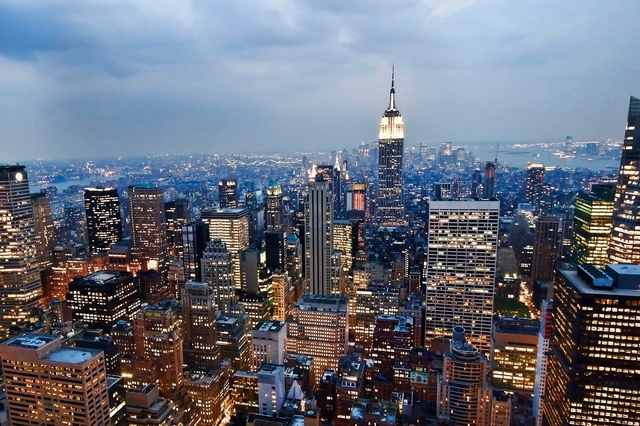
The Center for Globalization and Strategy from Barcelona’s IESE Business School has unveiled its annual list of the world’s smartest cities. In its fifth year, the IESE Cities in Motion Index has calculated the performance scores for 165 cities across 80 countries based on an exhaustive rubric of economic and social indicators. Familiar global power centers have maintained their position at the top of the heap, while expanded categories of assessment have helped a few small cities advance their position drastically.