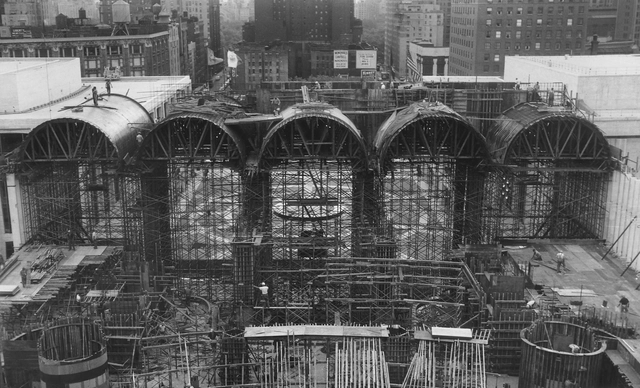
The new Met under construction in May 1964 (Photo: Metropolitan Opera Archives)
The Metropolitan Opera offers a free stream each night on the Met website for a period of 23 hours, from 7:30 p.m. EDT until 6:30 p.m. EDT the following day.
Beginning on Saturday, May 9 at 7:30 p.m. EDT, the Met will present a free stream of "The Opera House" by award-winning filmmaker Susan Froemke.
The 2017 documentary is about the fascinating creation of the new Metropolitan Opera House at Lincoln Center, which opened in 1966. Through rarely seen archival footage and recent interviews, discover the untold stories of the artists, architects, and politicians who shaped the cultural life of New
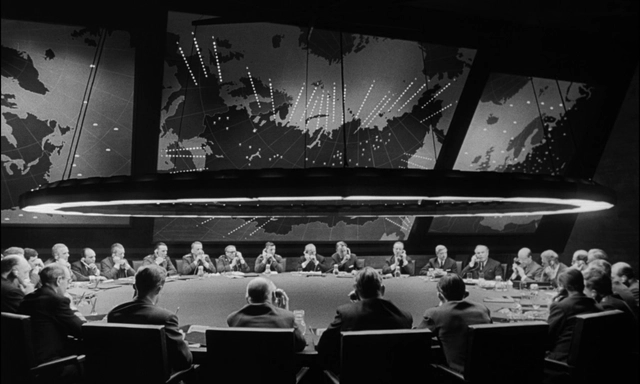
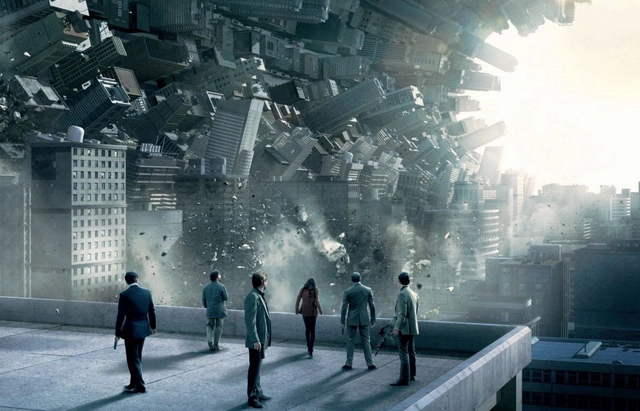
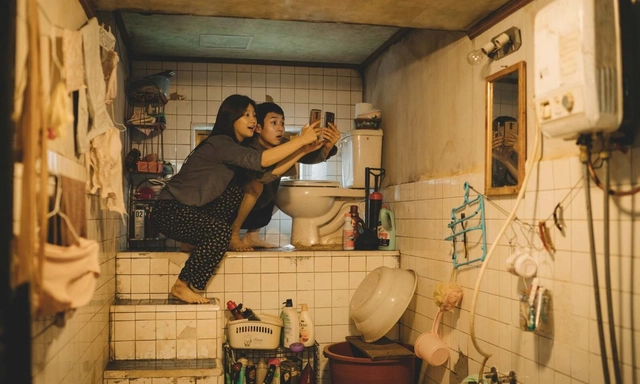
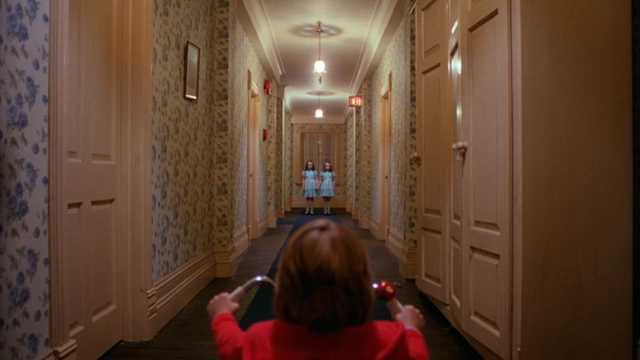
The recent success of Parasite, the award winning film directed by South Korean director Bong Joon Ho, has created a conversation around the emphasis of architecture and interior spaces in movies. This particular film does an excellent job of blurring the boundaries between the two disciplinary fields, to the point where the architecture is not just the background of the set, but it has been placed at the forefront of the storyline, and takes on the leading role in many scenes.
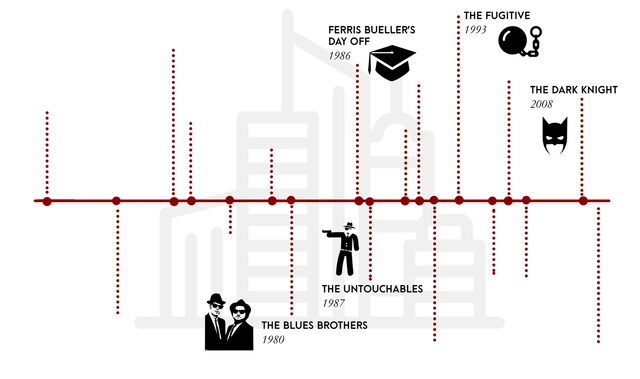
Timeline showing iconic films set in Chicago. Created by the authors. Image Courtesy of Kathryn H. Anthony, Fernando Nebot Gómez, and Yashasvini Rao
Chicago is one of the most photogenic cities in the world. Its sparkling lakefront, dramatic skyline, diverse ethnic neighborhoods, and gritty industrial sites have long captured the attention of locals and visitors alike, including Hollywood movie producers. Here the city often serves as not only a backdrop, but also as a starring role--almost as important as the characters themselves.
https://www.archdaily.com/930654/from-gangster-city-to-gotham-city-the-changing-image-of-chicago-in-hollywood-filmsKathryn H. Anthony, Fernando Nebot Gómez, Yashasvini Rao
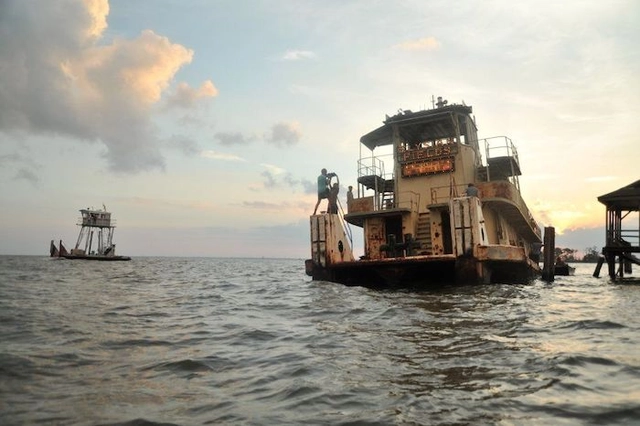
Beasts of the Southern Wild. Image: screenshot do filme
Architecture enjoys a close connection with moving picture, perhaps because of the limitless imagination it allows. Our mind can be taken far away to utopian worlds where we live different realities with our eyes and skin; movies can carry us to new and distant places, where we face new unusual realities.
However, besides carrying us to distant places, movies can also be a vehicle of social criticism. This is not news, as it has been done for almost as long as cinema has existed. The evolution of this role is relative to the topic of critique that has developed over time, as have our habits and ways of living. In this sense, one of the most emerging problematic of nowadays is climate change.from architecture to arts and, clearly, the movies.
The field of architecture is not exactly a hot topic of study for most undergraduate students. The closest they might get to the subject is an art history survey course in which architecture is presented as a parade of styles across the millennia—just another form of visual expression.
https://www.archdaily.com/932965/teaching-an-appreciation-for-architecture-through-filmMichael J. Crosbie
With the exception of Hollywood, there isn’t another place in the world that has become so inextricably linked to the film industry as the city of Cannes. For more than 70 years, everyone who’s anyone in the film world — and lots of other cinema enthusiasts— have migrated to the French Riviera in May for the biggest event of the year: the Cannes Film Festival, which combines glitzy red-carpet premieres with long and intense days of screenings, discussions and networking. Even though there are many obvious differences between a 12-day film festival and an awards show, Cannes is as big
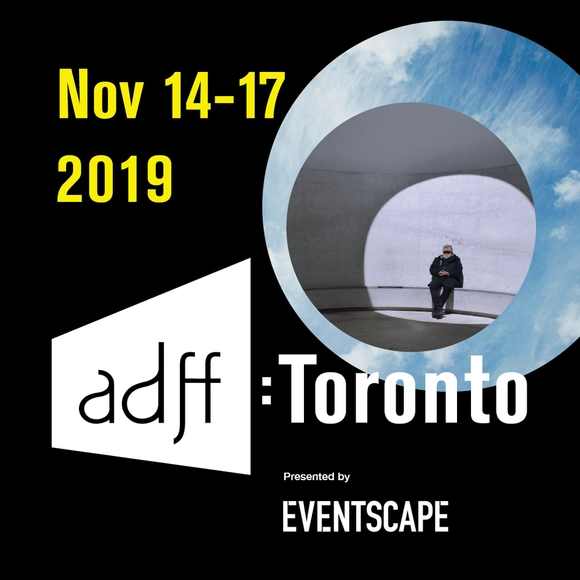
The Architecture & Design Film Festival celebrates the unique creative spirit that drives architecture and design. With a curated selection of films, events and panel discussions, ADFF creates an opportunity to entertain, engage and educate all types of people who are excited about architecture and design.
The inaugural ADFF: Toronto premieres on November 14. A long with a full line-up of 24 films, there will be over 20 speakers in panel discussions and Q&A’s — all at the TIFF Bell Lightbox.
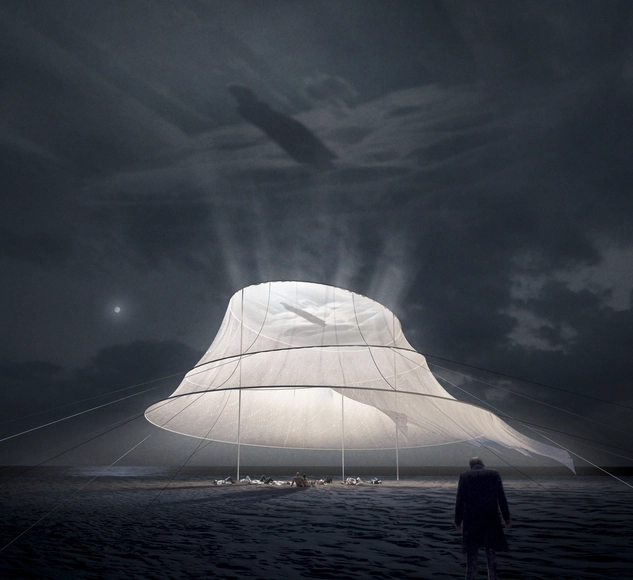
Since 2017, the Cyprus School of Architecture (CYSOA) holds a series of architectural competitions of installations and design implementations on the public beach of Geroskipou, Greece.
2018’s winning proposal by Russian firm KATARSIS Architects presented a beach cinema project titled Sky Cinema, a translucent structure that serves as both a canopy and screen.
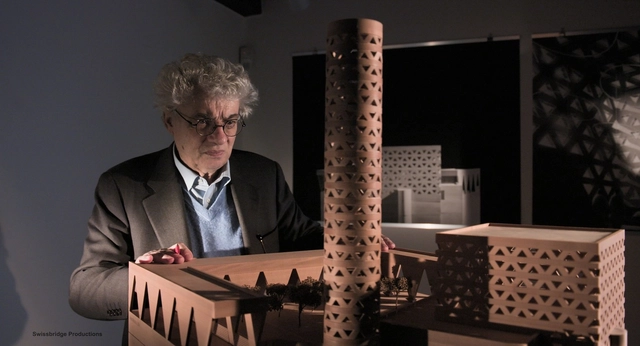
"Mario Botta: The Space Beyond" is a 78’ architectural documentary on the life journey and works of internationally-acclaimed Swiss architect Mario Botta. The film, which provides a glimpse of the person behind the architect, is co-directed by Loretta Dalpozzo and Michèle Volontè, and produced by Swissbridge Productions.
On the 16th, 17th and 19th of October, the documentary will be screened in New York during the Architecture and Design Film Festival, in the presence of the architect himself and the directors. The film will also be screened during the upcoming Rotterdam Film Festival, Beirut Art Festival, Artecinema film festival (Naples Italy), Milan Deign Film festival, and ADFF in Toronto and Vancouver.
Videos
Courtesy of Richard John Seymour & 3RW Arkitekter
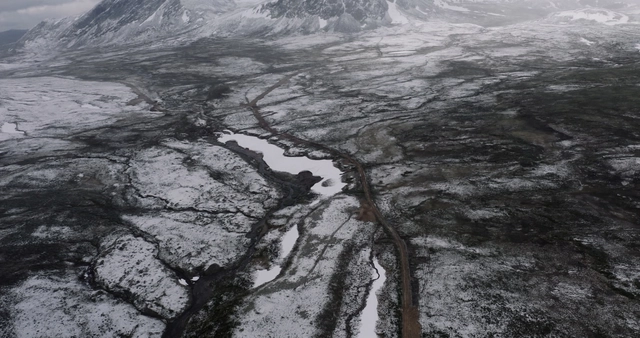
The various practices of mankind over the past decades have taken a huge toll on the environment. People of all nationalities, interests, and career backgrounds have been trying to find means to heal the wounded landscapes and shed light on the environmental crisis.
Directed by BAFTA-nominated film director Richard John Seymour and produced by Norwegian design firm 3RW arkitekter, Landscape Healing is a cinematic documentary that follows the journey of a diverse group of people who have been setting a paradigm for humanity's greatest challenge: the rewilding of our planet back to a sustainable level.
AFFR (Architecture Film Festival Rotterdam) is the world’s biggest international platform for films about the city and architecture. In this eleventh edition, the festival is once again programming a stunning selection of works about current themes related to society and the city. Broader and more topical than ever, the programme includes world premieres and films never previously screened in the Netherlands.
For the past nineteen years, AFFR has offered filmmakers a platform to showcase their view of the built environment. In collaboration with The Independent School for The City, the festival in 2019 is launching a Film & Architecture Studio, a
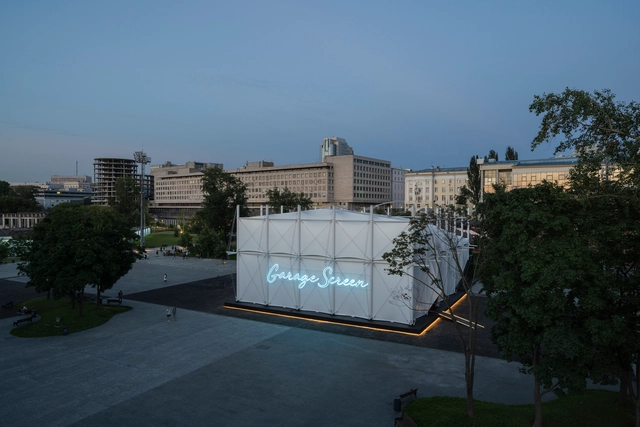
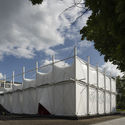
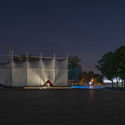
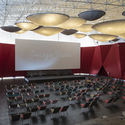
Garage Museum of Contemporary Art announces the second competition for the development of conceptual designs for 2020’s Garage Screen, a summer cinema located on Garage Square in front of the Museum. The competition’s goal is to provide architectural bureaus with an opportunity to submit their vision of a temporary pavilion to be installed in Gorky Park from spring to fall 2020. Applications will be accepted from 22 July through 16 August 2019.
The inaugural competition, held in the beginning of 2019, gathered over 130 applications from 24 Russian cities. Its geography and number of participants confirmed the importance of such
"Films have been studied by architects and other professionals who are interested in the field of architecture and urbanism because they offer a more subtle and responsive perspective of our discipline," Finnish Architect and Professor Juhani Pallasmaa tells us. Through its technical and aesthetical particularities, the cinema can go beyond simple representation to be a powerful instrument for conveying ideas and concepts related to architecture and urban space.
Set to screen at the ADFF:NOLA festival, Frank Gehry: Building Justice showcases how Gehry-led student architecture studios developed proposals for more humane prisons.
Thanks to initiatives like the Art for Justice Fund, Open Society Foundations, and a slew of insightful reporting, the American criminal justice system has been under great scrutiny and pressure to reform. Some of these changes have been quite prominent—such as the increasingly-widespread decriminalization of pot and pending major federal legislation—and have faced opposition from the powerful lobbying of the private prison corporations. However, despite the depth and breadth of criminal justice reform, one critically important element has remained mostly overlooked: the design of correctional facilities.
Videos
Urban Below - Still shot. Authorship: Han Wu & Studio 35mm (Hamid Khalili – University of Melbourne)
Today, the overlap of the tools and software products utilized by filmmakers and architects reinforces the historical bond between the two disciplines more than ever. In one of their design studios, Master of Architecture students at the Melbourne School of Design try to master the techniques and methods of filmmaking and employ them in their architectural films and animations.
https://www.archdaily.com/920626/students-rethink-architecture-through-filmmaking-at-melbourne-school-of-designAD Editorial Team
Etienne-Louis Boullée, though regarded as one of the most visionary and influential architects in French neoclassicism, saw none of his most extraordinary designs come to life. Throughout the late 1700s Boullée taught, theorized, and practiced architecture in a characteristic style consisting of geometric forms on an enormous scale, an excision of unnecessary ornamentation, and repetition of columns and other similar elements.