1. ArchDaily
  2. Factory Regeneration

Factory Regeneration: The Latest Architecture and News

Van Nelle Factory: The Story Behind a Modernist Icon in Rotterdam

Subscriber Access | 

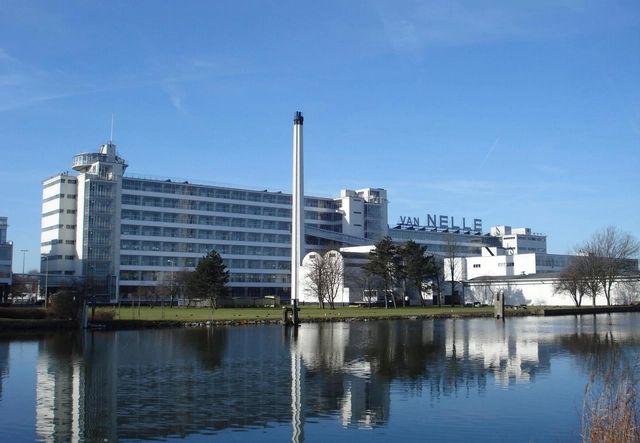
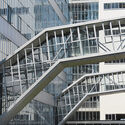
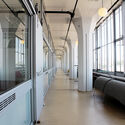
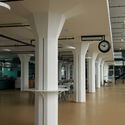
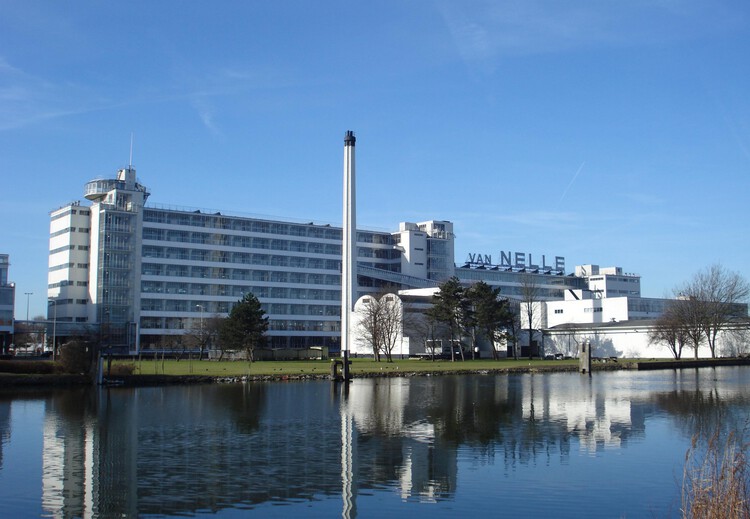
The Van Nelle Factory, located in Rotterdam, is one of the most significant examples of Modernist Industrial Architecture. Designed by Johannes Andreas Brinkman and Leendert van der Vlugt between 1925 and 1931, with the involvement of Mart Stam — a pioneer in modernist furniture design and architecture — the factory was conceived as a progressive and functional building for processing coffee, tea, and tobacco.

Envisioned as a "daylight factory", the Van Nelle complex introduced revolutionary architectural and social concepts for its time. By integrating glass, steel, and concrete into an open, rational layout, it demonstrated how design could transform industrial processes while improving the lives of the people within. It was not merely a space for production but a symbol of optimism, representing the potential of architecture to reshape industries and communities.

Van Nelle Factory: The Story Behind a Modernist Icon in Rotterdam - Imagen 1 de 4Van Nelle Factory: The Story Behind a Modernist Icon in Rotterdam - Imagen 2 de 4Van Nelle Factory: The Story Behind a Modernist Icon in Rotterdam - Imagen 3 de 4Van Nelle Factory: The Story Behind a Modernist Icon in Rotterdam - Imagen 4 de 4Van Nelle Factory: The Story Behind a Modernist Icon in Rotterdam - More Images+ 37

MVRDV Wins Competition to Design the Master Plan for a Taiwanese Town’s Water Network

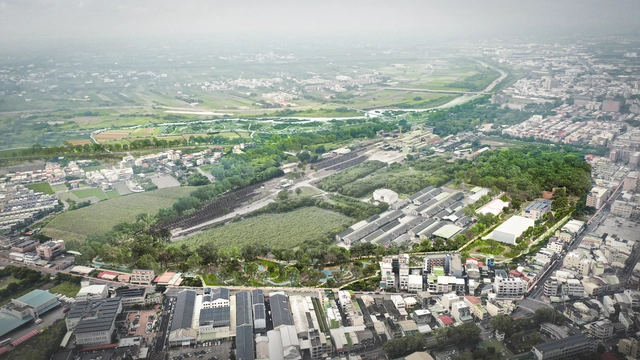
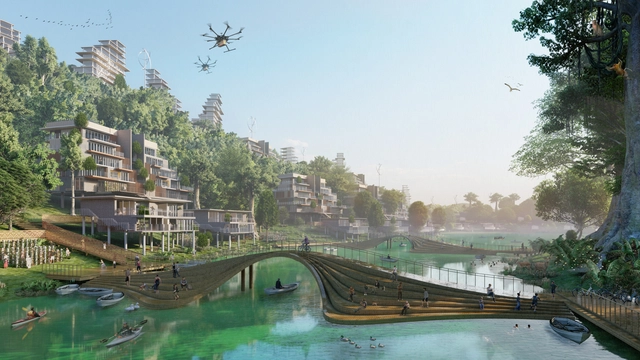
International office MVRDV has been selected by the Taiwan Ministry of Economic Affairs to design the Hoowave Water Factory, a large-scale redevelopment of Huwei’s Beigang and Anqingzhen waterways. The project combines a strategic master plan with the landscape design in an effort to move beyond the mono-functional approach for controlling and distributing water. Besides storing and capturing water, the proposal also opens up access to the river and the natural ecosystem by integrating cycling paths, cultural amenities, and ecological systems. The master plan also includes a comprehensive strategy for flood resilience while improving the quantity and quality of available water. The project is expected to be completed in 2026.

MVRDV Wins Competition to Design the Master Plan for a Taiwanese Town’s Water Network - Image 1 of 4MVRDV Wins Competition to Design the Master Plan for a Taiwanese Town’s Water Network - Image 2 of 4MVRDV Wins Competition to Design the Master Plan for a Taiwanese Town’s Water Network - Image 3 of 4MVRDV Wins Competition to Design the Master Plan for a Taiwanese Town’s Water Network - Image 4 of 4MVRDV Wins Competition to Design the Master Plan for a Taiwanese Town’s Water Network - More Images+ 12

Three Adaptive Reuse Projects in North Carolina Reinvent Historic Mills

Subscriber Access | 

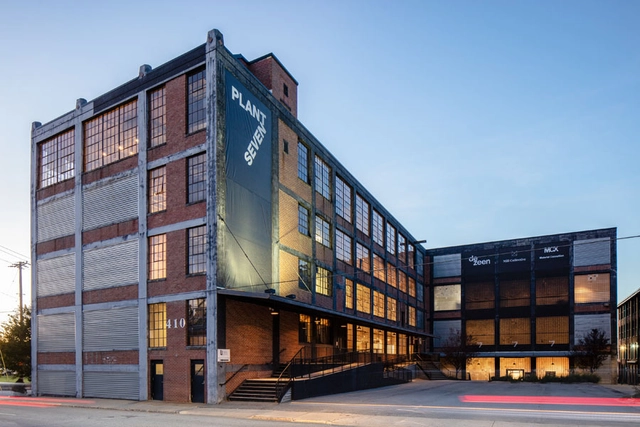
Adaptive reuse or the process of transforming an older building by reusing the structure and changing its original purpose, has gained relevance over the years especially because it allows a complete optimization of the performance of the existing built environment. In a piece, originally published on Metropolis, author Elissaveta Brandon explores how "architects and developers are transforming the staples of the South—located throughout a 120-mile region from Winston-Salem to Fayetteville—into infrastructure fit for today". Transforming historic mills into design hubs, and mixed-use complexes, the article highlights 3 examples from North Carolina.

Foster + Partners Transforms Historic Industrial Building into Offices for Acciona in Madrid, Spain

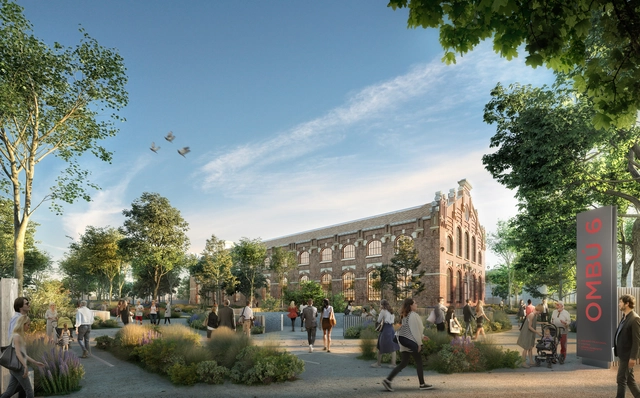
Foster + Partners is leading massive refurbishment works on a historic building in Madrid. The renovation project that will put in place an office building for Acciona, seeks to revitalize an abandoned old industrial building built in 1905, generating over 10,000 square-meters of new spaces.

Foster + Partners Transforms Historic Industrial Building into Offices for Acciona in Madrid, Spain - Image 1 of 4Foster + Partners Transforms Historic Industrial Building into Offices for Acciona in Madrid, Spain - Image 2 of 4Foster + Partners Transforms Historic Industrial Building into Offices for Acciona in Madrid, Spain - Image 3 of 4Foster + Partners Transforms Historic Industrial Building into Offices for Acciona in Madrid, Spain - Image 4 of 4Foster + Partners Transforms Historic Industrial Building into Offices for Acciona in Madrid, Spain - More Images+ 1

MVRDV Transforms Disused Urban Factory into Creative Hub in Shenzhen, China

MVRDV has just unveiled the If Factory, a disused urban structure converted into a new 11.000 m2 creative building, containing a mixture of offices for the Urban Research Institute of China Vanke and offices for rent. Located in one of Shenzhen’s most historic districts, Nantou, the project is the largest proposed renovation in the city to date.

MVRDV Transforms Disused Urban Factory into Creative Hub in Shenzhen, China - Image 1 of 4MVRDV Transforms Disused Urban Factory into Creative Hub in Shenzhen, China - Image 2 of 4MVRDV Transforms Disused Urban Factory into Creative Hub in Shenzhen, China - Image 3 of 4MVRDV Transforms Disused Urban Factory into Creative Hub in Shenzhen, China - Image 4 of 4MVRDV Transforms Disused Urban Factory into Creative Hub in Shenzhen, China - More Images+ 8

An Emergency Housing Complex and a Museum in Helsinki: 7 Unbuilt Projects Submitted by our Readers

Subscriber Access | 

This week’s curated selection from our readers’ submissions focuses on some of the essential components of our present-day cities.

Featuring the best-unbuilt architecture, the article highlights adaptive reuse projects that transformed abandoned warehouses and factories, a street design in Luxembourg, a regenerative master plan in Seoul, and an emergency family accommodation to temporarily house those in need. Moreover, the roundup distinguishes a library in South Korea and an extension of a museum in Helsinki, because the cultural aspect is an integral part of our urban environment.