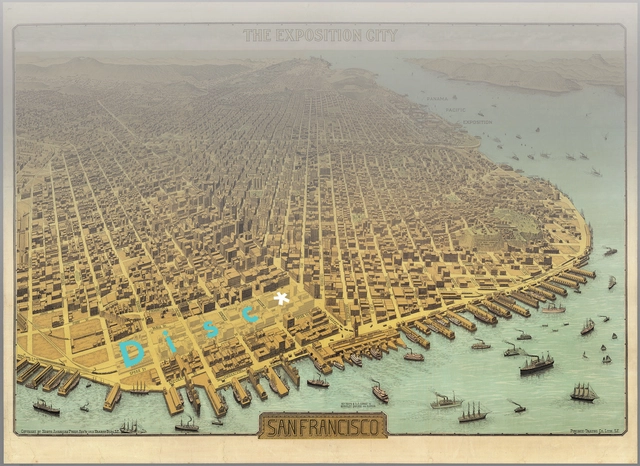
Disc*2020 (Design & Innovation for Sustainable Cities) is a five week summer program for currently enrolled college students that explores an interdisciplinary and multi-scalar approach to design and analysis in the urban environment.
Now, more than ever, there is a need for Resilient Design and Planning in our cities in response to the unprecedented challenges of the global pandemic, climate change, and social inequities. Disc* brings together interdisciplinary students and expert practitioners from around the world to reframe these challenges as opportunities for design innovation.
As we move to remote learning this summer, we will utilize immersive technology including virtual
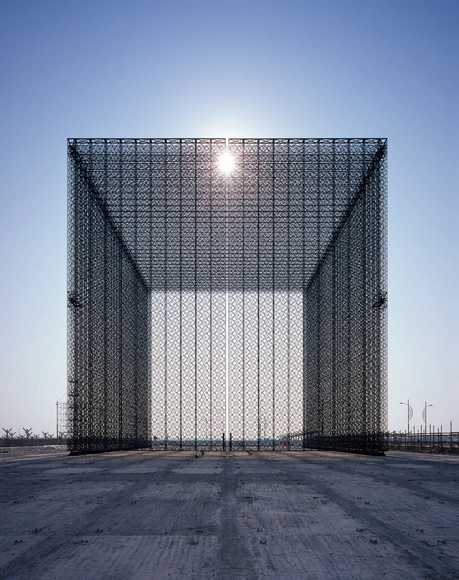
Expo 2020 Dubai has been postponed and will be held from 1 October 2021 to 31 March 2022. The decision has been declared after the two-thirds majority of the votes was surpassed within a week of voting, opening on 24 April.
LIVING IN ISOLATION The COVID-19 pandemic has presented the world with unprecedented challenges and is impacting our daily lives by restricting our personal movements radically. It almost goes without saying that this month has continued to see extraordinary, rapid and previously unthinkable changes to public and private spaces. As the virus continues to spread, countries around the globe have ordered citizens to retreat to their homes - and stay there. Social distancing measures drastically scaled down our personal range of movement to our ‘own four walls’. These drastic changes caught us, and our living environments, off guard. As we shelter in our own homes, the rooms where
Cities used to be hailed for cultural diversity, with thriving and resonating dynamism. But today, scenes of desperation reigns, as stores are closed, streets rendered lifelessly and -from our homes, we no longer enjoy urban economic vibrancy. As numerous businesses are facing bankruptcy, others realise that -with technology, working 100km or 5km away makes no difference. The coronavirus brought our urban economy to a standstill. The functioning of cities is being re-questioned. How we react to this crisis will shape the city for decades to come.
https://www.archdaily.com/938782/coronavirus-as-an-opportunity-to-address-urban-inequalityZaheer Allam, Gaetan Siew and Felix Fokoua
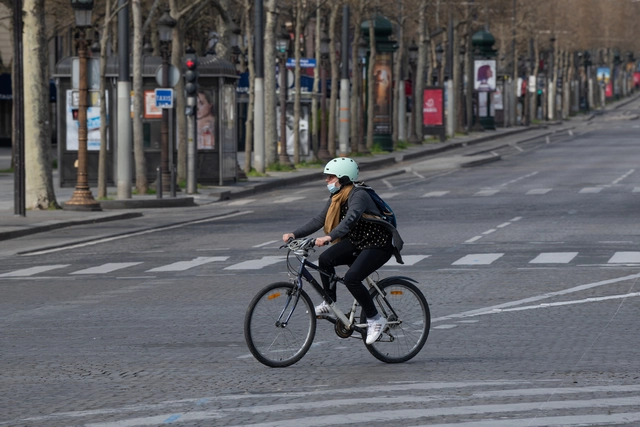
PARIS, FRANCE March 22th 2020 : The Cyclist with medical mask on Champs Elysées empty during the period of containment measures due to the Covid-19 Coronavirus. Image via Shutterstock/ By Frederic Legrand - COMEO
Paris, just like Milan, is planning on keeping its streets car-free after the coronavirus lockdown. Mayor Anne Hidalgo announced plans to maintain the anti-pollution and anti-congestion measures introduced during the confinement period, as the city reopens.
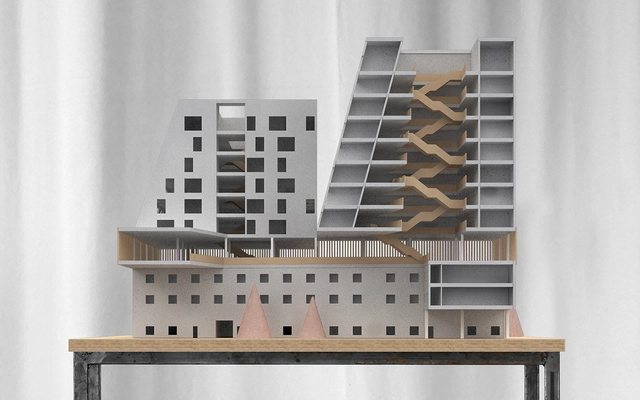
This spring semester 2020, architect Wonne Ickx from PRODUCTORA was invited to teach a studio at RICE University in Houston, Texas as the Cullinan Visiting professor. The studio was called 'Pyramid Schemes' and combined an interest in the early XXth Century housing projects by Henri Sauvage, with a project site in Mexico City and an analysis of the related local conditions. The studio started out with quite some travelling forth and back between Houston and Mexico City, including a week-long study trip of the RICE students to Mexico's capital.
A global pandemic can change the way you look at things. In Greenwich, Connecticut, as with most places, restaurants and bars are shuttered now, schools are closed, and traffic is sparse as people stay home and maintain social distancing.
But each weekday, as the sun comes up over the eerily tranquil streets of the historic downtown business district, First Selectman Fred Camillo is still heading to the office. Camillo works in the Town Hall, a public building that’s been off-limits to the public—and to most employees—since mid-March, when all of Connecticut entered a constantly evolving state of lockdown following an executive order by Governor Ned Lamont in response to the COVID-19 outbreak.
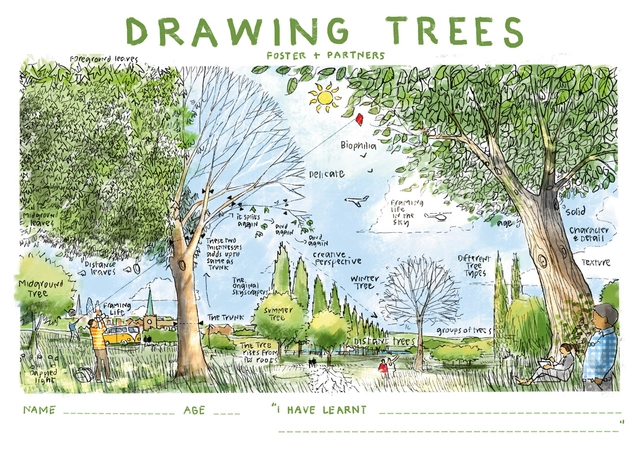
Foster + Partners has created a series of architectural challenges for kids, to learn and have fun during the lockdown. Available templates and activities include making paper skyscrapers, creating your own city, drawing trees, and imagining the future.
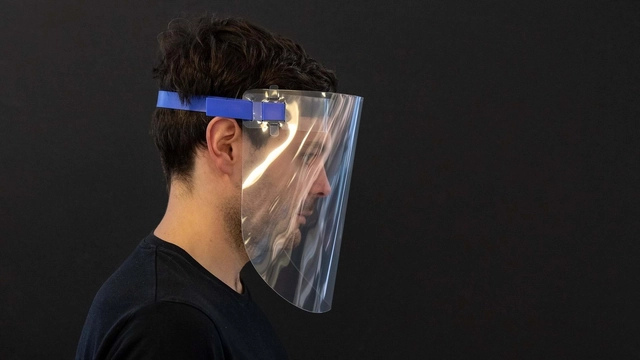
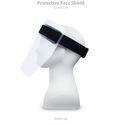
Architects around the world have put their knowledge to use in the fight against the coronavirus. While some designed alternative facilities to increase the capacity of hospitals, others imagined different types of face protection gears to help with the world-wide shortage of masks. Using 3d printing technology, easy to assemble techniques, and low-cost material, firms, universities, and individuals have mobilized their expertise to create face shields for citizens and medical staff.
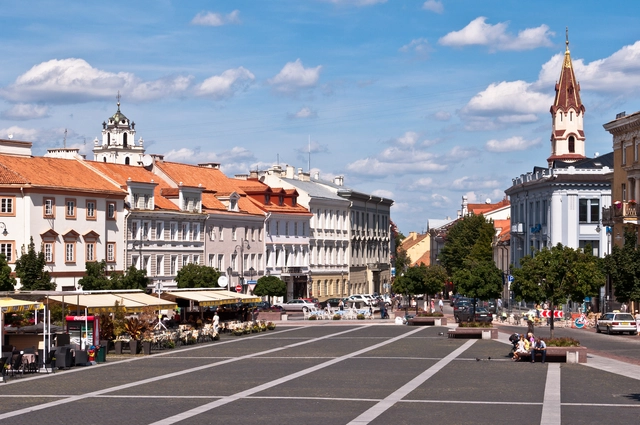
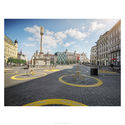
The Town Hall Square in Vilnius, Lithuania. Image via Shutterstock/ By Donatas Dabravolskas
The Lithuanian capital Vilnius has decided to allocate its public spaces to bars and cafes, to encourage the reopening of restaurants under required physical distancing measures. Turning the outdoor space into one vast open-air café, the city is taking new safety measures to step into the next phase of the lockdown.
Almost two months have passed since the quarantine regime started in several countries as a strategy to reduce the transmission rate of the coronavirus. Since then, a considerable part of the architecture professionals has started to adopt telework or home office, keeping up with the projects that have already started, supported by a number of new online meeting tools, document storage in the cloud and BIM models.
https://www.archdaily.com/938534/what-can-we-do-to-overcome-or-avoid-the-next-crisis-in-architecture-and-constructionEquipe ArchDaily Brasil
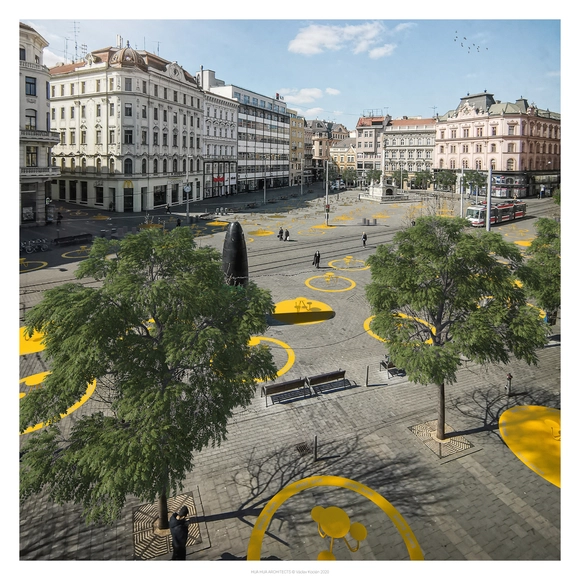
HUA HUA Architects has imagined a proposal that can reconcile people and public spaces, post Covid-19. The Gastro Safe Zone program aims to awaken stagnant gastronomic businesses by regulating outside eating and ensuring the required social distancing measures. The first prototype has been already installed in the streets of Brno in the Czech Republic.
The disruption caused by the coronavirus may have opened doors that many have been waiting for. Preliminary studies support that we experienced a faster technological revolution during the last three months than ever before. Forced to adapt, and to ensure the liveability of urban fabrics, policymakers are reviewing data protocols and legislations, giving way to tech-powered urban health solutions. However, many of those amendments will stay post virus. The precedence gained as a legacy will offer cause for both wonder and worry for our urban future.
https://www.archdaily.com/938484/the-cause-of-wonder-and-worry-over-digital-cities-post-virusZaheer Allam, Gaetan Siew and Felix Fokoua
In the past 30 days, Amazon searches for touchless products such as automatic shoe cover dispensers, touch free soap dispensers, contactless thermometers, and hand free faucets have increased by up to 2000%. As anxieties over the spread of COVID-19 through contact or shared surfaces continue to plague the general population, these technologies offer a potential solution for offices or organizations struggling to stay operational without increasing the risk of viral spread.
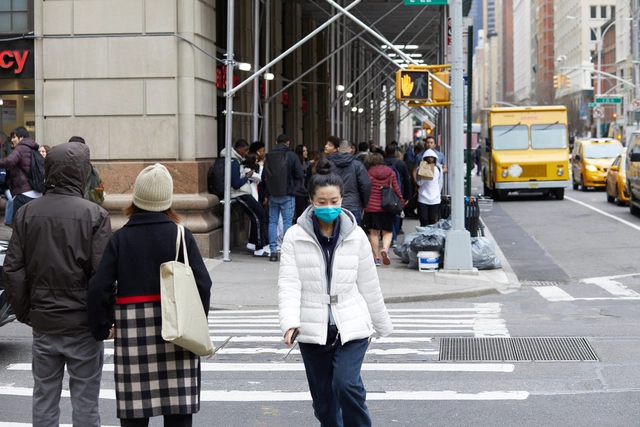
New York, NY / USA - March 12, 2020. Image via Shutterstock/ By hector de jesus
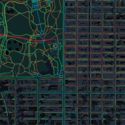
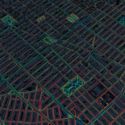
As social distancing becomes the new norm in the fight against COVID-19, people are finding it harder to keep up with the six-foot rule in dense cities. Urban Planner Meli Harvey developed a map of New York that shows the width of sidewalks in the city, aiming to highlight public areas where social distancing can be maintained.
This week David and Marina are joined by Jenny Sabin, Alvin Huang, and Mitch McEwen to discuss Project PPE, Architects 3d printing and fabricating masks and other protective headgear for healthcare workers, architects helping during COVID-19 and times of crisis, methods of working, and what the pandemic means for the future profession of architecture.
https://www.archdaily.com/938214/fabricating-personal-protective-equipment-architecture-in-a-post-virus-worldThe Second Studio Podcast
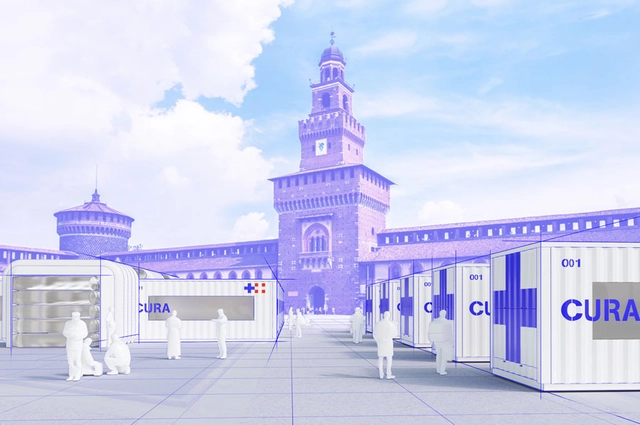
CURA pods. Image Courtesy of Carlo Ratti Associati
As the global health crisis continues, architects and designers are putting their expertise, technical capabilities and research skills in the service of the fight against the coronavirus. Metropolis Magazine has gathered together a list of several companies and their different initiatives for helping out in this novel situation. From 3d-printing personal protection equipment for medical staff, to designing modular intensive care units, and researching steps for converting buildings into hospitals, the creative community is bringing its own contribution to the efforts of tackling the pandemic.
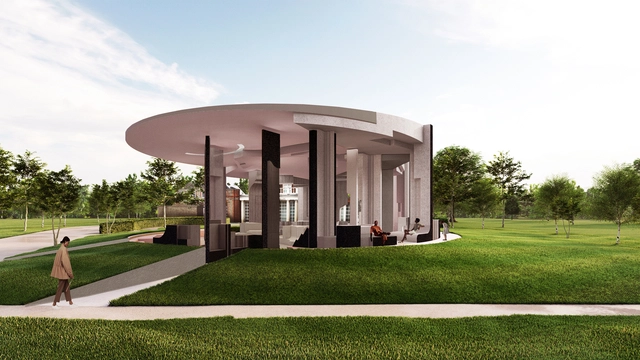
The opening of the 20th Serpentine Pavilion, designed by South African Studio Counterspace, has been postponed to summer 2021. "Counterspace, directed by Sumayya Vally, Sarah de Villiers and Amina Kaskar, will collaborate with the Serpentine on a series of off-site and online research projects throughout 2020, which will culminate with the opening of the Pavilion in Summer 2021," the Serpentine Galleries announced.



.jpg?1588588896&format=webp&width=640&height=580)












.jpg?1587954414 "NUBO Kindergarten / PAL Design. Image © Michelle Young, Amy Piddington")