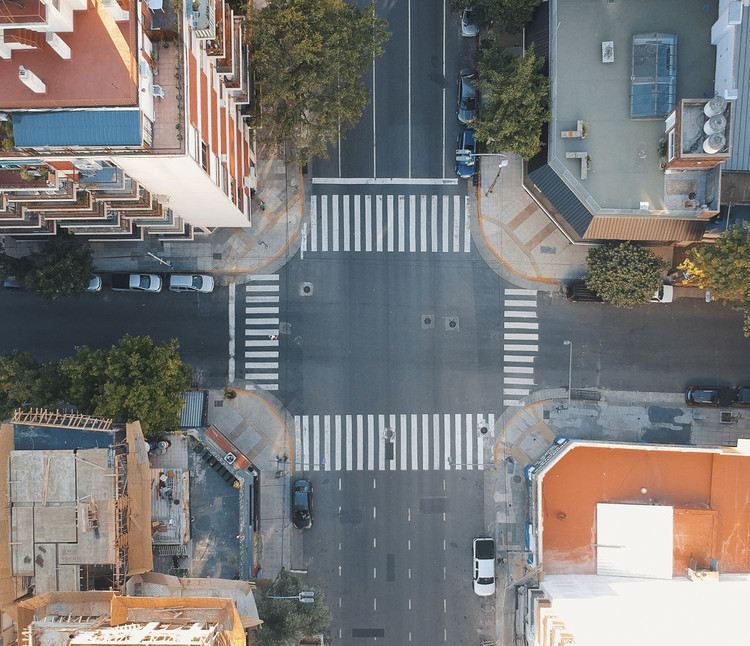
Since March 20, the Argentine government has taken drastic measures to protect the public and curb the spread of COVID-19, including mandatory social isolation. Under these measures, residents and anyone visiting the country must remain indoors and abstain from visiting public spaces until the March 31.
Perhaps nowhere are the effects of the quarantine more notable than on the streets. All cultural, recreational, athletic, and religious events have been cancelled. Public areas like plazas and parks are ghost towns. With the streets closed, balconies have become the new platforms for everything from social interactions and celebrations to protests.
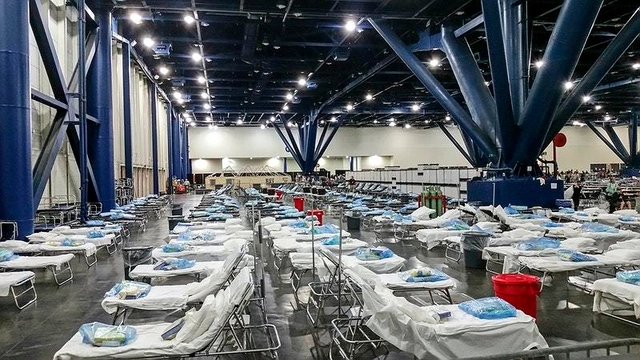
As hospitals in the United States are starting to hit capacity due to the COVID-19 pandemic, the American Institute of Architects has released a new design guide from their COVID-19 Task Force. The “Preparedness Assessment Tool” is intended to assist non-healthcare design professionals with identifying alternate sites suitable for patient care. The task force developed the tool using established healthcare design best practices and standards in combination with federal documents issued during the crisis.
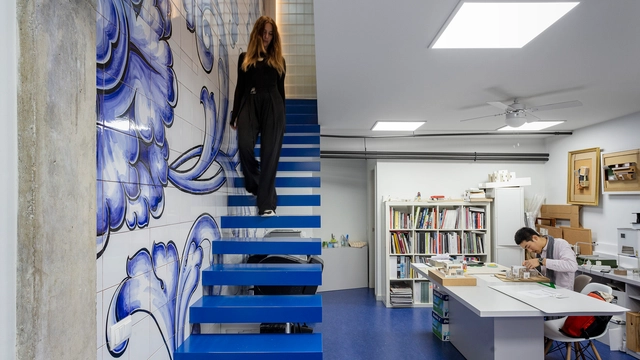
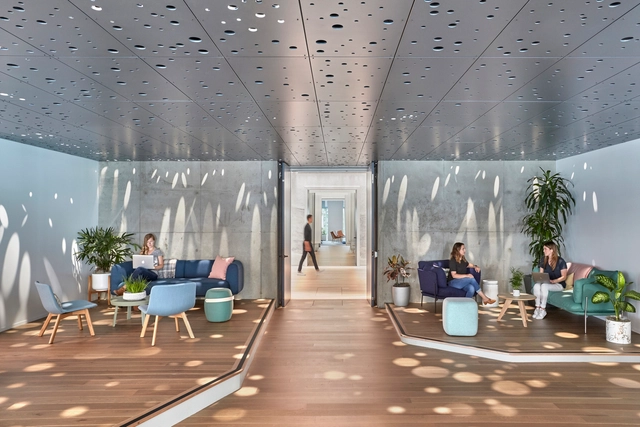
The COVID-19 pandemic has transformed how we work. As designers are quickly rethinking traditional workflows to stay connected, in San Francisco, Studio BBA is adjusting the way they work to make sure client needs are delivered. Advocating for architecture that inspires human connection, they are creating spaces and places from the alchemy of inspiration, site, materials, vision and form.
From Wuhan to New York, the epicenter of the coronavirus is moving from east to west and leaving a staggering number of corpses behind. We read of alarming reports, contradictory news, and reminded every day that we live in unprecedented and difficult times. One good news, however: emissions in cities are on the decline, and nature is running its regenerative course. But how long will this last?
With the COVID-19 pandemic forcing many architecture firms to quickly transition into a work from home, designers are having to discover new ways to work without everyone being in the same room. The casual conversations, overheard ideas, and site visits that were once an integral part of our jobs have been put on pause, and have left some architects wondering how everyone else is continuing project work.
Humanity is facing a collective new challenge unprecedented in our lifetime. One of isolation, driven by self-quarantine, for a period unknown. It is a social experiment with no predictable outcome. But one constant in the equation is architecture.
With over half the world’s population inhabiting cities or densely populated areas, billions of people are currently residing in small spaces, disconnected from one another by brick, concrete and steel. The social housing experiment of the 1950s and 60s created a new architectural typology, which was compounded by an underlying social construct, driven by capitalism, that told us to mind our own business. Somehow, during the age of high rises that followed, turned this idea of isolation into a status symbol, as private penthouses, accessed by private elevators, today float high above the city streets.
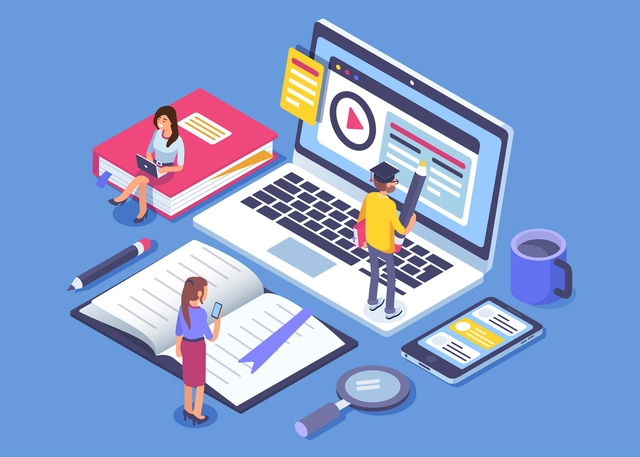
Since the recent COVID-19 quarantine restrictions were enforced, social media has been filled with images of employees working from home, students transitioning to home-school learning, and friends and family socializing via Skype calls and Zoom meetings. With the outpouring of tips for how to work from home, and how to keep a regular routine during these certain times, many people are questioning how to create a long term plan for online studio design instruction.
This article aims to provide some practical tips to schools and students around the globe based on our experience with online design studio teaching in our Master program at Tsinghua University’s School of Architecture since February.
https://www.archdaily.com/936580/tips-for-design-studio-teaching-in-the-age-of-covid-19Martijn de Geus
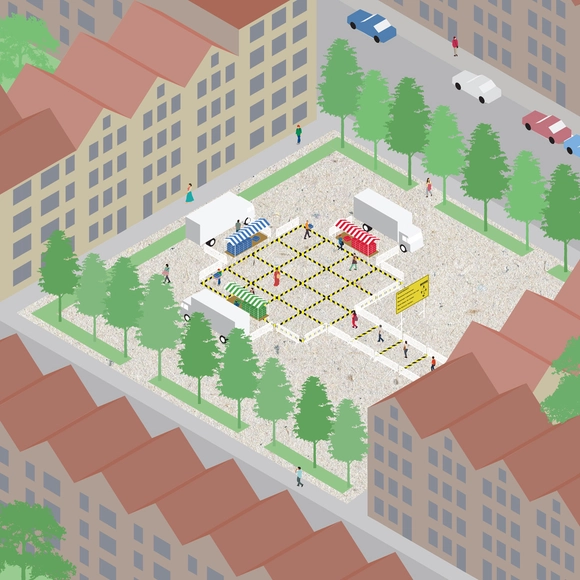
Shift architecture urbanism developed micro-markets that can operate on a hyper-local scale during coronavirus shutdowns. The research elaborated on a scheme allowing traders to provide fresh food in a safe way to the self-quarantined inhabitants of the city.
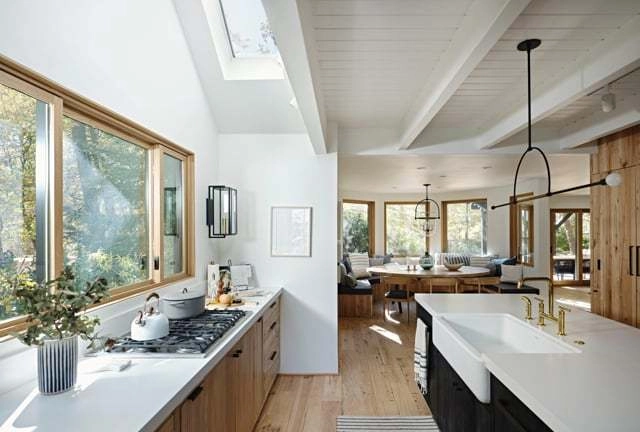
Danish company VELUX began with a belief in building healthier homes. Created over 75 years ago by Villum Kann-Rasmussen, the manufacturer has now expanded around the world, with millions of people getting fresh air and daylight through their products. With recent events on the COVID-19 pandemic, Lone Feifer and Peter Foldbjerg of VELUX explore how architects and designers can find better ways to work at home and create healthy living spaces.
As New York is facing unprecedented circumstances and as the numbers of infected people with the coronavirus are reaching new highs, officials are seeking fast and efficient solutions to generate useful spaces for patients. With a timeline of a few weeks, the city is looking into ways of altering the existing structures.
While the world is on pause and we are all learning how to work from home trying to keep up with our usual productivity levels and fighting the lack of focus, we at ArchDaily want to help our readers keep their minds sharp through this challenge. One of the ways not to get absorbed in your daily routine is to make sure you have enough mental activity every day, and we have just the thing for you!
As a lot of projects are on hold right now, and architects struggle to find new work to take on, we have found something to keep your mind busy in the meantime — entering a competition will help you stay productive and overcome challenges while the majority of plans are postponed. Read on for a list of 7 contests you can enter right now.
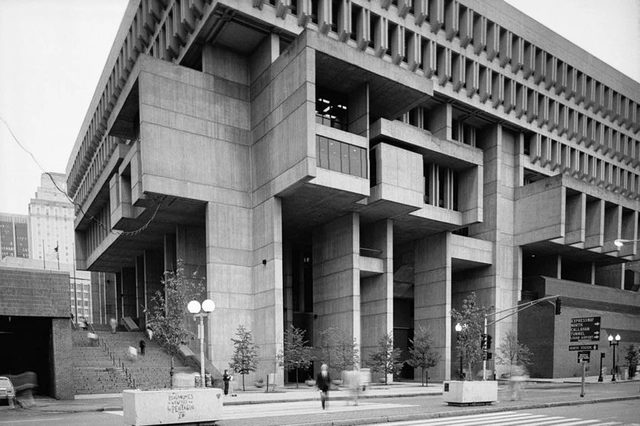
Boston City Hall. Image Courtesy of Kallmann, McKinnell, & Knowles
Michael McKinnell, a British-born American architect, known for his work on the acclaimed Boston’s Brutalist City Hall, and co-founder of the Kallmann McKinnell & Wood architectural design firm, has passed away on March 27, 2020, at the age of 84, from COVID-19-induced pneumonia.
The world crisis caused by the Coronavirus has called millions of people to quarantine and socially distance in order to stop the contagion curve. This has resulted in companies being confronted with the challenge of continuing to work remotely, with most of their teams working from home.
https://www.archdaily.com/936691/trends-report-how-architects-are-working-from-homePola Mora
In times of quarantine, architects and designers are settling into a new remote working environment. In this process of implementing platforms and workflows to work from home, the risk of social isolation remains real, even for companies used to this environment, such as ArchDaily. As David Basulto, CEO of ArchDaily, wrote last week, the quarantine implies not just working online, but "staying connected and support each other."
The COVID-19 pandemic has transformed how we work around the world. From telecommuting and distance learning to virtual events, designers have quickly rethought traditional workflows to stay connected. With the rise of both self-imposed and mandated social distancing, as well as global turn towards remote work, ArchDaily is exploring the impact of COVID-19 and what it will mean for the future.
Just 2 months ago, the city of Wuhan, China announced the construction of Wuhan Huoshenshan Hospital, adding 1,000 beds, 30 ICUs, and new isolation wards to the city's medical arsenal to combat the Coronavirus epidemic. The building was completed in under 10 days by a team of 7,000 construction workers, a far cry from the reality many countries are facing as they scramble to quell the outbreak and wrestle with the shortcomings of their own healthcare systems. With over 14,000 dead and more than 300,000 infected worldwide, not to mention a shortage of medical supplies and facilities, health systems across the globe are feeling the strain of preparing for a crisis.
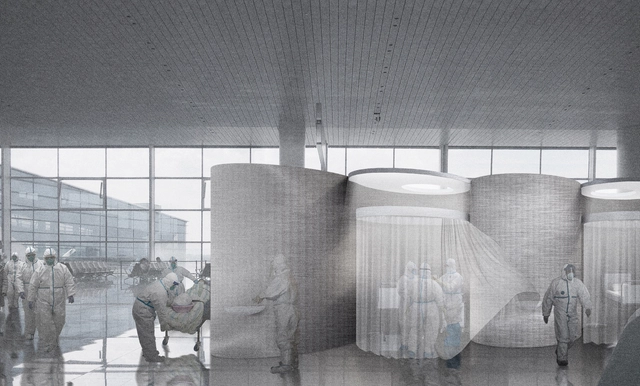
Opposite Office has proposed to transform the new Berlin airport, under construction since 2006, into a “Superhospital” for coronavirus patients. In an attempt to prepare the healthcare system and increase its capabilities, Opposite Office presented an adaptive reuse alternative, drawing contextual solutions to fight the pandemic.
In light of the coronavirus pandemic affecting the entire world, the board of the Salone del Mobile. Milano has decided to postpone the 2020 edition of the annual fair until next year. The international event will, therefore, take place from the 13th to the 18th of April 2021.






















.jpg?1585554699&format=webp&width=640&height=580)