1. ArchDaily
  2. Civil Architecture

Civil Architecture: The Latest Architecture and News

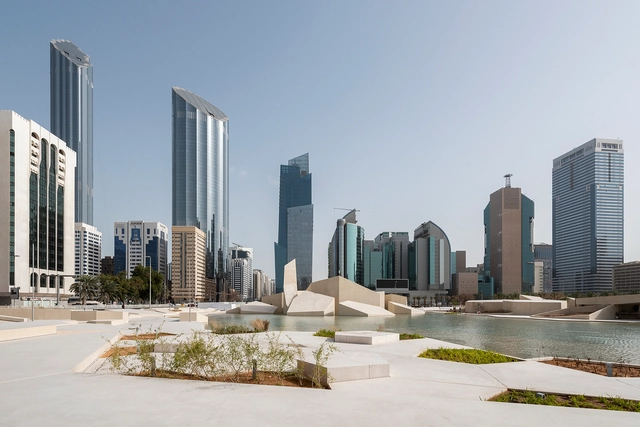
What Accumulates? Lessons on Materiality, Memory, and Public Space from Amman Design Week 2026

Audio available

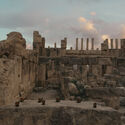
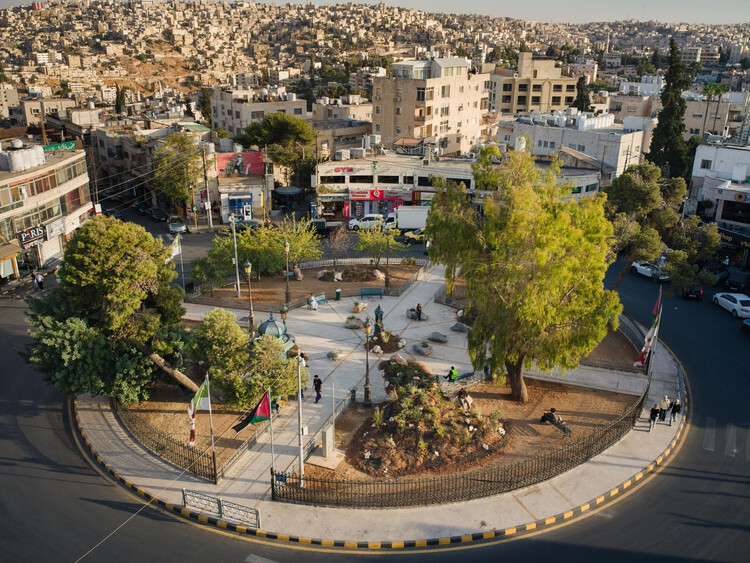
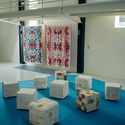
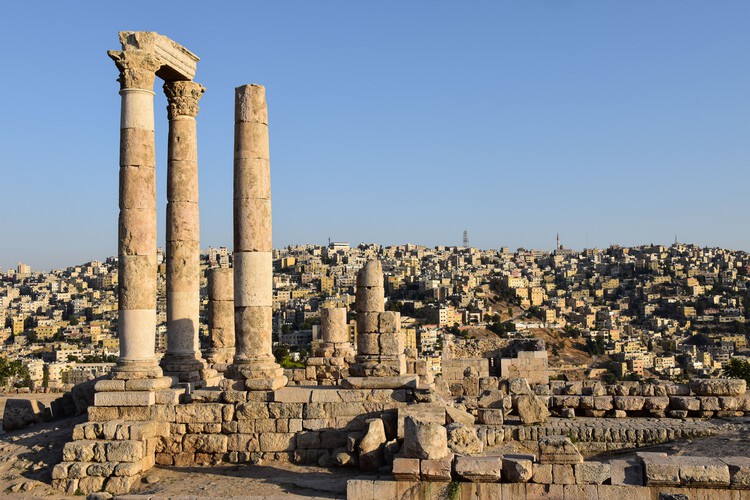
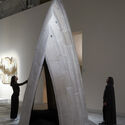
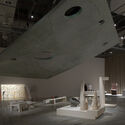
After a seven-year pause, Amman Design Week returned to Jordan with a premise that feels closely tied to the city itself: that nothing is ever entirely new. Under the theme "Accumulations," the fourth edition of the biennial event brought together more than 220 designers, makers, architects, and collectives across exhibitions, public interventions, talks, workshops, and performances from October 2 to 17. The premise was particularly relevant to Amman, a city whose architecture has been shaped by waves of construction, migration, adaptation, and reuse, where accumulation is not simply a metaphor.
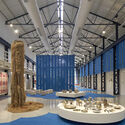
What Accumulates? Lessons on Materiality, Memory, and Public Space from Amman Design Week 2026 - Image 1 of 4What Accumulates? Lessons on Materiality, Memory, and Public Space from Amman Design Week 2026 - Image 2 of 4What Accumulates? Lessons on Materiality, Memory, and Public Space from Amman Design Week 2026 - Image 3 of 4What Accumulates? Lessons on Materiality, Memory, and Public Space from Amman Design Week 2026 - Image 4 of 4What Accumulates? Lessons on Materiality, Memory, and Public Space from Amman Design Week 2026 - More Images+ 23

Amman Design Week 2026 Returns with "Accumulations," Exploring the Layers of Place, Material, and Memory

Audio available

Following its last edition in 2019, Amman Design Week returns from October 2-17, 2026, bringing more than 220 designers and participants together across exhibitions, installations, public-space projects, talks, workshops, and performances in Jordan. The fourth edition unfolds across Ras El Ain, Jabal Al Lweibdeh, Jabal Amman, Iraq Al Amir, and, for the first time, Aqaba. Founded by Her Majesty Queen Rania Al Abdullah in 2016, the event returns under the theme "Accumulations," looking at how materials, memories, knowledge, labor, and everyday practices gather over time and become part of the places people inhabit. The theme also gives the 2026 edition a clear relationship with the city itself.

Amman Design Week 2026 Returns with "Accumulations," Exploring the Layers of Place, Material, and Memory - Imagen 1 de 4Amman Design Week 2026 Returns with "Accumulations," Exploring the Layers of Place, Material, and Memory - Imagen 2 de 4Amman Design Week 2026 Returns with "Accumulations," Exploring the Layers of Place, Material, and Memory - Imagen 3 de 4Amman Design Week 2026 Returns with "Accumulations," Exploring the Layers of Place, Material, and Memory - Imagen 4 de 4Amman Design Week 2026 Returns with Accumulations, Exploring the Layers of Place, Material, and Memory - More Images+ 4

Diriyah Biennale Foundation Announces Four Studios Shortlisted for the 2027 AlMusalla Prize

Audio available

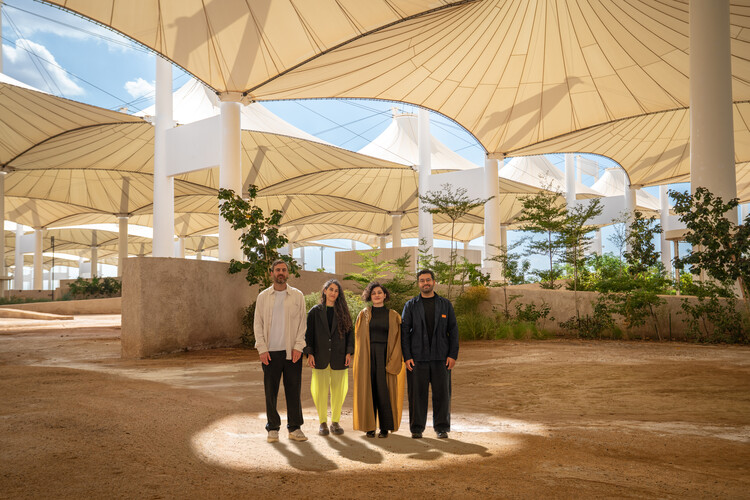
The Diriyah Biennale Foundation has revealed the four architecture studios shortlisted for the 2027 AlMusalla Prize, an international competition that commissions the design of a musalla, a space for prayer and contemplation, for the third edition of the Islamic Arts Biennale. Opening on November 1, 2027, at the Western Hajj Terminal in Jeddah, Saudi Arabia, the Biennale will feature a new prayer structure designed by one of the shortlisted teams: Al-Jawad Pike (United Kingdom), Civil Architecture (Bahrain/Kuwait), MILLIØNS (United States), or NEW SOUTH (France). The winning proposal will be announced in March 2027 and realized as part of the exhibition before being permanently relocated to JAX District in Diriyah.

Diriyah Biennale Foundation Announces Four Studios Shortlisted for the 2027 AlMusalla Prize - Imagem 1 de 4Diriyah Biennale Foundation Announces Four Studios Shortlisted for the 2027 AlMusalla Prize - Imagem 2 de 4Diriyah Biennale Foundation Announces Four Studios Shortlisted for the 2027 AlMusalla Prize - Imagem 3 de 4Diriyah Biennale Foundation Announces Four Studios Shortlisted for the 2027 AlMusalla Prize - Imagem 4 de 4Diriyah Biennale Foundation Announces Four Studios Shortlisted for the 2027 AlMusalla Prize - More Images+ 7

Setbacks as Courtyards: How Civil Architecture Reimagines the Gulf House in Bahrain

Audio available

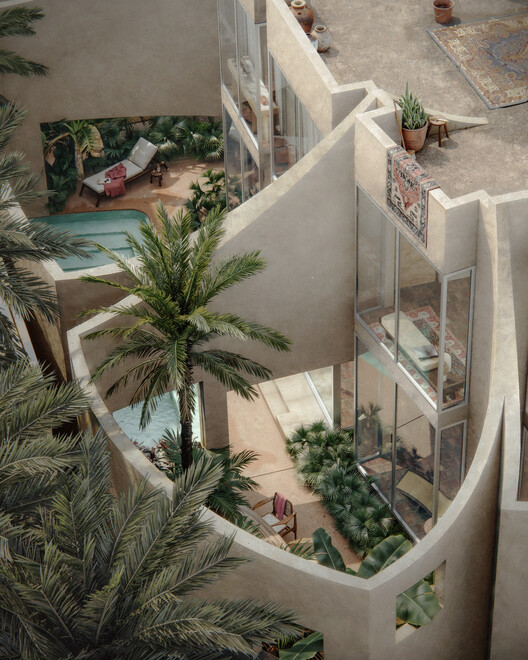
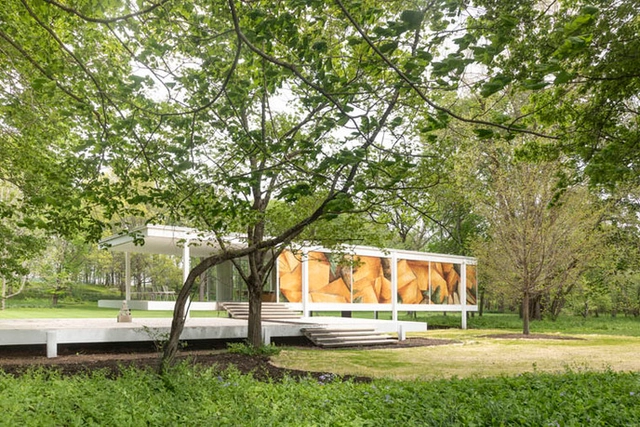
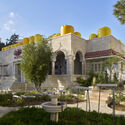
For centuries, domestic architecture throughout the Gulf has been organized around the courtyard. Houses presented thick exterior walls and limited openings to the street, turning inward toward a shaded garden that structured everyday life. This spatial arrangement responded to both climate and culture. The courtyard brought daylight into deep plans, enabled cross-ventilation, and provided a protected outdoor environment within dense urban fabrics. In the House with Seven Gardens, in Diyar Al Muharraq, Bahrain, the Bahrain-based practice Civil Architecture, one of the winners of the ArchDaily 2025 Next Practices Awards, revisits this spatial tradition through the conditions of contemporary suburban housing. Rather than reproducing the courtyard house as a historical model, the project reinterprets its environmental logic within the regulatory frameworks and spatial conditions that shape much of today's urban development in the Gulf.

Setbacks as Courtyards: How Civil Architecture Reimagines the Gulf House in Bahrain - Image 1 of 4Setbacks as Courtyards: How Civil Architecture Reimagines the Gulf House in Bahrain - Image 2 of 4Setbacks as Courtyards: How Civil Architecture Reimagines the Gulf House in Bahrain - Image 3 of 4Setbacks as Courtyards: How Civil Architecture Reimagines the Gulf House in Bahrain - Image 4 of 4Setbacks as Courtyards: How Civil Architecture Reimagines the Gulf House in Bahrain - More Images+ 3

20 Practices Shaping the Future of Architecture: Winners of the ArchDaily 2025 Next Practices Awards

ArchDaily is proud to reveal the winners of the 5th edition of Next Practices, recognizing 20 groundbreaking architectural practices from around the globe. These firms embody the creativity, innovation, interdisciplinary approach and social responsibility that are shaping the future of architecture and expanding its horizons.

Subscriber Access

Imported Modernism: The Untold Story of Bahrain’s 1976 Cultural Centre Competition

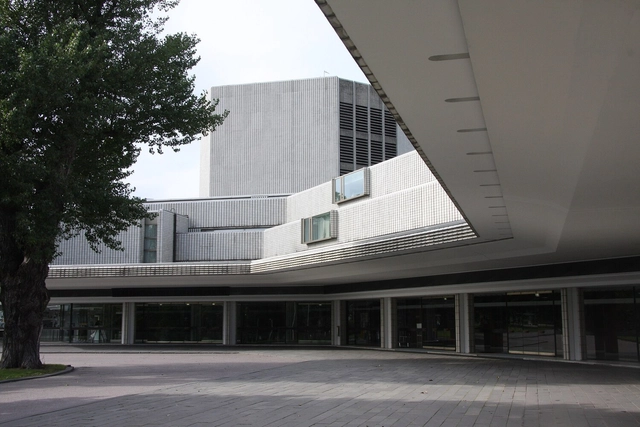
Architecture competitions have long been a means for nations to shape their identity, cultural landscapes, and built environment. They provide a platform for international architects to contribute to national projects, often reflecting broader ambitions of modernization and global recognition. In 1976, Bahrain launched potentially the first major architectural competition—a call for designs for a National Cultural Centre, bringing some of the world's leading architects into the Gulf's emerging architectural discourse. Though the winning design by Timo Penttilä was never built, the competition remains a key moment in Bahrain's history, illustrating the challenges of translating external visions into local realities.

Imported Modernism: The Untold Story of Bahrain’s 1976 Cultural Centre Competition - Image 1 of 4Imported Modernism: The Untold Story of Bahrain’s 1976 Cultural Centre Competition - Image 2 of 4Imported Modernism: The Untold Story of Bahrain’s 1976 Cultural Centre Competition - Image 3 of 4Imported Modernism: The Untold Story of Bahrain’s 1976 Cultural Centre Competition - Image 4 of 4Imported Modernism: The Untold Story of Bahrain’s 1976 Cultural Centre Competition - More Images+ 5

Subscriber Access

Creating Architecture in an Uncivil Time: In Conversation with Ali Karimi of Civil Architecture

The Arabian Peninsula represents one of the world's leading exporters and users of fossil fuels, an economic reality that influences the area's visions for the future and, implicitly, architecture and urban planning's role in these scenarios. A number of emerging offices are however countering these narratives, turning to contextual research to reframe the area's production of architecture. Among these, cultural practice Civil Architecture has become recognized for its provocative works that explore alternative narratives for the identity of the Middle East. While in Bahrain, ArchDaily's Christele Harrouk had the chance to sit down with Ali Karimi, who, together with Hamed Bukhamseen, co-founded Civil Architecture. In the video interview, they discuss the practice of architecture in the Gulf region and the narrative and research-focused approach of the office.

Creating Architecture in an Uncivil Time: In Conversation with Ali Karimi of Civil Architecture - Image 1 of 4Creating Architecture in an Uncivil Time: In Conversation with Ali Karimi of Civil Architecture - Image 2 of 4Creating Architecture in an Uncivil Time: In Conversation with Ali Karimi of Civil Architecture - Image 3 of 4Creating Architecture in an Uncivil Time: In Conversation with Ali Karimi of Civil Architecture - Image 4 of 4Creating Architecture in an Uncivil Time: In Conversation with Ali Karimi of Civil Architecture - More Images+ 12

Beyond Green Architecture: 5 Middle Eastern Projects Redefining Landscape Design

Landscape architecture has traditionally been associated with lush greenery, rooted in the historical development of gardens and parks as spaces that bring nature into urban areas. This connection to greenery is deeply ingrained in the origins of the field, where the creation of verdant retreats was seen as both aesthetically pleasing and beneficial to human well-being. However, in regions like the Middle East, where water scarcity and harsh climates are more prevalent, there is a growing trend toward using local materials such as sand, stone, minerals, and indigenous plants. This shift reflects a more sustainable approach, reimagining landscape architecture to align with the environmental and cultural contexts of the region.

Beyond Green Architecture: 5 Middle Eastern Projects Redefining Landscape Design - 1 的图像 4Beyond Green Architecture: 5 Middle Eastern Projects Redefining Landscape Design - 2 的图像 4Beyond Green Architecture: 5 Middle Eastern Projects Redefining Landscape Design - 3 的图像 4Beyond Green Architecture: 5 Middle Eastern Projects Redefining Landscape Design - 4 的图像 4Beyond Green Architecture: 5 Middle Eastern Projects Redefining Landscape Design - More Images+ 4

Graham Foundation Announces 56 Grants for Individuals Expanding Architecture Ideas Through Interdisciplinary Work

The Graham Foundation has announced 56 new grants to individuals, selected from nearly 600 submissions. Centered on publications, research, exhibitions, films, site-specific installations, and digital initiatives, the funded projects "expand contemporary architecture ideas through innovative rigorous interdisciplinary work on the design and the built environment." The projects are led by 84 individuals, including established and emerging architects, artists, curators, designers, filmmakers, historians, and writers.

Graham Foundation Announces 56 Grants for Individuals Expanding Architecture Ideas Through Interdisciplinary Work - Image 1 of 4Graham Foundation Announces 56 Grants for Individuals Expanding Architecture Ideas Through Interdisciplinary Work - Image 2 of 4Graham Foundation Announces 56 Grants for Individuals Expanding Architecture Ideas Through Interdisciplinary Work - Image 3 of 4Graham Foundation Announces 56 Grants for Individuals Expanding Architecture Ideas Through Interdisciplinary Work - Image 4 of 4Graham Foundation Announces 56 Grants for Individuals Expanding Architecture Ideas Through Interdisciplinary Work - More Images+ 4

Subscriber Access

Arab Designers Crafting their Own Narrative: Design Doha 2024 Explores Identity and Innovation

Establishing a platform in the Arab world, Design Doha 2024 debuted its inaugural edition in Doha, Qatar. Facilitating dialogues between designers, the event challenges the misconception that the Arab world is composed of a singular culture. It highlights, therefore, the diversity of populations, landscapes, and histories it encompasses.

Centered on "Arab Design Now," a regional survey showcasing the works of over 70 Arab designers, featuring 38 commissioned pieces, Design Doha is running from February 24 to August 5, 2024. ArchDaily had the opportunity to talk to Rana Beiruti, curator of the main exhibition, during the event's opening, to grasp the significance of the biennial and delve into some of the key installations, exploring the stories behind these interventions, learning about the designers involved, and gaining insights into their creative processes.

Arab Designers Crafting their Own Narrative: Design Doha 2024 Explores Identity and Innovation  - Imagen 1 de 4Arab Designers Crafting their Own Narrative: Design Doha 2024 Explores Identity and Innovation  - Imagen 2 de 4Arab Designers Crafting their Own Narrative: Design Doha 2024 Explores Identity and Innovation  - Imagen 3 de 4Arab Designers Crafting their Own Narrative: Design Doha 2024 Explores Identity and Innovation  - Imagen 4 de 4Arab Designers Crafting their Own Narrative: Design Doha 2024 Explores Identity and Innovation  - More Images+ 12

Subscriber Access

Life Is Temporary: Outdoor Installations That Highlight the Transient Nature of Humanity

Einstein’s Special Theory of Relativity introduces the mind-blowing concept that time – as we know it – is not as stable and reliable as it first seems. As a defining characteristic upon which all of human history is referenced, the fallibility of time is a confusing prospect. 15 minutes, for example, seems an eternity while waiting in line, and yet the 300,000 years of human history equates to less than a day in the lifetime of the Earth.

So when we talk about ‘saving the planet’ by slowing and reversing climate crisis, what we really mean is extending our own existence upon it. Because no matter what we do, this rock will continue to spin for billions of years yet. In reality, humanity itself is only a temporary installation.

These four outdoor installation projects use the Earth’s environment and borrow its resources to investigate our human relationship with time, and how it affects our lives down here on the surface.