Understanding what drives economic, social, and educational disparities between communities is one of urbanism’s most critical and highly-discussed topics. It’s an increasingly complex issue, with many factors at play- one of them being the design and location of desirable urban green spaces. While sometimes they are a tool that helps to bolster underserved communities in terms of health and economic benefits, safety, and climate resistance, other times they can actually drive out the residents that they are created to serve. Now, the challenge lies in how to design these recreational sites to create better futures for all.
In a Common Edge article, I briefly discussed a concept that I call the “Triple Bottom Lie,” which posits that more people, plus more consumption by each person, plus an economic system completely dependent on the aforementioned items, can just keep working forever, without consequences. Historically, the United States has accepted the economic shibboleth of endless growth because it reduced class conflict; a rising tide (supposedly) lifted all boats, rafts and yachts included. We are, however, approaching the limits of growth, from both a resource standpoint (we’re running out of raw materials) and a technological standpoint (our inventions are progressively less revolutionary).
https://www.archdaily.com/956080/endless-sustainable-growth-is-an-oxymoronChristopher L. Cosper
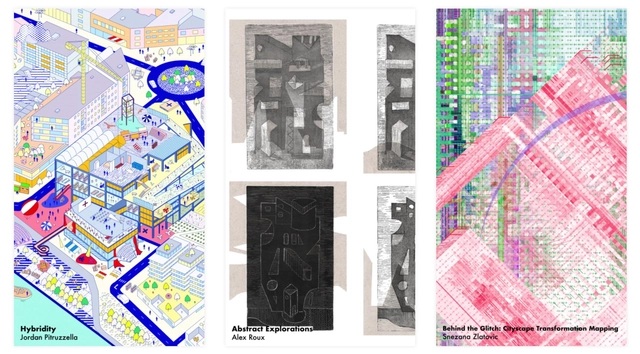
Desplans and KooZA/rch have revealed the three final winners of the #mycityscape competition. Inviting young creatives to this conversation, the open call questions the definition of the city, by asking “What establishes the identity of a city? What distinguishes one urban environment from the other? And What defines our relationship to the built landscape we inhabit?”
Trying to find the tools to map the city of the 21st century, the competition encouraged young creatives to record the essence of their cityscape into one image. After selecting 12 shortlisted entries, the contest solicited a wider audience to decide the final winning designs, by voting for their favorites on social media. Following the release of the results, Christele Harrouk from ArchDaily had the chance to talk about the #mycityscape competition with both Desplans and KooZA/rch, discussing the theme and the whole process. Discover in this article the exchange as well as the final winning designs.
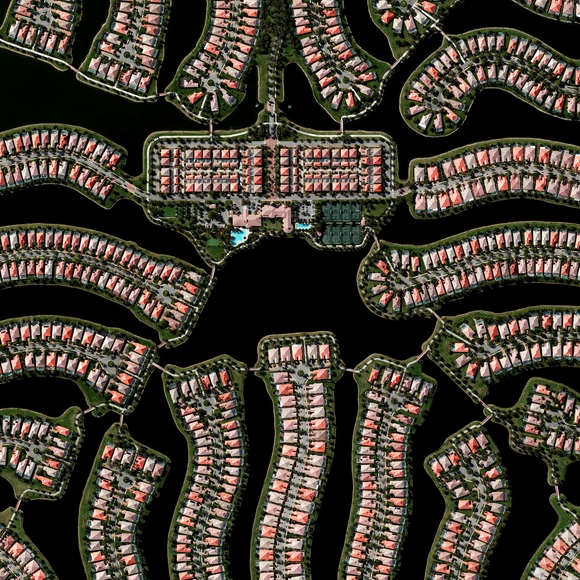
The state of Florida, in the United States, is bordered to the south, east, and west by the Atlantic Ocean, with a coastline of over two thousand kilometers in length, and is characterized by extensive areas of lakes, rivers, and ponds. Land booms during the early and mid-20th century resulted in the development of new communities and the expansion of low-density suburbia across many parts of the state, which frequently incorporated the abundant water resources, sometimes failing in their efforts.
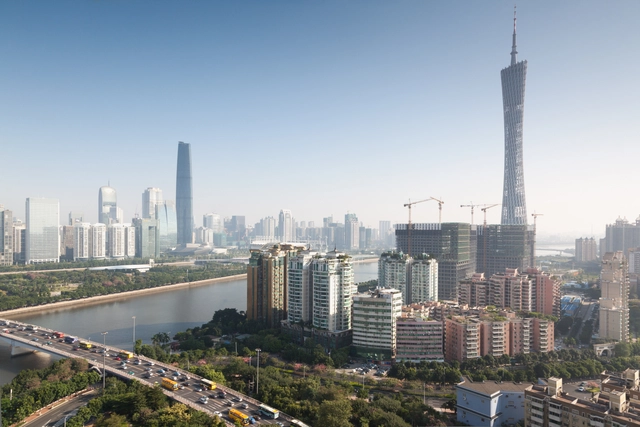
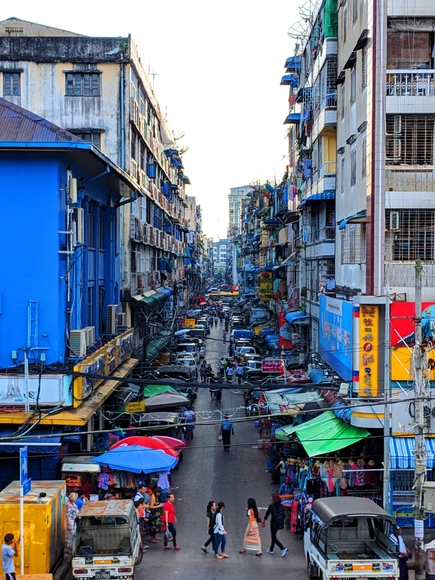
As long as cities have been around, there’s been one pressing question central to their future: “What makes urban areas desirable?” Over half of the world’s inhabitants live in cities and that number is projected to climb over the next decade with more than 5 billion people inhabiting urban cores globally. To prepare for this demand, cities are finding ways to be more desirable, draw in talent, and entice both big and small businesses, all while finding more ways to create equitable living opportunities for all.
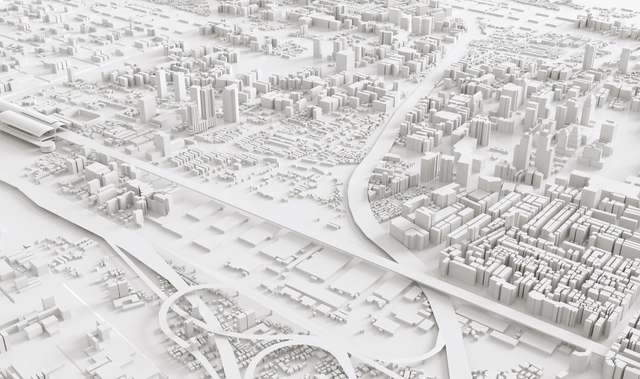
Over the past two decades, new master-planned cities have risen at a pace and scale rarely seen in modern history. Concentrated largely in Asia, the Middle East, Africa and Latin America, more than 150 such projects are currently underway. For some, these cities are promoted as fast tracks to modernization and a way to leapfrog from resource- or agriculture-dependent economies into knowledge-driven ones. For others, they are strategic showcases, designed to attract global attention, foreign capital, and prestige. By packaging urbanization itself as an investment opportunity, these projects promise to stimulate growth and reposition nations within the global economy—all through the act of building anew.
According to Forbes, "The new city building movement that we are currently in the middle of is one of the most under the radar and most misinterpreted social and economic developments happening in the world today". What often escapes scrutiny, however, is not only the architecture of these projects, but the governance model they advance.
Almost 6 months ago, on August 4th, 2020, the city of Beirut was shaken by one of the biggest non-nuclear blasts in history. Leaving the northern side of the capital in ruins, the explosion damaged around 40,000 buildings. New contemporary structures completed recently by local international architects are now facing reconstruction dilemmas, raising existential questions such as: How should reconstruction efforts of “new” damaged buildings look like? Should architects rebuild them as they were before the blast, erasing what has happened or should they leave scars and portray new realities?
In order to explore ideas and highlight different perspectives, ArchDaily had the chance to sit with three architects whose buildings were impacted by the blast. Bernard Khoury, Paul Kaloustian, and Lina Ghotmeh talked about their projects and their vision of the reconstruction of Beirut with ArchDaily's Managing Editor, Christele Harrouk, alongside Architectural Photographer Laurian Ghinitoiu, who documented in a featured photo series the extent of the destruction.
From climate crisis to How Will We Live Together, as we face the current and accentuated global challenges many of our ideas about the cities of tomorrow are changing. So how will the city of the future be?
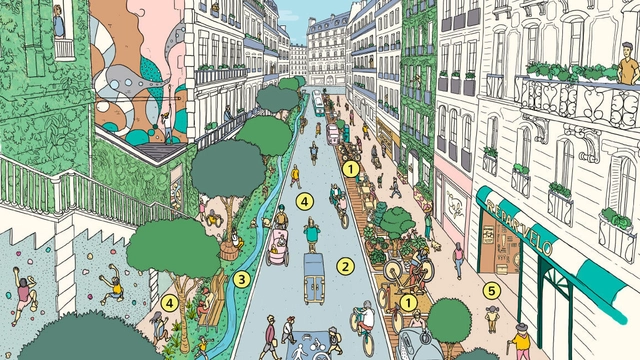
Think about the city or town where you live. How long does it take you to get to the grocery store on foot? Is your school or work close enough to walk to? What about a public park, a doctor’s office, a daycare, or any other places that you visit on a daily basis? While some cities have already considered what it means to live near all of these necessities, others are revamping their urban planning strategies and designing their neighborhoods to be more pedestrian-friendly with the concept of a “15-Minute City”.
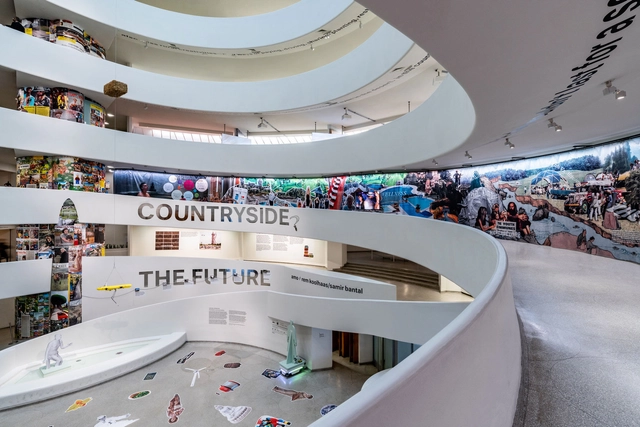
Whether as a retrospective, a collection of contemporary works, or a compilation of prospects for the future - and all the other possibilities in between -, architecture and urban planning exhibitions have played an important role in shaping the future of cities over the decades. These events are often open to the public, reaching many people who don't necessarily have a background in the field, thus providing great environments to explore a collective view of the future of architecture and cities.
The Un-Habitat or the United Nations agency for human settlements and sustainable urban development, whose primary focus is to deal with the challenges of rapid urbanization, has been developing innovative approaches in the urban design field, centered on the active participation of the community. ArchDaily has teamed up with UN-Habitat to bring you weekly news, article, and interviews that highlight this work, with content straight from the source, developed by our editors.
Around 440 fast-growing cities in emerging economies will contribute by 2025, to nearly half of global economic growth. If given the right planning and management tools, this urbanization “can be transformative, creating jobs, reducing poverty, and improving citizens’ quality of life”. As a matter of fact, the Global Future Cities Programme (GFCP) aims to deliver this required support. Based on urban planning, transport, and resilience principles, the program provides “technical assistance for a set of targeted interventions to encourage sustainable development and increase prosperity while alleviating high levels of urban poverty”.
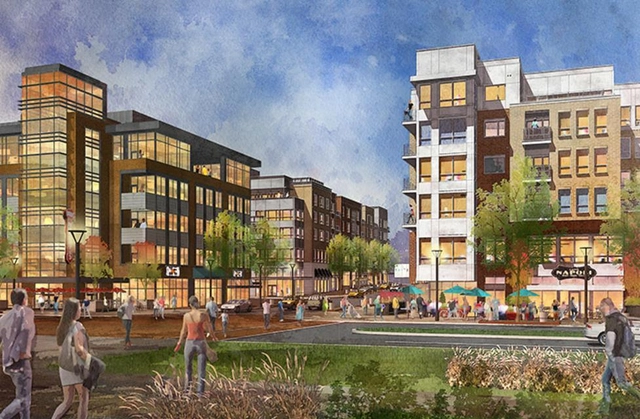
Dublin Bridge Park in Columbus, Ohio. Image via Dublin Bridge Park
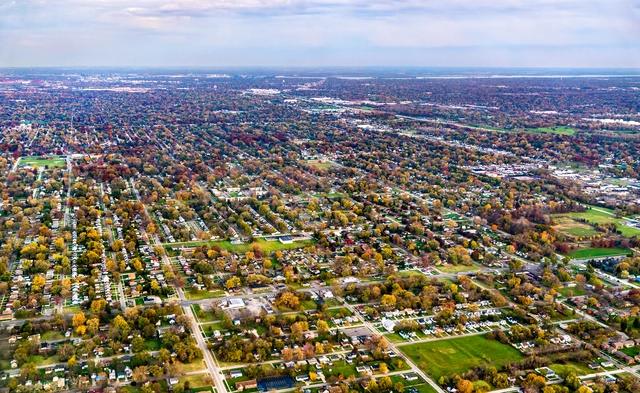
Suburbs as we know them are changing forever. Partially exacerbated by the effects of the pandemic, residents are leaving cities in droves in search of more favorable living conditions where more space, privacy, and affordability offers what some consider to be a more comfortable lifestyle. But as time goes on, and development sprawls, it’s harder to tell where cities end and suburbs begin.
I attended graduate school, in geography, in Tucson, Arizona, United States, in the late 1990s. Tucson draws fame from a number of things, including its Mexican-American heritage, its chimichangas, its sky islands, and its abundant population of saguaro cacti.
Design and the City a podcast by reSITE, on how to make cities more livable and lovable, raising questions and proposing solutions for the city of the future. In the second episode of its second season, PAU's founder and creative director Vishaan Chakrabarti explains the possibility of creating an architecture of belonging, discussing social impact, climate change, infrastructure, and reimagining cities.
Cities would be nothing without the sense of experimentation and the future-forward push to always break the status quo in demand of a better urban life. As many successful urban designs and strategies as there have been, the world has also seen some not-so-successful ones, that have been pushed to the sidelines becoming a forgotten memory over time. While we look ahead and speculate about what the future of cities could and should be, maybe it’s time to take the lessons learned from these failed projects and pay homage to their misfortunes, so that history’s mistakes aren’t repeated in the present day.
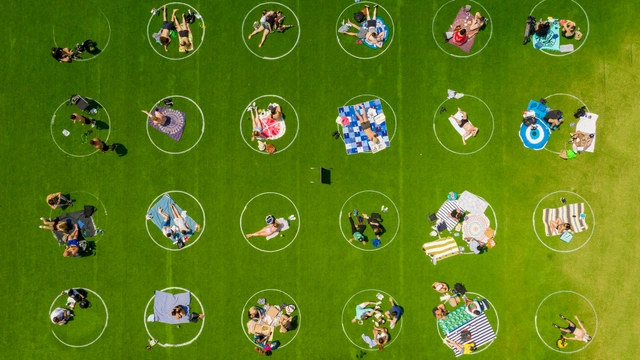
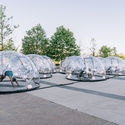
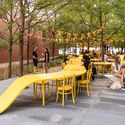
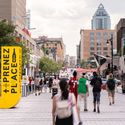
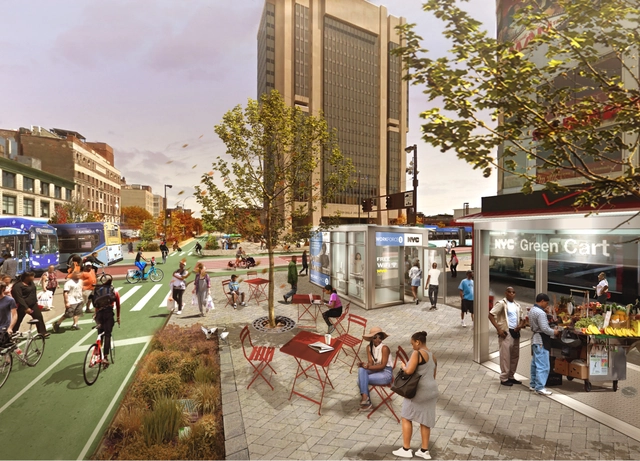
The pandemic provided a unique circumstance for city-scale experiments regarding mobility, while immediate responses showed the transformative power of tactical urbanism. In many cities, the measures meant to ensure social distancing are to be kept in place post-pandemic, paving the path towards recovery with less traffic and more outdoor activities. How did the pressure of rethinking streets, functions, and transportation systems transform public space in 2020?
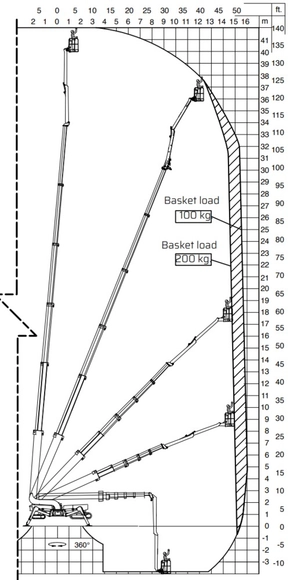
Diagram of Falcon Lift's Falcon FS 420C. Image Courtesy of Falcon Lift
For companies or leasers that own large buildings, building maintenance can seem daunting, costly, or even superfluous, particularly when building functions appear to be running smoothly. But proper and consistent building maintenance is imperative for a number of reasons. Buildings inherently function less effectively over time due to natural causes such as climate, daily occupant use, mechanical obsolescence, and more. When left unresolved, these issues can devalue user experiences, create dangerous and unhealthy environments, and even incur costs higher and more sudden than consistent building maintenance costs.
https://www.archdaily.com/928044/why-is-building-maintenance-importantLilly Cao
Before the pandemic, the world was already facing a series of global transformations in the field of construction, where emerging countries were at the forefront of a powerful economic shift. As the world's population is expected to reach the 10-billion milestone before 2100, the construction sector should be able to understand and adapt to the megatrends that are reshaping the globe.



.jpg?1611288061 "The Line project in Saudi Arabia. Image © NEOM")


.jpg?1611093603&format=webp&width=640&height=580)
.jpg?1611093772 "© Laurian Ghinitoiu")
.jpg?1611093604 "© Laurian Ghinitoiu")
.jpg?1611093961 "© Laurian Ghinitoiu")
.jpg?1611093888 "© Laurian Ghinitoiu")
.jpg?1611093603)


_8803.jpg?1610126390 "\"Refugee Heritage\" Exhibition at the 2019 Chicago Architecture Biennial / Ana María León and Andrew Herscher. Photo: © Laurian Ghinitoiu")




.jpg?1608057697&format=webp&width=640&height=580)