-
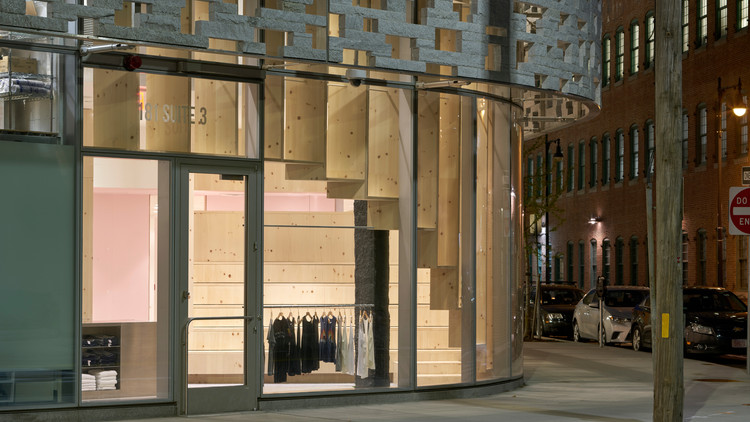
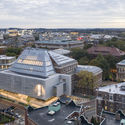
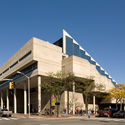
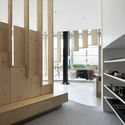
Architects: Pickard Chilton
- Area: 482000 ft²
- Year: 2020
-
Manufacturers: CS Construction Specialties, Interpane, Mosa USA, NBK North America, Sieling & Jones
-
Professionals: Magnusson Klemencic Associates, BALA, Sasaki

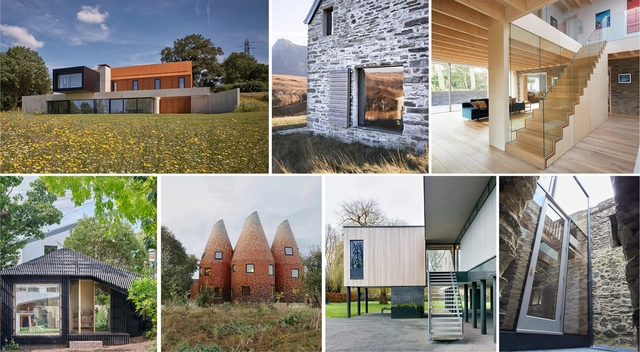
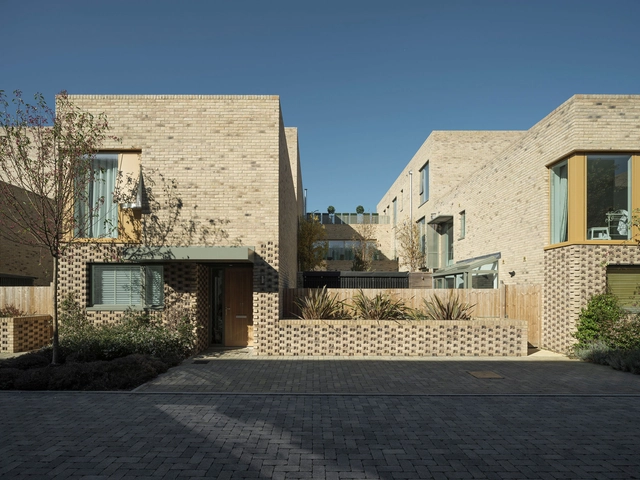
The Royal Institute of British Architects (RIBA) has announced its longlist of best new homes in the United Kingdom for the year 2021. The jury, which includes Architect and Chair Amin Taha, Co-founder of Ash Sakula Architects Cany Ash, and RIBA House of the Year 2019 winner Kieran McGonigle, have selected 20 newly-built houses or extensions that feature imaginative and innovative residential typologies that cater to the environment and their users.
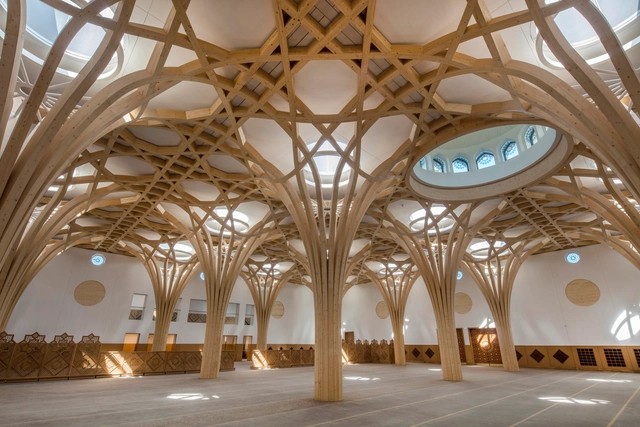
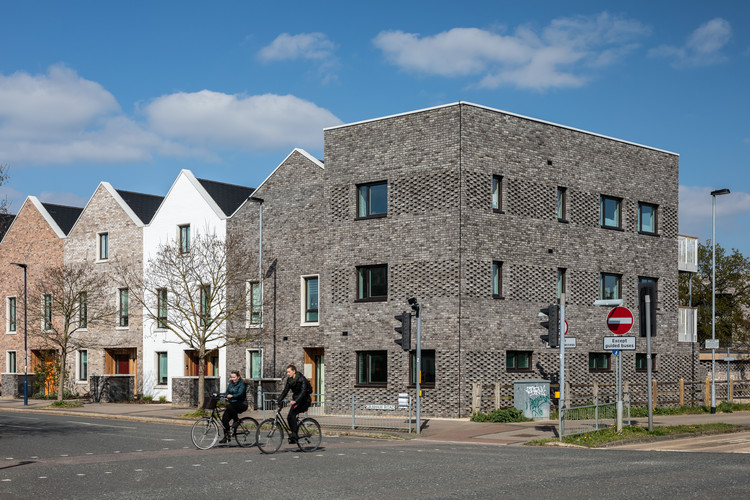
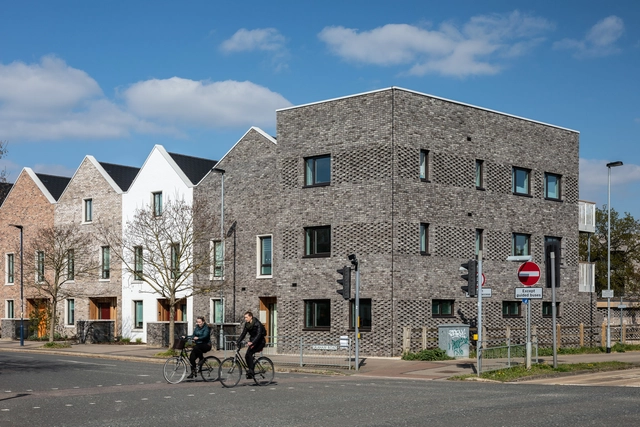
The Royal Institute of British Architects (RIBA) has revealed the six shortlisted buildings contending for this year's RIBA Stirling Prize. Celebrating its 25th year, the award is given to the United Kingdom's best new building. The selected buildings demonstrate "the innovation and ambition that lies at the heart of exceptional architecture", varying from a city mosque in Cambridge to a remote bridge in Cornwall and a vibrant gathering space in Kingston.
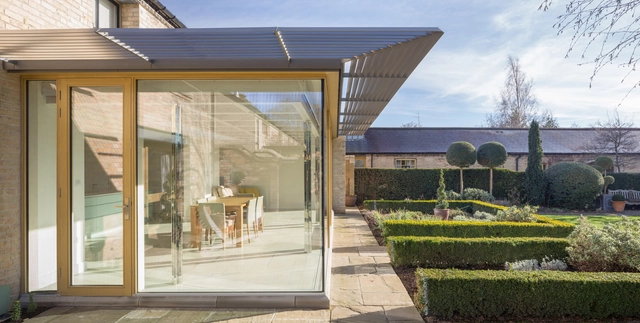
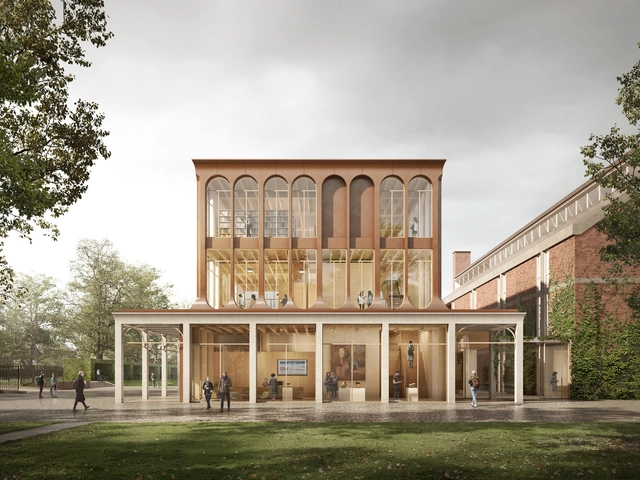
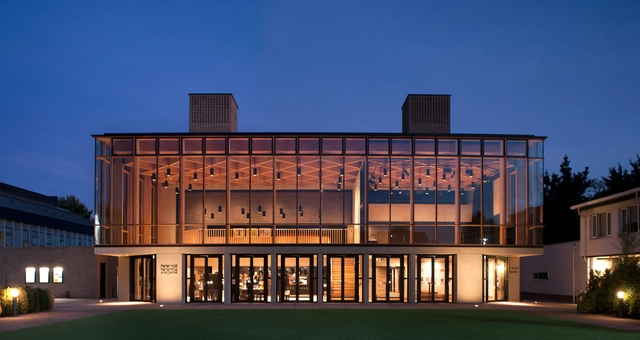
UK-based practise Alison Brooks Architects has recently won the competition to design the new Entrance Building and Children’s Literature Resource Centre for Homerton, the biggest college in Cambridge. Described by the architects as a “lantern”, the proposal is a three-storey mass-timber framed pavilion which will welcome visitors to the grounds while also providing additional study and exhibition space. Through its morphology and copper-clad facades of the upper floors, the new building establishes a dialogue with its context and provides a flexible space that can accommodate the College’s future spatial needs.

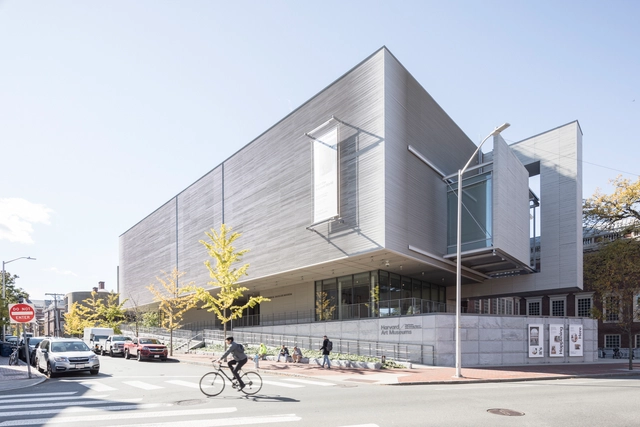
As the oldest institution of higher learning in the United States, Harvard has emerged as one of the world's most well-known universities. Organized into ten academic faculties and the Radcliffe Institute for Advanced Study, it is spread across 200 acres and centers on Harvard Yard in Cambridge. Developed along the Charles River adjacent to the Allston neighborhood of Boston, Harvard has the largest financial endowment of any academic institution. This has supported a number of different campus building projects across the university’s history.
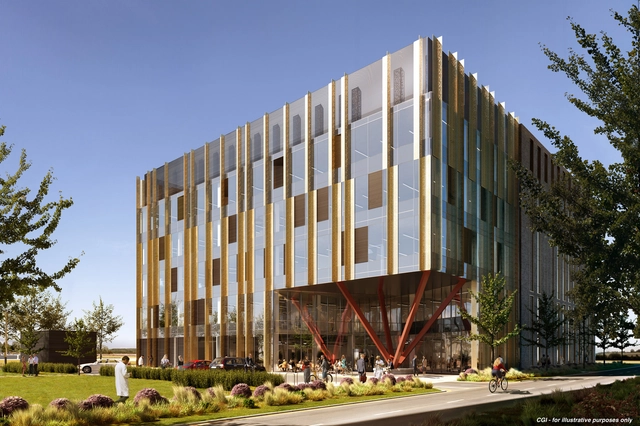
Scott Brownrigg's 1000 Discovery Drive has been granted planning approval from Cambridge City and South Cambridgeshire District Councils in United Kingdom. As the second building of the Biomedical Campus in Phase 2, the project includes 100,000 square feet of net internal area across laboratories and office space. The design aims to form a flexible and adaptable design to drive innovation within the scientific and medical community.


UPDATE: In honor of the 100th anniversary of the Bauhaus, we’re re-publishing this popular infographic, which was originally published April 16th, 2012.
From the “starchitect” to “architecture for the 99%,” we are witnessing a shift of focus in the field of architecture. However, it’s in the education system where these ideas really take root and grow. This sea change inspired us to explore past movements, influenced by economic shifts, war and the introduction of new technologies, and take a closer look at the bauhaus movement.
Often associated with being anti-industrial, the Arts and Crafts Movement had dominated the field before the start of the Bauhaus in 1919. The Bauhaus’ focus was to merge design with industry, providing well-designed products for the many.
The Bauhaus not only impacted design and architecture on an international level, but also revolutionized the way design schools conceptualize education as a means of imparting an integrated design approach where form follows function.











.jpg?1588643649 "© Bruce Damonte Architectural Photographer")