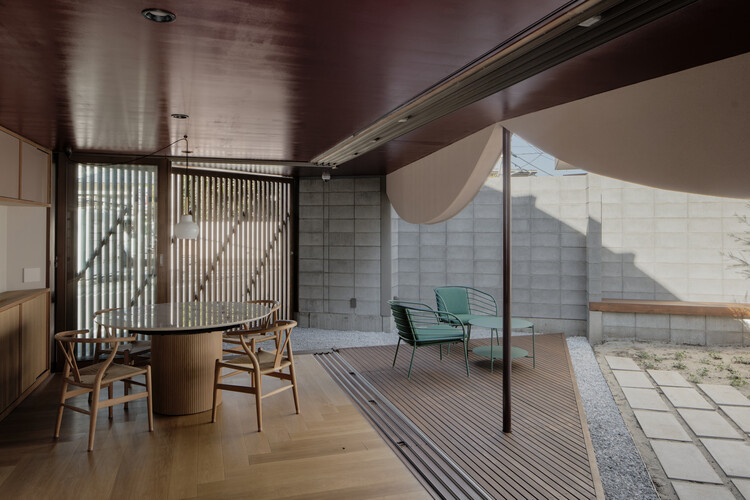
House Around the Corner in Kugahara / some ( ) + Tezzo Nishizawa Architects


https://www.archdaily.com/1185996/house-around-the-corner-in-kugahara-some-plus-tezzo-nishizawa-architectsPratik Mour
Light Through the Wall: Indian House Interiors Shaped by Brick Jali

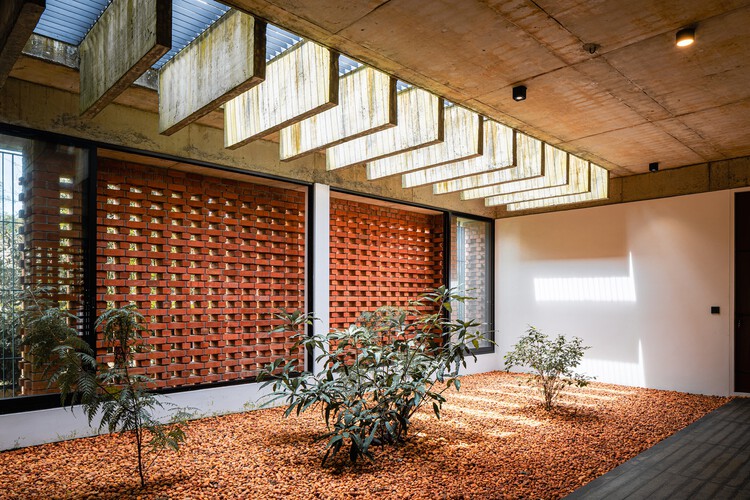
A brick façade does more than define the façade of a house. When designed as a porous screen, it becomes an intermediary between inside and outside, shaping the atmosphere and environmental conditions of the spaces behind it. Across contemporary Indian residential architecture, brick jali — a perforated or lattice brick screen — has been reinterpreted with a contemporary sensibility, drawing on vernacular architectural elements.


https://www.archdaily.com/1185687/light-through-the-wall-indian-house-interiors-shaped-by-brick-jaliMiwa Negoro
From Tradition to Modern Living: The Versatility and Elegance of Timber in 12 Japanese Interiors

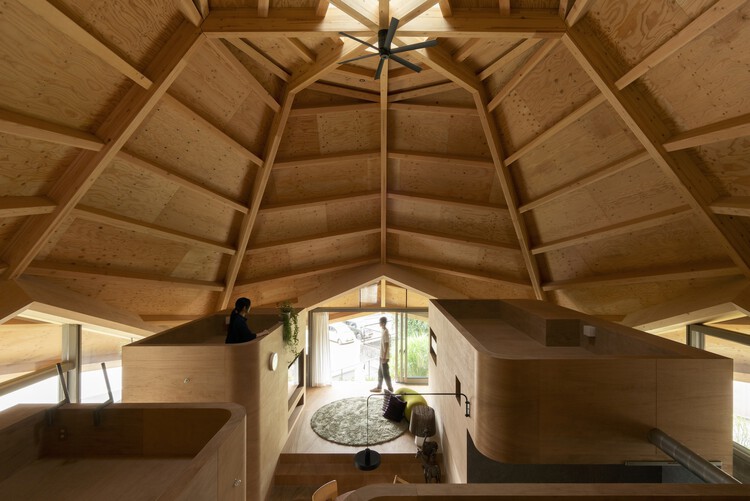
Contemporary Japanese architecture continues to demonstrate how to adapt the evolving needs of modern residents to a rich building tradition and artisanal legacy. Wood has always been the soul of Japanese architecture. In many recent residential projects, this material transcends its structural role to become the primary finish for various surfaces — ranging from floors and ceilings to furniture and architectural elements. These environments strike a delicate balance between elegance and coziness.
The use of natural, unpainted finishes highlights the material's inherent honesty while also celebrating the unique character of each piece, its natural grain, and the diversity of the overall composition. While some houses feature sober, dark-stained timbers to create a grounded atmosphere, others utilize lighter woods like pine to foster a bright, airy, and ethereal feel. This versatility proves that wood can adapt to any aesthetic, from the rustic to the ultra-minimalist.


https://www.archdaily.com/1041255/from-tradition-to-modern-living-the-versatility-and-elegance-of-timber-in-12-japanese-interiorsSusanna Moreira
Resting Pavilion in Osaka Expo / MIDW


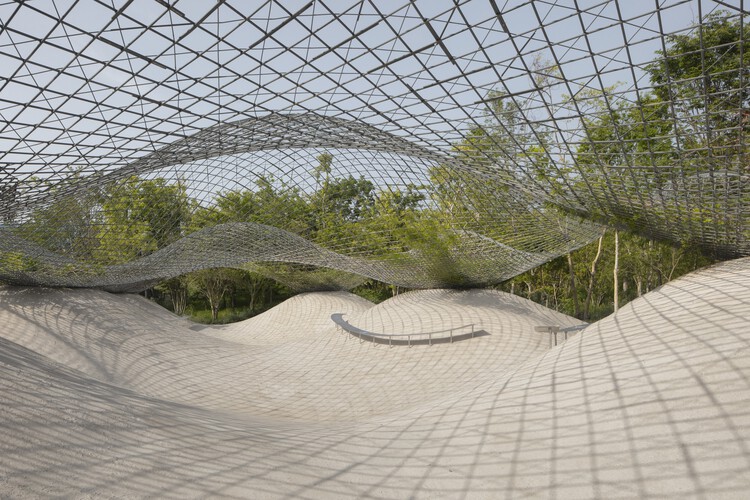
-
Architects: MIDW
- Area: 248 m²
- Year: 2025
-
Professionals: Jun Yanagimuro Structure Design, Studio arche
https://www.archdaily.com/1039766/resting-pavilion-in-osaka-expo-midwPilar Caballero
The Stable and the Orange Barn / Nobuyasu Hattori + Shota Koga


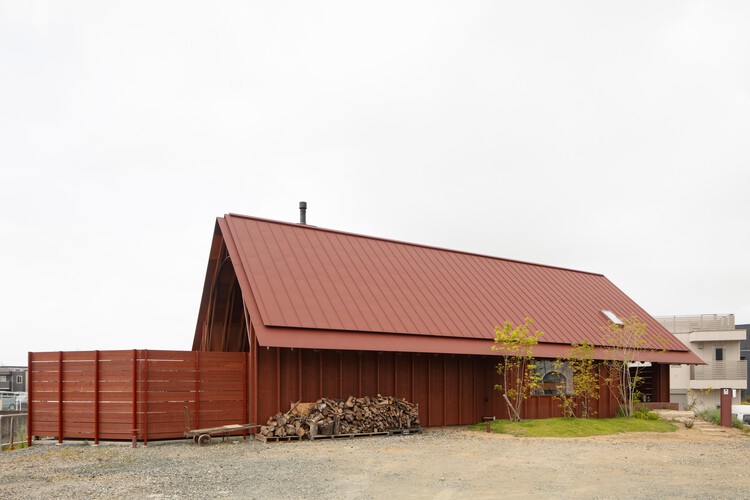
-
Architects: Nobuyasu Hattori + Shota Koga
- Area: 134 m²
- Year: 2024
-
Professionals: SHUNYA TAKAHASHI TECTONIC STUDIO, Araki Housing, Shota Koga
https://www.archdaily.com/1038241/the-stable-and-the-orange-barn-nobuyasu-hattori-plus-shota-kogaPilar Caballero
House in Saidera / Akio Isshiki Architects


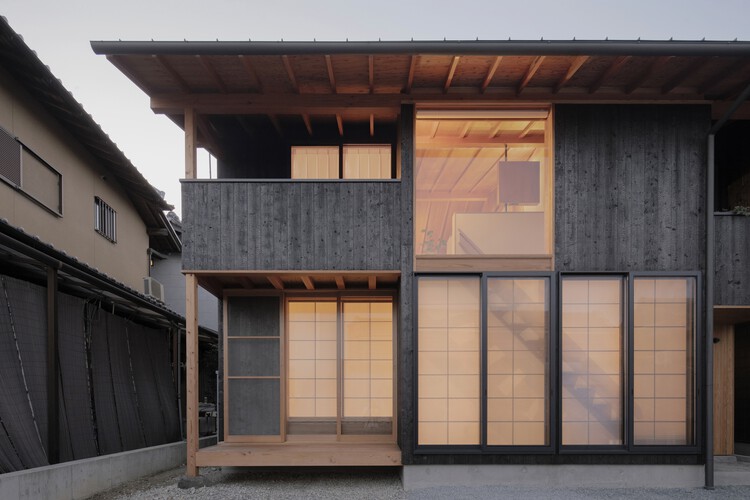
https://www.archdaily.com/1037741/house-in-saidera-akio-isshiki-architectsMiwa Negoro
New Castle / Anthony St John Parsons
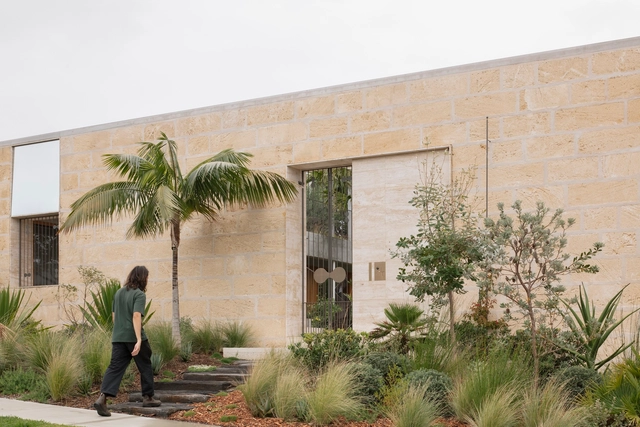


https://www.archdaily.com/1030591/new-castle-anthony-st-john-parsonsValeria Silva
Talaricheruvu Rural School / CollectiveProject
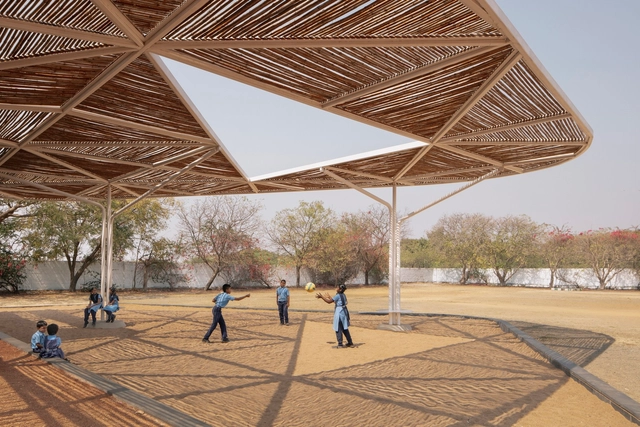


-
Architects: CollectiveProject
- Area: 40000 ft²
- Year: 2022
https://www.archdaily.com/1024609/talaricheruvu-rural-school-collectiveprojectHana Abdel
Mirrors in Architecture: Possibilities of Reflected Space
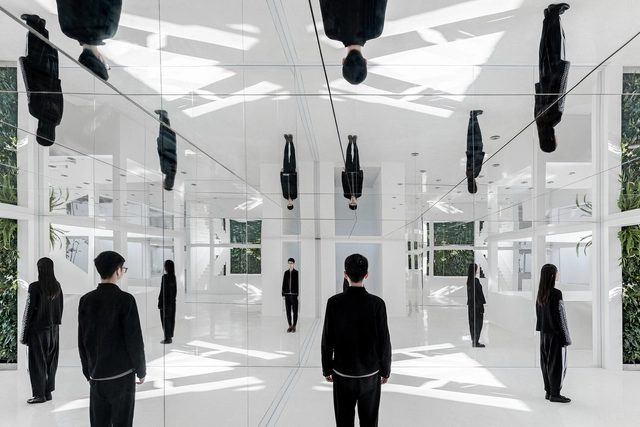
Humans have used mirrors since as early as 600 BCE, employing highly polished obsidian as a basic reflective surface. Over time, people began to use small pieces of gold, silver, and aluminum in a similar manner, both for their reflective properties and for decoration. By the 1st century CE, people had started using glass to make mirrors, but it was only during the European Renaissance that Venetian manufacturers began making mirrors by applying metallic backings to glass sheets, remaining the most common general method of mirror manufacturing today. Since then, mirrors have continued to play both a decorative and functional role in architecture, serving a clean, modern aesthetic despite its ancient origins. Below, we investigate how mirrors are made, provide a brief history of mirrors in architecture, and offer several tips for architects looking to use mirrors in their designs.
https://www.archdaily.com/942109/mirrors-in-architecture-possibilities-of-reflected-spaceLilly Cao
What is Glued Laminated Wood (Glulam)?
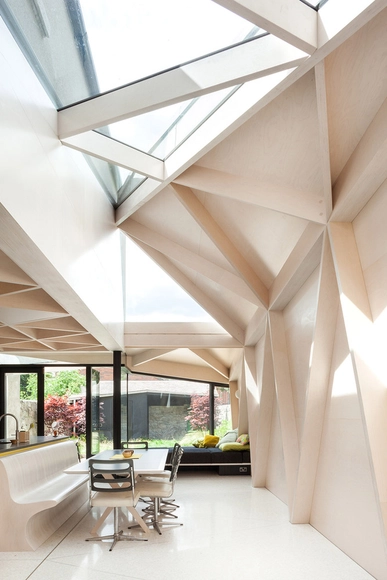
Glued Laminated Wood (Glulam) is a structural material manufactured through the union of individual wood segments. When glued with industrial adhesives (usually Melamine or Polyurethane resin adhesives), this type of wood is highly durable and moisture resistant, capable of generating large pieces and unique shapes.

.jpg?1573485211&format=webp&width=230&height=230&crop=true)


https://www.archdaily.com/928387/what-is-glued-laminated-wood-glulamAudrey Migliani
Seachange House / Solomon Troup Architects
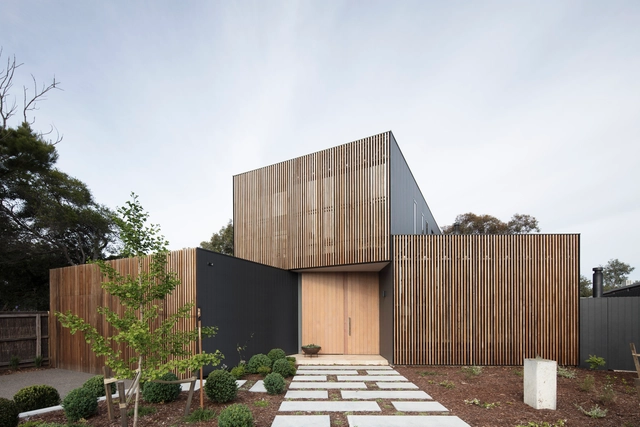


-
Architects: Solomon Troup Architects
- Year: 2017
-
Professionals: David Webb Building Solutions, Just Building Surveying Solutions, Structerre
https://www.archdaily.com/927981/seachange-house-solomon-troup-architectsPaula Pintos
36 Architecture Firms from the Global South You Should Know

Countries that are part of the so-called “global south” have undergone many transformations in their cities and urban contexts in recent years due to the economic and social challenges they face. Urban growth, sustainable development, quality of life and health in emerging cities, and the development of their own cultural identity have been some of the issues that local architecture had to incorporate.
Young architects have understood the importance of making an architecture that is deeply rooted in their own territory while giving this architecture a clear local identity. By generating new typologies and using their own resources and materials, they have presented innovative, site-specific, and, above all, solutions with a new fresh focus towards what represents them as creators of this architecture.

https://www.archdaily.com/927901/36-architecture-firms-from-the-global-south-you-should-knowArchDaily Team
Fiber Cement Facades in Architecture: 9 Notable Examples
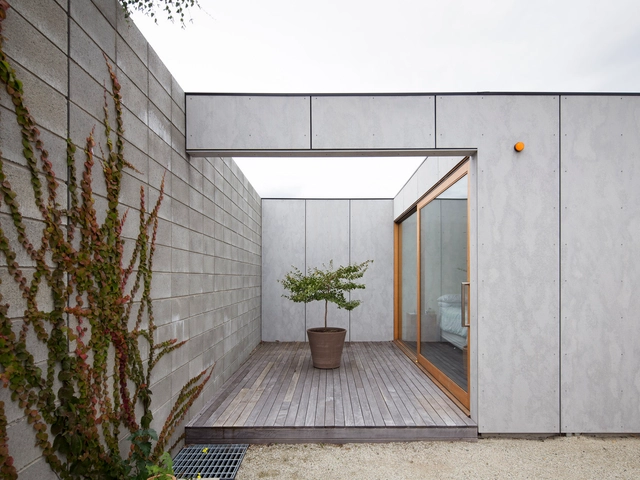
How to build light and modular facades with a rustic and monolithic appearance?
Composed of cement, cellulose, and mineral materials, fiber cement allows us to clad walls in a light, non-combustible, and rain-resistant way, generating facades with different textures, colors, and tones. Its panels are easily manageable and perforable, and can configure ventilated facades when installed with a certain separation between the rear wall. Check out 9 projects below that have cleverly used fiber cement as the primary material in facades.
https://www.archdaily.com/904642/fiber-cement-facades-in-architecture-9-notable-examplesJosé Tomás Franco
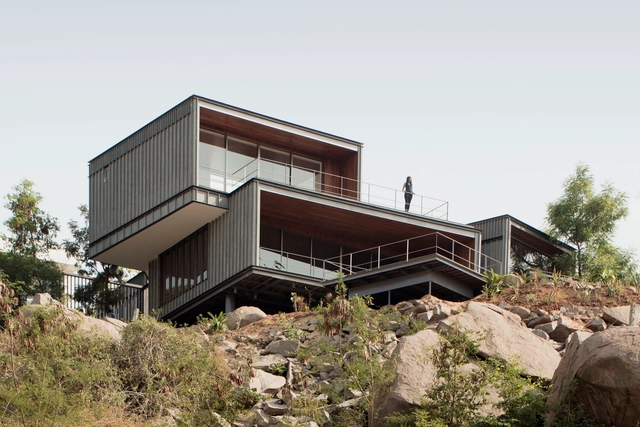
Lakehouse / CollectiveProject


-
Architects: CollectiveProject
- Area: 3800 ft²
- Year: 2019
-
Manufacturers: Hunter Douglas, Kohler, iGuzzini, Delta Light, Schüco
https://www.archdaily.com/925592/lakehouse-collectiveprojectDaniel Tapia
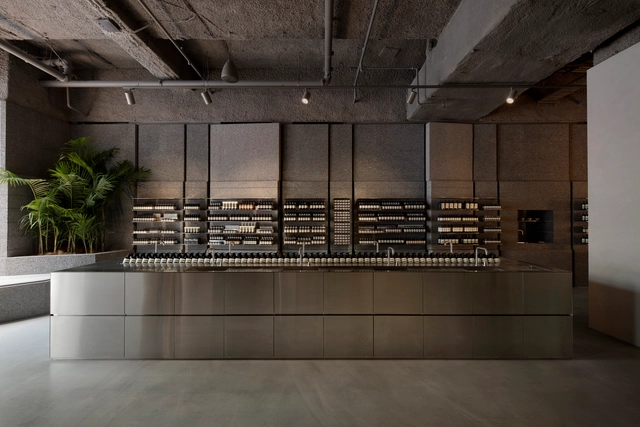
Aesop Pitt Street Store / Snøhetta


https://www.archdaily.com/925357/aesop-pitt-street-store-snohettaPaula Pintos
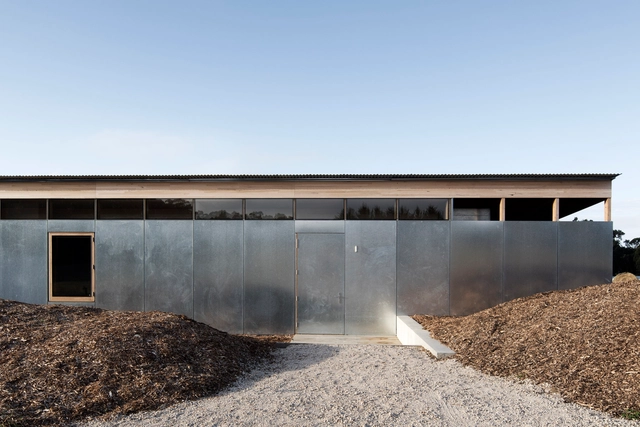
Springhill House / Lovell Burton Architects


-
Architects: Lovell Burton Architecture
- Area: 120 m²
- Year: 2018
-
Manufacturers: Flos, Kaldewei, Fisher & Paykel, Bluescope, Cheminees Philippe, +3
-
Professionals: Arc Resources, Nick Andrews Construction, Meyer Consulting
https://www.archdaily.com/918505/springhill-house-lovell-burton-architectsDaniel Tapia
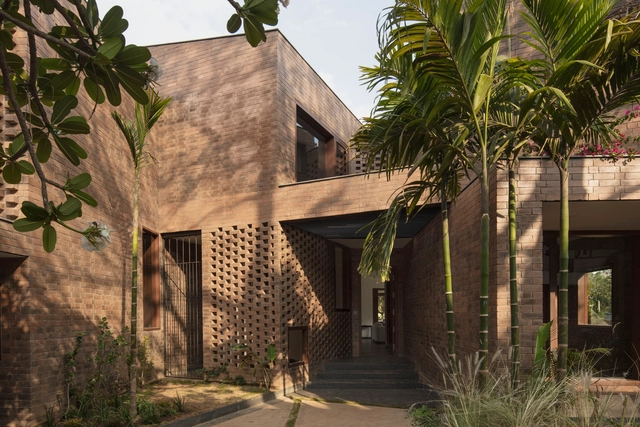
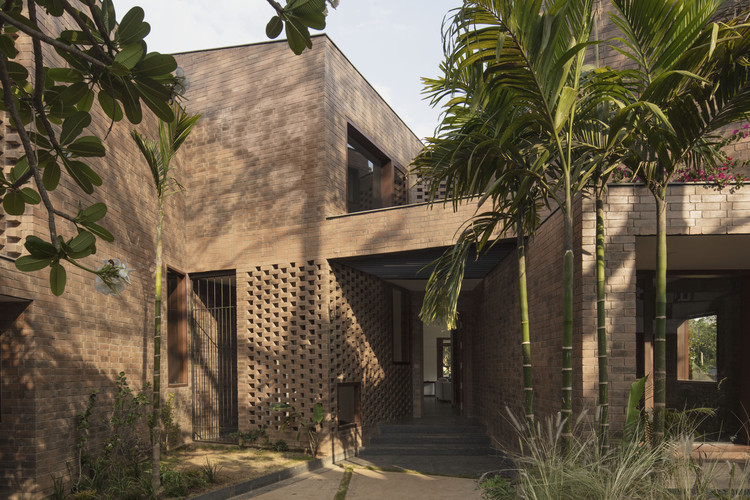
Brick House / CollectiveProject


https://www.archdaily.com/917700/brick-house-collectiveprojectPilar Caballero