ArchDaily
beijing
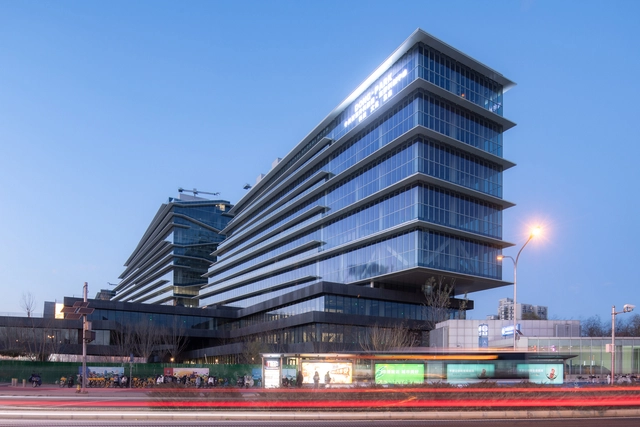
beijing: The Latest Architecture and News •••
September 10, 2025
https://www.archdaily.com/1033801/spark-761-beijing-digital-economy-aidc-lllab Andreas Luco
September 09, 2025
https://www.archdaily.com/1033632/jinyu-xingfa-science-park-hpp-architects-plus-biad Hadir Al Koshta
September 03, 2025
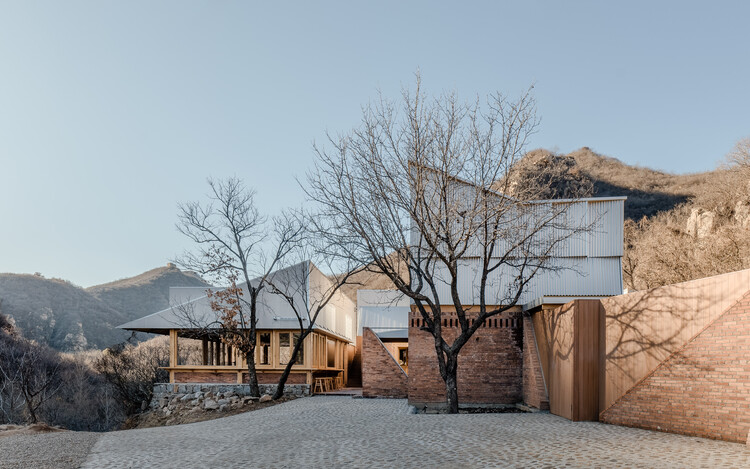
https://www.archdaily.com/1033519/full-chestnut-terrace-wonder-architects Valeria Silva
August 24, 2025
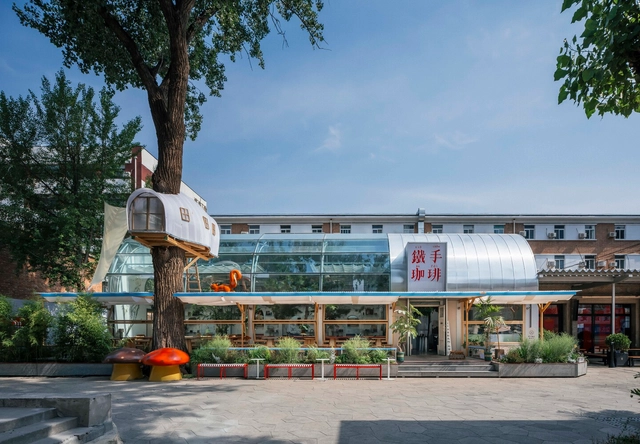
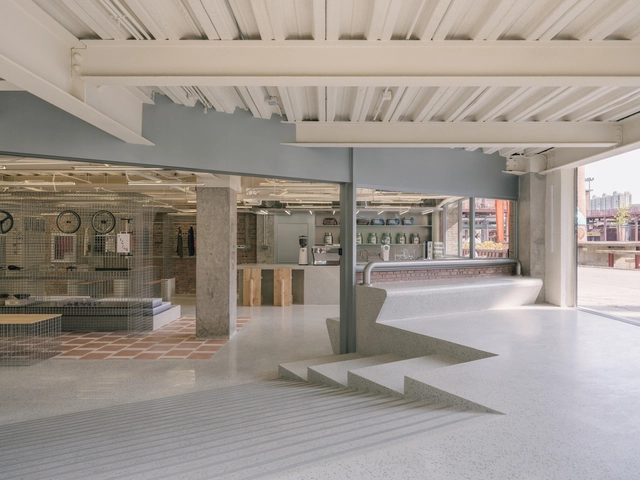
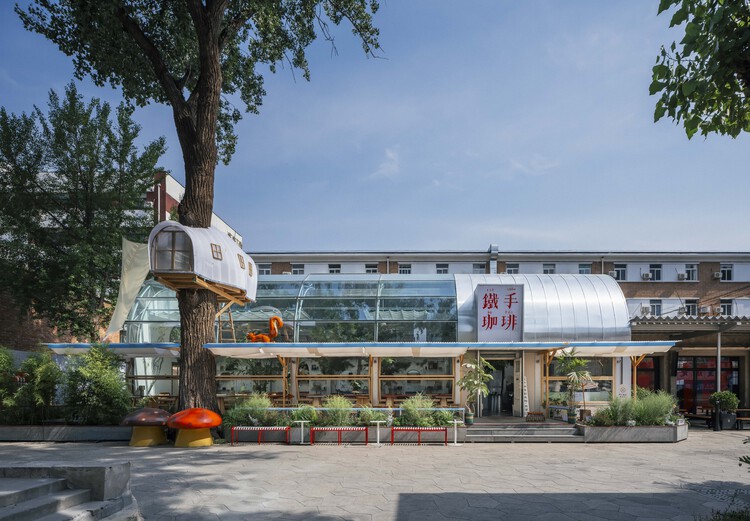
https://www.archdaily.com/1032584/renovation-design-for-the-metal-hands-coffee-youyi-store-garden-branch-sa-architects Pilar Caballero
August 19, 2025
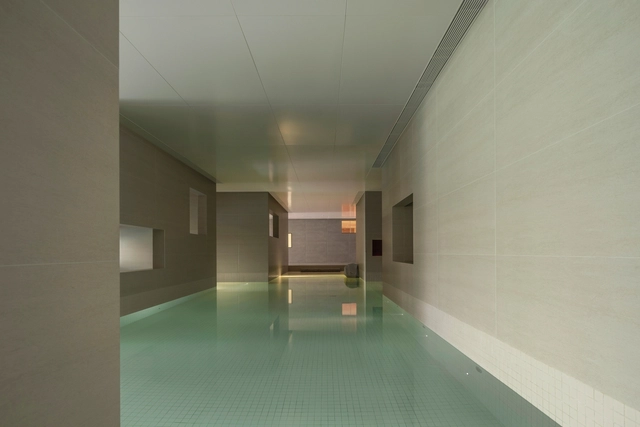
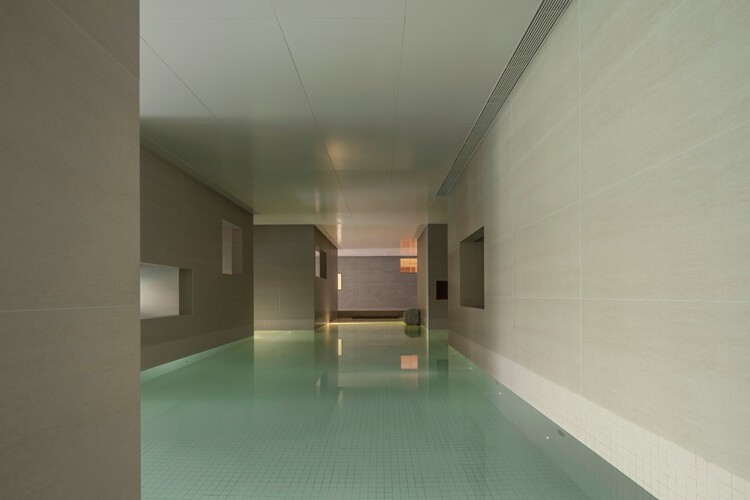
https://www.archdaily.com/1032822/joyous-spring-wellness-center-soong-lab-plus 韩爽
August 15, 2025
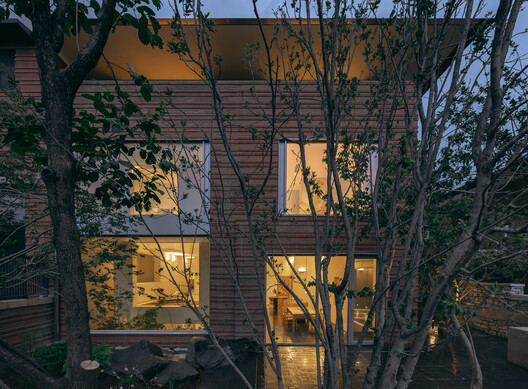
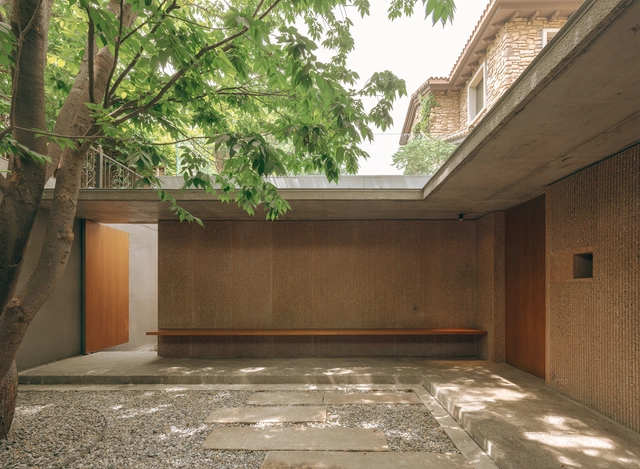
https://www.archdaily.com/1032928/house-j-atelier-about-architecture Pilar Caballero
July 24, 2025
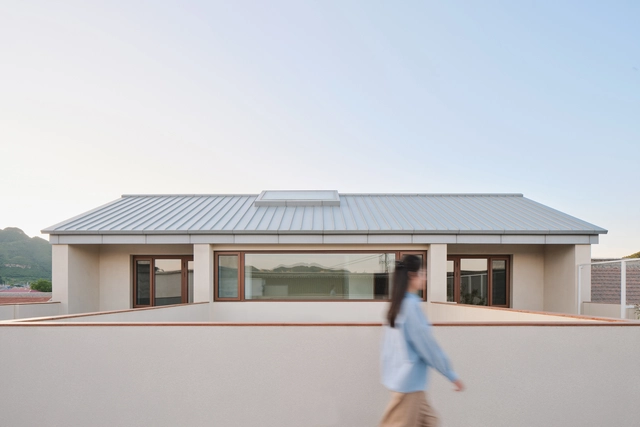
https://www.archdaily.com/1032120/chill-house-steps-architecture Andreas Luco
July 14, 2025
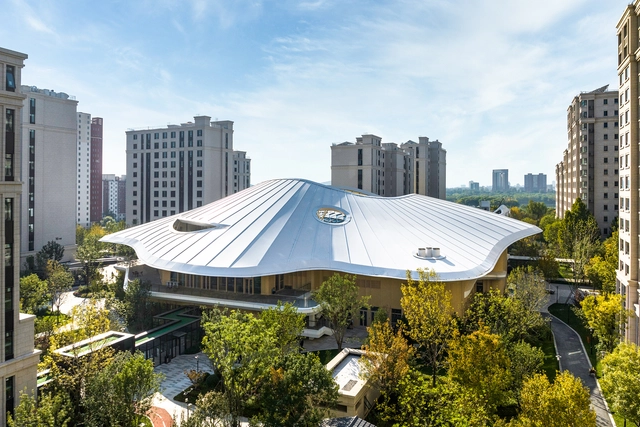
https://www.archdaily.com/1014442/activity-center-of-taikang-community-yan-garden-fangwei-architect-plus-sunlay-design-group Pilar Caballero
July 12, 2025
https://www.archdaily.com/1023783/park-tech-zhongguancun-dongsheng-science-park-phase-iii-sopa Andreas Luco
July 11, 2025
Beijing, China. Image © ESB Professional via Shutterstock
Every year, World Population Day is observed on July 11th, aiming to increase people's awareness of various population issues, such as the importance of urbanization , gender equality , poverty, health , and human rights . In 2025, under the theme "Empowering Youth to Build the Families They Want," the United Nations draws attention to the largest generation of young people in history, many of whom are coming of age in rapidly urbanizing contexts. Urban centers remain key to understanding these demographic patterns, as cities continue to attract populations seeking opportunity, stability, and access to essential services. Today, more than half of the global population resides in urban areas, a share projected to increase to 66% by 2050.
+ 16
https://www.archdaily.com/1032049/the-worlds-largest-cities-in-2025-by-population Reyyan Dogan
June 30, 2025
https://www.archdaily.com/1031540/aitashop-beijing-yatofu-creatives Andreas Luco
June 23, 2025
© Jin Lei
Area
Area of this architecture project
Area:
120 m²
Year
Completion year of this architecture project
Year:
2025
Manufacturers
Brands with products used in this architecture project
Manufacturers: Schneider
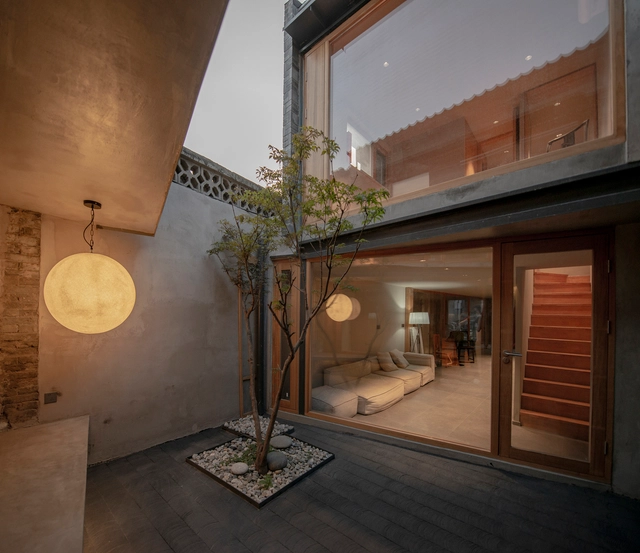
https://www.archdaily.com/1031301/longhouse-in-beijing-hutong-jin-lei 韩爽
June 15, 2025
https://www.archdaily.com/1028408/gardenful-taoa Andreas Luco
June 12, 2025
https://www.archdaily.com/1031028/house-m-atelier-about-architecture Pilar Caballero
June 07, 2025
https://www.archdaily.com/1029957/likeuugai-nian-tan-suo-zhong-xin-kong-jian-she-ji-likeuu-concept-exploration-center-studio-102 韩爽
May 25, 2025
https://www.archdaily.com/1030334/the-wind-h-art-center-phase-ii-and-phase-iii-jin-qiuye-studio 韩爽
April 29, 2025
https://www.archdaily.com/1029495/lei-homestay-archstudio Valeria Silva
April 09, 2025
https://www.archdaily.com/1028699/house-of-cross-chaoffice Pilar Caballero