

-
Architects: IAAC FAB Lab Barcelona
- Area: 100 m²
- Year: 2015
-
Manufacturers: Neopixel, ROCKWOOL, WISA


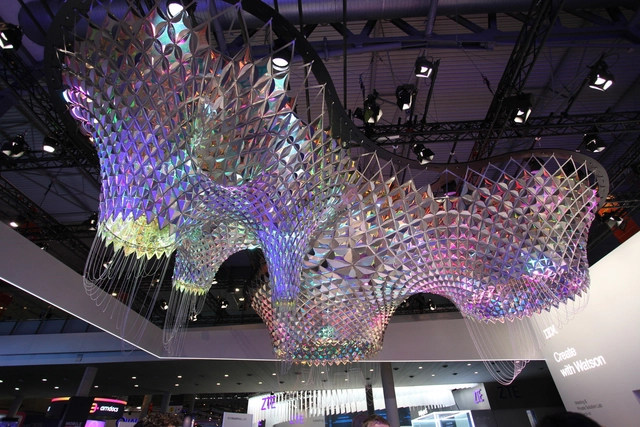
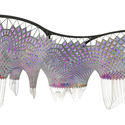
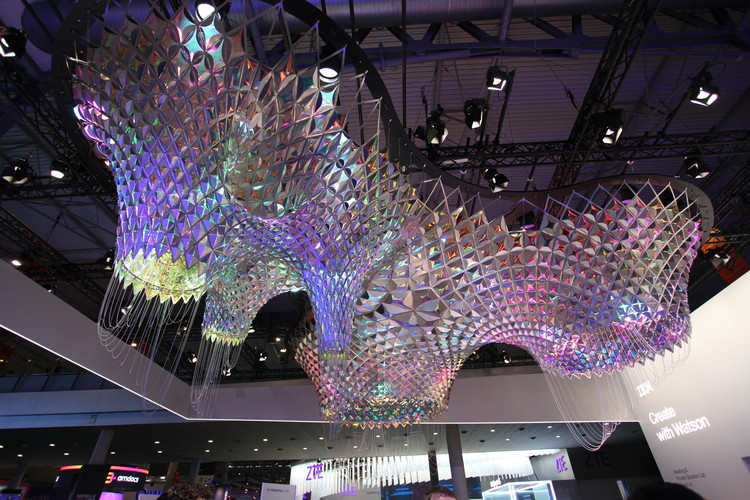
IBM and New-York-based design studio SOFTlab have teamed up to create the first thinking sculpture, inspired by Gaudí and developed with IBM’s Watson cognitive technology for the Mobile World Congress in Barcelona, Spain.
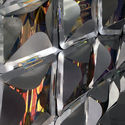
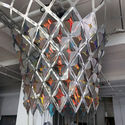
In order to help design the sculpture, Watson was taught about the history and style of Gaudí and the architecture of Barcelona through volumes of images, literary works, articles, and even music. From these references, Watson helped to uncover critical insights on patterns in Gaudí's work—like crabs, spiders, and color palettes—that the design team didn't initially associate with Gaudí. The resulting four-meter-tall sculpture features a structural surface made of over 1200 unique aluminum parts, and is unmistakably reminiscent of Gaudí’s work both in look and feel, yet entirely distinct.
The sculpture was on display from February 27 to March 2 at Mobile World Congress in Barcelona, where it interacted with visitors by changing shape in real-time, in response to sentiments from Twitter. To learn more about the sculpture, ArchDaily was given to opportunity to speak with IBM Watson Manager Jonas Nwuke.


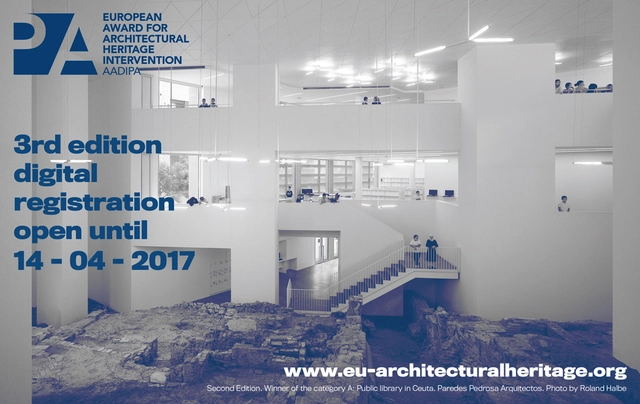
The Award for Architectural Heritage Intervention AADIPA, arises from the belief that heritage, as a vehicle for social integration and an economic vitalizing resource for the community, deserves to be appreciated and encouraged. In the current context, in which architectural heritage is considered not only to be a fundamental instrument of knowledge but also a first rate socio-economic resource for the sustainable development of the territory, the disclosure, distinction and recognition of works and quality projects contributing to the preservation of the collective memory is imperative.
Mies van der Rohe’s seminal Barcelona Pavilion is one of the most well-loved structures in the history of architecture, a de facto pilgrimage site for architects and architecture lovers around the world. Now, even those unable to make the trip have the opportunity to get a tour of the beautiful structure, thanks to a new virtual walkthrough produced by The Mies van der Rohe Foundation.




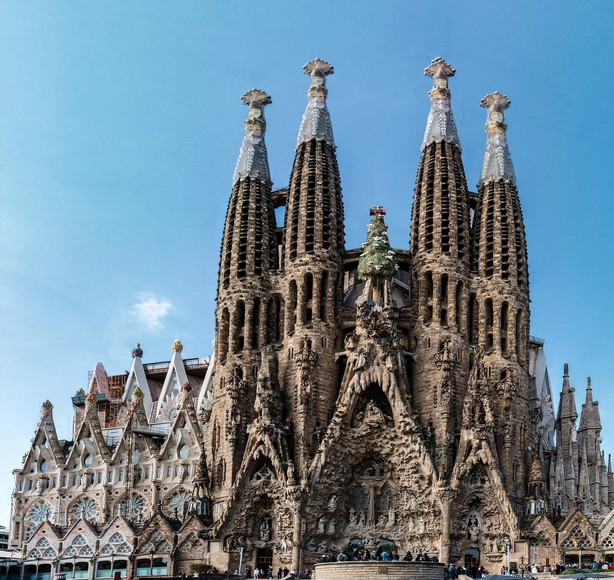
Over the course of 134 years of construction of the Sagrada Familia, the unfinished masterpiece of Antoni Gaudi in Barcelona has experienced three unresolved conflicts. First, there was a lack of a (contemporary) construction permit, the nonpayment of taxes, and finally the uncertainty about whether or not to finally build the large plaza to the southeast that Gaudí imagined with the forced expulsion of up to 3,000 residents and lessees, all living in the area surrounding Sagrada Familia’s Glory Façade.
In recent days, these three issues have come to light almost simultaneously, but let’s discuss them one by one. Bitterly upset by what he describes as "a project without plans in Gaudi's name" Councilman of Barcelona Architecture, Urban Landscape and Heritage Daniel Mòdol called the Sagrada Familia a "giant Easter cake".
His statement, reported by the press two weeks ago, overshadowed the official Municipal proposal made to the temple’s construction monitoring committee "if they plan to modify the planning around the basilica" in a maximum period of six months. This is in reference to the large esplanade designed by Gaudi in his original plan, in front of the Glory Façade (between the streets Mallorca and Arago): a walkway 60 meters wide that would connect the temple with Diagonal Avenue.