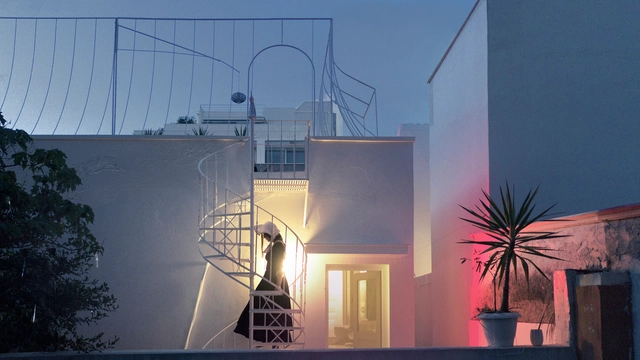
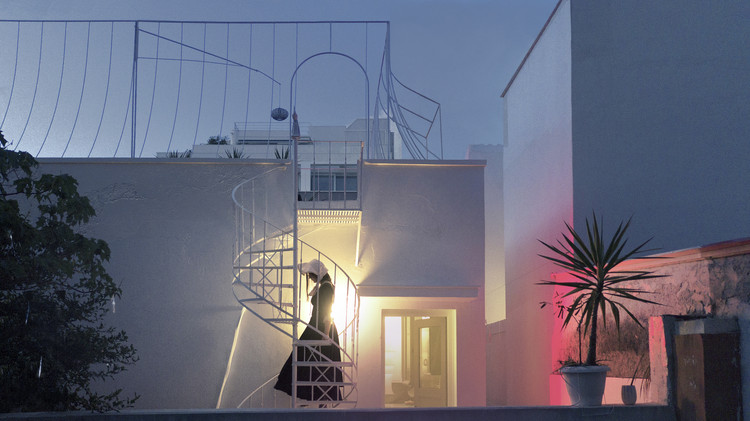
How might your persona or act differ if you were to put yourself before society’s expectations and limitations, embracing your queerness and preferences? Looking into the impact of individuality, we talked with Andreas Angelidakis, an architect to who refers to himself as “an architect who doesn’t build”, but views architecture as a site of social interaction, creating works that reflect on the urban culture by mixing ruins, digital media, and psychology to better understand the power of finding different design paths.
Cities across the Northern Hemisphere are preparing for the upcoming summer months, which are expected to be warmer and drier than average. The European Center for Medium-Range Weather Forecasts warns about temperatures rising above the norm in central and southern Europe this summer. Similarly, the forecast for the Unites States predicts hotter weather and below-average rainfall likely to fuel a megadrought. This poses threats for citizens, especially in larger cities, where heat-absorbing asphalt and waste heat generated by energy use create a “heat-island” effect. It translates to temperatures being up to 10°F (5.6°C) warmer in cities compared to the surrounding natural areas.
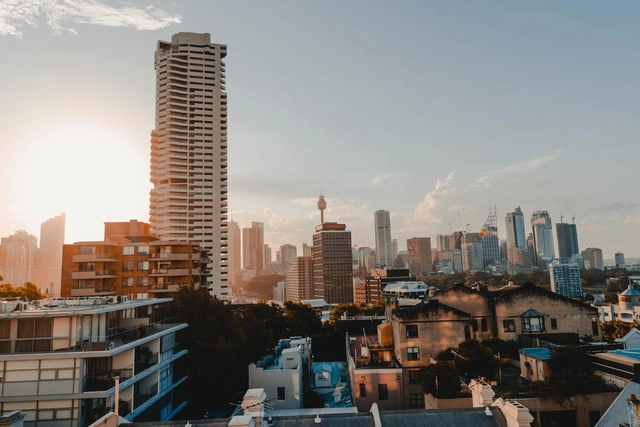
Prolonged heatwaves have been increasingly common in recent years, and cities are devising various strategies for combating the urban heat island effect. As Sydney experienced blistering summer temperatures of up to 50 degrees Celsius, the authorities have recently banned dark roofs on new homes and mandated lighter-coloured alternatives to reflect solar radiation. In Europe, Athens has taken the example of Miami and hired a Chief Heat Officer, tasked with finding coping strategies as the city confronts with heatwaves and wildfires that prompted a large number of residents to vacate the capital.
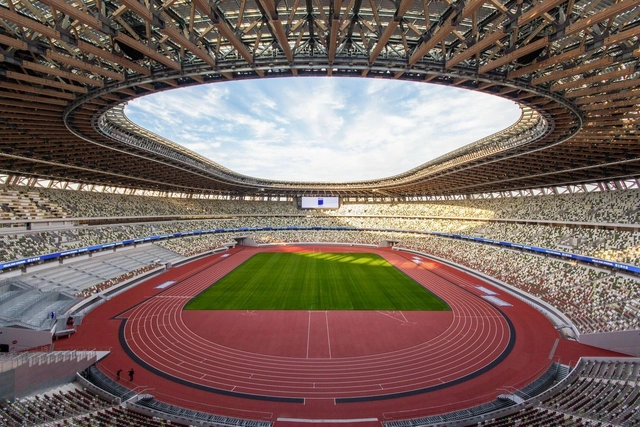
Since their inception in 1896, modern-day Olympics have been regarded by hosting cities as an opportunity to project to the world a specific image of themselves, to subsidize large infrastructure projects, or to rapidly unfold redevelopment schemes. Past the frequently discussed eye-catching stadiums, there is a complex story of Olympic urbanism, which encompasses the large scale developments catalyzed by the event. Exploring the urban and architectural legacy of the Games, the success stories, the white elephants, and the administrative agendas, the following discusses what the Olympics leave behind in the hosting cities.
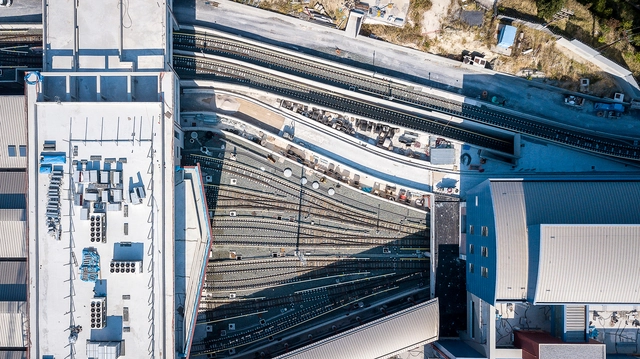
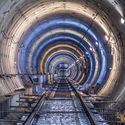
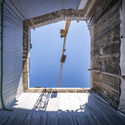
With the recent completion of several new stations and tunnels, the Athens underground metro expansion and the development of the ThessalonikiMetro system are on a set course to completion in Greece. The construction of a direct connection between the Athens airport and the Piraeus harbour, as well as the development of Thessaloniki’s first metro line, are underway, and images by photographer Pygmalion Karatzas show the new underground infrastructure coming together in the two Greek cities.
The Athens Architecture Club seeks to resurrect the historical architecture clubs of the 19th century, functioning as an “open forum, an infrastructural framework, and support platform for architects, artists, and writers to discuss, challenge and enrich a dialogue among practitioners and scholars.
https://www.archdaily.com/900323/drawings-by-tchoban-holl-and-calatrava-among-stunning-entries-for-the-first-athens-architecture-club-exhibitionNiall Patrick Walsh






































.jpg?1534440141&format=webp&width=640&height=580)
.jpg?1534440166 "Monster / Alessandro Mendini. Image Courtesy of The Chicago Athenaeum Museum of Architecture and Design")
.jpg?1534440176 "View of Lyon / James Von Klemperer. Image Courtesy of The Chicago Athenaeum Museum of Architecture and Design")
.jpg?1534440156 "Concept Sketch of Imperial War Museum North / Daniel Libeskind. Image Courtesy of The Chicago Athenaeum Museum of Architecture and Design")
.jpg?1534440147 "The Dance / Santiago Calatrava. Image Courtesy of The Chicago Athenaeum Museum of Architecture and Design")
.jpg?1534440141)