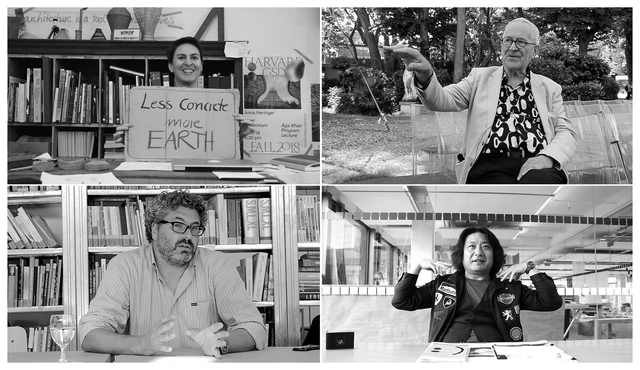
Simple in form but complex in substance, “What is Architecture?” remains an existential question for a lot of architecture students and young professionals. In an attempt to define this ever-changing interrogation and expose the different visions out there, the interview series: WIA – What is architecture? asks four, straightforward, questions to world-leading architectural designers and thinkers. Seeking to uncover their opinion on what architecture is and what it can do, these short videos reveal responses to “What is architecture? What can architecture do? What is your architectural position? and What is your design method?”.
ArchDaily has collaborated with WIA to release every week, 4 of these conversations, and to invite you to take on the challenge and answer these questions. This first feature, shares insights into the thoughts and personality of Peter Cook, Anna Heringer, Moon Hoon, and Greg Lynn.
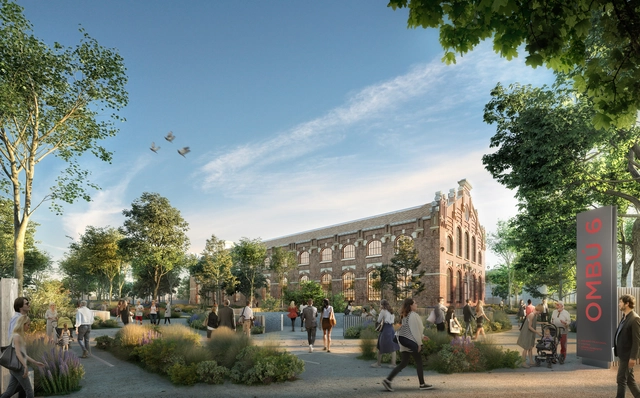
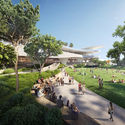
General view of the revitalised industrial building sitting in a landscaped garden. Image Courtesy of Foster + Partners
Foster + Partners is leading massive refurbishment works on a historic building in Madrid. The renovation project that will put in place an office building for Acciona, seeks to revitalize an abandoned old industrial building built in 1905, generating over 10,000 square-meters of new spaces.
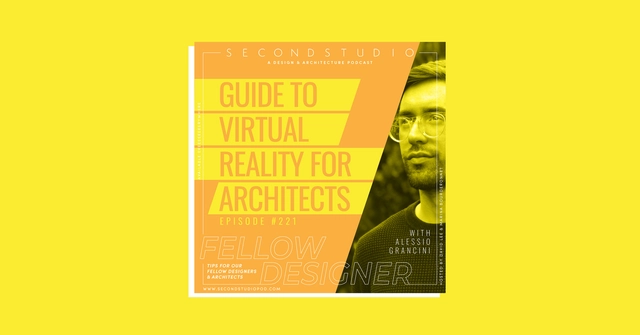
The Second Studio (formerly The Midnight Charette) is an explicit podcast about design, architecture, and the everyday. Hosted by Architects David Lee and Marina Bourderonnet, it features different creative professionals in unscripted conversations that allow for thoughtful takes and personal discussions.
A variety of subjects are covered with honesty and humor: some episodes are interviews, while others are tips for fellow designers, reviews of buildings and other projects, or casual explorations of everyday life and design. The Second Studio is also available on iTunes, Spotify, and YouTube.
This week David and Marina are joined by Alessio Grancini, Prototype Engineer at Magic Leap and former Head of XR at Morphosis to discuss how VR can be used in architecture offices. The three cover basic terminology, software, workflows, costs, learning curves, using VR in the design process and for client presentations, the pros and cons of different headsets, controls, different types of rendering, the social implications of VR, and how he transitioned from architecture to the technology space. Enjoy!
https://www.archdaily.com/957761/alessio-grancini-on-how-vr-can-be-used-in-architecture-officesThe Second Studio Podcast
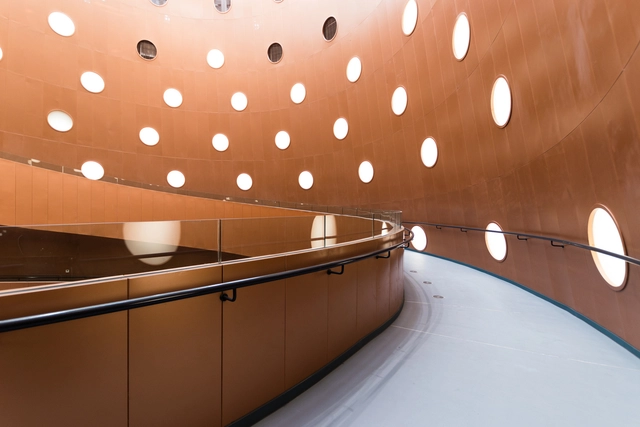
There are two main reasons why boat windows are round. They are easier to seal and, above all, more resistant to the high pressure that water exerts on them. This is because living corners are places where tensions are naturally concentrated, weakening the structure as a whole. This is also why aircraft windows are small and round; high pressures are better distributed in curved shapes, reducing the likelihood of cracks or breaks.
In architecture, circular openings are quite old. The Oculus, a type of circular window, has been a feature of classical architecture since the 16th century. Also known by the French expression oeil de boeuf (bull's eye), circular or semi-circular openings are formed from the construction of masonry arches, which allow for the creation of openings only by locking the constitutive pieces. Over time and following the incorporation of new technologies and development of construction knowledge, creating rectangular openings in buildings has become easier, more efficient, and cheaper than creating round ones. However, these circular windows still continue to figure in a multitude of projects.
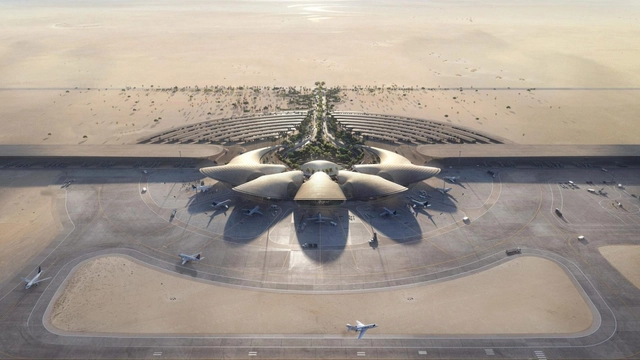
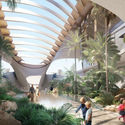
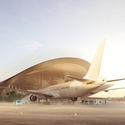
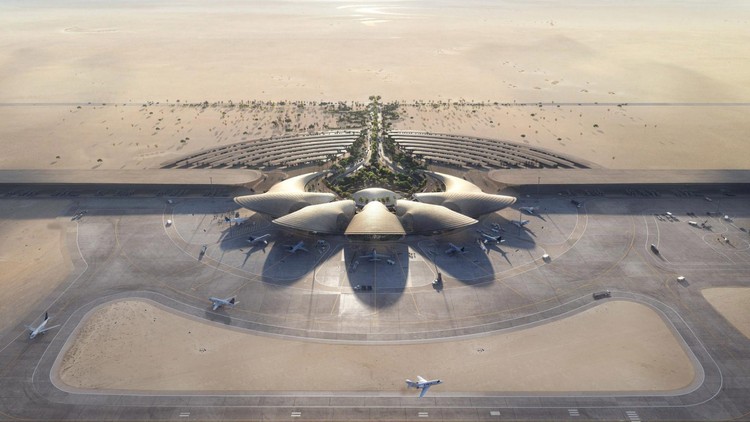
Construction has begun on the new Red Sea International Airport by Foster + Partners in Saudi Arabia. The airport is located on the country's west coast, and is part of the larger Red Sea Project and tourism development. The design was inspired by the "colors and textures of the desert landscape" and will feature a series of five pod structures arranged radially around a central drop-off and pick-up space.
Scale defines spatial experience. From a single room or space to entire masterplans and urban designs, moving between scales shows how designers zoom in or out. Working across programs and contexts around the world, architects are exploring the possibilities of scale to shape human experience. For unbuilt work, these proposals combine ideas of structure, materiality and form to redefine typologies and the future of urban environments.
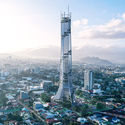
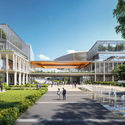
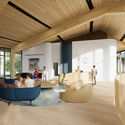
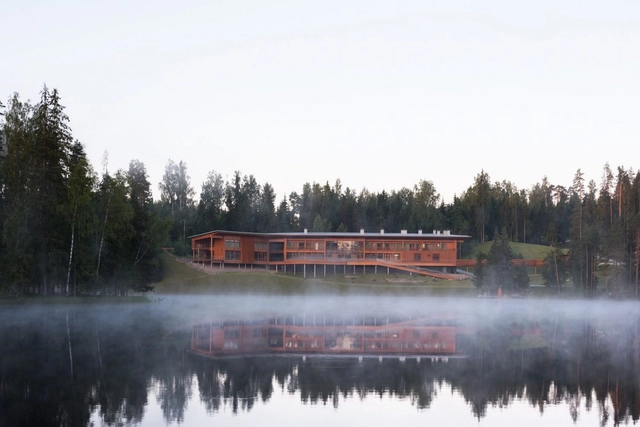
This week’s curated selection of the Best Unbuilt Architecture focuses on diverse scales of building. Drawn from an array of firms and local contexts, they represent proposals submitted by the ArchDaily Community. They showcase different approaches to designing at diverse scales, from the size of a single room to a high-rise. The projects include a log driving museum in Oslo and a center for health in Hawaii, to a laboratory in Shenzhen and a skyscraper in Costa Rica.
Vladimir Belogolovsky speaks with Russian architect Totan Kuzembaev about flexibility in buildings, the freedom in design, and that even after leading a successful practice for almost twenty years, he still keeps searching for how to make architecture.
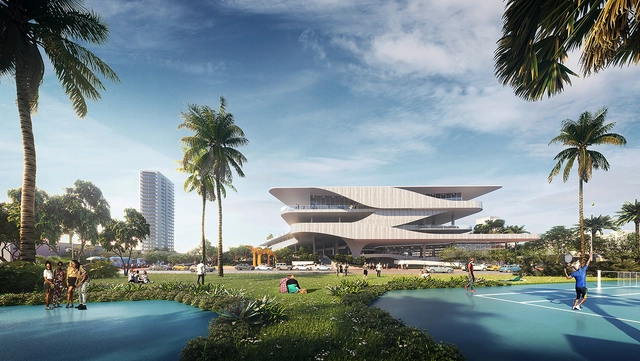
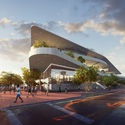
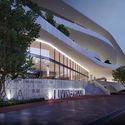
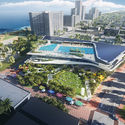
Brooks + Scarpa along with PCL and BEA, design/build team is one of three finalists selected for a new community mixed-use complex. Located in the heart of Miami Beach, just one block west of the beach, the structure that replaces a municipal surface parking lot, will include pools, libraries, retail, a community center, and a 3-acre park. Designed as a resiliency hub, the building can accommodate future residential and office use when less parking is needed.
Construction has begun on MVRDV’s new 23-story mixed-use tproject at Mission Rock in San Francisco. One of four buildings in a multi-phase masterplan, the tower was designed alongside work by Studio Gang, Henning Larsen, and WORKac. The Mission Rock masterplan aims to turn 28 acres into a new neighborhood for San Francisco residents and visitors. The projects are made to connect to China Basin Park.
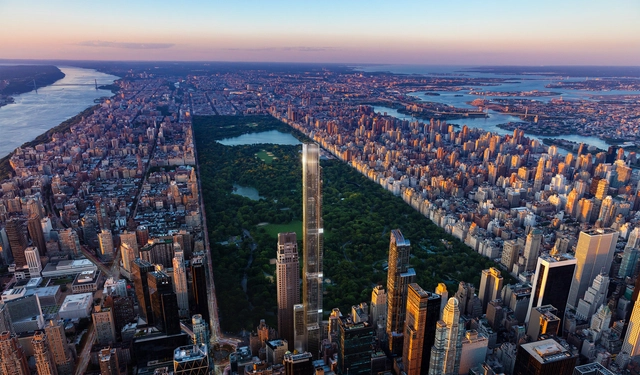
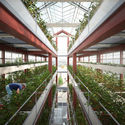
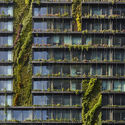
With the increase of urban density and the decrease in the availability of land, the verticalization phenomenon has intensified in cities all over the world. Similar to the vertical growth of buildings — which is often a divisive issue for architects and urban planners — many initiatives have sought in the vertical dimension a possibility to foster the use of vegetation in urban areas. Vertical gardens, farms and forests, rooftop vegetable gardens, and elevated structures for urban agriculture are some of the many possibilities of verticalization in plant cultivation, each with its unique characteristics and specific impacts on the city and its inhabitants.
But is verticalization the ideal solution to make cities greener? And what are the impacts of this action in urban areas? Furthermore, what benefits of urban plants are lost when adopting vertical solutions instead of promoting its cultivation directly on the ground?
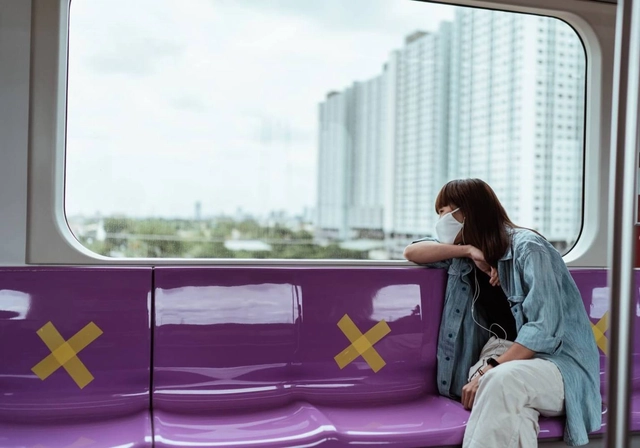
It didn’t take long for the coronavirus pandemic to inspire both cutting-edge architectural design solutions and broad speculation about future developments in the field. Many of the realized innovations have been contracted by or marketed to the real estate sector. But as firms compete to provide pandemic comforts to rich tenants, the COVID-19 technology that directly affects working-class communities is mostly limited to restrictive measures that fail to address already-urgent residential health hazards or administrative conveniences for developers that allow them to circumvent public scrutiny. These changes had been long-planned, but they have found a new license under the pretext of coronavirus precaution. In terms of “corona grifting,” this sort of thing takes the cake.
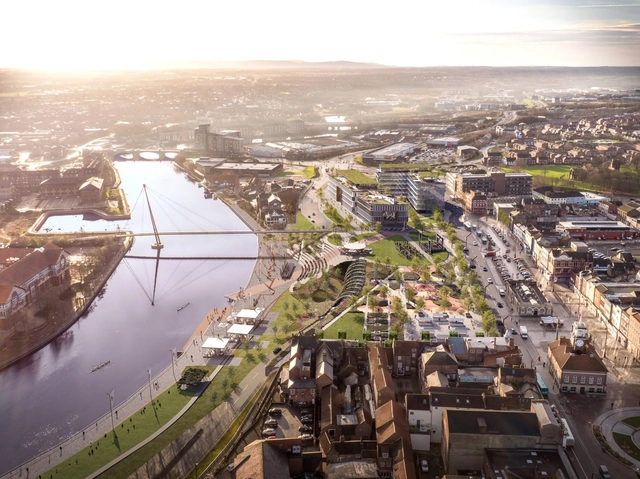
An extensive urban regeneration project is slated to take place in the town of Stockton in the United Kingdom. A 37-million-pound project, the proposal - drawn up by Ryder Architecture and backed by the Stockton Borough Council - will demolish half the high street in Stockton’s town centre and replace it with a riverside park.
Almost one year into the COVID-19 pandemic, life is starting to feel like it might regain its sense of normalcy. With promising vaccines being slowly rolled around the globe, the focus is shifting away from the immediate, and into what the future looks like- including where people want to live. At the beginning of the pandemic, stories all across the media claimed that cities were dead, people were leaving as a permanent measure of safety and well-being, and that the real estate market would experience a long and slow recovery to the boom it had experienced in the pre-pandemic world. But there’s been a shift, and it’s happening fast- people are returning to cities almost as suddenly as they once left them.
Dorte Mandrup has imagined ‘The Hinge’, a landmark transition between the new urban area Aarhus Ø and the historic town of Denmark’s second-largest city. The new city gate will put in place an innovative and sustainable urban focal point. Expected to open in 2026, The Hinge was designed in collaboration with landscape architect Kristine Jensen and Søren Jensen Consulting Engineers.
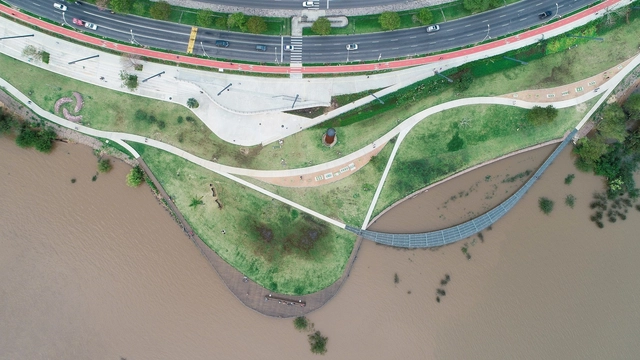
Linear parks exist in many different contexts - along riversides, coastal areas, or inserted in the urban fabric - and represent a very particular type of public space that evokes the idea of a vector and, consequently, the sense of movement. However, they can provide more than just activities and programs associated with mobility, proving to be an appealing solution to the lack of spaces for leisure, contemplation, and relaxation in the most varied urban situations.
Below, we have gathered 12 examples of linear parks built in different parts of the world, illustrated by photographs and floor plans.
There is an astonishing degree of complexity, order, and beauty in the natural world. Even so, and especially within the realm of living things, nothing is more complex than it needs to be to sustain its existence. Every aspect of the system serves a purpose. If it does not, the unneeded component eventually ceases to exist in future generations. Even with these constraints of resource and energy efficiency, we find boundless beauty and harmony in the natural world. Contrast nature’s “just the right amount of complexity” to the way many architects design buildings today. While nature is only as complex as it needs to be, architects and designers add excessive and inessential complexity to their buildings and landscapes when none is warranted.
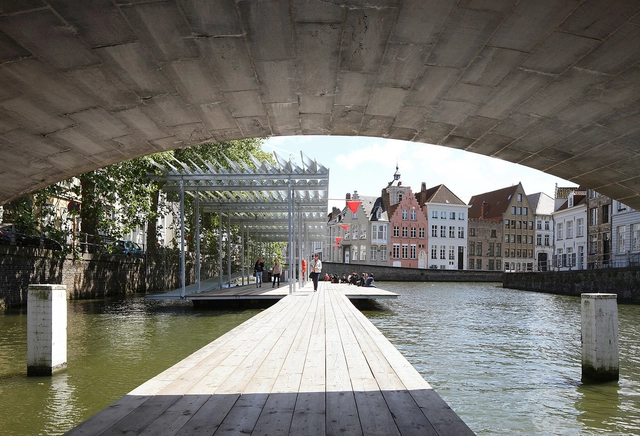
Architecture remains in constant tension with natural forces. Designed around gravity, climate, and time, buildings are always part of larger systems. Throughout the world, designers have tried to mitigate natural forces by constructing hybrid spaces and structures, artificial areas where nature meets the manmade. Embodying this relationship, canals reflect a desire to direct nature and its flows. Today, these fluid spaces are opening up to new programs, projects that explore modern life and urban vitality.
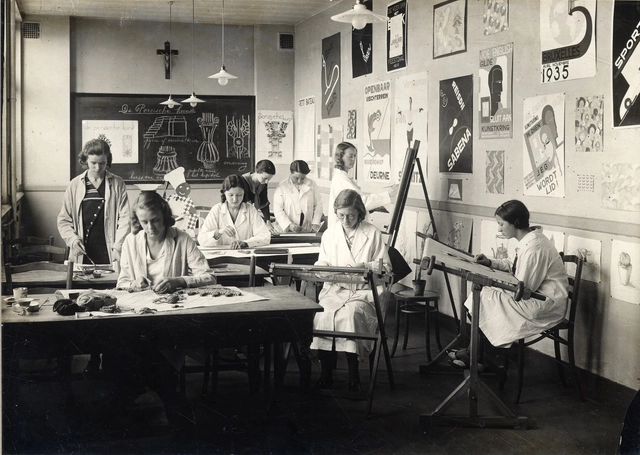
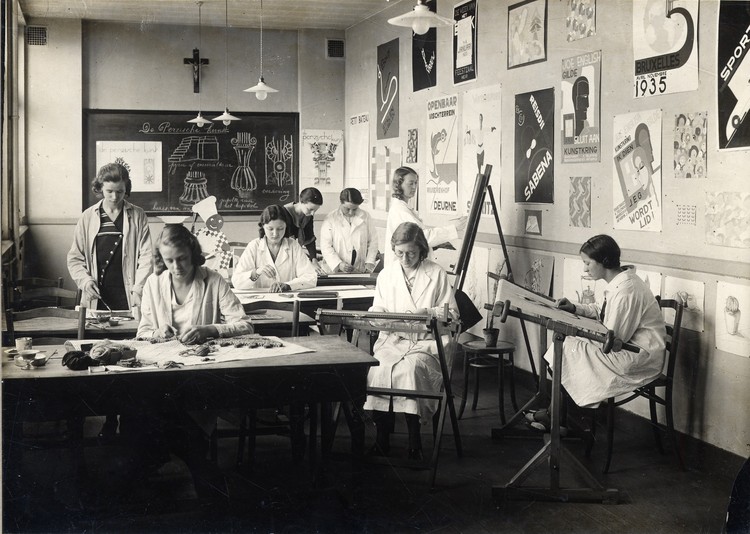
A class photograph with a.o. Martha van Coppenolle at the Technisch Instituut van Sint-Maria in Antwerp, ca. 1930. Collection City of Antwerp, Letterenhuis.. Image Courtesy of Wiki Women Design
The Flanders Architecture Institute has been working to bring “women who have left their mark on Belgium's design heritage out of the shadows”, through Wiki Women Design. Using Wikipedia as a platform, the initiative aims to organize edit-a-thons or writing sessions, to make up for this backlog.










.jpg?1614564416&format=webp&width=640&height=580)
_Paolo_Rosselli_DSC_8101.jpg?1612525106&format=webp&width=640&height=580)

_Paolo_Rosselli_DSC295s0.jpg?1612525069 "Bosco Verticale / Boeri Studio. Image: © Paolo Rosselli")
_Paolo_Rosselli_DSC_8101.jpg?1612525106)