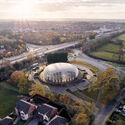
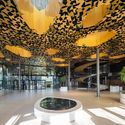
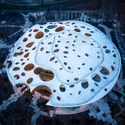
Sou Fujimoto’s House of Hungarian Music, a contemporary cultural landmark dedicated to music in Budapest's City Park has officially opened its doors to the public. Considered as one of the most anticipated buildings of the year, the project is nestled within the park's trees, and is designed as an extension of its natural setting through uninterrupted glass volumes and a perforated roof structure. The museum offers a unique artistic experience combining landscape, architecture, and exhibition design, all dedicated to the creation of music and sound.
Helsinki seeks to transform the Makasiiniranta area into an extension of its pedestrian city centre through a competition that will reshape a significant part of its maritime façade. The two-phase competition has shortlisted nine international groups whose proposals were made available for public feedback under anonymity. As most of the former industrial areas of the city have been redeveloped, Makasiinirantais is the last part of the old harbour waiting to undergo transformation and the most significant one, as it is considered a nationally valuable environment.
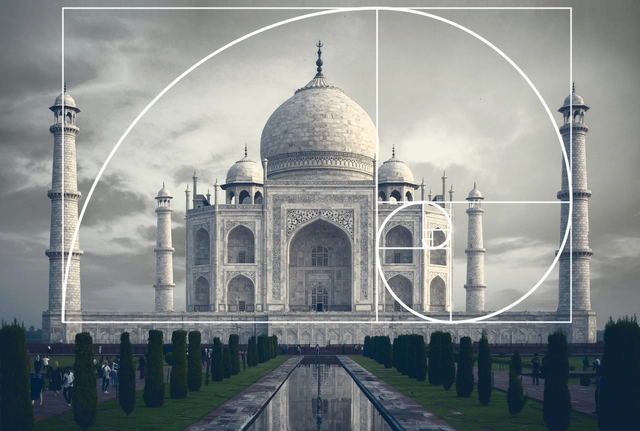
One of the most famous series of numbers in history, the Fibonacci sequence was published by Leonardo of Pisa in 1202 in the "Liber Abaci", the "Book of Calculus". The famous sequence of numbers became known as the "secret code of nature" and can be seen in the natural world in several cases. But, after all, how does this sequence relate to architecture?
https://www.archdaily.com/975380/what-is-the-fibonacci-sequence-and-how-does-it-relate-to-architectureEquipe ArchDaily Brasil
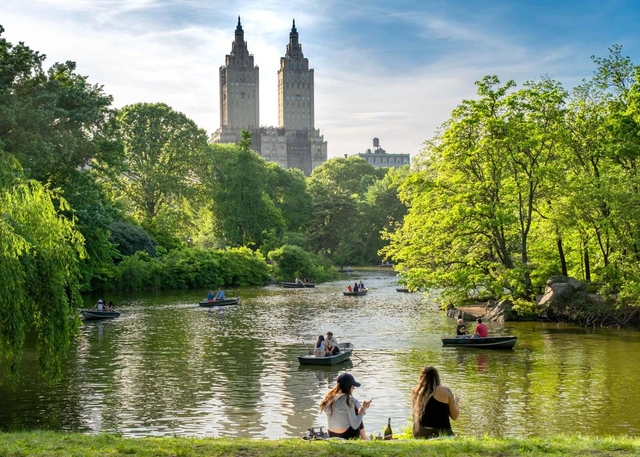
Boating on The Lake in the northern reaches of Central Park. Image Courtesy of Harry Gillen on Unsplash
As temperatures rise across the globe with no sign of slowing down, the parks of the future will be subjected to droughts, flooding, punishing heat, and more abundant snowfall as warmer air is capable of holding more moisture than colder air. (It’s often said the world of the future will be wetter and wilder for that exact reason.)
So how can urban parks harden themselves for the coming decades? The Central Park Conservancy, the Yale School of the Environment, and the Natural Areas Conservancy have teamed up to turn New York City’s most iconic park into a hub for studying climate change adaptation and potential mitigation strategies. The Central Park Climate Lab was announced on January 12 by the conservancy, and the insights gleaned from the program will expand to other parks across New York city and eventually, other parks across the country.
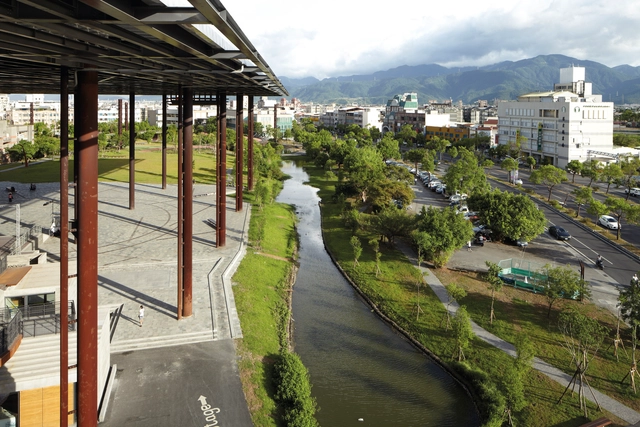
Taiwan proposes that architecture can transform a place, and to represent this idea, the work of Sheng-Yuan Huang and his practice, Fieldoffice, were chosen for the Taiwan Exhibition at La Biennale di Venezia in 2018, entitled Living with Sky, Water, and Mountain: Making Places in Yilan. Sheng-Yuan and Fieldoffice demonstrated that the notion of making places is more than building a physical space, but is equally about establishing a linkage between people, as well as people and their environment.
Alessandro Martinelli explores Sheng-Yuan and his colleagues at Fieldoffice as the avant-garde of a new architectural movement in his book, The City Beyond Architecture, which seeks to produce a new form of collective living through the lens of design and culture, touching on what the design culture of the majority of future urbanization could become. In the following, we will discuss Shen-Yuang's impact on Taiwanese architecture as he spearheaded the call to integrate and imagine public spaces that inhabited the capacity to structure a particular landscape to provide both social spaces and a sense of identity to its occupants.
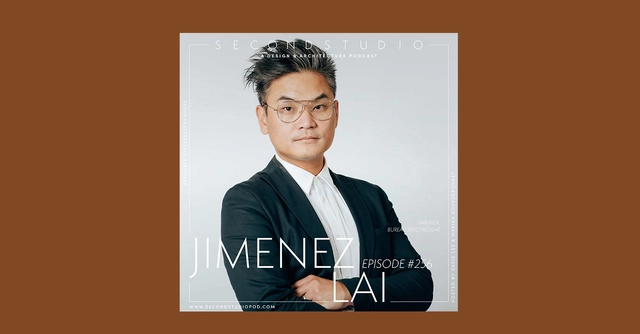
The Second Studio (formerly The Midnight Charette) is an explicit podcast about design, architecture, and the everyday. Hosted by Architects David Lee and Marina Bourderonnet, it features different creative professionals in unscripted conversations that allow for thoughtful takes and personal discussions.
A variety of subjects are covered with honesty and humor: some episodes are interviews, while others are tips for fellow designers, reviews of buildings and other projects, or casual explorations of everyday life and design. The Second Studio is also available on iTunes, Spotify, and YouTube.
This week David and Marina are joined by Jimenez Lai, Founder of Bureau Spectacular to discuss civic and infrastructural spaces in cities; collage architecture; what makes a living room, a living room?; his current project, “Citizens With No Places”; his book “Citizen of No Place”; living and studying at Taliesin West; and suburban developments.
Videos
The Digital Twin . Image via Shutterstock/Videoflow
The emergence of the Digital Twin phenomenon has heralded a great change in terms of urban planning. It essentially presents the city as dynamic, in virtual form. Ensuring every element from the historic fabric, new construction, and public transit is accounted for in one three-dimensional model. Not only does it present key elements in terms of the landscape, but it also encompasses often overlooked conditions such as the presence of light throughout the day, shadows, and the presence of vegetation and trees. All of which contribute to a better preliminary process of site analysis.
This week's curated selection of Best Unbuilt Architecture highlights conceptual works, competition entries and projects in different stages of development submitted by the ArchDaily community. From a village made of 3D-printed cacao waste for a chocolate manufacturer in Ecuador, the transformation of a shopping centre in Ontario into a sustainable and walkable neighbourhood, to the refurbishment and redevelopment of Brutalist estates in London, the following projects illustrate a wide array of design approaches shaping the built environment.
This week's selection of unbuilt projects highlights worldwide interventions addressing a range of highly-relevant topics, such as circular construction, the adoption of sustainable materials, biodiversity, urban redevelopment of obsolete infrastructure or adaptive reuse and the reconsideration of the existing building stock.
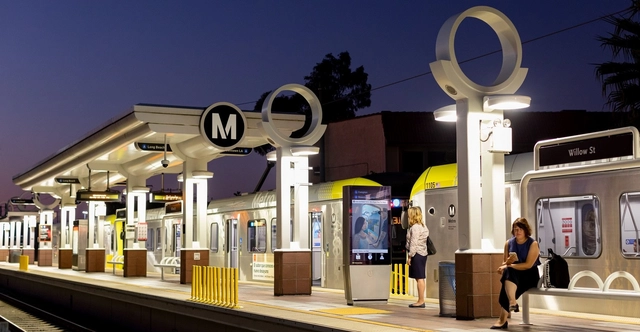
Following California's Covid-19 health regulations in early 2020, Metro, the Los Angeles public transit agency stopped collecting fares on its busses as a safety precaution measure. However, the company's decision turned into the United States' biggest free-transit experiment, as ridership never dipped below 50 percent, even with the stay-at-home orders enforced by the government. Following 22 months of the decision and around 281 million fare-free transits, the company has decided to restart collecting fares, but is planning on using the information gathered throughout these two years to implement future improvements and introduce other free or reduced-fare programs in the city.
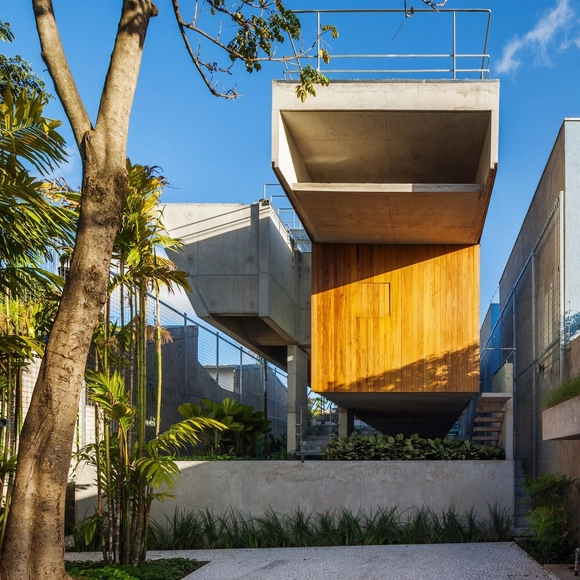
Founded by the architect and professor Angelo Bucci, spbr arquitetos works in different scales of construction of buildings with a distinct and particular language in its works. Its projects are the result of an intense exercise in architectural thinking, combined with the use of drawing as a tool for dialogue between architects and clients.
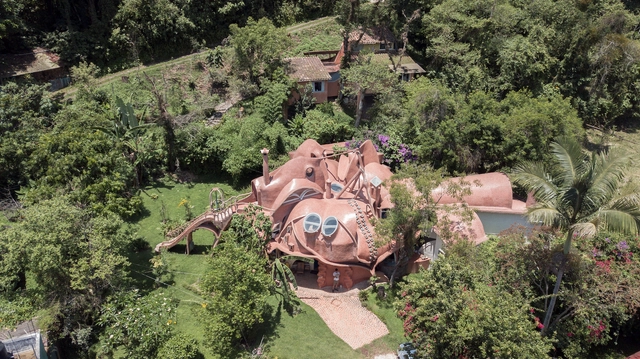
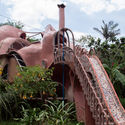
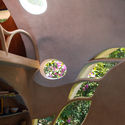
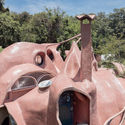
The "Casa de los Milagros" (House of Miracles), located in the cloudy forest on the outskirts of Xalapa, Veracruz and designed by Mexican architect Danilo Veras Godoy, is a space conceived with organic forms, earth, unexpectedly shaped openings and mosaic glass in different shades. It was designed to meet the needs of Rosalinda Ulloa, a single mother who would live there with her two young children. It was built in stages, starting in 1995, and was completed in 2002, with some changes being made between then and 2006.
California, as with most American states, has a housing crisis. Unlike the rest of the country, it is actually working to ameliorate the situation, with private and public initiatives that critics can’t help but label inadequate. The Bay Area made accessory dwelling units legal by changing zoning laws, but that has hardly made a dent. Some cities are now pushing for additional upzoning to give developers more room to bring new buildings to market at lower rents. There are all sorts of studies, university sponsored or underwritten by the industry, that recommend more-or-less radical fixes for a seemingly unfixable problem. Environmentalists are naturally cast as villains because they don’t condone greenfield developments. And Californians are tough on their elected officials, as the current governor learned last year.
https://www.archdaily.com/975506/new-construction-is-not-always-the-answerMark Alan Hewitt
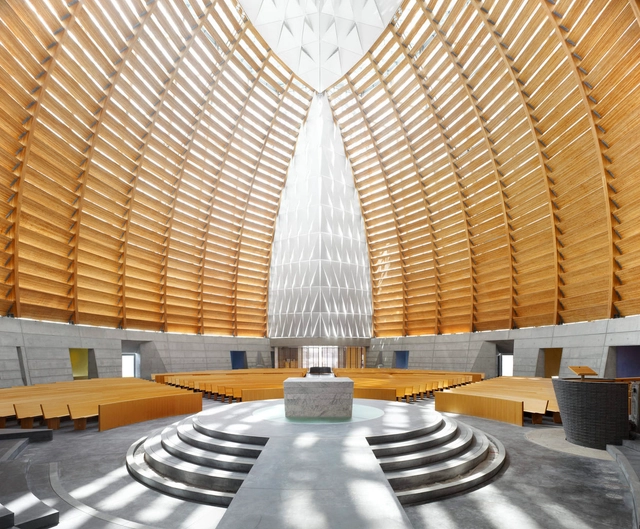
Architecture has long been designed to symbolize and venerate shared values and beliefs. This is especially true in cathedrals and places of worship, structures that exists across environmental, economic and cultural boundaries. These buildings encompass ritual and gathering as they explore the relationship between human experience and the divine. Today, cathedrals are being reimagined for contemporary life and new building traditions.
Powerhouse Company revealed its design for the new Tilburg University Lecture Hall, which upon completion, will be the Netherlands’ first academic building made of cross-laminated timber. Set within a wooded landscape, the lecture hall is a nod to the 1960s grade-listed Modernist architecture of the campus, echoing its monastic atmosphere through the rhythm of the windows and the limestone façades.
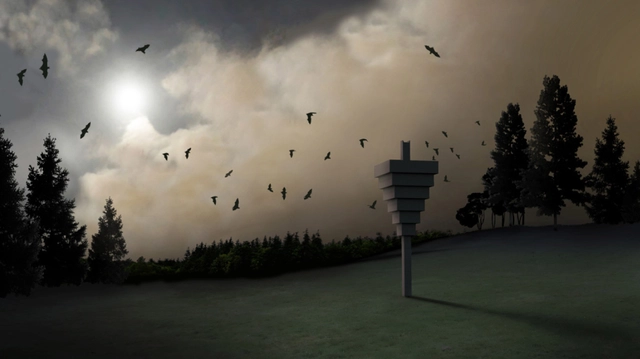
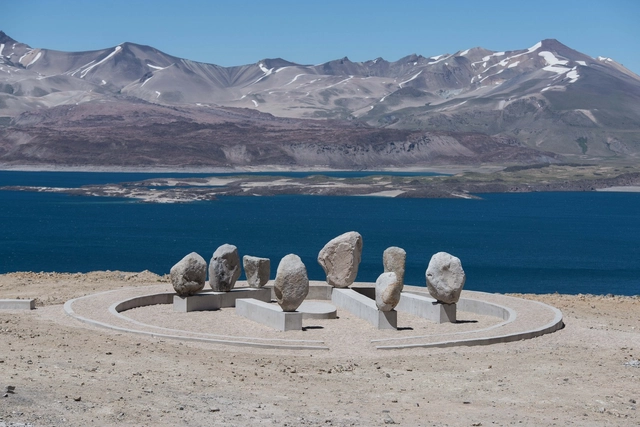
A project for the Commemorative Landmark Pehuenche Commission carried out by the recently graduated Chilean architect Antonia Ossa, is part of the series of small-scale interventions built in the Andean sector of the Maule Region, Chile, as part of the certification process of the School of Architecture of the University of Talca.
Although artificial intelligence is showing the potential to carry out successive iterations with good results, designing the layout of spaces takes up large portions of a designer's time. The organization of elements present within a space determines the flow of movement, the points of view and will largely dictate how it will be used. But the idea of stifling the use of the environment may not work for all cases. Due to space restrictions or supplementary uses that a room can have, some architects have developed dynamic layouts that have more than one possible use. Whether through dividing elements or special modules, these projects allow the space to change radically through movement.
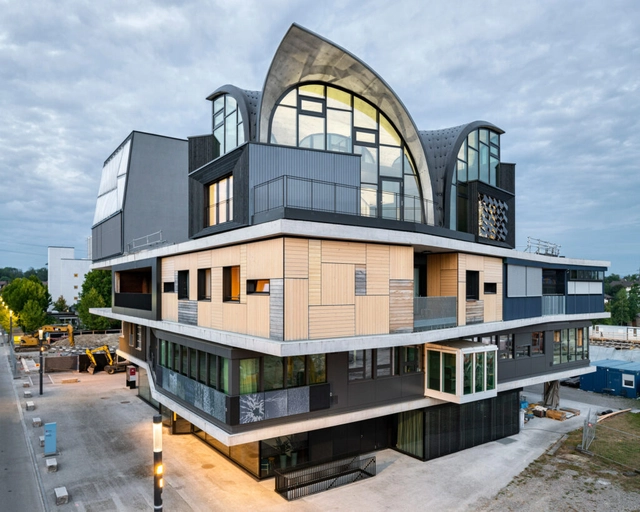
Dübendorf, Switzerland is something of hallowed ground for architectural technologists. There, on the shared academic campus of the Swiss Federal Laboratories for Materials Science and Technology and the Swiss Federal Institute of Aquatic Science and Technology, public university ETH Zurich has conducted nearly a decade of engineering and construction experimentation at the ever-evolving NEST research building. In August, ETH Zürich unveiled its latest extension of the building, HiLo (short for high performance-low emissions)—a two-story modular addition to the chameleon structure that harnesses medieval building principles and contemporary digital methods to raise the bar for more sustainable applications of concrete.



.jpg?1643020143 "Courtesy of Liget Budapest Project")
.jpg?1643020177 "Courtesy of Liget Budapest Project")