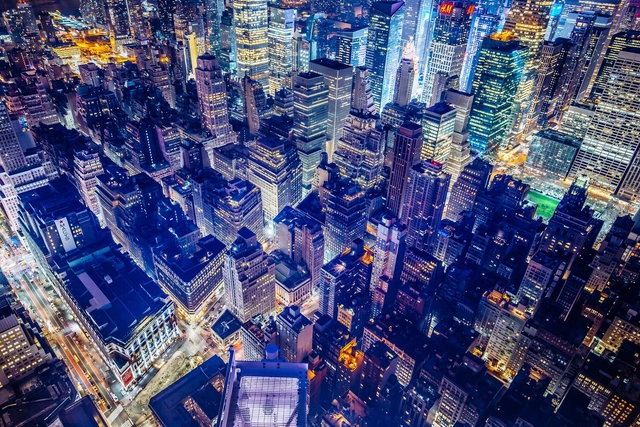
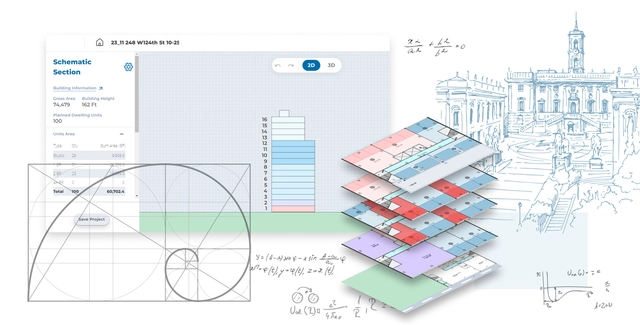
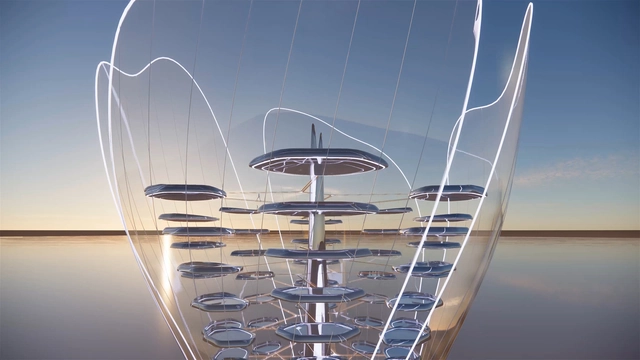
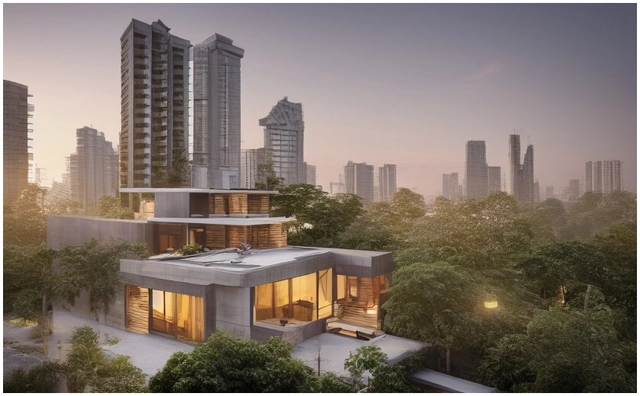
The convergence of artificial intelligence (AI) and urban planning holds significant promise for creating more intelligent, efficient, and sustainable cities. This fusion entails the integration of cutting-edge technologies that can guide decision-making, enhance resource allocation, predict trends, engage citizens, and more. In this framework, where AI is seen as a tool for advancing various urban aspects, there has been a surge in the development of applications, software, and other technological systems tailored to support urban planning. Below, we have highlighted some global studies and technologies applied from urban morphology to community involvement.
We are thrilled to announce our upcoming February workshops in collaboration with our ArchDaily Supporters partner, Parametric Architecture. These workshops have been thoughtfully curated to empower architects, designers, and enthusiasts by providing them with the latest insights and skills in the dynamic realm of parametric design. Guided by industry experts and visionaries, these immersive sessions will explore cutting-edge techniques, innovative tools, and practical applications, creating an inspiring and dynamic learning environment where participants can take their design expertise to unprecedented levels.
As a token of our appreciation, ArchDaily Supporters will be entitled to exclusive benefits, including special discounts on any of the workshops offered by Parametric Architecture and one complimentary monthly workshop. Your commitment to advancing architectural innovation seamlessly aligns with the enriching experiences that these workshops promise to deliver. Stay tuned for more information on how you can fully unlock your creative potential and embark on an exciting journey of design exploration in February.
https://www.archdaily.com/1012858/parametric-architecture-february-workshopsArchDaily Team
We are thrilled to announce our upcoming January workshops in collaboration with our ArchDaily Supporters partner, Parametric Architecture. These workshops have been thoughtfully curated to empower architects, designers, and enthusiasts by providing them with the latest insights and skills in the dynamic realm of parametric design. Guided by industry experts and visionaries, these immersive sessions will explore cutting-edge techniques, innovative tools, and practical applications, creating an inspiring and dynamic learning environment where participants can take their design expertise to unprecedented levels.
https://www.archdaily.com/1011842/parametric-architecture-january-workshopsArchDaily Team
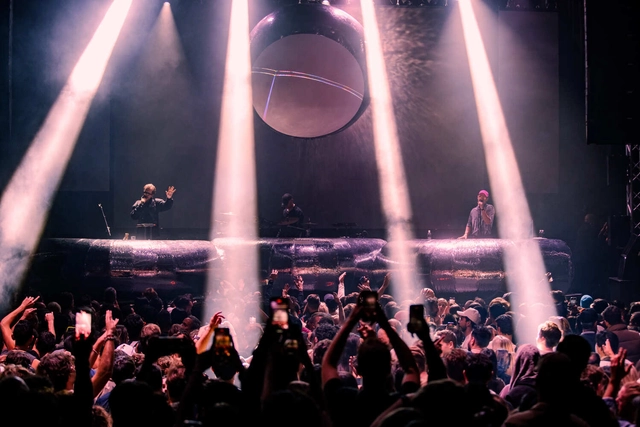
Architecture group BIG has unveiled the new stage design for the world tour of the Danish band WhoMadeWho. With visuals developed in collaboration with flora&faunavisions, EyeMix Studio, and Christopher Mulligan, the design features an inflatable sphere created to become a canvas for the three-dimensional video projections that contribute to the concert experience. The tour kicked off on November 2023 and will reach several cities around the world, including Paris, Madrid, Berlin, Istanbul, New York City, Los Angeles, Santiago de Chile, London as well as the band’s hometown, Copenhagen.
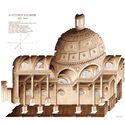
The world of architecture is a captivating fusion of artistic expression and scientific precision. My journey in the realm of architecture started with a profound exploration of its rich history. It was the awe-inspiring works of Renaissance masters that propelled me onto a transformative trajectory, guiding me toward harnessing the immense potential of artificial intelligence and algorithms in architectural design.
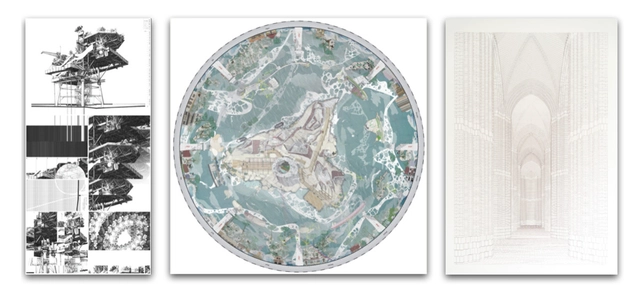
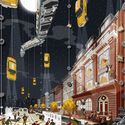
Left: ‘(Re)membering the See Monster’ by Eldry John Infante; Centre: The Archatographic Map of the Incomplete Landscape on Pedra Branca’ by Eugene Tan; Right: ‘Grundtvig’ by Ben Johnson. Image Courtesy of Architecture Drawing Prize
The Architecture Drawing Prize, now in its 7th edition, celebrates the art of drawing in three main categories: hand-drawn, digital, and hybrid. The Prize attracted nearly 250 drawings from around the world, a record for the competition, with the majority of entries being in the hand-drawn category. The winners of each category have been announced. The winning drawings, along with the shortlisted entries will be displayed at the World Architecture Festival in Singapore from 29 November until 1 December 2023, and at Sir John Soane’s Museum in London from 31 January to 3 March 2024. The Overall Winner will announced on 29 January 2024 as part of a webinar hosted by Sir John Soane’s Museum, ahead of the exhibition.
According to the jury, the technologies used by the entrants to find creative ways of depicting buildings generated probing discussions among the jury members, testing the nature and definition of architectural drawing. Sponsored by Iris Ceramica Group, the Architecture Drawing Prize is co-curated by Make Architects, Sir John Soane’s Museum and World Architecture Festival (WAF).
We're excited to announce our upcoming November workshops in collaboration with our ArchDaily Supporters partner, Parametric Architecture. These workshops have been thoughtfully curated to empower architects, designers, and enthusiasts by providing them with the latest insights and skills in the dynamic realm of parametric design. Guided by industry experts and visionaries, these immersive sessions will explore cutting-edge techniques, innovative tools, and practical applications, creating an inspiring and dynamic learning environment where participants can take their design expertise to unprecedented levels.
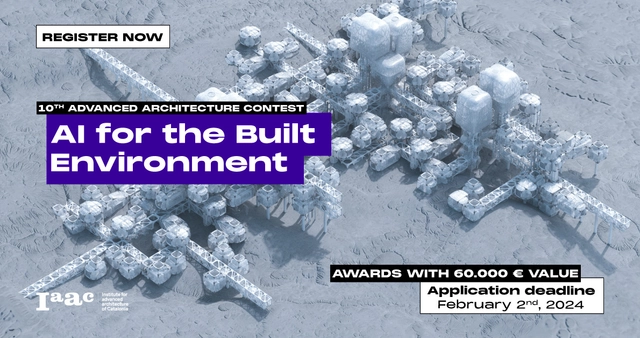
The Institute for Advanced Architecture of Catalonia (IAAC) calls its 10th Advanced Architecture Contest as a global reflection to explore the transformative potential of Artificial Intelligence (AI) for the built environment. This competition aims to inspire participants to envision novel applications of AI mixed with non-AI tools that can shape the future of architecture, urban planning, and design.
Recently, I resolved that I wasn’t going to be drawn into the silly posturing about how ChatGPT would take the jobs of every experienced architect on earth before 2030, but an intelligent post on this website by Geethanjali Raman and Mohik Acharya broke that resolve. What isn’t being stressed is that algorithms that sample internet-based information are only as good as the quality of that information. Architectural history suggests that all new things have a shelf life, quickly fading from view after being hyped. Only the best will persist after a lengthy period of evaluation and criticism. Any new architecture widely praised and available since the rise of the internet is likely to be untested by time and thus not worth using as a benchmark. And let’s face it: Some of the worst buildings ever designed by humans are out there in cyberspace, crowding out better ones that haven’t yet been digitized.
https://www.archdaily.com/1003243/architects-must-resist-the-ai-revolutionMark Alan Hewitt
It’s here! The 21st-century digital renaissance has just churned out its latest debutante, and its swanky, sensational entrance has sent the world into an awed hysteria. Now sashaying effortlessly into the discipline of architecture, glittering with the promise of being immaculate, revolutionary, and invincible: ChatGPT. OpenAI’s latest chatbot has been received with a frenzied reception that feels all too familiar, almost a déjà vu of sorts. The reason is this: Every time any technological innovation so much as peeks over the horizon of architecture, it is immediately shoved under a blinding spotlight and touted as the “next big thing.” Even before it has been understood, absorbed, or ratified, the idea has already garnered a horde of those who vouch for it, and an even bigger horde of those who don’t. Today, as everyone buckles up to be swept into the deluge of a new breakthrough, we turn an introspective gaze, unpacking where technology has led us, and what more lies in store.
On April 6, SPACE10 will introduce a global design competition to reimagine home — using AI. Over the past year, generative AI tools have enhanced imaginative and creative capabilities, allowing millions of people to visualise worlds beyond those we ever thought possible. In a first of its kind competition, SPACE10 challenges participants to apply new AI tools to future homes and cities. Regenerative Futures is part competition, part open-source research, and open to everyone. The competition encourages play and imagination to create visual concepts of future homes, communities, and cities that help address some of the biggest challenges facing everyday life.
Architecture is a referential discipline. From ziggurats, machines for living, to contemporary biophilic high-rises designs, it is impossible to know whether ideas are genuinely novel or whether they have been conceptualized before. Artificial intelligence has ignited the conversation on intellectual property (IP) even more. As millions generate unique graphic work by typing keywords, controversies have arisen, specifically concerning protecting creative work and the Copyright of architects in their creations. Therefore, understanding the scope of what is protected helps determine whether licenses are sufficient, whether trademark registration's long road is worth it; or perhaps a graphic piece cannot be protected and belongs to the public domain.
Meta City Hall / CAA LAB. Image Courtesy of CAA LAB
The promise of the metaverse is proving to be a fertile ground for research and experimentation for architects. This new realm is currently undefined, consisting of many narratives, explorations, and opportunities for architects and designers to shape a new type of environment. Generative engines, such as AI image-generators, are contributing to the feeling of open possibilities. While they are not yet part of the standard practice, they bring the promise of a shift in the production of architecture. Conceptual projects such as the ones presented in this list serve little to no external purpose. Still, they are essential in conducting an understanding of the possibilities of the new technologies which are likely to have a significant effect on the profession.
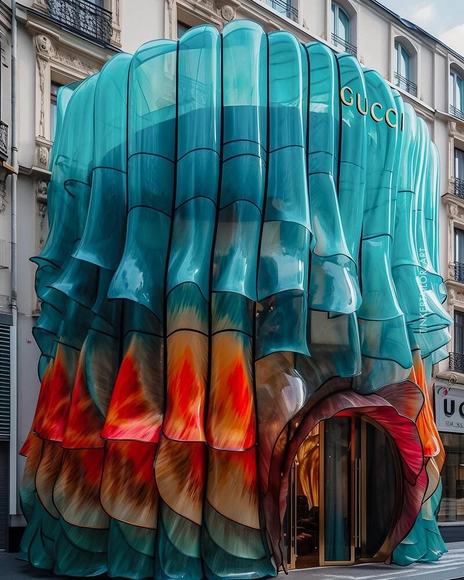
This week's curated selection of Best Unbuilt Architecture highlights projects submitted by the ArchDaily community that experiment with a new medium and integrate novel technologies. From abstract buildings created to be experienced through virtual reality in the metaverse to investigations into the ability of AI image generator engines to develop innovative architectural expressions and even research into planimetry, the following projects are pushing the boundary of what architecture could look like in the new age of technological developments.
This book explores the interdisciplinary project that brings the long tradition of humanistic inquiry in architecture together with cutting-edge research in artificial intelligence. The main goal of ‘Neural Architecture’ is to understand how to interrogate artificial intelligence—a technological tool—in the field of architectural design, traditionally a practice that combines humanities and visual arts.
Developed by indie entrepreneur @levelsio, This House Does Not Exist is a platform that allows users to generate images of modern architecture homes in the style of ArchDaily. The program uses latent text-to-image diffusion to automatically generate realistic images of modern houses. The website is intuitive and easy to use, with one button at the top right reading “tap image to generate new house”. The website also allows users to vote for the best images generated or see similar houses by clicking on the keywords displayed at the bottom of the image.
Everybody talks about Metaverse, but hardly anyone agrees on what it is. For the moment, it is still enigmatic, however, it seems like its ambiguity is its strength. Not a day goes by without a new article or a video on this subject, trying to convince people that Metaverse will inevitably become a part of our daily lives soon. Architects and designers are essential parties to the ongoing discussion as it is a spatial innovation that requires the Internet to be redesigned as a 3D environment.
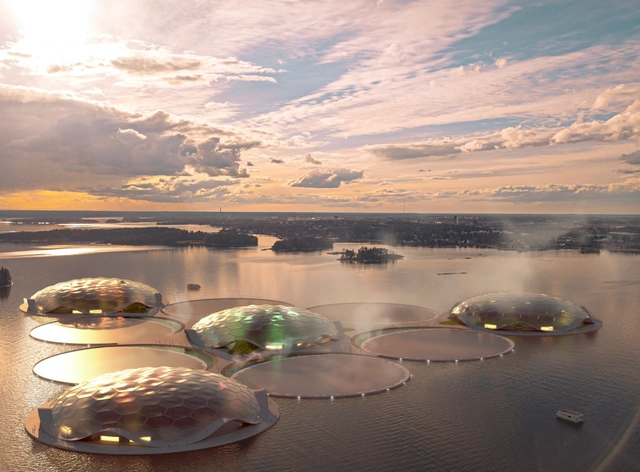
In 2021, CRA-Carlo Ratti Associati’s proposal to create sustainable alternatives for urban heating networks was selected as one of four winners of the global Helsinki Energy Challenge. The project entitled Hot Heart proposed “island-like, floating seawater reservoirs to heat the city of Helsinki in a green way”. Using Twinmotion, Epic Games’ real-time visualization platform for the architecture industry to design the intervention, the large scale infrastructural project needed a digital representation tool to possibly put scale into perspective, offer a real immersive experience to engage the client, and exhibit instant changes related to natural factors such as daylight. Come SpaceForm, a data-driven virtual presentation and design tool. Created to facilitate remote cooperation, the technology allows clients or stakeholders to be more immersed in the story of the design.
Artificial intelligence systems endeavor to replicate or mimic human intelligence by combining datasets with iterative processing algorithms to learn from patterns and experience. From Siri, Alexa and other smart assistants to conversational bots and email spam filters, what once seemed like a technology pulled from science fiction has become ubiquitous in our daily lives.