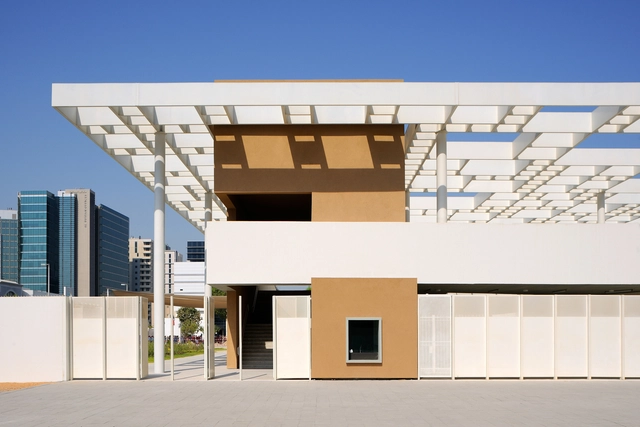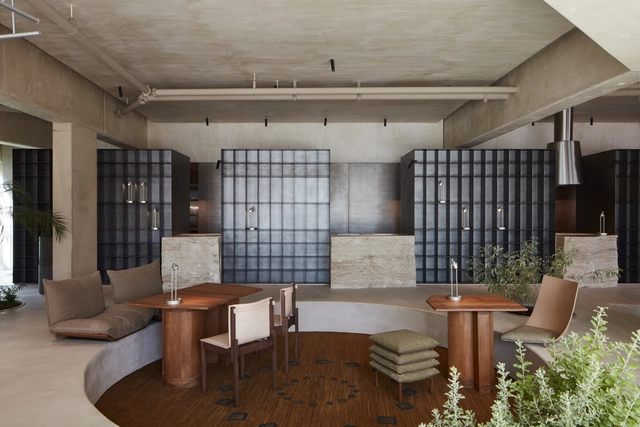
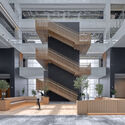

-
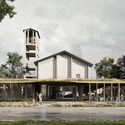
Architects: Shape Architecture Practice + Research
- Area: 18000 m²
- Year: 2021
-
Manufacturers: Jiso Iluminacion, Saint-Gobain, ASCENDER Seating, Lindner


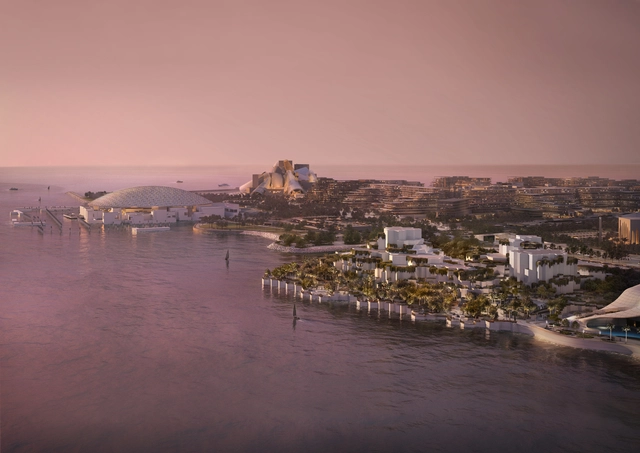
Abu Dhabi unveiled plans for a Natural History Museum designed by Dutch practice Mecanoo. The project resembles natural rock formations, and geometric shapes are present across all design elements, accompanied by the presence of water and vegetation. The 35,000 square-meter venue will feature gallery display areas, temporary exhibition spaces and theatre spaces, as well as an innovative research facility for the study of zoology, palaeontology, marine biology, molecular research and earth sciences. The new institution is intended as a space for education and, at the same time, as a think-tank for future innovation in these respective fields.
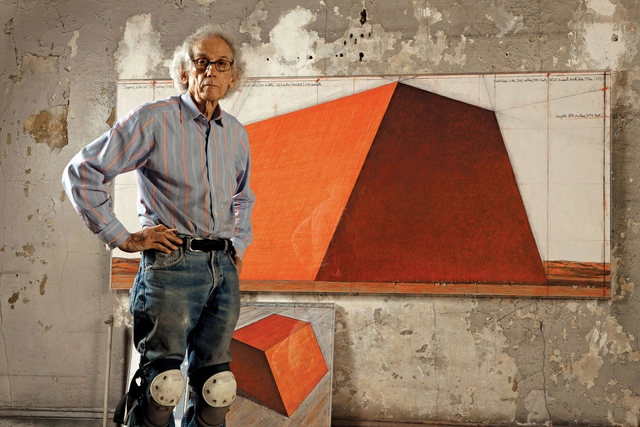
Conceived in 1977, and currently, in progress, The Mastaba, Christo and Jeanne-Claude’s largest permanent artwork in the world, is designed for Abu Dhabi, to be built in a proposed location approximately 160 kilometers south of the city in the desert of Liwa, in the United Arab Emirates. Made from 410,000 multi-colored barrels, the installation will create “a colorful mosaic, echoing Islamic architecture”. 150 meters high, 300 meters long at the vertical walls and 225 meters wide at the 60 degrees slanted walls, the duo’s final project will take at least three years to be built, once it receives governmental approval.
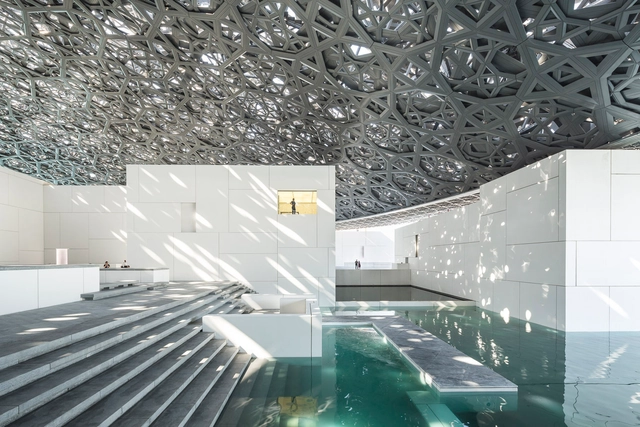
Abu Dhabi's history is tied to its development. As the capital and second most populated city of the United Arab Emirates, it has radically transformed in recent decades. Planned under the guidance of Sheikh Zayed by Japanese architect Katsuhiko Takahashi in 1967, Abu Dhabi has become an epicenter of cultural exchange and commercial activity. Between rapid development and urbanization, the city's architecture reflects global trends alongside new building methods.
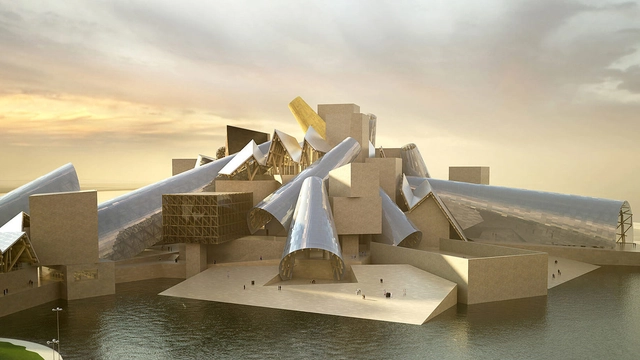
Twenty years after the Frank Gehry–designed Guggenheim Abu Dhabi was first announced in 2006, the museum may finally have its grand opening.

Talking to the Louisiana Channel, Danish architect Mikkel Frost, talks about how he visualises his ideas and represents his architectural concepts - through the mediums of pen, ink and watercolours. Frost views his use of drawing as different from other architects, who "think as they draw". Frost, on the other hand, "prints" the image he already has in his mind, saying "I'm many steps ahead of what I draw, basically printing the whiteboard in my mind."
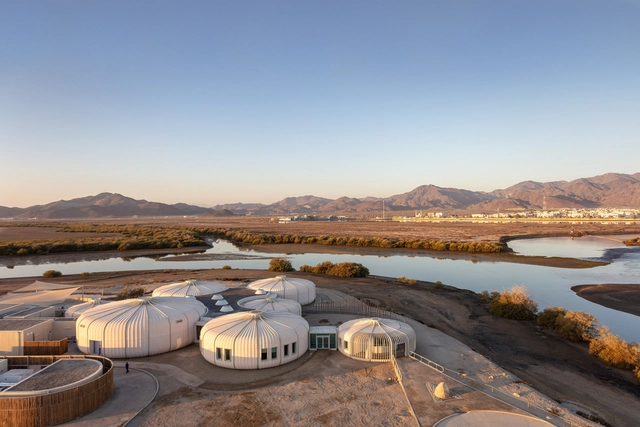
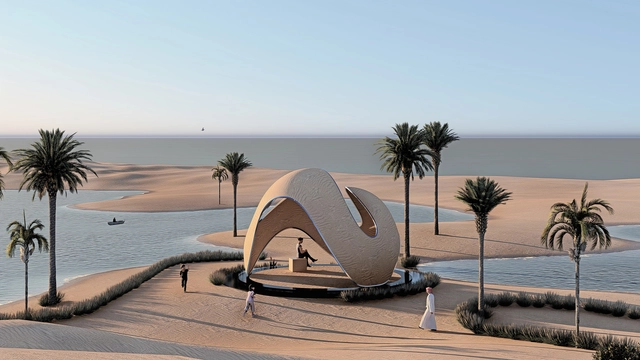
This week’s curated selection of Best Unbuilt Architecture highlights cultural structures submitted by the ArchDaily Community. From pavilions to installations, this article explores the topic of cultural urban interventions and presents approaches submitted to us from all over the world.
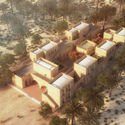
Featuring a pavilion nestled in the sand dunes of the Persian desert, an afrofuturistic, interactive art installation proposed for the upcoming Burning Man event, and a new take on summer cinemas in Russia, this roundup explores how architects reimagined traditional gathering places and created urban interventions in all scales. The round up also includes a collection of structures in the United Arab Emirates, United Sates of America, France, and the United Kingdom, each responding to different contexts and topographies.
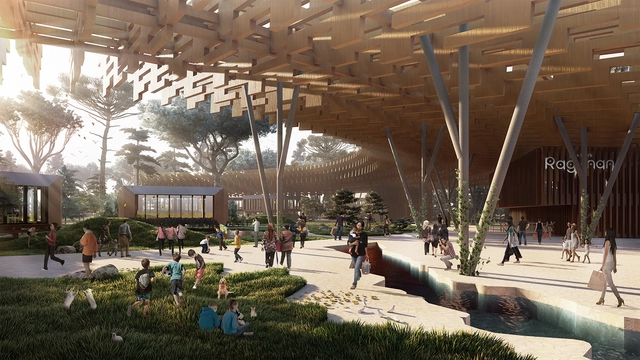
Focusing on competition entries, this week’s curated selection of the best-unbuilt architecture draws from proposals submitted by the ArchDaily Community to highlight award-winning design across the globe. Made for diverse programming, the entries each explore how to build upon the identity of local sites to win their respective competition. Together, they showcase contemporary formal, spatial and conceptual approaches.
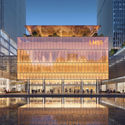
The award-winning entries include a range of different projects: a mixed-use redevelopment proposal for a post war suburb of Antwerp, a high-rise on the site of a historic former Police HQ building in downtown Frankfurt, a leafy urban heat island proposal in Abu Dhabi, and a ‘Ireland House’ in Tokyo, which will bring diplomats and state agency personnel together under one roof. These are but a few of the best unbuilt architecture this week.
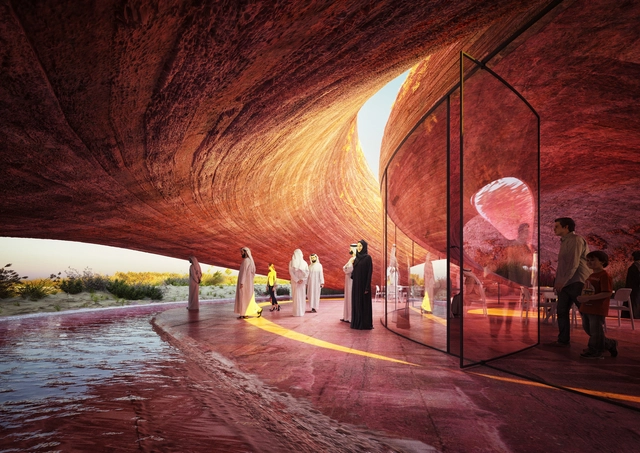
Cultural architecture is defined by shared values and exchange. It centers on humanity, civic life and a story of how societies evolve over time. Whether museums, libraries, visitor centers or monuments, these spaces tell stories about a region, culture and place. This week’s curated selection of the Best Unbuilt Architecture focuses on museums and cultural projects designed in both rural and urban settings. Drawn from all over the world, they represent proposals submitted by our readers.
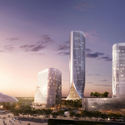
Trading a diversity of typologies for a range of settings and contexts, these projects showcase many different ways to tell a story of culture. They each showcase diverse taxonomies, formal approaches and spatial organizations, from a tower in Shenzhen to a Mediterranean school in Corsica and an art center in New South Wales, Australia.
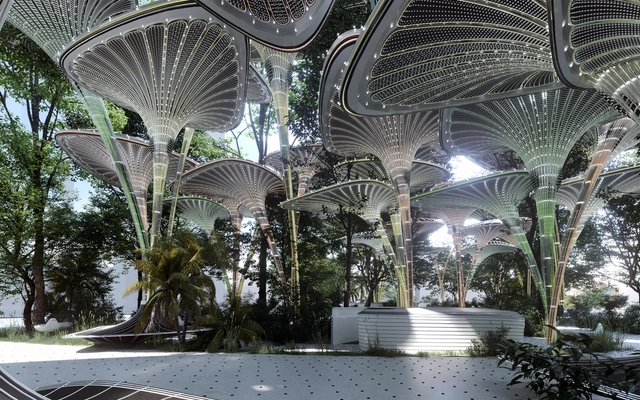
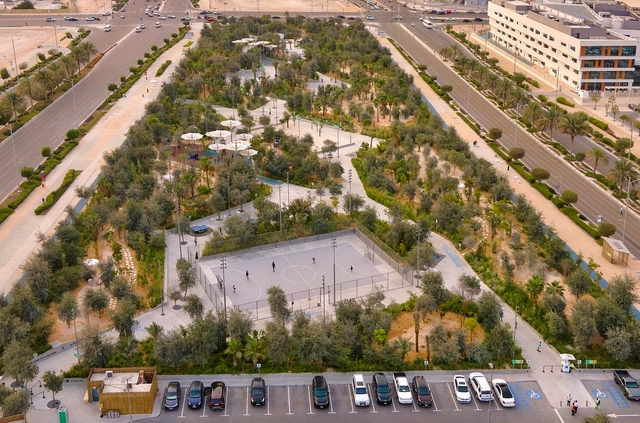
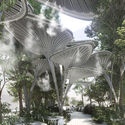
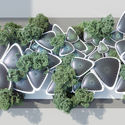
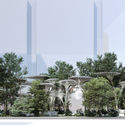
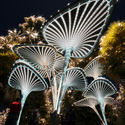
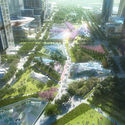
Mask Architects has been named one of ten winning teams in the Cool Abu Dhabi a global design competition. Their proposal, The Oasys, is a system where residents of Abu Dhabi can relax and enjoy outdoor spaces without feeling the heat. Selected from more than 1,570 participants across 67 countries, the project aims to tackle the effects of climate change through a localized solution for the urban heat island effect.
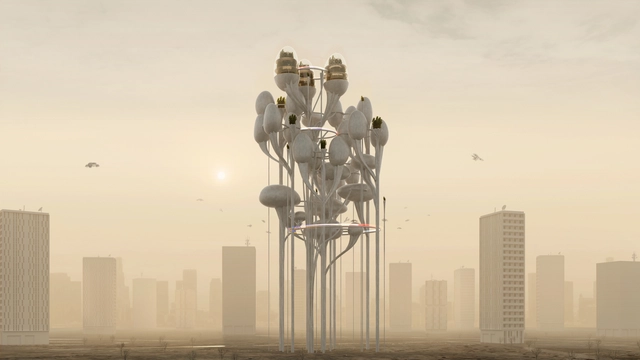
Putting together competition entries from all around the world, this week’s curated feature for Best Unbuilt Architecture showcases inspiring approaches and concepts. Submitted by our readers, the selection highlights uncommon proposals, part of international contests. While some are winning projects, others received honorable mentions.
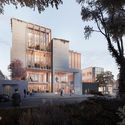
Serie imagines stacked timber pavilion-like offices, Schlaich Bergermann Partner, LAVA, and Latz + Partner design new pedestrian and cycle bridge over the Neckar River in Heidelberg, Germany and Aidia Studio create an Oculus in the Emirati desert. Other competition entries include a landscaped avenue by ZXD Architects in Hangzhou, a community school in Egypt by Hand Over, a winning pavilion for the Singapore’s Archifest 2020 by ADDP Architects and OWIU Design Studio; and a Baha’i House of Worship by SpaceMatters in India.
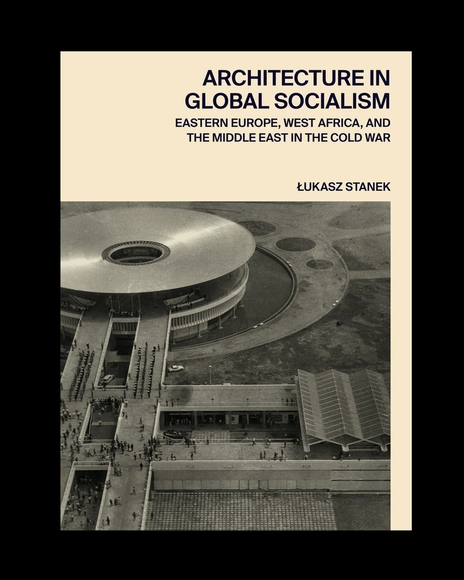
In the course of the Cold War, architects, planners, and construction companies from socialist Eastern Europe engaged in a vibrant collaboration with those in West Africa and the Middle East in order to bring modernization to the developing world. Architecture in Global Socialism shows how their collaboration reshaped five cities in the Global South: Accra, Lagos, Baghdad, Abu Dhabi, and Kuwait City.