
-
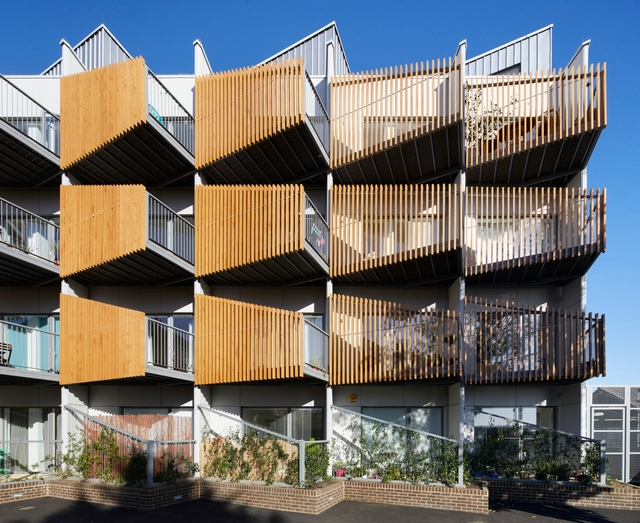
Architects: White Cube Atelier
- Area: 100 m²
- Year: 2017
-
Manufacturers: Basalt Stone, Lorenzo, Novawood, Oak Wood


.jpg?1463595741&format=webp&width=640&height=580)
This article was originally published on July 22, 2016. To read the stories behind other celebrated architecture projects, visit our AD Classics section.
The New Museum is the product of a daring vision to establish a radical, politicized center for contemporary art in New York City. With the aim of distinguishing itself from the city’s existing art institutions through a focus on emerging artists, the museum’s name embodies its pioneering spirit. Over the two decades following its foundation in 1977, it gained a strong reputation for its bold artistic program, and eventually outgrew its inconspicuous home in a SoHo loft. Keen to establish a visual presence and to reach a wider audience, in 2003 the Japanese architectural firm SANAA was commissioned to design a dedicated home for the museum. The resulting structure, a stack of rectilinear boxes which tower over the Bowery, would be the first and, thus far, the only purpose-built contemporary art museum in New York City.[1]
![[EARNEST CAPE] The Hill where the sky and the sea take a break / JMY architects + PLS Architects - Houses, Door, Facade](https://snoopy.archdaily.com/images/archdaily/media/images/5bc0/2ad7/f197/cc3c/6a00/05eb/slideshow/06.jpg?1539320497&format=webp&width=640&height=580)


This article was originally published on November 9, 2015. To read the stories behind other celebrated architecture projects, visit our AD Classics section.
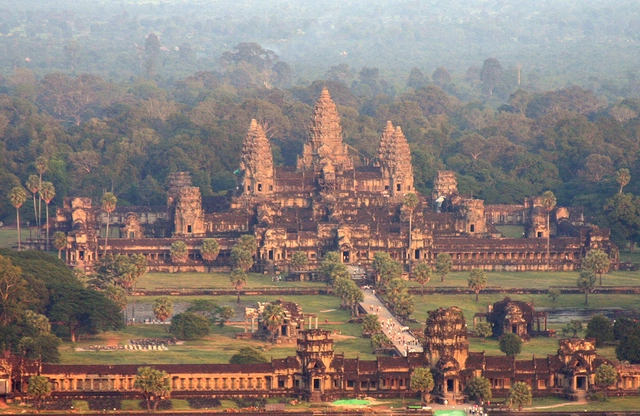
Angkor Wat is just one of dozens of extant Khmer temples in the Angkor area of present-day Cambodia, but it represents the apex of a building tradition that spanned five centuries, and the height of Khmer power and influence in the region. It is the largest temple complex at Angkor, and intricate bas-relief sculptures line the sandstone structures exemplify the apex of Khmer artistry. Although it has been in continuous use since its construction in the twelfth century, aspects of its history remain unknown. As archaeologist and anthropologist Charles Higham explains, “Curiously, there are no direct references to it in the epigraphic record, so we do not know its original name and controversy remains over its function and aspects of its symbolic status.”[1] Originally dedicated to the Hindu god Vishnu, the complex was later converted to Buddhist use (the word “wat” typically refers to Buddhist monasteries[2]), and continues to be a site of religious pilgrimage today.



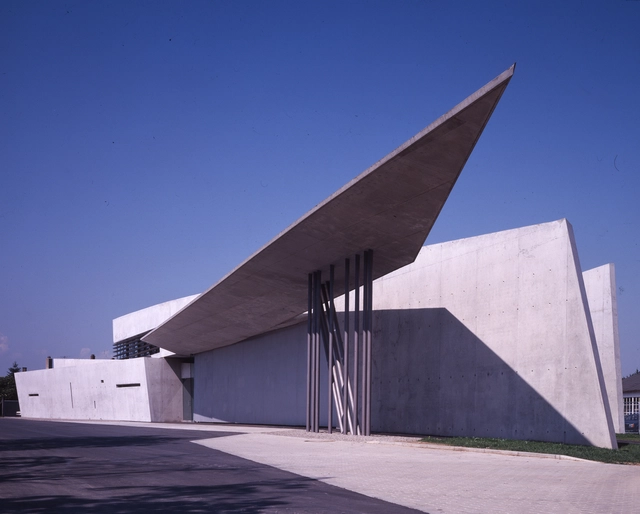
This article was originally published on April 21, 2016. To read the stories behind other celebrated architecture projects, visit our AD Classics section.
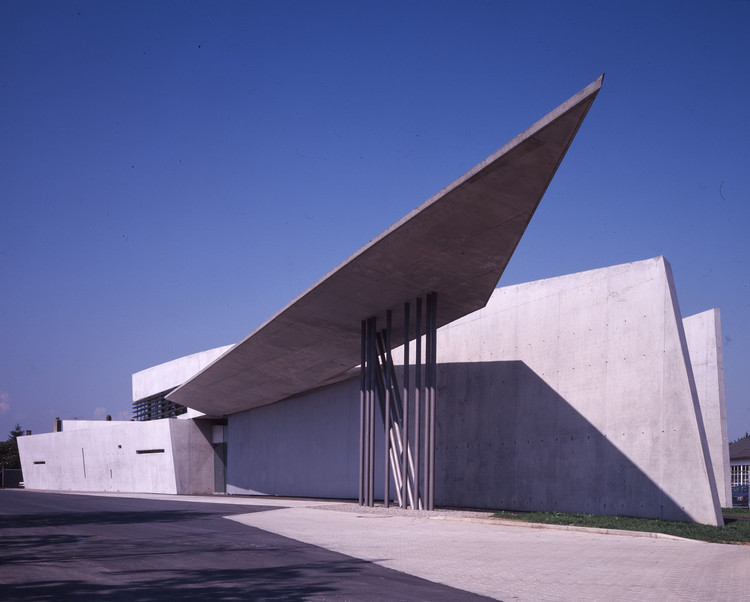
Although Zaha Hadid began her remarkable architectural career in the late 1970s, it would not be until the 1990s that her work would lift out her drawings and paintings to be realized in physical form. The Vitra Fire Station, designed for the factory complex of the same name in Weil-am-Rhein, Germany, was the among the first of Hadid’s design projects to be built. The building’s obliquely intersecting concrete planes, which serve to shape and define the street running through the complex, represent the earliest attempt to translate Hadid’s fantastical, powerful conceptual drawings into a functional architectural space.
But you can browse the last one: 417


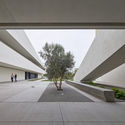
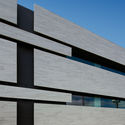
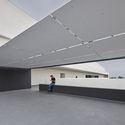
.jpg?1463596013 "© Laurian Ghinitoiu")
.jpg?1463595919 "© Laurian Ghinitoiu")
.jpg?1463596094 "© Laurian Ghinitoiu")
.jpg?1463595878 "© Laurian Ghinitoiu")
.jpg?1463595741)
![[EARNEST CAPE] The Hill where the sky and the sea take a break / JMY architects + PLS Architects - Houses, Facade](https://images.adsttc.com/media/images/5bc0/2b26/f197/ccec/bc00/0455/thumb_jpg/08.jpg?1539320583 "© Joonhwan Yoon")
![[EARNEST CAPE] The Hill where the sky and the sea take a break / JMY architects + PLS Architects - Houses, Facade](https://images.adsttc.com/media/images/5bc0/2bad/f197/cc3c/6a00/05ee/thumb_jpg/12.jpg?1539320724 "© Joonhwan Yoon")
![[EARNEST CAPE] The Hill where the sky and the sea take a break / JMY architects + PLS Architects - Houses, Table, Chair](https://images.adsttc.com/media/images/5bc0/2b8f/f197/ccec/bc00/0457/thumb_jpg/11.jpg?1539320692 "© Joonhwan Yoon")
![[EARNEST CAPE] The Hill where the sky and the sea take a break / JMY architects + PLS Architects - Houses, Courtyard, Facade, Chair](https://images.adsttc.com/media/images/5bc0/2b03/f197/cc3c/6a00/05ec/thumb_jpg/07.jpg?1539320542 "© Joonhwan Yoon")
![[EARNEST CAPE] The Hill where the sky and the sea take a break / JMY architects + PLS Architects - More Images](https://images.adsttc.com/media/images/5bc0/2ad7/f197/cc3c/6a00/05eb/newsletter/06.jpg?1539320497)

































.jpg?1538704345 "© Julio Carreño Guillén")
.jpg?1538704376 "© Julio Carreño Guillén")