-
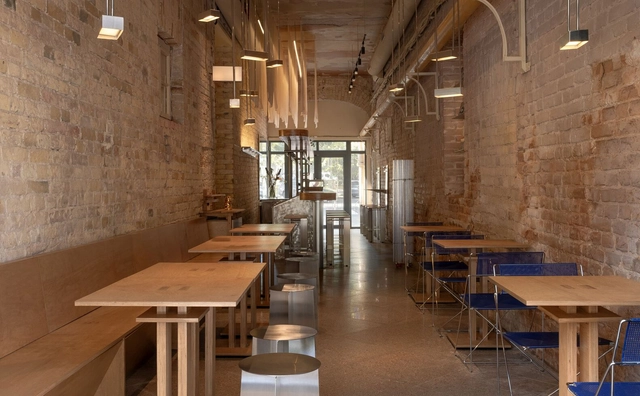
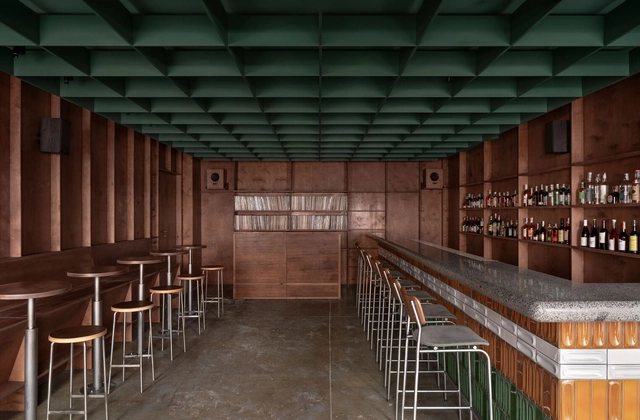
Architects: Temp Project
- Area: 180 m²
- Year: 2025
-
Manufacturers: Noom, Woo
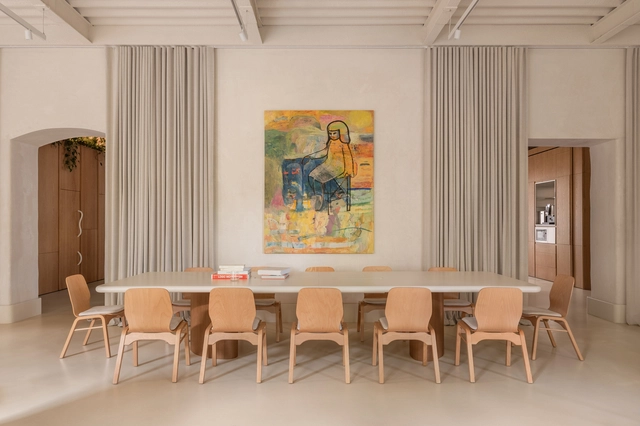
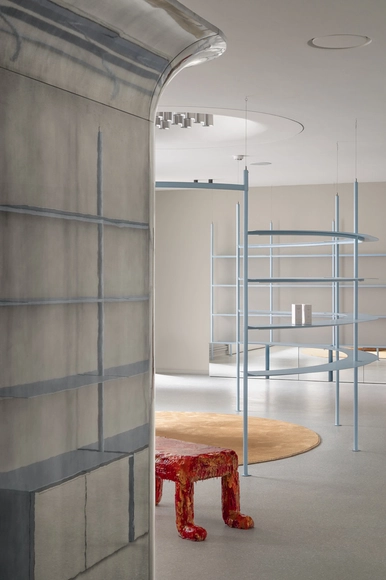
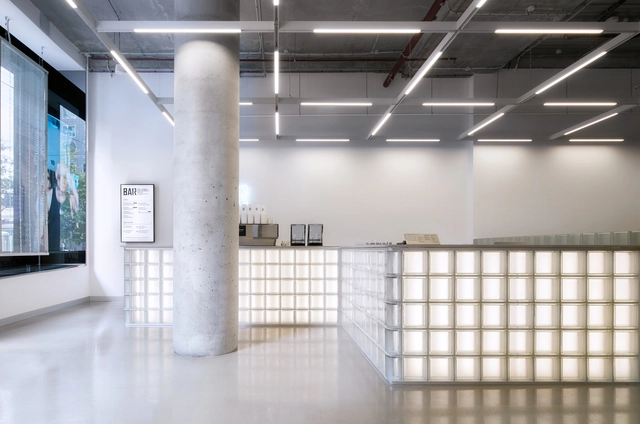
From the interior design of sports facilities to wellness spaces, contemporary architecture continues to experiment with incorporating different uses, installations, and materialities that make it possible to reach broader audiences, generate new spatial experiences, and enhance the simultaneous development of various activities. While each sport requires its own type of architecture, such as climbing training, for example, architecture and design professionals are striving to create atmospheres where exercise becomes more than just a physical experience, but also a psychological one, connecting mind and body through a state of physical renewal, relaxation, and sociability.

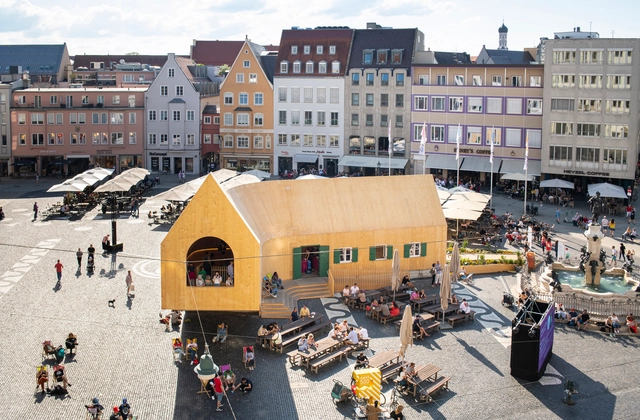
How do pavilions emerge in architecture? What role do they play in urban spaces? Beyond the multiple interpretations that exist around the world, the pavilion, as an architectural principle and typology, tends toward extroversion, often associated with a centrifugal nature and visual openness toward the horizon, which is linked to its origins as a tent offering shelter from the elements. Pavilions are usually identified as isolated and independent structures that can promote lateral openings in the urban space, panoramic or introspective views, technological reflections, and material experiments that are recognizable from the outside or once inside.

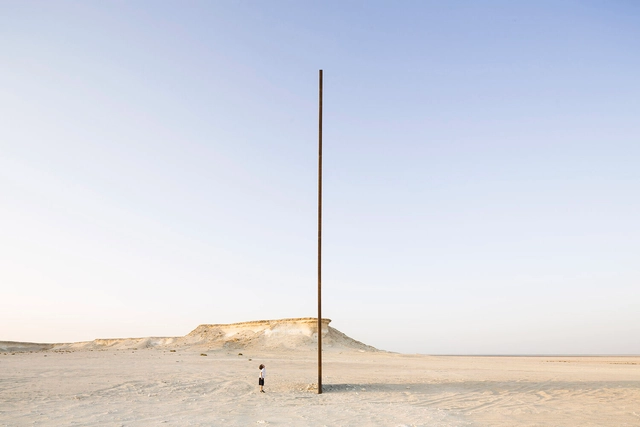
As the year comes to an end, we take a moment to honor the careers and contributions of celebrated architects, designers, and artists who passed away in 2024. These influential figures have left a lasting legacy in the built environment, prompting deeper thought about the role of their disciplines in society and their ability to evolve over time.
Whether through their work in academia, professional practice, or the arts, each of these individuals stood out for their dedication to advancing the fields of architecture, landscapes, design, materiality, and more. From Pritzker Prize-winning architect Fumihiko Maki to renowned sculptor Richard Serra, each showcased a unique vision and approach to design, leaving behind a wealth of knowledge to explore.


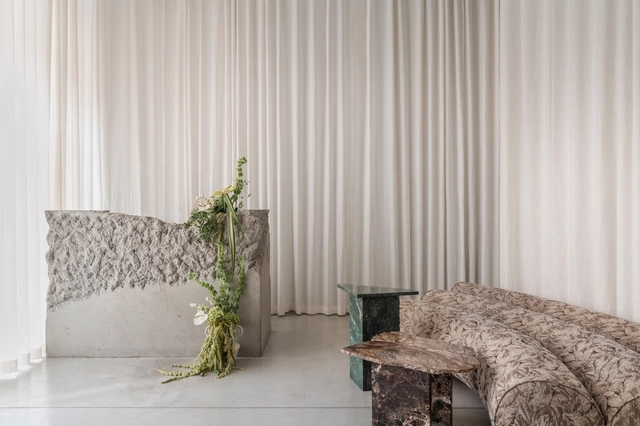
Italian architect and industrial designer Gaetano Pesce has passed away at the age of 84, as announced today on the creator's official Instagram page. Known for the famous UP5 Chair (2000) by B&B Italia which can be compressed like a sponge, and the Organic Building in Osaka, Japan (1993), with a vertical garden irrigated by a complex, computer-controlled hydration system, Pesce dedicated over six decades to his craft, accumulating a portfolio that spanned architecture, product design, and art.
During Milan Design Week 2024, a monographic exhibition titled "Nice to See You" showing at Biblioteca Ambrosiana, is set to feature unreleased works of Gaetano Pesce. Additionally, Gaetano was presenting "L’Uomo Stanco" an outdoor installation in Piazza San Pio XI.