

-
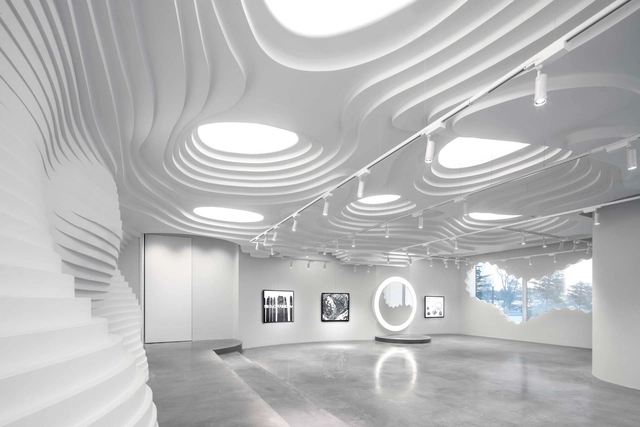
Architects: 3andwich Design / He Wei Studio
- Area: 195 m²
- Year: 2021
-
Professionals: Z DESIGN & PLANNING
.jpg?1631541437&format=webp&width=640&height=580)
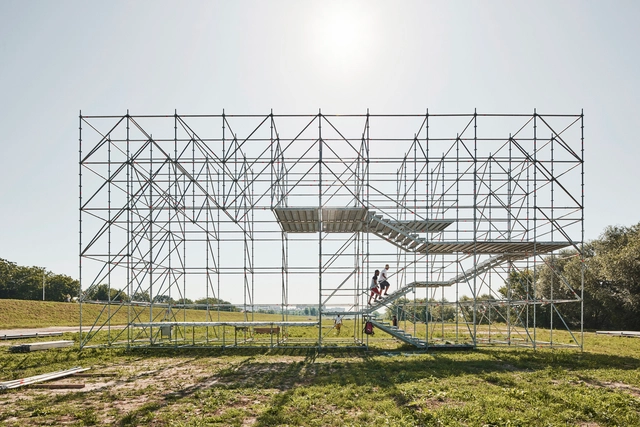
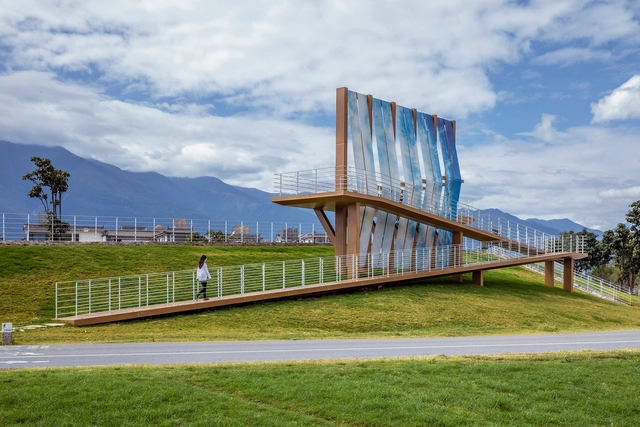
Beyond "experience tourism" and light entertainment, temporary architecture is a fertile ground for testing ideas, examining places, popularizing new concepts and technologies. Taking a wide array of forms, from disaster relief projects and utilitarian structures to design experiments, architectural statements and playful installations, transient structures showcase alternative visions for the built environment, opening up new possibilities and questioning established norms. As temporary architecture now seems at odds with sustainability imperatives, the following discusses the value of temporary architecture as a vehicle of experimentation, advancing design and engaging communities.
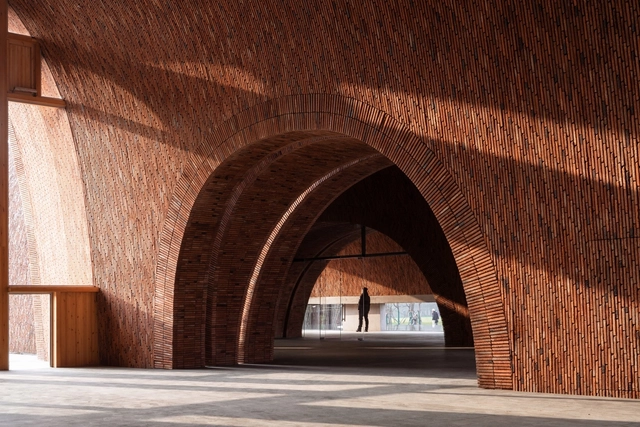
Over the course of the last decade there has been a growing interest in the handcrafted buildings, as well as in the application of local and renewable materials in building construction. Under the concerns about the heavy environmental and economic expenses caused by construction, nowadays urban planners are embracing the concept of sustainability, which refers to “meeting our own needs without compromising the ability of future generations to meet their own needs”.
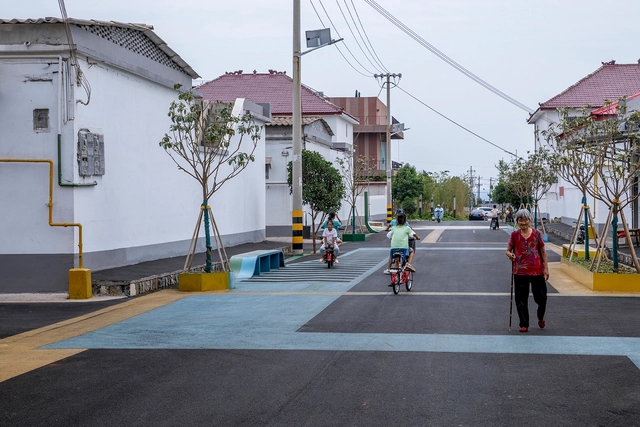
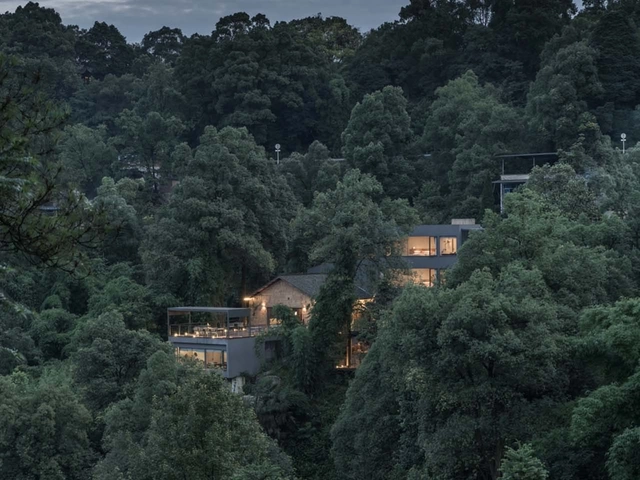
A border city can be classified as an urban agglomeration close to the boundary of two countries, states, or regions. Nowadays, as our cities are rapidly expanding and our transportation modes continually upgrading, the boundary between cities and rural areas has been constantly pushed and redefined.
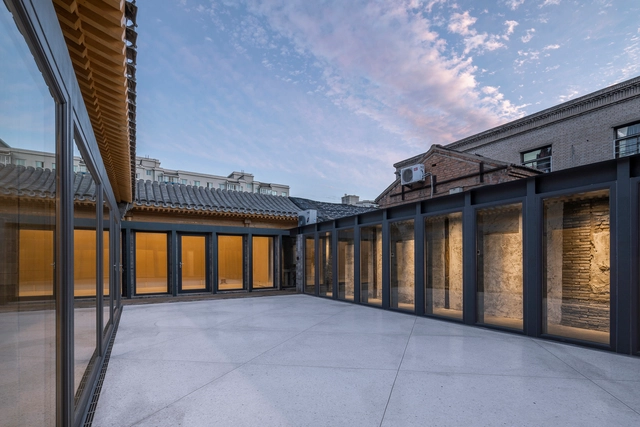
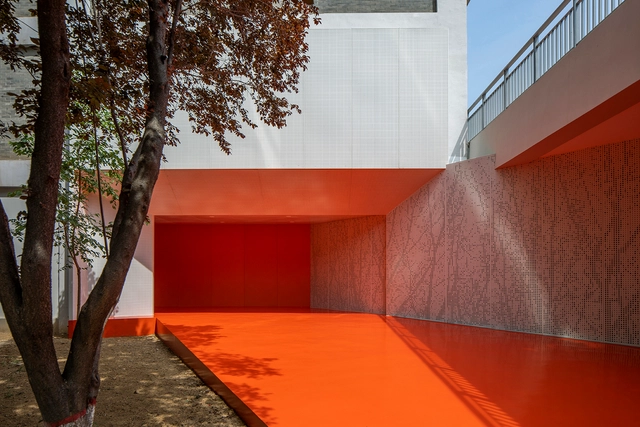

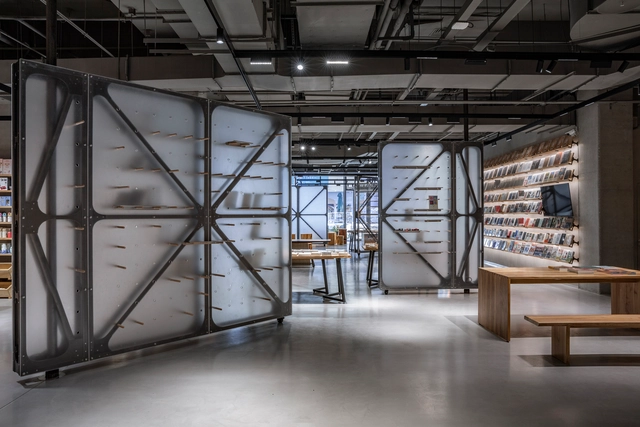
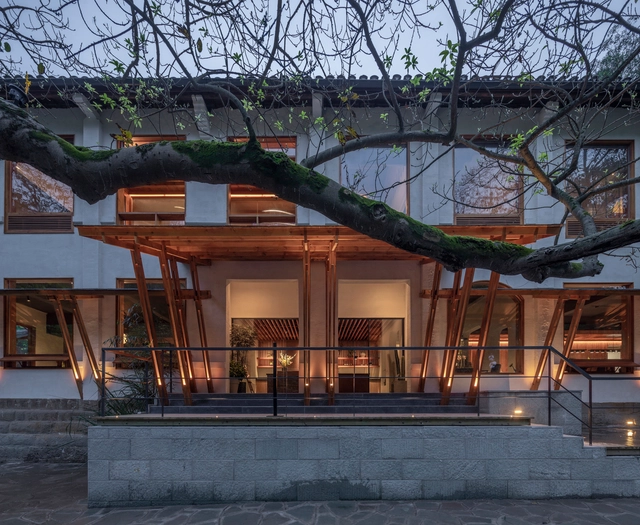
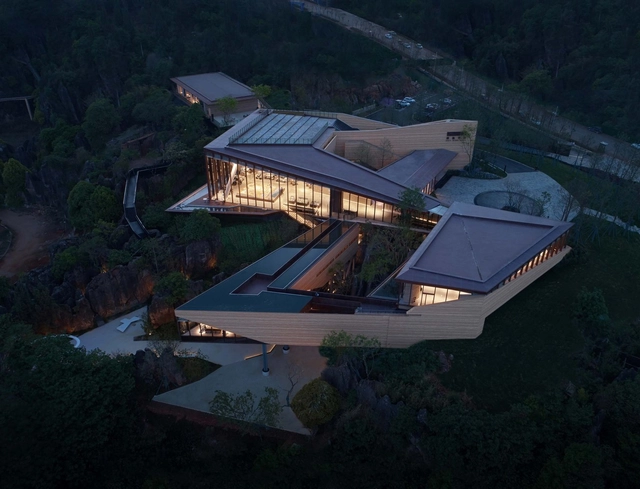
Ever since the period of the Renaissance in Europe, the indivisible relationship between art and architecture has long been heatedly discussed and vividly reflected in numerous classical books and buildings. With the deep connection that unites art and architecture together, designers, artists, and architects have been actively collaborating and came up with solutions on how we can house and exhibit art in the form of changing spaces.

.jpg?1558056368&format=webp&width=640&height=580)

The American architect, designer, and futurist Buckminster Fuller once defined the Dymaxion principle as “constructing ever more with ever less weight, time, and ergs per each given level of functional performance.”


.jpg?1631541672&format=webp&width=230&height=230&crop=true)
.jpg?1631541643&format=webp&width=230&height=230&crop=true)
.jpg?1631541484&format=webp&width=230&height=230&crop=true)
.jpg?1631541580&format=webp&width=230&height=230&crop=true)
.jpg?1631541437)


.jpg?1558056313&format=webp&width=230&height=230&crop=true)
.jpg?1558056433&format=webp&width=230&height=230&crop=true)
.jpg?1558055203&format=webp&width=230&height=230&crop=true)
.jpg?1558055302&format=webp&width=230&height=230&crop=true)
.jpg?1558056368)


