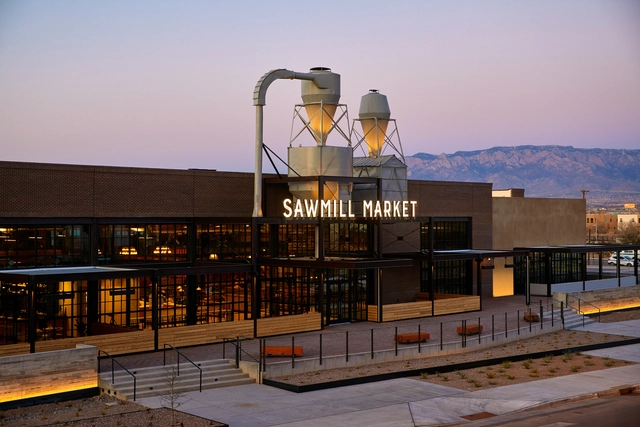
The state of New Mexico is located in the western region of the United States, bordering Colorado, Oklahoma, and Texas (in the US) and Chihuahua (in Mexico). It has the highest percentage of Spanish-speaking population in the United States. As part of Aridoamerica, its landscape is predominantly shaped by cacti and desert species.
Autodesk has quickly become an industry standard for architecture and engineering software. Bringing together a range of tools and programs with resources like Autodesk University and the Autodesk Foundation, the company is exploring the future of how we design and build. In an exclusive interview with ArchDaily, we explore the company's thoughts on generative design, machine learning and new emerging technologies.
Located in the western region of the United States, the state of California is the most populous state and the third-largest — it includes some of the most populated cities of the country such as Los Angeles, San Diego, San Francisco, Long Beach and Oakland.
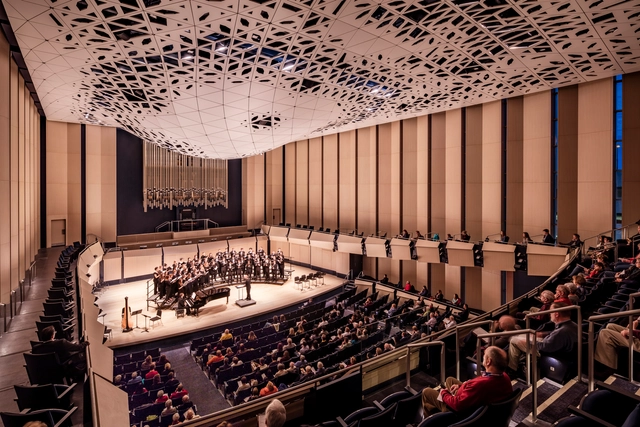
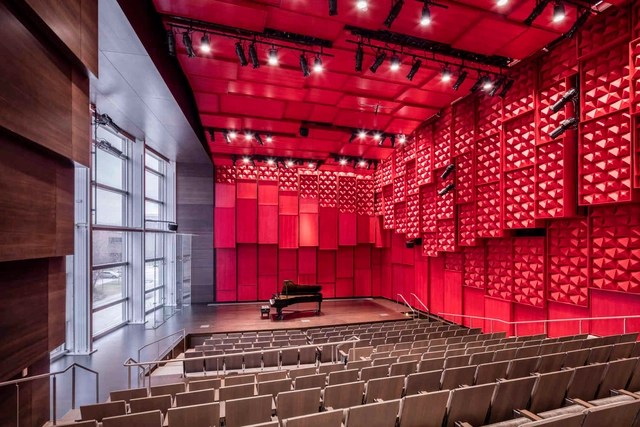
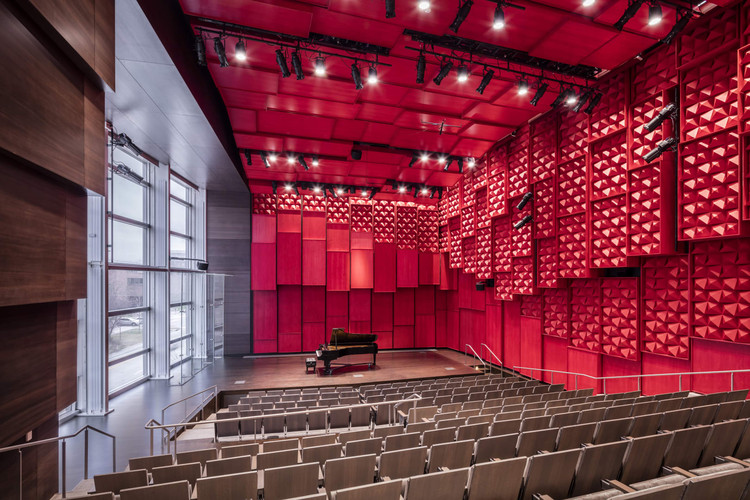
The American Institute of Architects (AIA) is recognizing seven projects with its 2020 Interior Architecture Awards. The Interior Architecture program celebrates the most innovative interior spaces. As the AIA states, these building interiors make their mark on the cities, places, and spaces where we live and work.
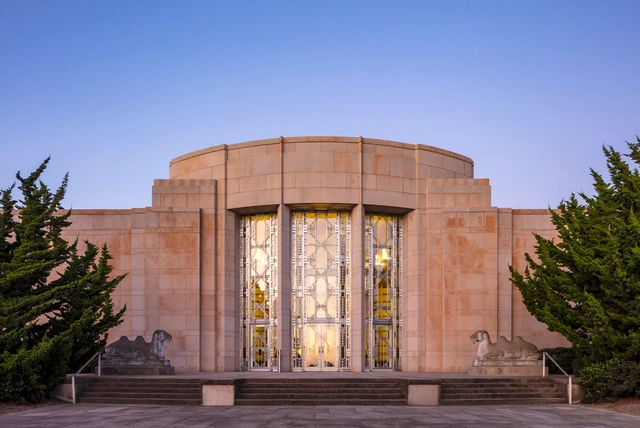
The Seattle Asian Art Museum renovation by LMN Architects and landscape architect Walker Macy is set to open in February next year. The project takes the original, early 20th-century building and brings it up to 21st-century standards. The renovation includes the preservation of the 1933 building and Art Deco front façade and a new glass-enclosed park lobby overlooking the Olmstead-designed Volunteer Park.
Air-conditioning isn’t just expensive; it’s also terrible for the environment. Accounting for 10% of global energy consumption today, space cooling in 2016 alone was responsible for 1045 metric tons of CO2 emissions. This number is only expected to increase, with the International Energy Agency estimating that cooling will reach 37% of the world’s total energy demand by 2050.
The Robinson Tower, a 24 000 m² boutique retail and office tower, was inaugurated in Singapore. Designed by the international firm KPF or Kohn Pedersen Fox Associates, and executed in collaboration with Associate Architect A61, the building addresses the cultural and social aspects of the city, creating a singular and refined experience. The tower stands out from its context showcasing novelty in form and function, changing the city’s skyline.
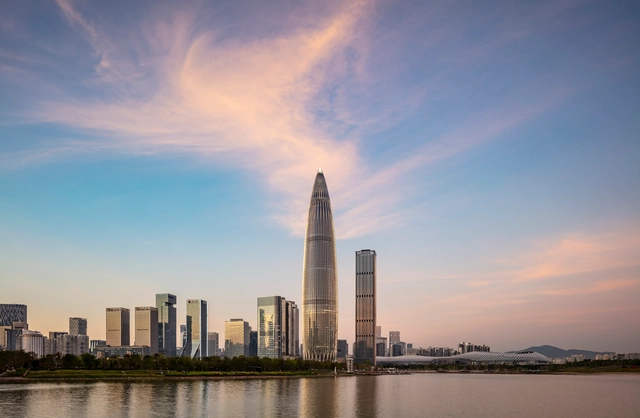
Kohn Pedersen Fox Associates (KPF) has announced the completion of the third-tallest building in Shenzhen. The China Resources Headquarters, a 400-meter-tall commercial office tower, stitches together retail, residential, and office functions surrounded by 2,000 square meters of public space.
The tower, inspired by the shape of winter bamboo shoots, seeks to “invigorate Shenzhen’s urban fabric while providing one of the country’s premier companies with a visual icon symbolizing its historic growth and prominent stature.”
https://www.archdaily.com/909026/kpf-completes-the-third-tallest-building-in-shenzhenNiall Patrick Walsh
Emporis has announced the results of its annual Emporis Skyscraper Award, recognizing the best new supertall buildings completed in the previous year. This year, the top prize was given to the Lotte World Tower in Seoul, South Korea, designed by Kohn Pedersen Fox Associates and Baum Architects. The tapered tower, South Korea’s tallest, also houses the world’s highest glass-bottomed observation deck, for architects who can handle the 1820-foot (555-meter) drop.
https://www.archdaily.com/908226/the-top-10-new-skyscrapers-of-2018Niall Patrick Walsh
Architecture is art, but art vastly contaminated by many other things. Contaminated in the best sense of the word—fed, fertilized by many things. – Renzo Piano
Italian architect Renzo Piano (born 14 September 1937) is known for his delicate and refined approach to building, deployed in museums and other buildings around the world. Awarded the Pritzker Prize in 1998, the Pritzker Jury compared him to Leonardo da Vinci, Michelangelo, and Brunelleschi, highlighting "his intellectual curiosity and problem-solving techniques as broad and far ranging as those earlier masters of his native land."
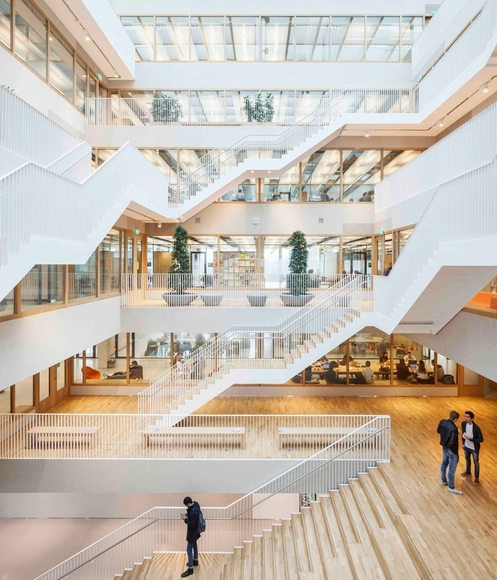
Offices and cultural buildings both offer the perfect opportunity to design the atrium of your dreams. These central spaces, designed to allow serendipitous meetings of users or to help with orientation in the building, are spacious and offer a lot of design freedom. Imposing scales, sculptural stairs, eccentric materials, and indoor vegetation are just some of the resources used to give life to these spaces. To help you with your design ideas, below we have gathered a selection of 15 notable atriums and their section drawings.

_-_Art_Gray.jpg?1593480840&format=webp&width=230&height=230&crop=true)

.jpg?1593480863&format=webp&width=230&height=230&crop=true)



.jpg?1579029945&format=webp&width=640&height=580)


.jpg?1579029945)



_Tim_Griffith_(4).jpg?1564671406&format=webp&width=640&height=580)
_Tim_Griffith_(3).jpg?1564671392 "© Tim Griffith")
_Tim_Griffith.jpg?1564671491 "© Tim Griffith")
_Tim_Griffith_(5).jpg?1564671417 "© Tim Griffith")
_Tim_Griffith_(7).jpg?1564671445 "© Tim Griffith")
_Tim_Griffith_(4).jpg?1564671406)


.jpg?1548129915&format=webp&width=230&height=230&crop=true)
.jpg?1548129649&format=webp&width=230&height=230&crop=true)




.jpg?1556031417&format=webp&width=640&height=580)
.jpg?1556031417&format=webp&width=230&height=230&crop=true)
.jpg?1556030988&format=webp&width=230&height=230&crop=true)
.jpg?1556030837&format=webp&width=230&height=230&crop=true)
.jpg?1556030548&format=webp&width=230&height=230&crop=true)
.jpg?1556031417)





.jpg?1442216412&format=webp&width=230&height=230&crop=true)

.jpg?1442215764&format=webp&width=230&height=230&crop=true)