


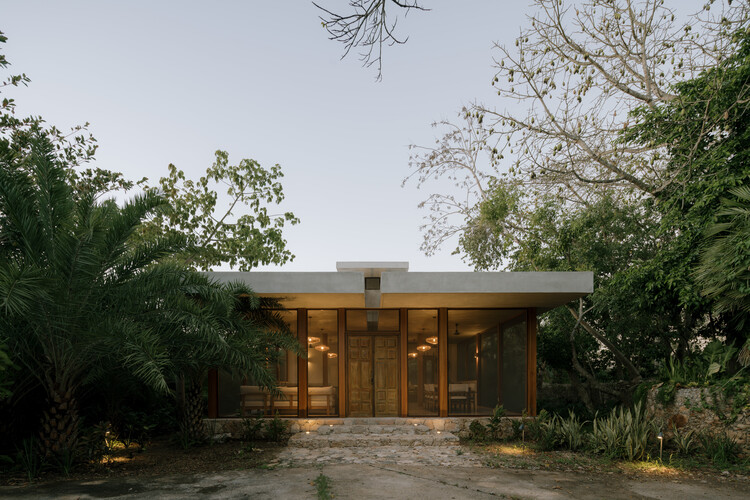
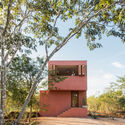
Casa More / Workshop Diseño y Construcción


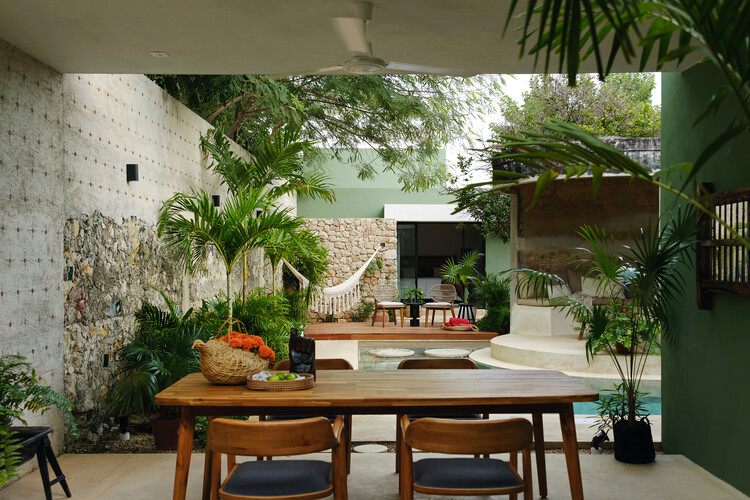
-
Architects: Workshop Diseño y Construcción
- Area: 145 m²
- Year: 2025
-
Manufacturers: Mosaicos la Peninsular
https://www.archdaily.com/1038895/casa-more-workshop-diseno-y-construccionValentina Díaz
Winners of the XIV Yucatecan Architecture Biennial 2022
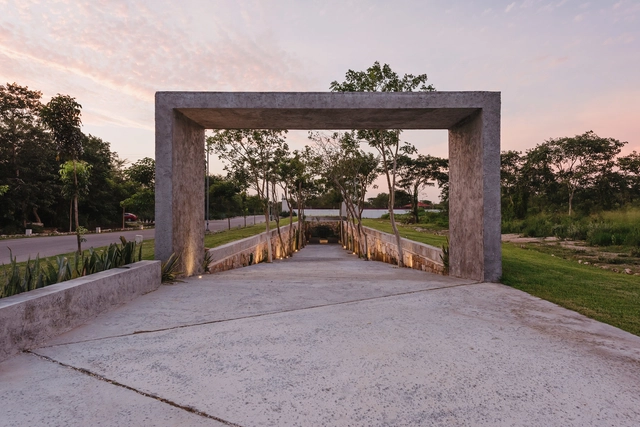
The results of the XIV Yucatan Architecture Biennial have been announced. A total of 17 accolades were awarded, including 1 gold medal, 6 silver medals, and 10 honorable mentions across 15 different categories. The jury comprised architects Edgar Herrera, Manuel Herrera, Felipe Leal, and Carlos Rodríguez. Read on to discover the winners.
https://www.archdaily.com/1132205/winners-of-the-xiv-yucatecan-architecture-biennial-2022Mónica Arellano
The 50 Best Houses of 2022
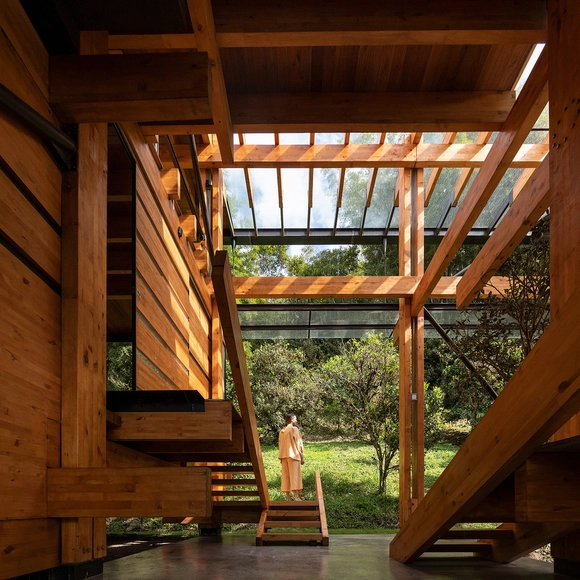


As another year comes to a close, the ArchDaily team looks back at the year's architectural highlights, compiling a selection of projects to review the content featured in 2022. As part of this retrospective, our curation team presents one of our readers' favorite categories—residential architecture—bringing together the projects that represent the very best of a vast year of architectural production, as chosen by our audience.
At a time marked by anticipation for the future of architecture, yet also by reflection on what has been accomplished over the past year, we present the 50 most-visited houses on ArchDaily in Spanish in 2022. In doing so, we continue our ongoing mission to provide tools, inspiration, and knowledge to everyone working toward a better built environment.
https://www.archdaily.com/1132327/the-50-best-houses-of-2022Agustina Coulleri
God is in the details: design solutions that make all the difference in a project
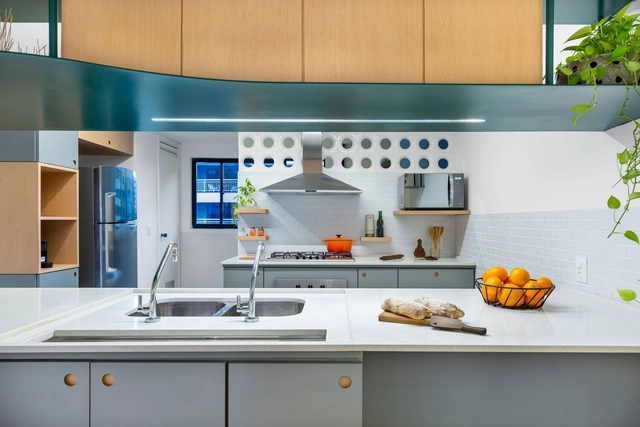
We are used to looking at architecture as large objects situated within the urban fabric or natural landscape, establishing new relationships with their surroundings. However, our daily lives also unfold inside these buildings as we enter, occupy, and interact with them. Consequently, we establish relationships with the built environment immediately around us. Architecture must therefore address the macro scale—such as climate and neighborhood context—while simultaneously attending to the micro scale of finishes, textures, and colors.
Numerous details shape the experience of a building's residents and users; when carefully explored, they elevate the quality of the project and stimulate the senses. These details can be structural, aesthetic, or functional.


https://www.archdaily.com/1132066/god-is-in-the-details-design-solutions-that-make-all-the-difference-in-a-projectGiovana Martino
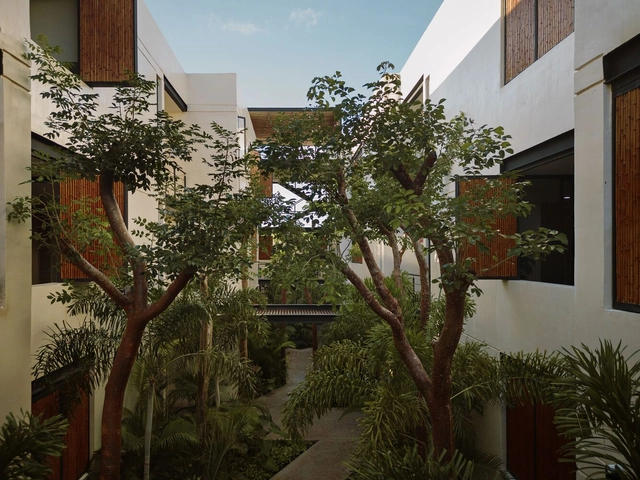
LANDARE / Arista Cero


-
Architects: Arista Cero
- Area: 2557 m²
- Year: 2023
-
Manufacturers: AutoDesk, Comex, Helvex, Interceramic, Tecnolite
https://www.archdaily.com/1025683/landare-arista-ceroValeria Silva
Treehouses: From Childhood Imagination to Architecture
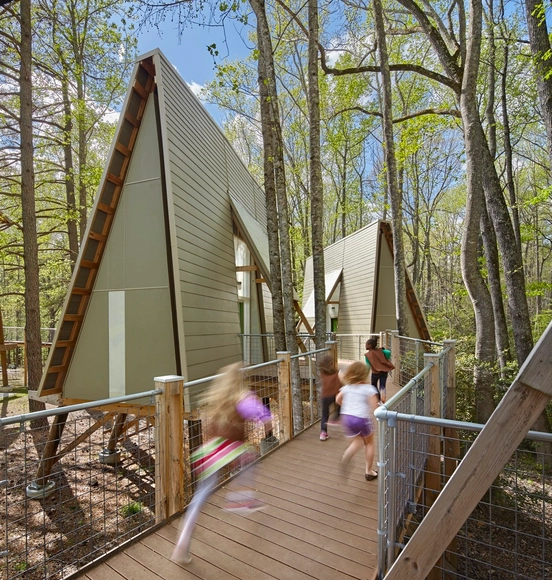
On September 21, the world celebrates Arbor Day, a date aimed at raising awareness about environmental conservation. During childhood, we establish relationships with nature that become deeply rooted in our imagination, eventually evolving to influence architectural design. We have selected 22 projects of various uses that draw inspiration from our relationship with nature and this shared imagination.


https://www.archdaily.com/1127653/treehouses-from-childhood-imagination-to-architectureGiovana Martino
Sun, Shade, and Cool Water: Pool Landscaping Projects
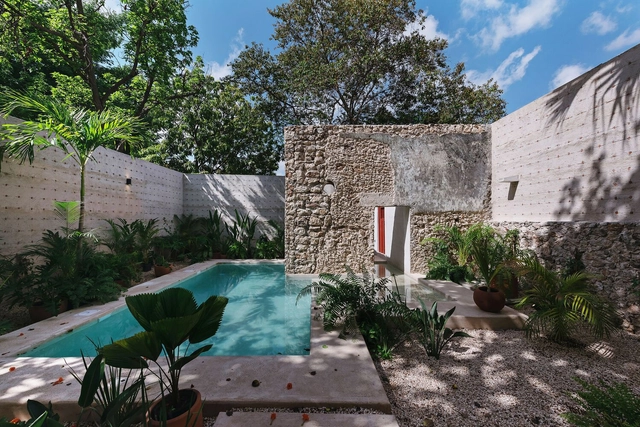
Residential swimming pools have become a staple in housing developments and private homes, particularly in regions where warm weather prevails for most of the year. Sun, shade, and cool water call for a landscape design that fosters harmony in these spaces.


https://www.archdaily.com/1128031/sun-shade-and-cool-water-pool-landscaping-projectsGiovana Martino
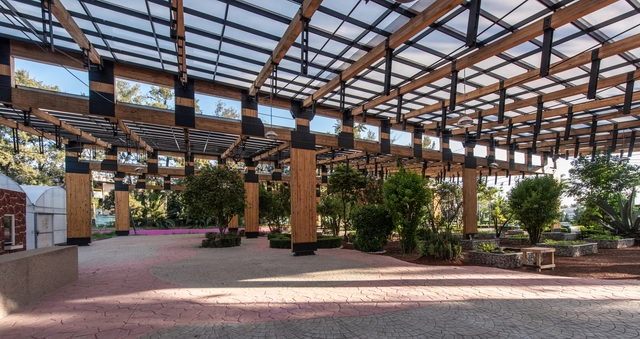
These are the winning projects of the 3rd Young Architects Biennial in Mexico

.jpg?1575054978&format=webp&width=230&height=230&crop=true)


Just over six months ago, the Federation of Architects' Associations of the Republic of Mexico invited young Mexican architects to participate in the Third Young Architects Biennial, aiming to identify, recognize, and promote their best works. Through analysis and critique, the biennial fostered reflection on responsible contemporary architecture with sustainable solutions.
https://www.archdaily.com/1121033/these-are-the-winning-projects-of-the-3rd-young-architects-biennial-in-mexicoMónica Arellano
These are the projects in Mexico that won the 2019 Architecture MasterPrize
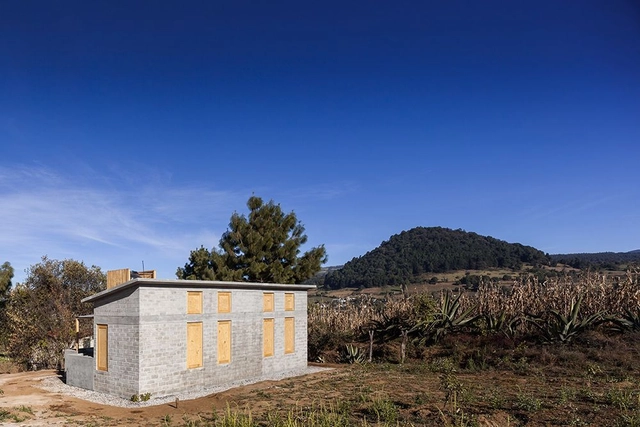


The Architecture MasterPrize celebrates the best in design excellence and innovation in architectural, interior, and landscape design. The award program is dedicated to showcasing and promoting exceptional talent, and highlighting the value of the art and science of architecture in enriching our lives. A jury of esteemed architects, industry professionals, and academics evaluates entries across 41 categories in the disciplines of architecture, interior design, and landscape design. The AMP honors and rewards the talents of those who push boundaries and set new standards, turning the ordinary into the truly extraordinary and inspiring others today and for generations to come.
https://www.archdaily.com/1119657/these-are-the-projects-in-mexico-that-won-the-2019-architecture-masterprizeMónica Arellano
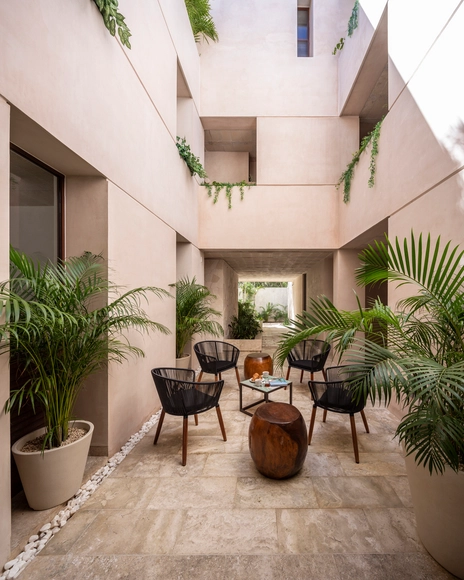
Winners of the 13th Yucatan Architecture Biennial in Mexico

.jpg?1624313332 "Music Palace / Alejandro Medina Arquitectura + Reyes Ríos + Larraín arquitectos + Muñoz arquitectos + Quesnel arquitectos. Image © Onnis Luque")

The results of the XIII Yucatecan Architecture Biennial have been announced. A total of 28 awards were presented across 15 categories, including 1 Gold Medal winner, 14 Silver Medal winners, and 13 honorable mentions. The jury was composed of architects Alejandro Ibarra, Carlos Rodríguez, Miguel Rivera, and Elías Cisneros. Read on to discover the winners.
https://www.archdaily.com/1127746/winners-of-the-13th-yucatan-architecture-biennial-in-mexicoMónica Arellano
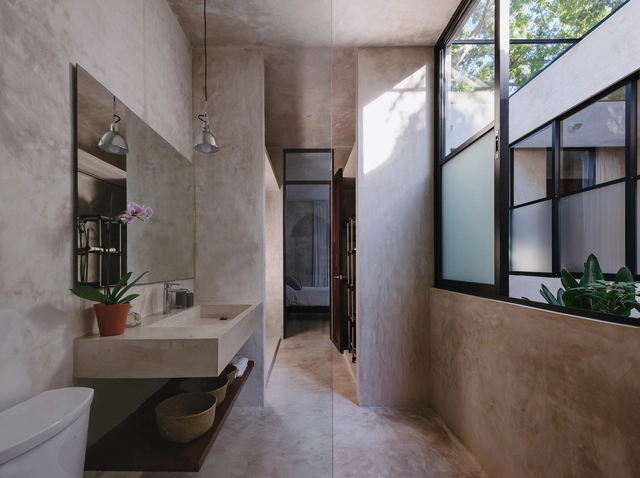
Puerta a Mérida House / Taller Estilo Arquitectura


-
Architects: Taller Estilo Arquitectura
- Area: 232 m²
- Year: 2019
-
Manufacturers: American Standard, Llano de la Torre, Teka, Adobe Systems Incorporated, AutoDesk, +2
https://www.archdaily.com/1162634/puerta-a-merida-house-taller-estilo-arquitecturaAndreas Luco
Architecture in Mexico: Residential, Hospitality, Cultural, and Public Space Projects with Pools
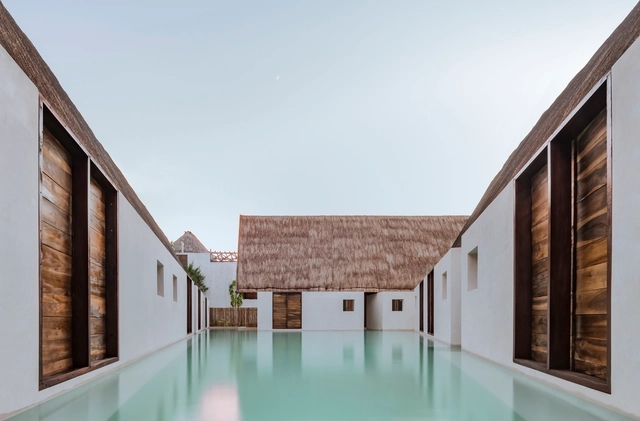


One of the most important factors in design is the site's specific climate. This can pose a challenge in extreme weather, where insulating materials are required to adapt to changing conditions. However, in the case of Mexico and its privileged climate, this factor works to the architects' advantage, allowing them to create microclimates and spaces that blur the transition between indoors and outdoors.
https://www.archdaily.com/1123667/architecture-in-mexico-residential-hospitality-cultural-and-public-space-projects-with-poolsMónica Arellano
Underground Architecture in Ibero-America: 9 Projects That Relate to Their Surroundings

While some works serve as monuments to the egos of those who practice this profession, other architectural approaches propose the exact opposite. These practices deliver projects that—almost poetically—harmonize built elements with the surrounding natural environment. There are also designs that adapt to the morphological order of nature, resulting in an organic language that generates highly unique and singular interior spaces.
https://www.archdaily.com/1123411/underground-architecture-in-ibero-america-9-projects-that-relate-to-their-surroundingsSantiago Baraya
Architecture in Mexico: Houses and Apartments in Cancún, Quintana Roo
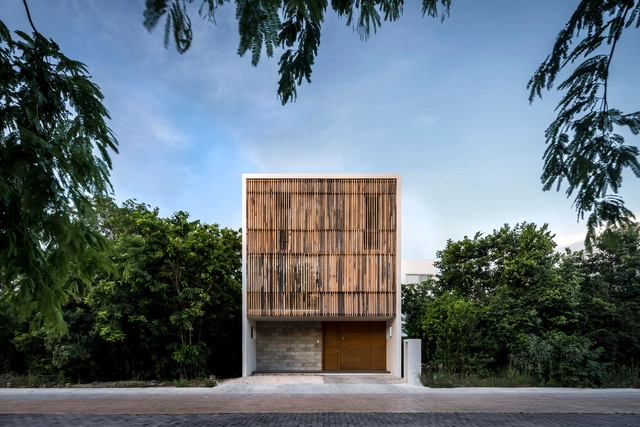


As one of Mexico's most internationally renowned tourist destinations, Cancun is a city founded just 50 years ago. Since then, it has woven a unique narrative, both in its urban layout and in the culture and heritage that residents actively seek to elevate to foster a shared historical consciousness. While primarily known for its massive resort complexes and nightlife, Cancun is much more than that. Several emerging practices, such as Warm Architects and TAFF Arquitectos, are constantly striving to promote a regional architecture that responds to the unique ways of living in this tourism-driven area.
https://www.archdaily.com/1123483/architecture-in-mexico-houses-and-apartments-in-cancun-quintana-rooMónica Arellano
TMZN House / Arkham Projects
.jpg?1597968481&format=webp&width=640&height=580)
.jpg?1597968893&format=webp&width=230&height=230&crop=true)
.jpg?1597968593&format=webp&width=230&height=230&crop=true)
.jpg?1597968394&format=webp&width=230&height=230&crop=true)
.jpg?1597969070&format=webp&width=230&height=230&crop=true)
.jpg?1597968481)
-
Architects: Arkham Projects
- Area: 900 m²
- Year: 2019
-
Manufacturers: AutoDesk, Cemex, MIDO, Trimble
https://www.archdaily.com/1087019/tmzn-house-arkham-projectsValeria Silva
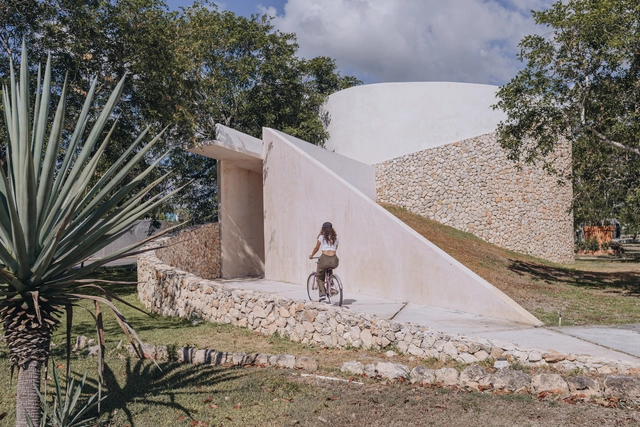


Inhabiting a Layered Past: How Contemporary Design Is Transforming Colonial Houses in Mérida, Mexico
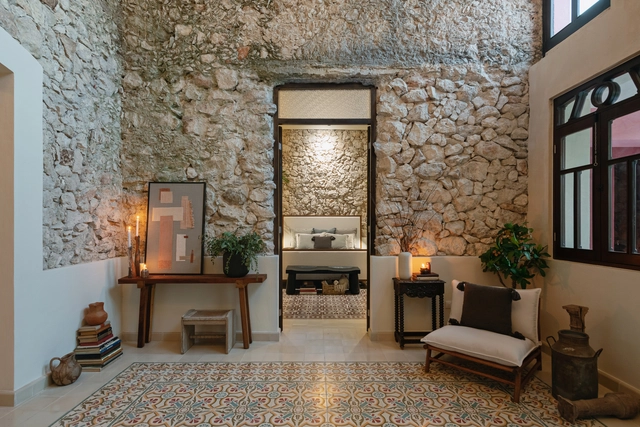
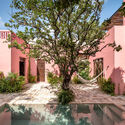
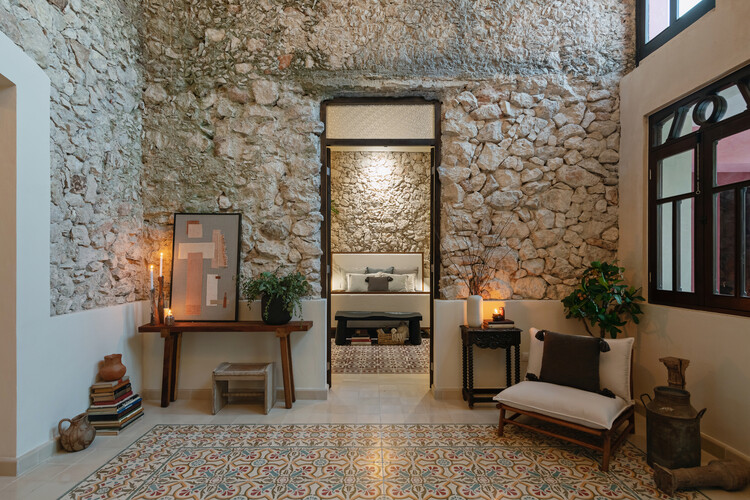
In the pursuit of connecting with the architectural traditions of cities and integrating their natural environments into design projects, the contemporary reinterpretation of colonial homes in Mexico faces the challenge of enhancing the contrast between the old and the new. Through the conservation of historical elements, the reuse of materials, and the fusion with contemporary design, the architecture of Mérida recognizes in its original colonial configuration new opportunities to create spaces in line with today’s demands. From achieving a direct connection with nature to naturally lighting and ventilating interior spaces, numerous ancient constructions, whether in ruins or not, choose to highlight their architecture by giving them a new life.

https://www.archdaily.com/1033576/inhabiting-a-layered-past-how-contemporary-design-is-transforming-colonial-houses-in-merida-mexicoAgustina Iñiguez