
Glade House / Ming Architects


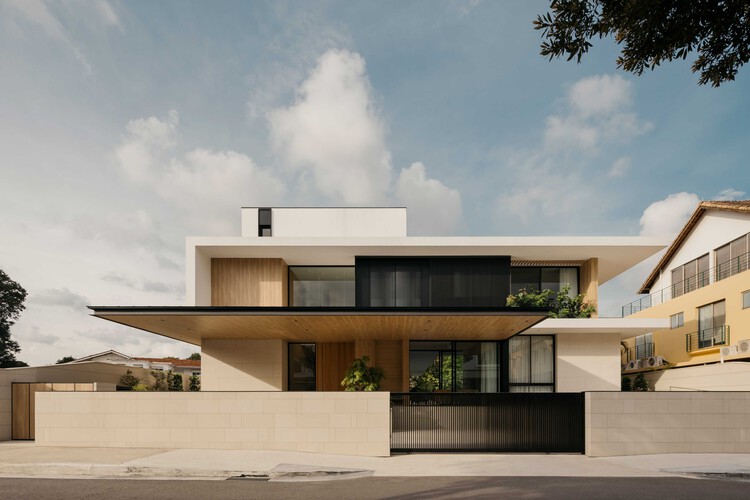
https://www.archdaily.com/1181249/glade-house-ming-architectsPratik Mour
Node House / Ming Architects


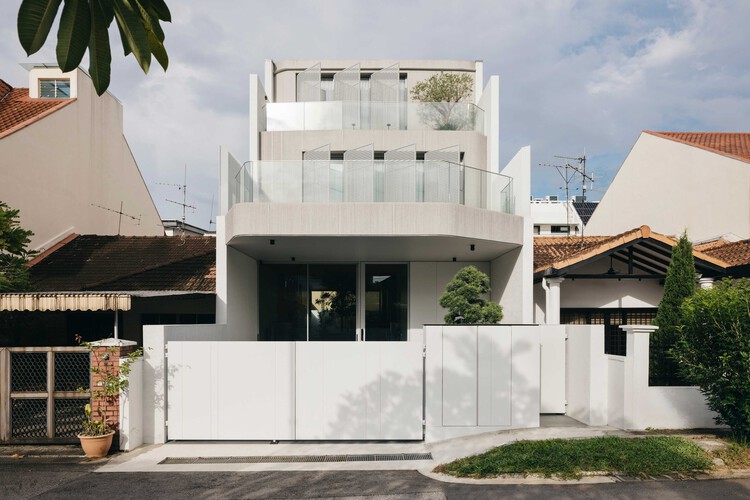
-
Architects: Ming Architects
- Area: 4000 m²
- Year: 2025
-
Manufacturers: Polystone, Rice Fields, Sol Luminaire
https://www.archdaily.com/1041801/node-house-ming-architectsMiwa Negoro
Halcyon House / Ming Architects


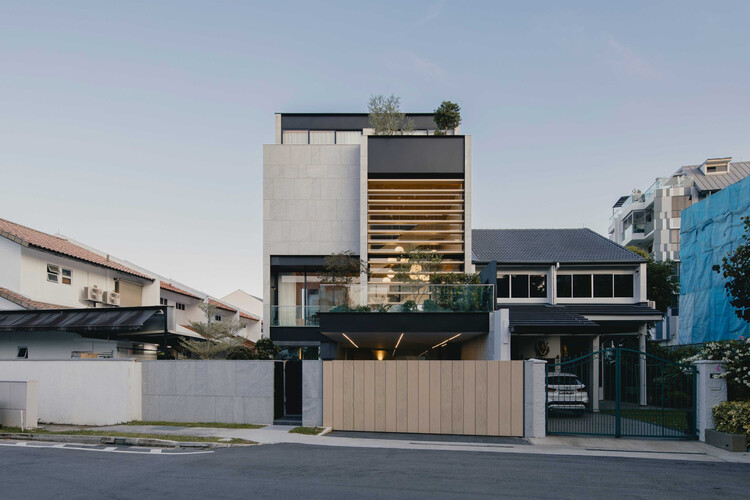
-
Architects: Ming Architects
- Area: 600 m²
- Year: 2023
-
Manufacturers: Duravit , Polystone, Rice Fields, Sol Luminaire
https://www.archdaily.com/1038168/halcyon-house-ming-architectsMiwa Negoro
Wicker House / Ming Architects


-
Architects: Ming Architects
- Area: 4500 m²
- Year: 2023
-
Manufacturers: Rice Fields, Sol Luminaire
https://www.archdaily.com/1034339/wicker-house-ming-architectsMiwa Negoro
House of Dancing Light / Freight Architects
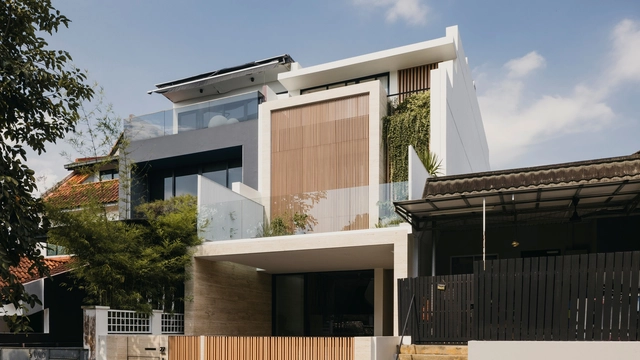


https://www.archdaily.com/1032588/house-of-dancing-light-freight-architects-pte-ltdMiwa Negoro
Refracting Light and Redefining Space: Glass Bricks in Contemporary Interiors
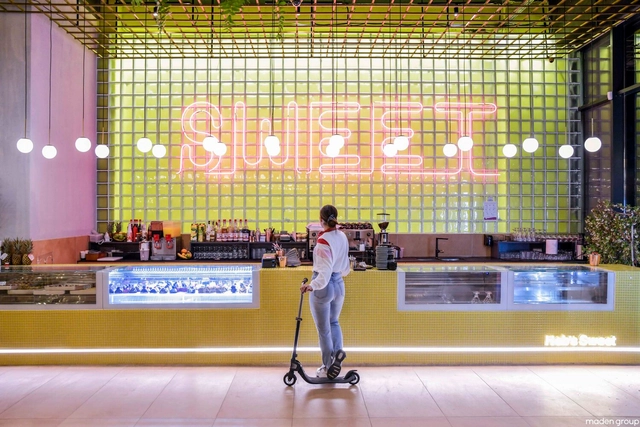
Glass bricks have been widely used in architecture, eventually becoming a staple of the 1980s architectural styles. Some examples of construction with this material could be the classic "Maison de Verre" by Pierre Chareau and Bernard Bijvoet in Paris or the more modern take of Hiroshi Nakamura & NAP with the Optical Glasshouse in Japan. In recent years, glass bricks are becoming increasingly popular, no longer relegated to older aesthetics. Instead, they have evolved into versatile design elements that bring light, texture, and character into contemporary interiors. Their ability to diffuse natural and artificial light while maintaining privacy has reignited interest among designers seeking innovative ways to enhance indoor spaces while taking advantage of natural light.


https://www.archdaily.com/1027058/refracting-light-and-redefining-space-glass-bricks-in-contemporary-interiorsMoises Carrasco
The Shop Downstairs / LAR+D
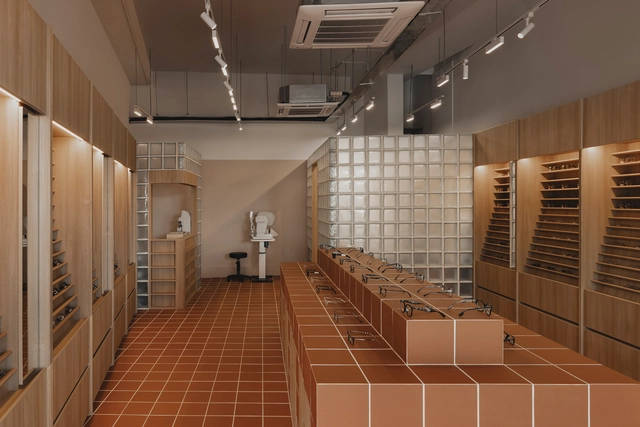


https://www.archdaily.com/1024047/the-shop-downstairs-lar-plus-dHana Abdel
Screen House / Ming Architects
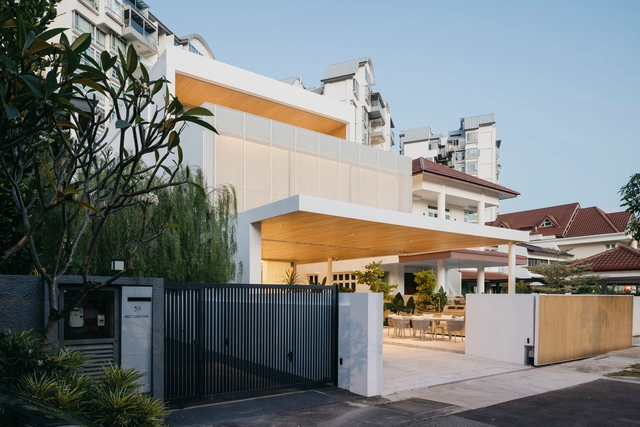


-
Architects: Ming Architects
- Area: 650 m²
- Year: 2023
-
Manufacturers: Louis Poulsen
-
Professionals: Mandala Landscapes, PTS Consultants, WS Surveyorship Pte Ltd
https://www.archdaily.com/1022539/screen-house-ming-architectsHana Abdel
Vale House / Ming Architects
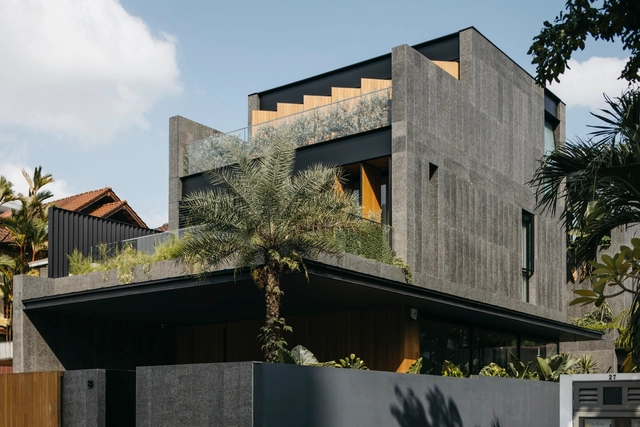


-
Architects: Ming Architects
- Area: 452 m²
- Year: 2022
-
Professionals: Ming Architects, PTS Consultants, WS Surveyorship Pte Ltd
https://www.archdaily.com/1016192/vale-house-ming-architectsHana Abdel
Are Living Rooms Still Relevant? 16 Projects that Explore how these Private Gathering Spaces Adapt to the Contemporary Home
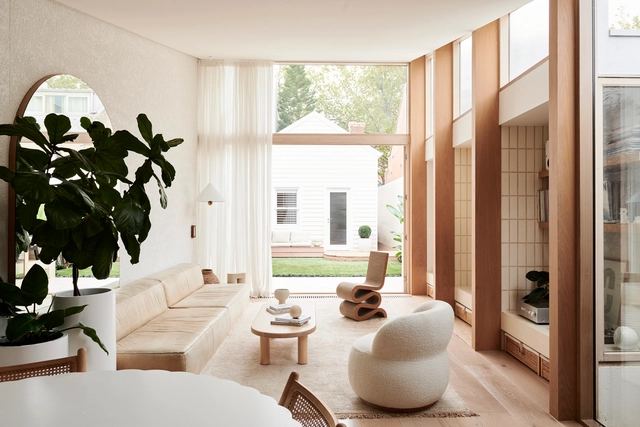
Today, architecture has become - or is in the process of becoming - more flexible and individualistic to accommodate people's diverse lifestyles and spatial needs. With this adaptation, the residential typology has changed and living rooms have become endangered. Many insist on the need of having a space dedicated to relaxation and leisure, while others claim it is simply a waste of space and money. This debate raised an important question: do we still need living/sitting rooms? In this interior focus, we will look at how living rooms evolved through the years, and how architects readapted and integrated the concept of “gathering space” in contemporary residential architecture.


https://www.archdaily.com/969304/are-living-rooms-still-relevant-16-projects-that-explore-how-these-private-gathering-spaces-adapt-to-contemporary-architectureDima Stouhi
Pan Pacific Orchard Hotel / WOHA



https://www.archdaily.com/1008122/pan-pacific-orchard-hotel-wohaHana Abdel
Frame House / Ming Architects
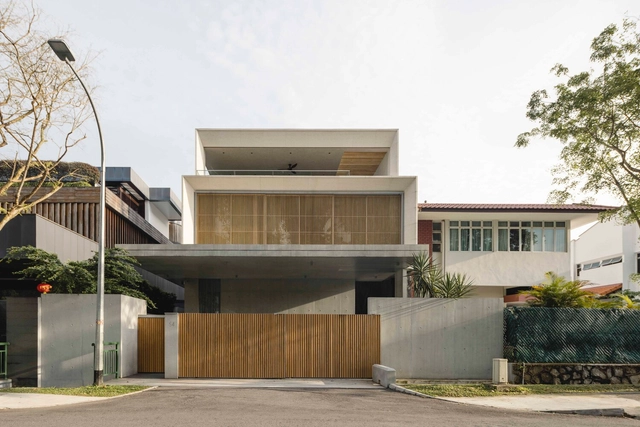


-
Architects: Ming Architects
- Area: 500 m²
- Year: 2021
-
Manufacturers: Duravit, Kawajun, Warema
-
Professionals: Ming Architects, CMP Consultants Private Limited
https://www.archdaily.com/1000588/frame-house-ming-architectsHadir Al Koshta
Perforated House / AR43 Architects
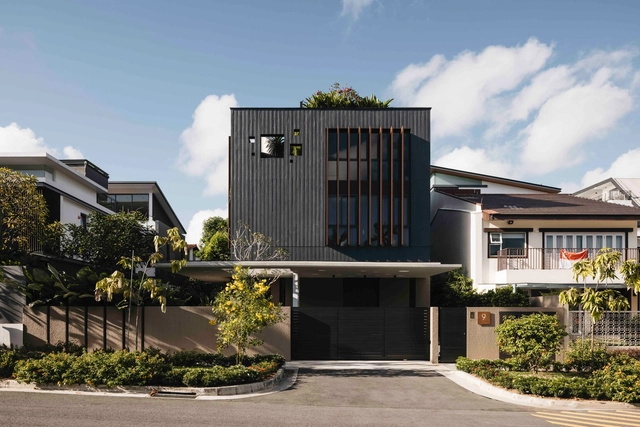


-
Architects: AR43 Architects
- Area: 6500 ft²
- Year: 2021
https://www.archdaily.com/974928/perforated-house-ar43-architectsHana Abdel
Chord House / Ming Architects
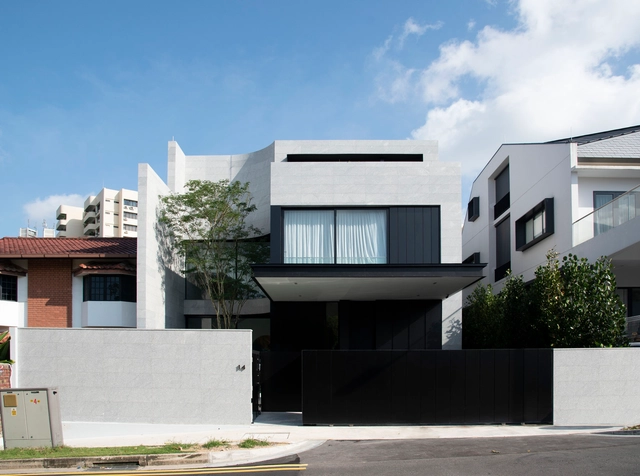


-
Architects: Ming Architects
- Area: 5000 ft²
- Year: 2021
-
Manufacturers: Carpentry and Interior, Ironmongery, Landscaping, Lighting, Sanitary wares, +2
-
Professionals: JS Tan Consultants
https://www.archdaily.com/974014/chord-house-ming-architectsValeria Silva
83 Braemar House / MONOCOT
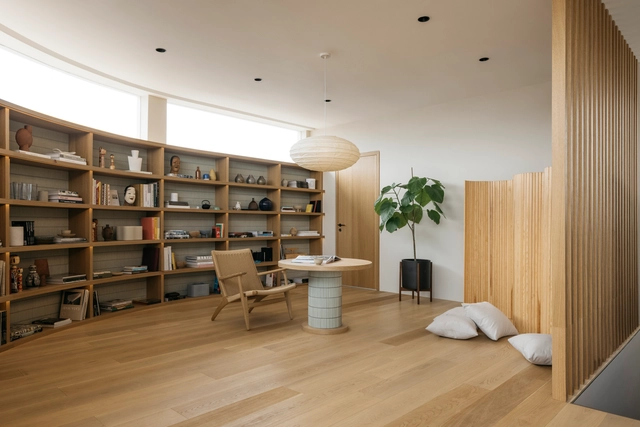


https://www.archdaily.com/967780/83-braemar-house-monocotAndreas Luco
Bukit Merah Apartment / MONOCOT
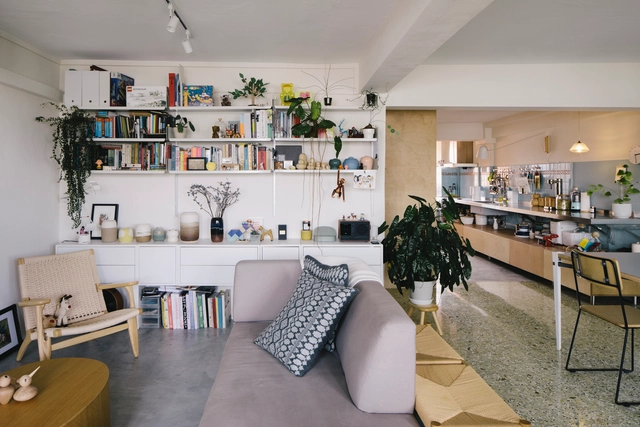


-
Architects: MONOCOT
- Area: 71 m²
- Year: 2019
-
Manufacturers: Carl Hansen, Habitat, Ikea, Vitsœ
-
Professionals: JUST BUILD LA
https://www.archdaily.com/966344/bukit-merah-apartment-monocotHana Abdel
Stiletto House / EHKA Studio
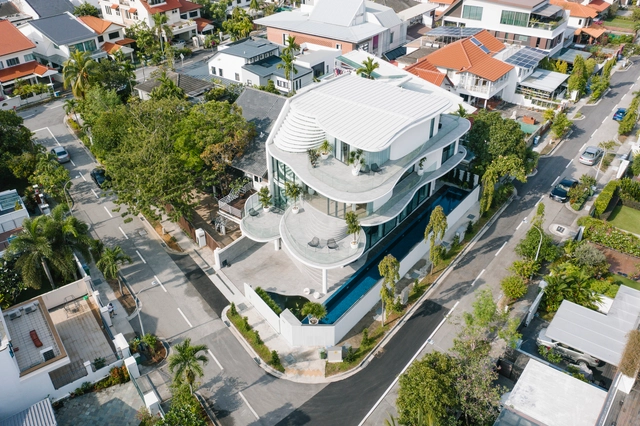


-
Architects: EHKA Studio
- Area: 9300 ft²
- Year: 2019
-
Manufacturers: AXOR, Big Ass Fans, Nemo Lighting
https://www.archdaily.com/938337/stiletto-house-ehka-studioValeria Silva
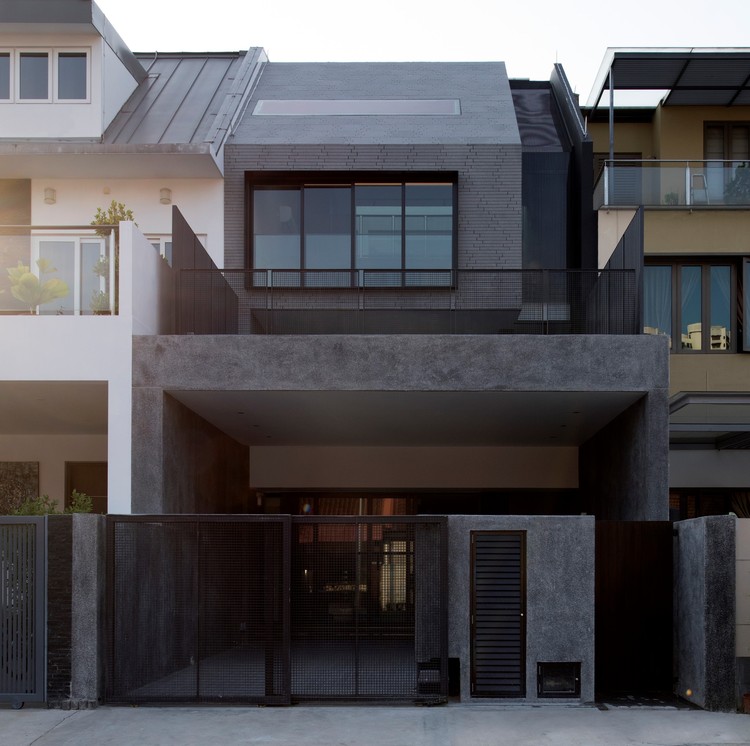
Venus House / Ming Architects
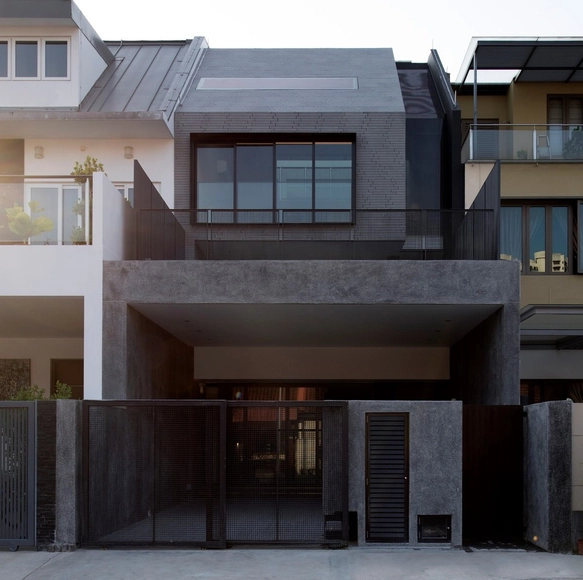


-
Architects: Ming Architects
- Area: 4500 ft²
- Year: 2019
-
Professionals: 21 Engineering Construction, CST Consultants, GNG Consultants Pte Ltd
https://www.archdaily.com/937050/venus-house-ming-architectsHana Abdel