

-
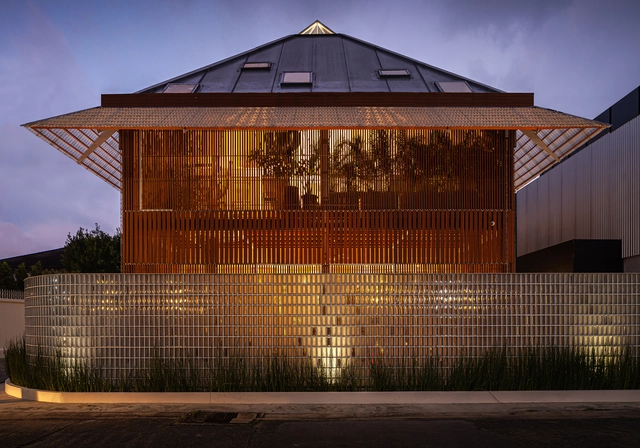
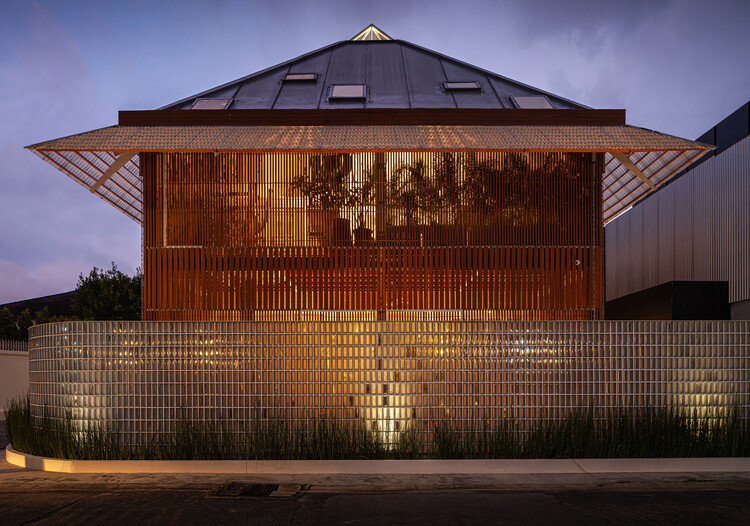
Architects: Junsekino Architect and Design
- Area: 280 m²
- Year: 2021
-
Manufacturers: Aqualine, In the glazz, SCG, SK Kaken, TOA
-
Professionals: G.A. House, AEKPAKIN Interior and Construction


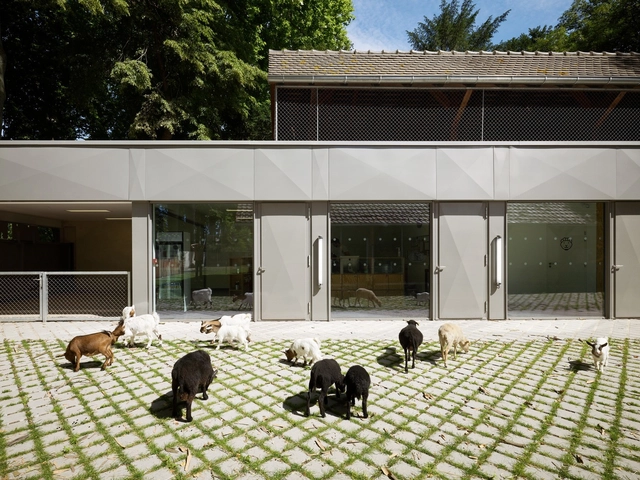
Architecture may have its roots in sheltering humans from the elements, but that is not to say that architecture is for humans alone. Around the world, there are numerous examples of buildings and shelters designed by architects for other species. Some of these can be whimsical, such as the Dogchitecture exhibit by 10 Mexican architecture firms back in 2013, or the series of BowWow Haus kennels designed by over 80 architects back in 2017, including Zaha Hadid Architects. But others are designed for a more direct impact.

More than 5000 new projects published throughout 2021 make ArchDaily the largest online architecture library in the world. ArchDaily Curatorial Team researches, contacts offices, prepares, and delivers the built projects in the world on a daily basis, with the objective of providing inspiration, knowledge, and tools to our users who take part in the creation of better built environments.
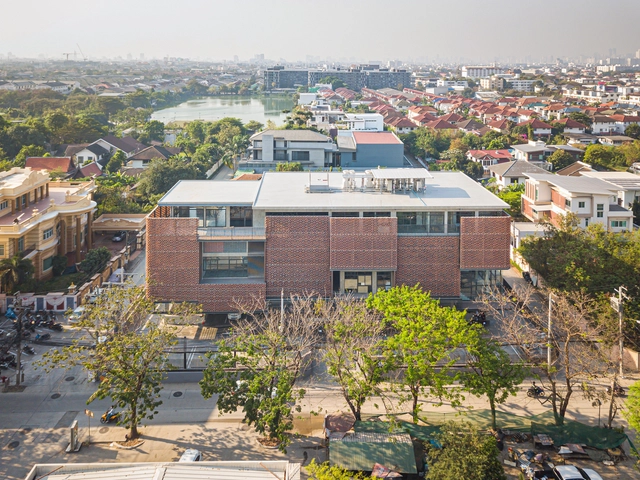
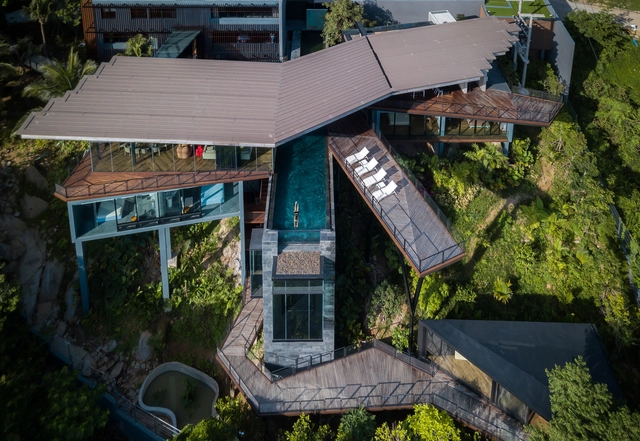
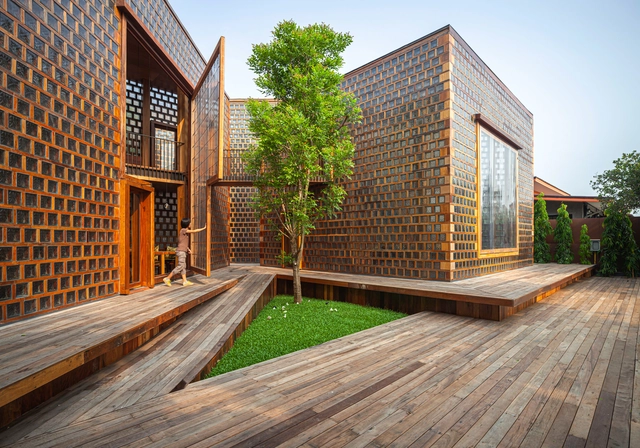
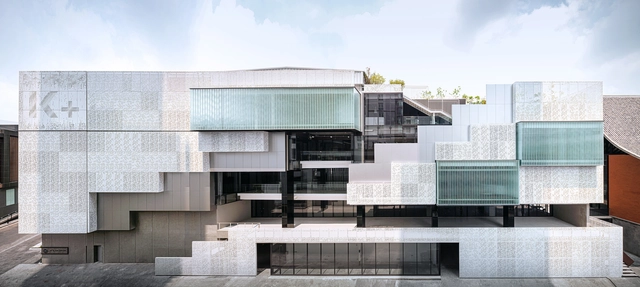

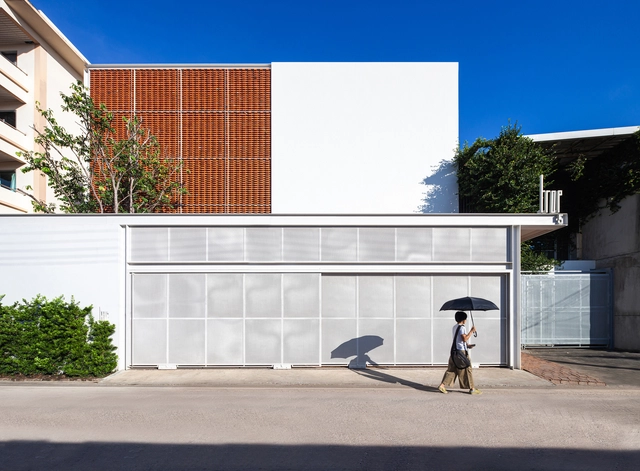
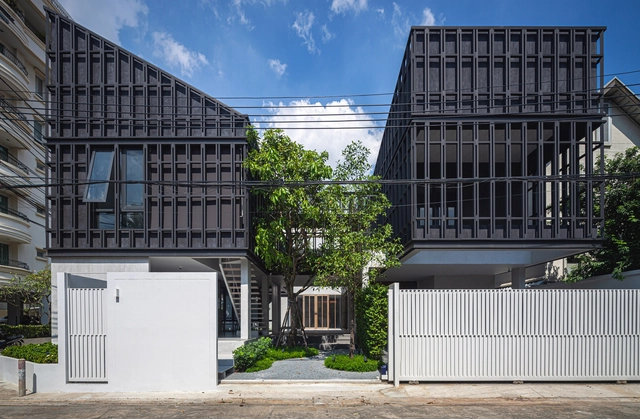
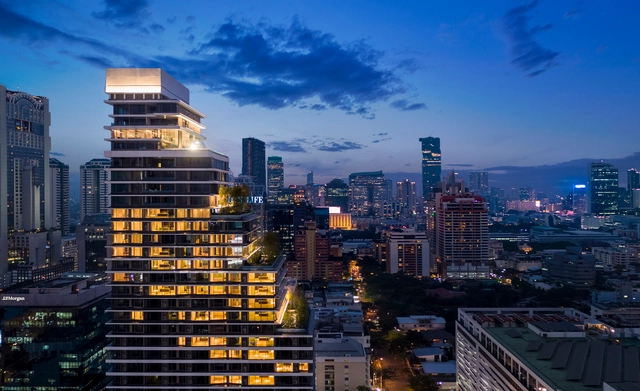
Multifamily housing in urban environments provides social, economic, and environmental benefits to both individual residents and cities as a whole. Kicked into overdrive after the 2008 financial crisis, demand for multifamily housing has since continued to rise and remains strong today. Generations Y and Z are the youngest urbanized group of adults and these young professionals are fueling much of the demand for compact living in city centers. Though the younger generations are the ones driving the changes, the result is expected to be more secure, convenient living for everyone.
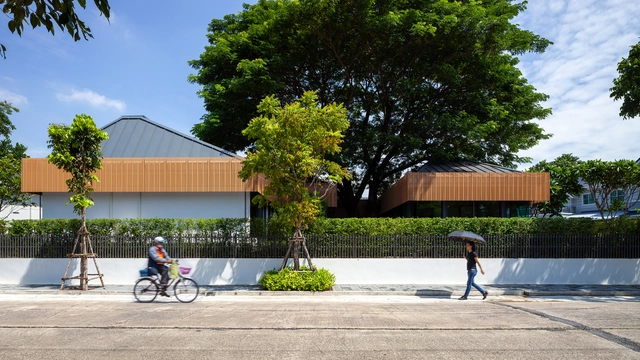
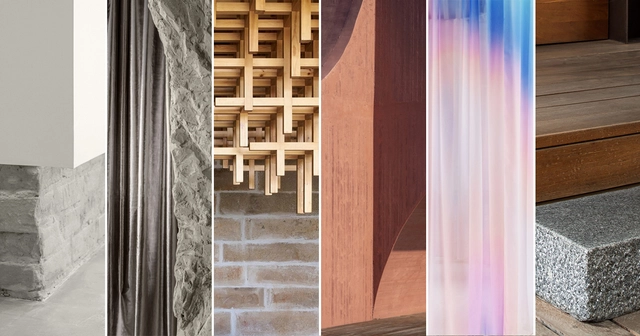
It is difficult to start any retrospective text on 2020 without sounding too cliché. While facing an invisible enemy that changed everyone’s lives, this past year has taught us that humanity is more fragile than we ever imagined. At Archdaily, it’s our job to synthesize how the buildings and the world we live in will be impacted by COVID-19 not only in the short term but in the distant future as well. Has our perception of the built environment changed this year? And has our relationship with the tectonics of buildings changed with all of the obstacles we’ve faced along the way?
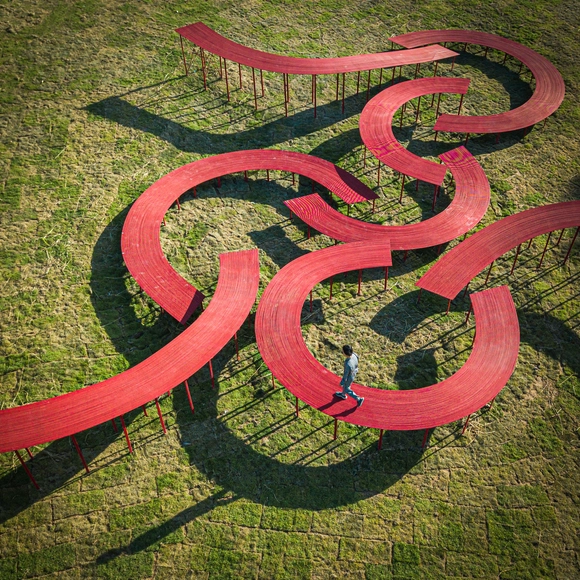
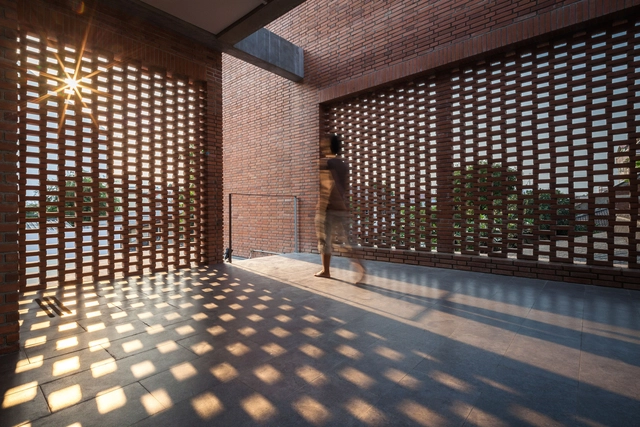
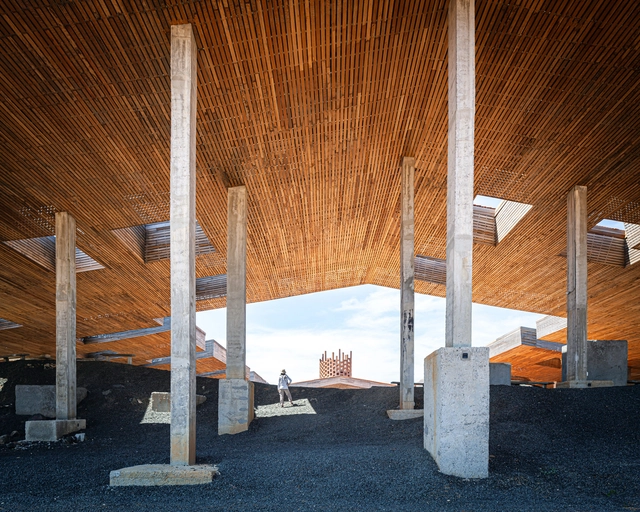
Going beyond human scale is not a novelty. For centuries, builders, engineers, and architects have been creating monumental edifices to mark spirituality or political power. Larger than life palaces, governmental buildings, or temples have always attracted people’s admiration and reverence, nourishing the still not fully comprehensible obsession with large scale builds.
Nowadays, some of the largest and most impressive structures relate less to religious or governmental functions and seem to be turning towards more cultural programs. Most importantly though, today’s grandiose works are generally and openly imitative of Nature.