-
Architects: Atelier Ramdam
- Area: 4500 m²
- Year: 2026
-
Professionals: Ville de Pantin, Atelier Roberta, FACEA


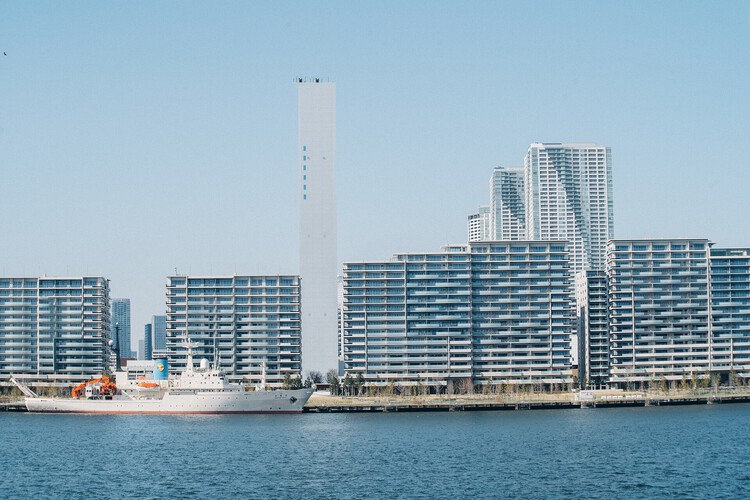
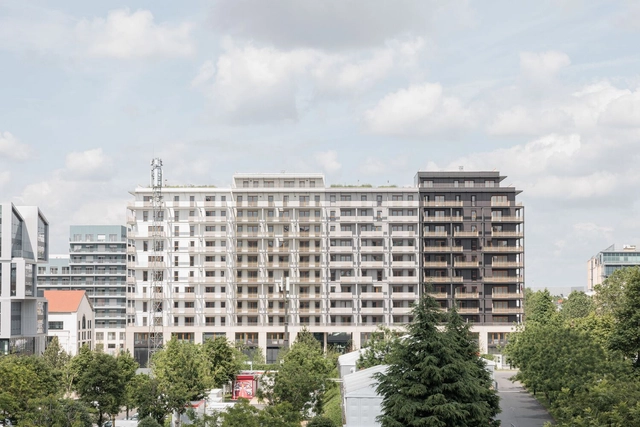
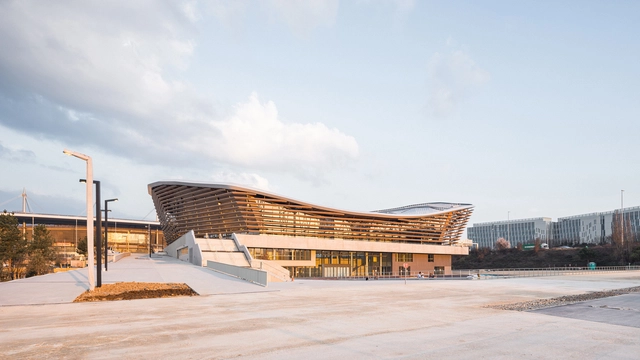
With the Milano–Cortina 2026 Winter Olympics underway, it is worth looking back at how the Olympic Village has evolved from a purely functional solution into a strategic urban project. From improvised housing compounds to key pieces of urban regeneration, Olympic Villages have repeatedly functioned as large-scale experiments in how parts of the city can be built within a short period of time.
Designed under intense time pressure and for a highly specific population, these environments reveal shifting ideas about housing, collective life, and the urban legacy of mega-events. Across different editions, the Olympic Village reflects broader ways in which events, housing, and cities intersect under conditions of urgency.

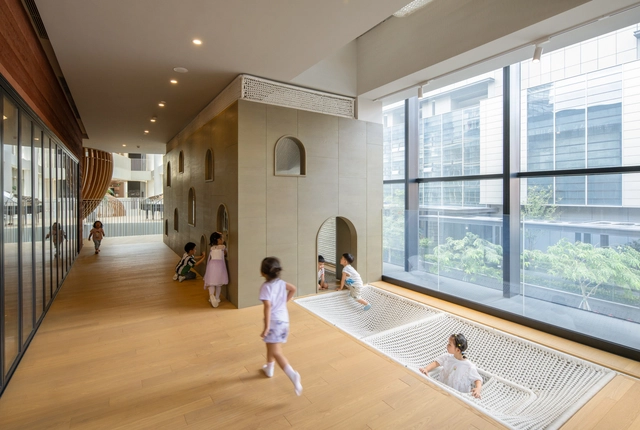
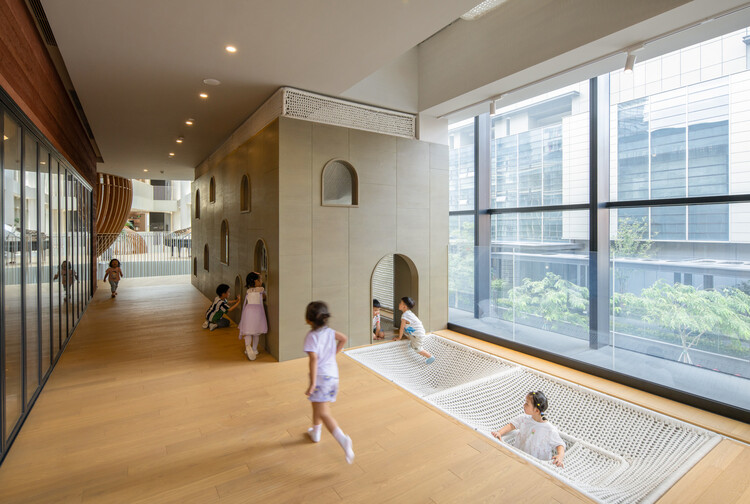
Children encounter space differently from adults. For them, the world is not yet rationalized into function and circulation but is experienced through emotion and curiosity. Where adults may navigate rooms through habit, children inhabit them through immediacy. A patch of sunlight becomes an event. The curve of a hallway invites wandering. The sound of footsteps on wood or the softness of fabric beneath fingertips is not background but information. What adults may dismiss as peripheral moments quietly mediates their sense of safety, autonomy, belonging, and possibility. Architecture is an opportunity for pedagogy to become physical.
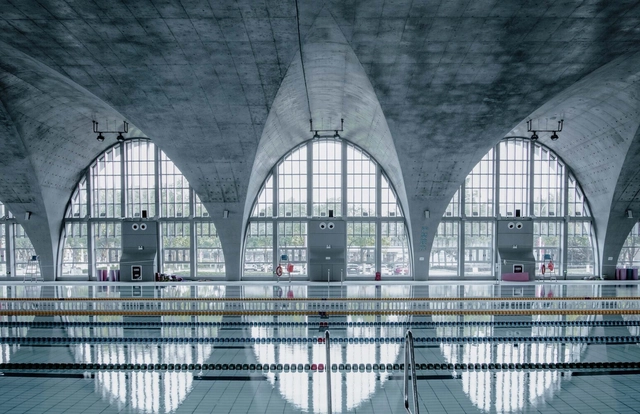
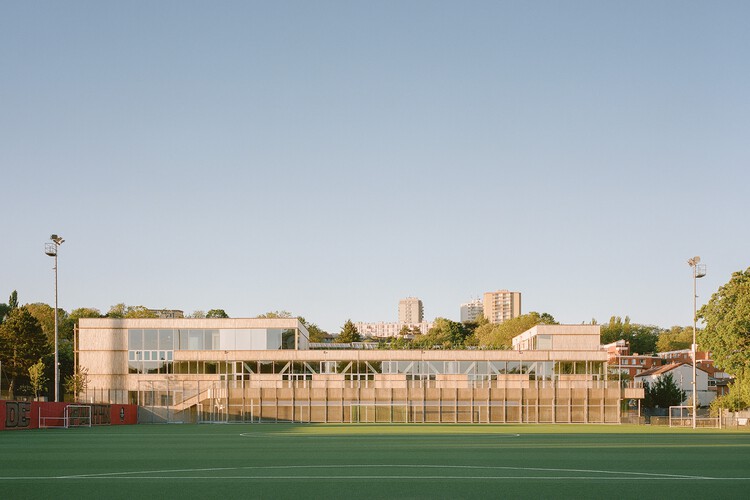
Sports infrastructure has become an important aspect of contemporary life, addressing the growing need for physical activity and leisure spaces to offset the stresses of urban living. In this context, architecture, particularly in the realm of sports facilities, plays a pivotal role in shaping these environments. Sports architecture, in particular, has evolved into a highly specialized discipline that not only addresses the functional and technical aspects—such as structural integrity, safety standards, and the specific requirements of different sports—but also emphasizes the importance of thoughtful design. A well-designed sports facility not only enhances the user experience but also integrates seamlessly into its urban or natural surroundings, contributing to the overall aesthetic and social value of the space. By blending functionality with innovation and creativity, sports architecture has the potential to positively impact both individual well-being and community cohesion.
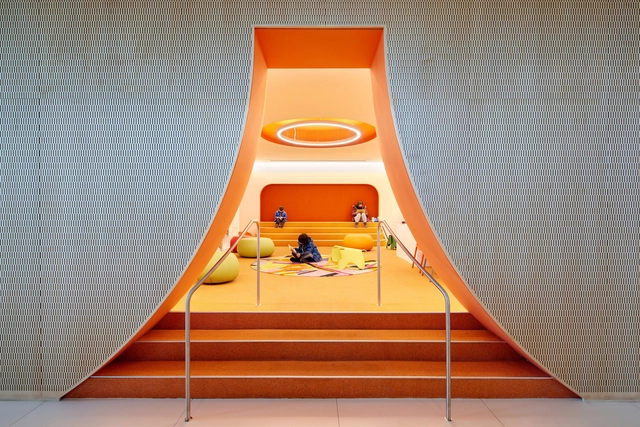
What is the vision for a 21st-century library? How can architecture professionals foster the interest of new and future generations in reading? Globally, the rapid growth of communication technologies, along with the increase in available information and the constant need to update knowledge, brings with it new educational approaches, cultural practices, and community activities that involve the creation of more dynamic spaces capable of adapting to different functions simultaneously. The connection with play, the integration of other uses, or even the incorporation of new technologies typically play a central role in the interiors of contemporary libraries designed for a young audience.
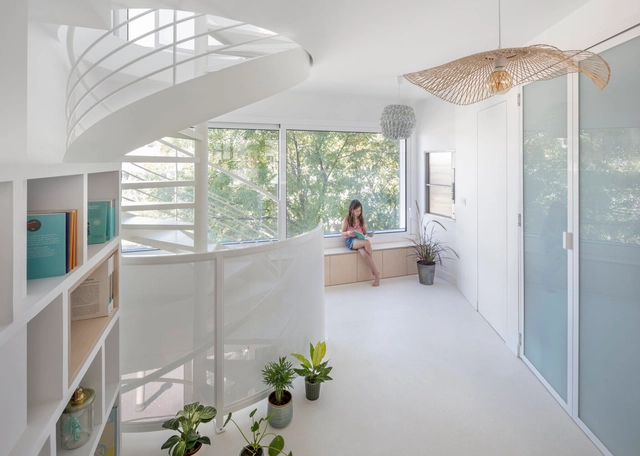
Whether rising to the highest room of the tallest tower in a Disney-esque castle, giving an admirer the chance to confess their love on an apartment building fire escape, or connecting a basement or attic room with a decorative period feature, there’s something unavoidably romantic about spiral staircases. But there’s more function behind these coiling forms than just their good looks.
One common-held theory is that spiral staircases were first installed in historic castles as vertical baffles, tiring out enemy infiltrators before they could make it to the top. This is why – it is said – many are set to turn clockwise on the ascent, so attackers have a smaller arc for swinging weapons (mostly held in right hands) than defenders making their descent.
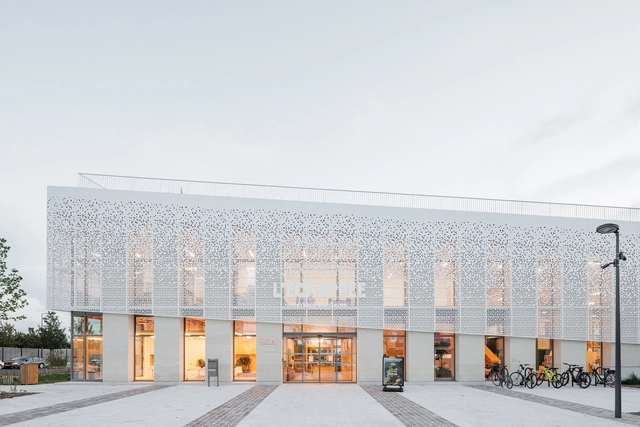

Almost a century after the iconic aesthetic emerged, Art Deco is finally having its comeback. As seen in new projects, interior spaces, and furniture around the globe, the glitz and glam that makes us long for the Roaring 20s of the early 20th century is now giving us a small taste of the Roaring 20s revival in the 21st century. As the distinct identity of Art Deco architecture and design has continued to inspire the world, what can we expect from new designs, and the preservation of existing ones?
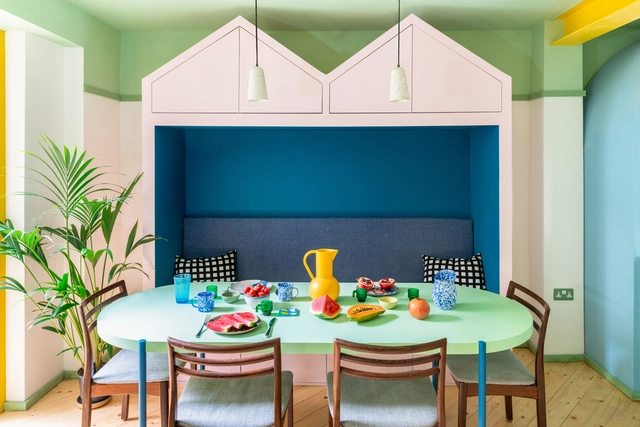
Playfulness is a concept often attributed to children and hardly connected with adult life. In architecture, projects dedicated to childhood propose a combination of objects, colors and solutions to encourage imagination and break the rigidity of spaces. In contrast, most conventional projects are limited to regularity and stamp the sobriety of adult life.