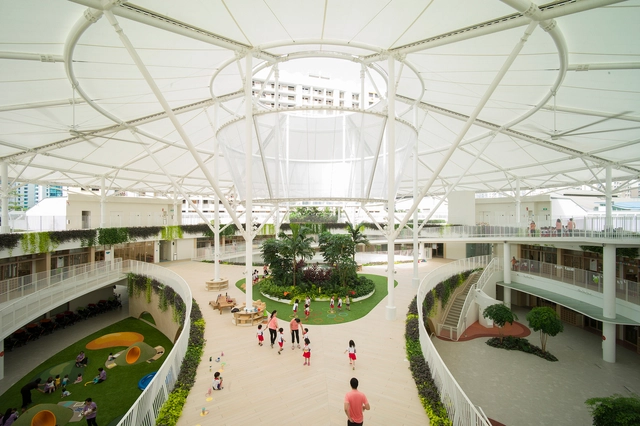
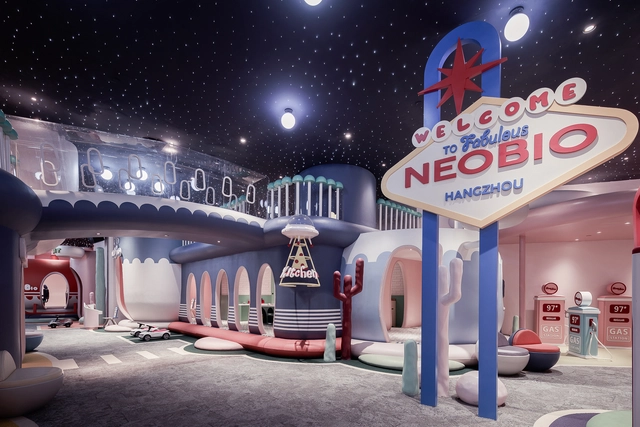
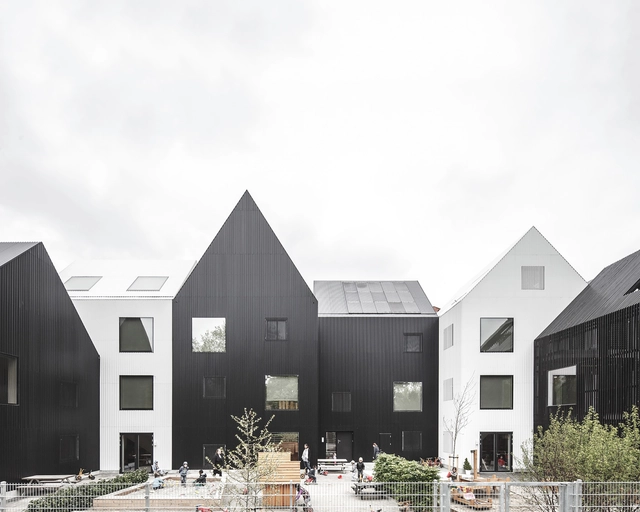
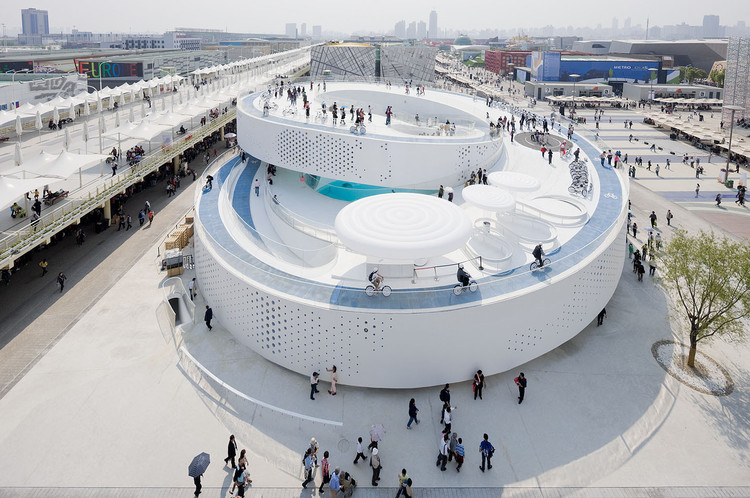
The most important part of children's education happens in the playground, instead of in the classroom. Despite this, many times we find huge empty school playgrounds.
Due to its importance and meaning, many schools and educational institutions have broken traditional paradigms and have opted to explore new possibilities. We have selected innovative examples, in which, through the use of specially designed equipment, strident colors and a variety of textures, they allow recreation areas to promote exchange, learning, and discovery.
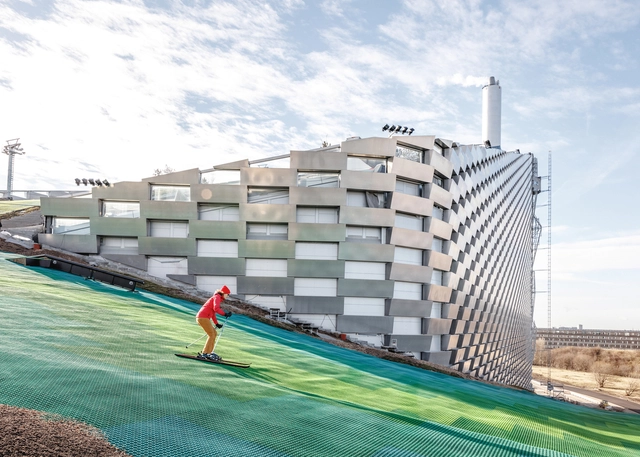
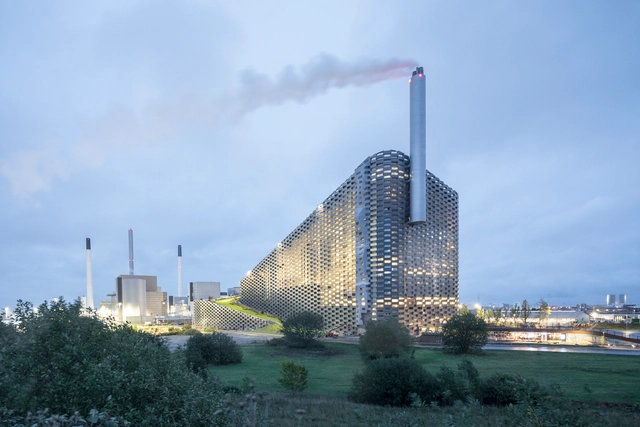
Nearly a decade in the making, the landmark CopenHill waste-to-energy plant first imagined by Bjarke Ingels Group has finally opened in Copenhagen. ArchDaily initially covered BIG's project in January 2011, and the waste-to-energy plant would later include hedonistic ideas of the world’s first steam ring generator and crowdfunding through Kickstarter. Today, the project has fulfilled many of its promises, and CopenHill stands as a modern architectural zeitgeist reflecting BIG's own evolution.
Danish architect Bjarke Ingels (born 2 October 1974) is often cited as one of the most inspirational architects of our time. At an age when many architects are just beginning to establish themselves in professional practice, Ingels has already won numerous competitions and achieved a level of critical acclaim (and fame) that is rare for new names in the industry. His work embodies a rare optimism that is simultaneously playful, practical, and immediately accessible.
The World's Greatest Places of 2019 list by Time magazine celebrates 100 destinations in the world to visit, stay, eat and drink. Selected by the global team of editors of the publication, the places have been evaluated based on quality, originality, innovation, sustainability and social impact.
We have shortened this list and selected the architectural projects that have previously appeared on ArchDaily. Read on for more details.
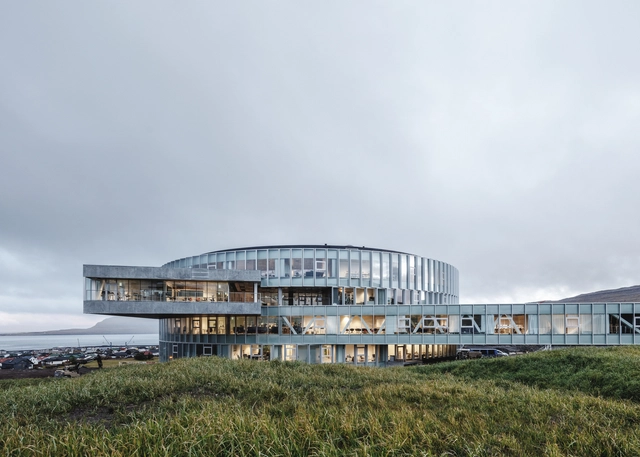
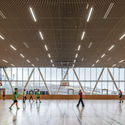
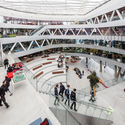
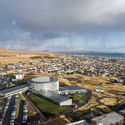
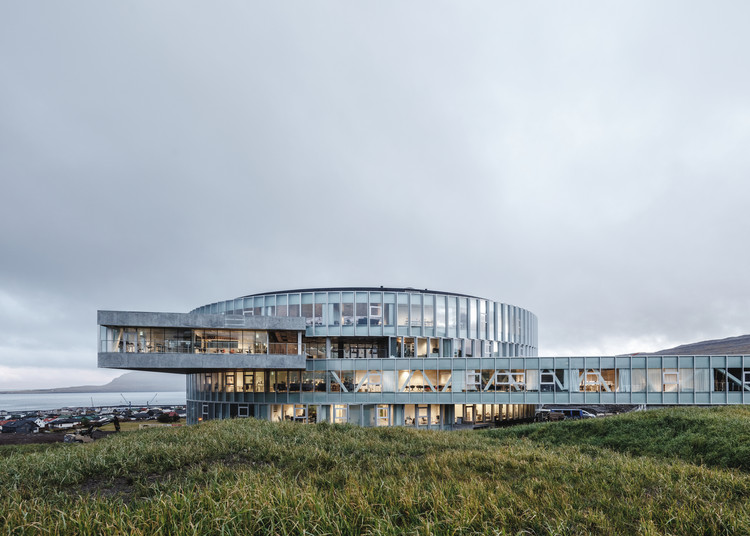
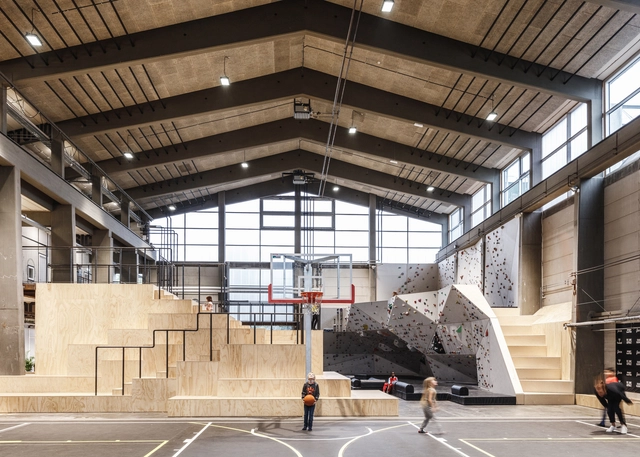
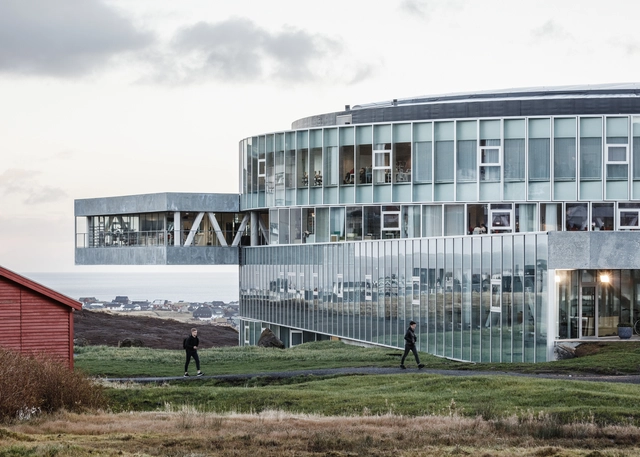
Bjarke Ingels Group.'s vortex-shaped education center has opened in the Faroe Islands. The Glasir Tórshavn College combines three schools under one roof in an area of over 19,000 square meters. Made to celebrates the Faroese landscape, the project includes the Faroe Islands Gymnasium, Tórshavn Technical College and the Business College. The design features glass façades that are mounted in a sawtooth shingle to form the building's circular shape.
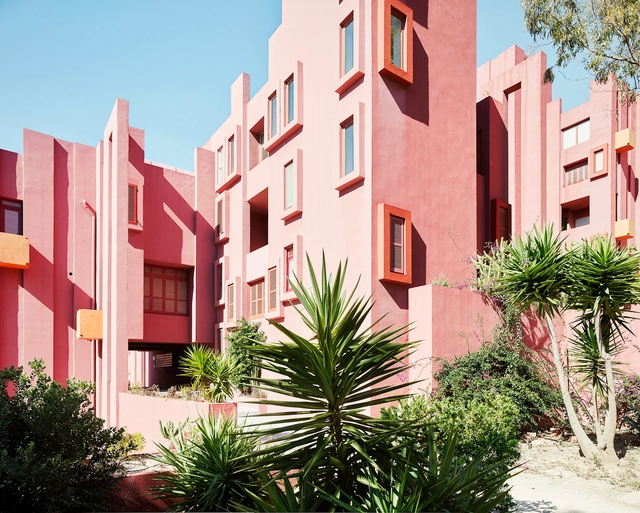
It's no secret that post-modernism has, in recent years, experienced something of a revival. The much-maligned movement's exhuberant and joyful take on architecture is perhaps a solace in difficult moments. Or, for the more jaded among us, perhaps it simply lends itself to Instagram.
That said, it's not quite the postmodernism that took off in the 60s. Post postmodernism is also concerned with history and context, but with contemporary spins made possible by new technologies. Installations and other temporary typologies also bring with them a fresh perspective, preserved forever on the internet for our vicarious enjoyment. But perhaps most crucially, it is no longer so wholly a reaction against the hegemony of modernism; something that the original postmodernists were fixated with. Today's postmodernism can be at once joyful and reserved, vernacular and high-tech.
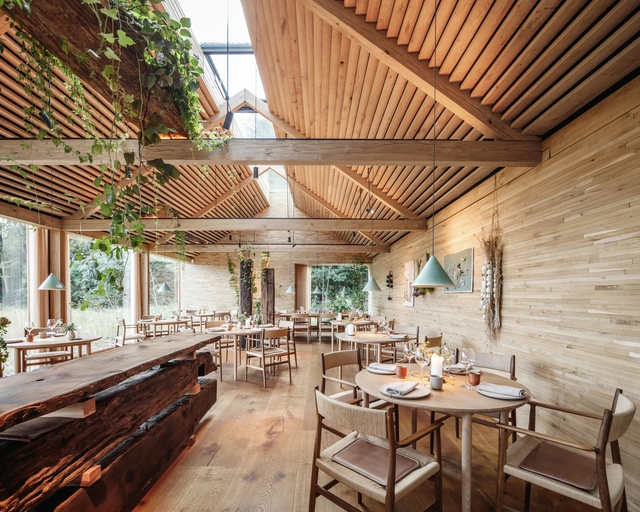
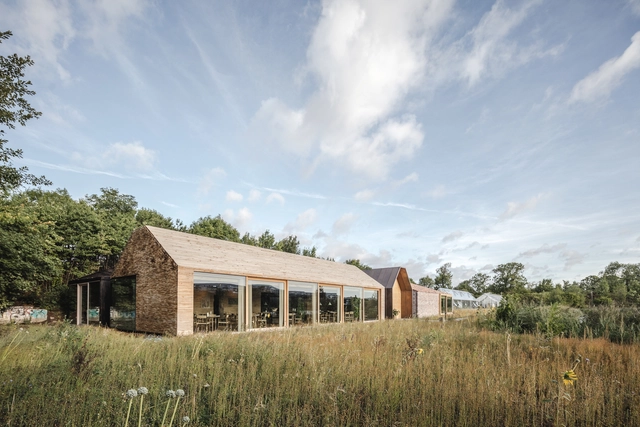
Bjarke Ingels Group has designed a cluster of buildings as the new home for Noma, one of the world’s most acclaimed restaurants. Situated between two lakes within the community of Christiania in Copenhagen. Built on the site of an ex-military warehouse once used to store mines for the Royal Danish Navy, the project is imagined as an intimate culinary garden village. With interiors completed in collaboration with Studio David Thulstrup, the project dissolves the restaurant’s individual functions into a collection of separate yet connected buildings.
A thorough architectural response towards the growing problems of population, climate, and urban migration is currently on display at the Danish Architecture Centre in Copenhagen, in the form of the upcycled Wasteland exhibition. Curated by Danish architecture firm Lendager Group, the exhibits shown in Wasteland are filled with raw materials, processes, experiments and methods, backed up with a long list of shocking facts about our effects on planet Earth: over 2 million tons of CO2 have been emitted globally this year; over 3.3 billion tons of resources have been extracted from the earth globally this year; over 127 million tons of waste have been dumped globally this year—all totalling a cost of over $14 trillion USD resulting from our failure to act on climate change. These are the live statistics (as shown at the time of ArchDaily’s visit last Friday) which confront visitors in the first room of the exhibition space. They provide context for what is to follow.
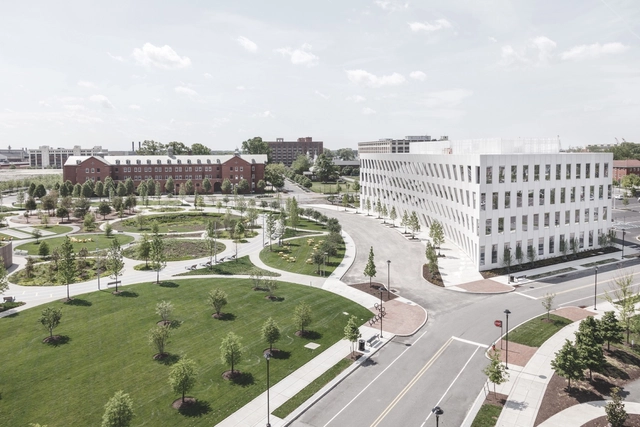
BIG has completed their second building on U.S. soil, a 92,000-square-foot office building at 1200 Intrepid Avenue in Philadelphia, Pennsylvania that also marks the firm’s first realized office building design. Located within the revitalized Philadelphia Navy Yard master plan (designed by Robert Stern), the four-story building features a bowing, double-curved facade and a supersized “periscope” inspired by the historic battleships docked a few blocks away.
In recent years, the ever-increasing profile of Bjarke Ingels and his firm BIG have been hard to miss. For an office that is barely 10 years old, the number and scope of their projects is astonishing; to cope with demand, the firm has grown to employ almost 300 people. This growth, though, did not happen by accident. In this article, originally published on DesignIntelligence as "The Secret to BIG Success," Bob Fisher speaks to the firm's CEO and Partner Sheela Maini Søgaard in order to uncover the business plan behind the BIG phenomenon.
BIG may be the most appropriately named firm on the planet.
The Bjarke Ingels Group (BIG) seems to have an outsized impact in all it does. The Copenhagen-based design firm turns conventions and assumptions upside down and combines contrasting possibilities in outrageously bold, imaginative and playful ways. Projects like Via at West 57th Street in New York City and the Amager Bakke Waste-to-Energy Plant in Copenhagen are prime examples: the first a pyramid-shaped apartment building that defies the forest of rectangular towers around it, and the second a power plant that doubles as a smoke ring-blowing ski slope.
The world has taken note. Whether in praise or criticism, the architectural, cultural and business media tend to strike a heroic tone when describing the firm’s work: radical, ambitious, bold, confident. In short…BIG.