-
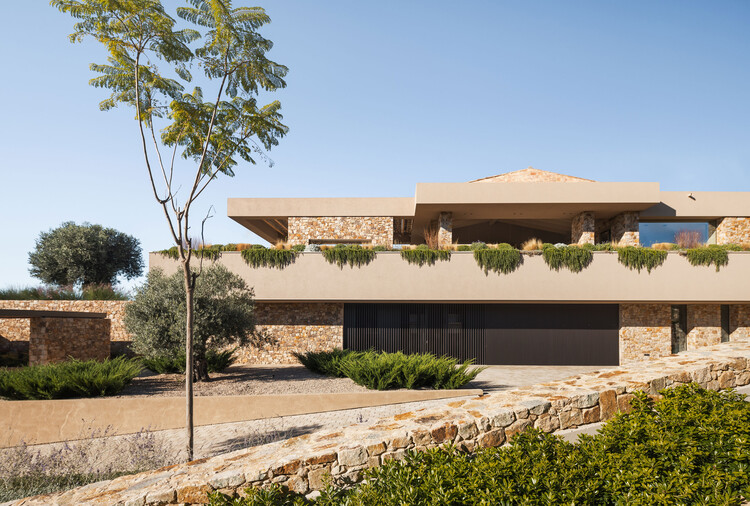
Architects: Dom Arquitectura
- Area: 735 m²
- Year: 2025
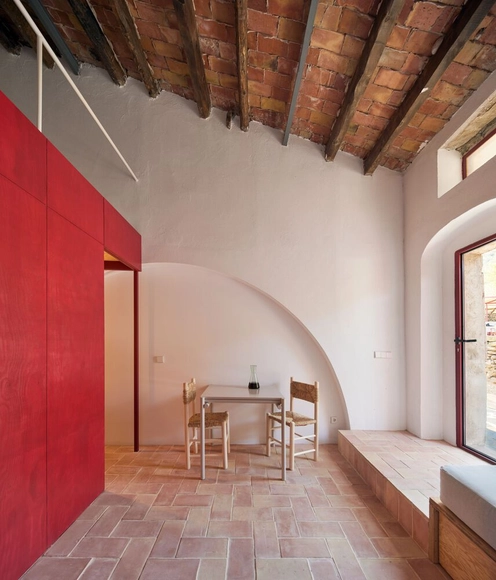
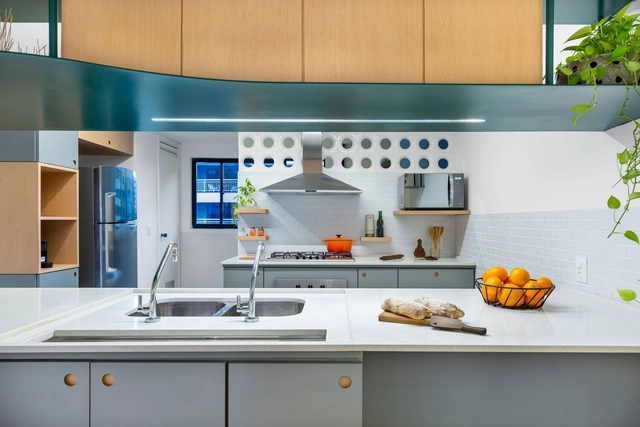
We are used to looking at architecture as large objects situated within the urban fabric or natural landscape, establishing new relationships with their surroundings. However, our daily lives also unfold inside these buildings as we enter, occupy, and interact with them. Consequently, we establish relationships with the built environment immediately around us. Architecture must therefore address the macro scale—such as climate and neighborhood context—while simultaneously attending to the micro scale of finishes, textures, and colors.
Numerous details shape the experience of a building's residents and users; when carefully explored, they elevate the quality of the project and stimulate the senses. These details can be structural, aesthetic, or functional.
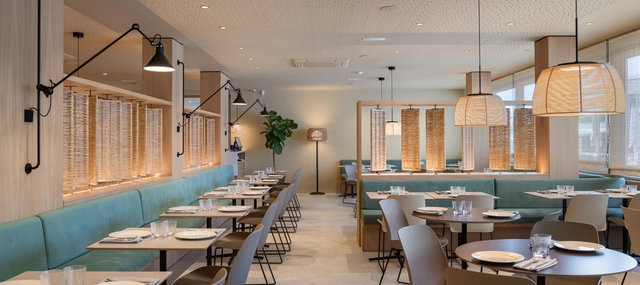

Under the title “More Living, More Humanizing,” the 14th Spanish Biennial of Architecture and Urbanism (BEAU) presented the winning projects of its latest edition today, Thursday the 19th, in Santander. This exhibition, housed in a temporary pavilion in Santander's Pereda Gardens, showcases the works selected in the categories of Panorama of Works, 2nd Research Exhibition, and 7th Thesis Projects Exhibition.

This article is part of our new Opinion section, a format for argument-driven essays on critical questions shaping our field.
The modern sustainability project is built on the promise that evolving technologies can reconcile urban and economic growth with ecological responsibility. By the metrics developed by the built environment professions and the policies adopted by governments, progress is tangible and accelerating: buildings consume less energy per square foot than they did a generation ago, vehicles emit fewer pollutants per mile, and urban infrastructure is more integrated and measurably cleaner in many cities. And yet total resource consumption continues to rise. Sustainability, as currently practiced across the built environment professions, has become a strategy for optimizing consumption rather than reducing it. Until the profession is willing to question the scale and structure of demand rather than the efficiency with which that demand is met, its most celebrated achievements will continue to fall short of the problem they claim to address.
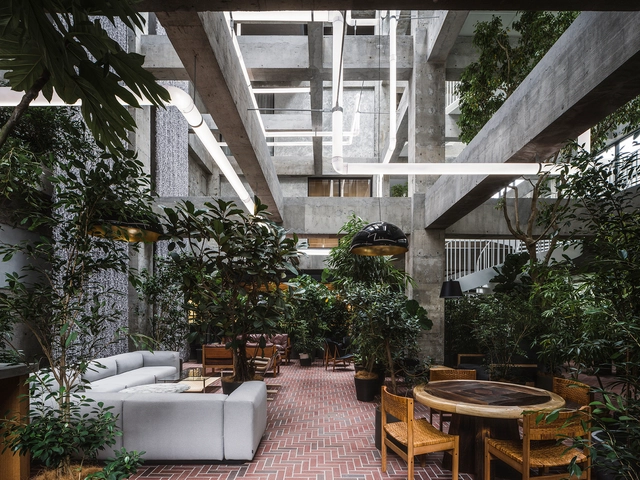
There is not enough that can be said about the benefits of incorporating plants in interiors or Plantscaping. Integrating vegetation indoors serves many purposes, whether practical, aesthetic, or psychological. Although there are basic requirements for incorporating greenery into Homes, well-thought-out plant selections and placements are characteristically different across the world. By going over recent interior works, a few recurrent plantscaping design patterns arose, each reflective of distinctive climates, building styles, and traditional building techniques.
While the type of the chosen plants varies depending on favorable conditions for growth and local availability, the main distinctions are related to the direct environment and display method in which the vegetation is set, as well as its intended purpose. While plants are there to offer mental wellness to some, they are essential for cooling to others, or could even be meant for small-scale farming.
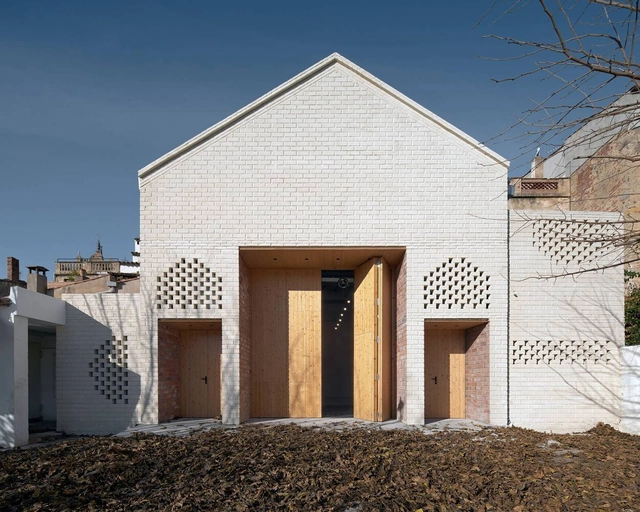

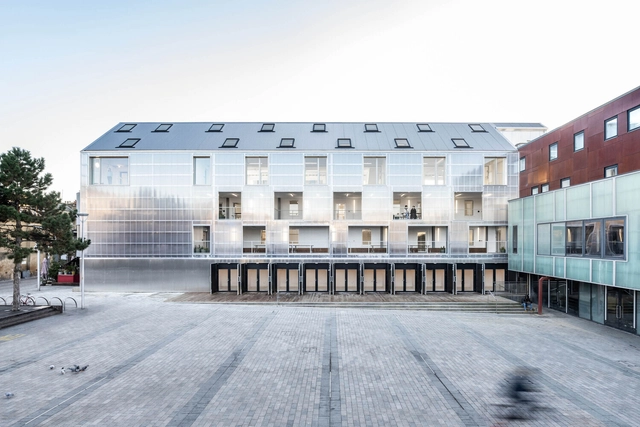
The main role of architecture is to create structures that protect us from the environment and create spaces that are safe and comfortable for all types of needs and activities. By providing shelter, architecture also shapes the way people interact with their surroundings. Building technologies of the past rarely managed, however, to create a complete separation between us and the outside world.
While impermeability was a desired outcome, the porous building materials available always allowed some water, wind, or outside particles to leak into the interior spaces. In contrast, modern technologies now allow for almost completely impermeable building envelopes, allowing for complete separation between indoors and outdoors, thus relying on engineered systems to regulate temperature, airflow, or humidity. This article explores the differences between these two contrasting approaches, exploring how building facades are equipped to regulate indoor comfort and its environmental impact.
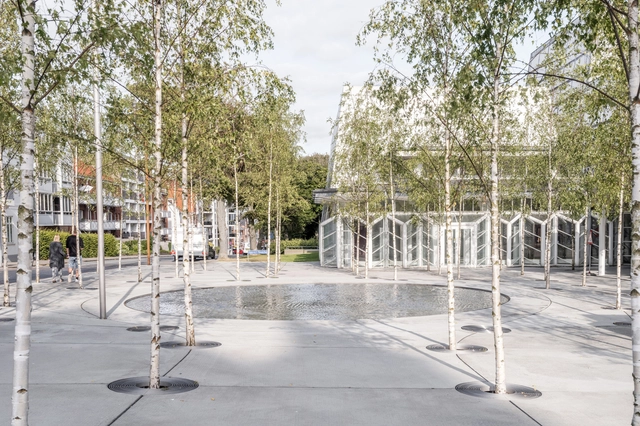
According to several recent studies, noise in cities has become an increasing hazard to health. Environmental noise, that is, noise from traffic, industrial activities, or amplified music, which reaches internal spaces, is not merely an annoyance. It has been linked to cardiovascular disease, diabetes, dementia, and mental health. As the world urbanizes, more people are exposed to excessive levels of noise. How can urban design and architectural strategies help to prevent this?
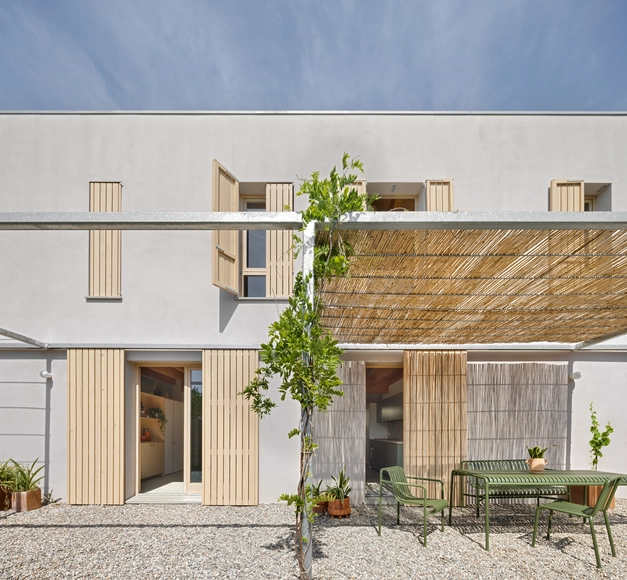
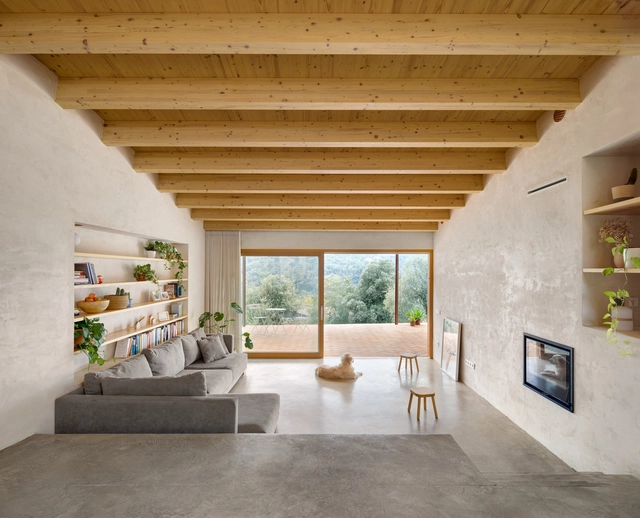
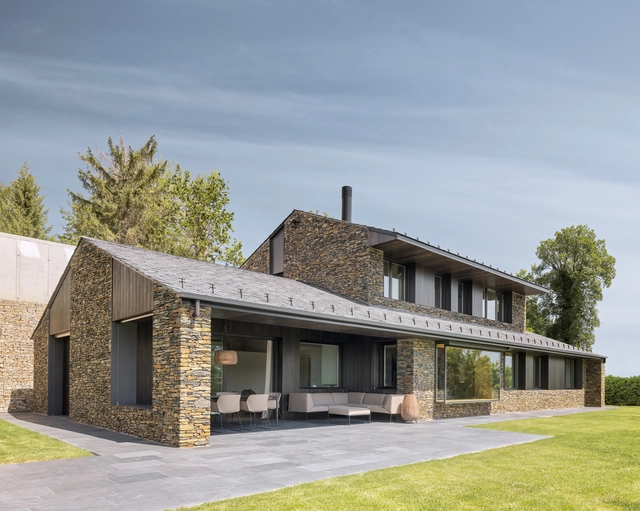
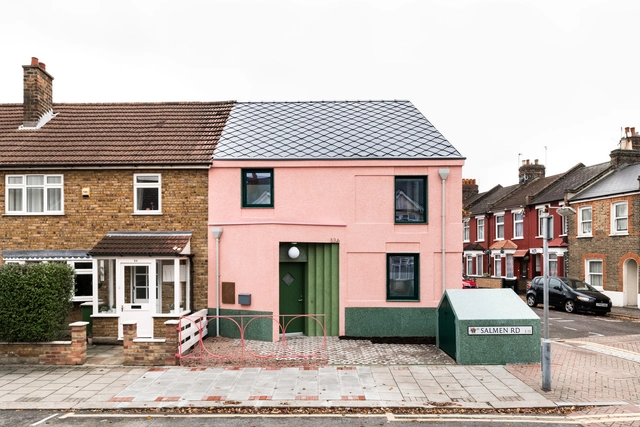
World War II was pivotal in human history, leaving a profound political and social impact. Its conclusion marked a significant turning point, leading to post-war suburbanization and the baby boom. These phenomena resulted in rapid urban growth and a surge in housing construction, which peaked in the 1960s and continued to flourish throughout the following decades, gradually slowing down until the present day. Currently, we are facing a very different scenario in which a backlog of affordable housing, combined with a challenging economic outlook and a climate agenda, have led to the need for a transformation of the built environment into a cleaner and more resource-efficient one, in line with the Paris Agreement.
Thus, with the ever-increasing demand for housing, combined with policy initiatives such as the European Green Deal, the post-war model of hyper-production is becoming unsustainable. Consequently, refurbishing derelict or redundant buildings has emerged as a viable alternative. Unlike the scheme of demolition and new construction, this approach offers opportunities for energetic retrofitting, which helps mitigate environmental obsolescence, extend the lifespan of buildings, and revitalize the existing and dilapidated stock—including postwar housing—while improving people's quality of life.
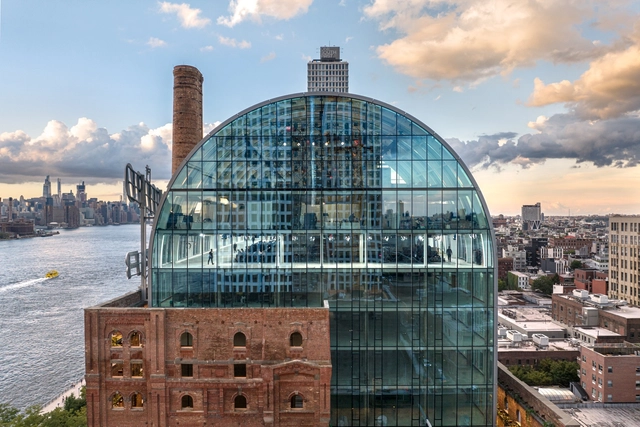
In the same way that societies transform, times change, and cities evolve, industrial architecture modernizes and becomes more technological, sometimes reaching a state of abandonment or ruin. Understanding its value as a built legacy and being vestiges of technological, social, and cultural changes, the renovation and/or conversion of numerous factories and industrial warehouses can lead to the revitalization, recovery, or growth of various areas in large cities by incorporating new uses and spaces for the enjoyment of its citizens.
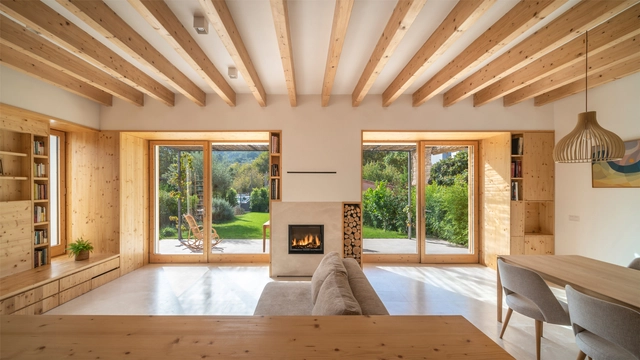
How is it possible to reduce the energy consumption of our homes? What design, material, and/or technological strategies can be developed to achieve interior comfort while also addressing the climate crisis? While achieving energy efficiency depends, among other factors, on the state of the homes, there are various strategies related to the implementation of renewable energies, air conditioning technologies, and more that can be applied, taking into account government policies, laws, regulations, and standards specific to each region.