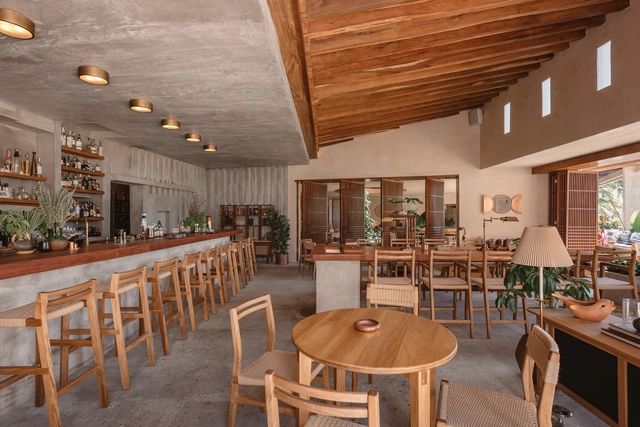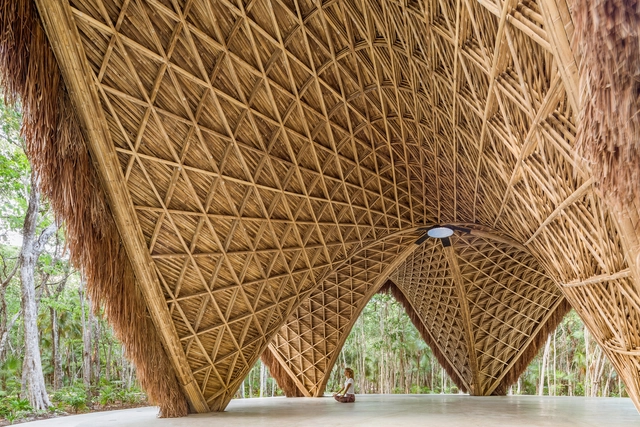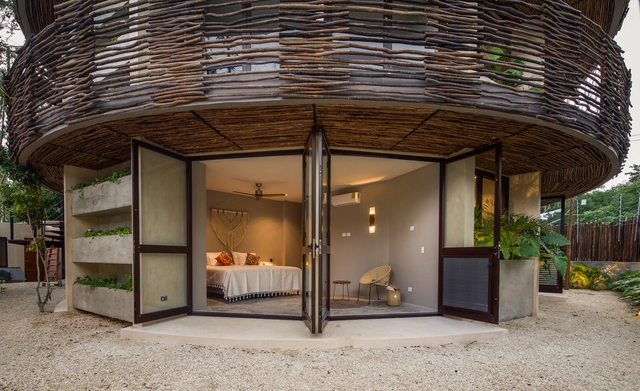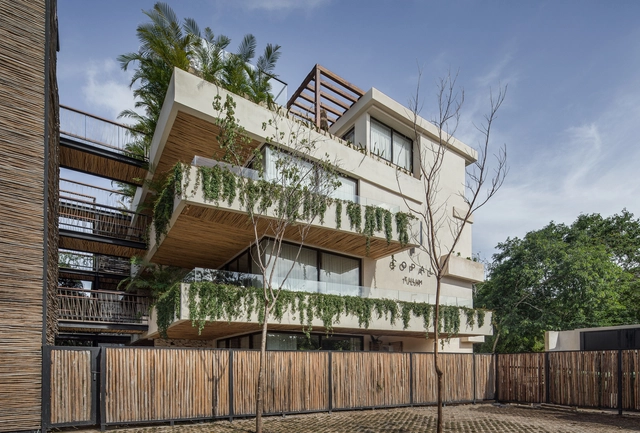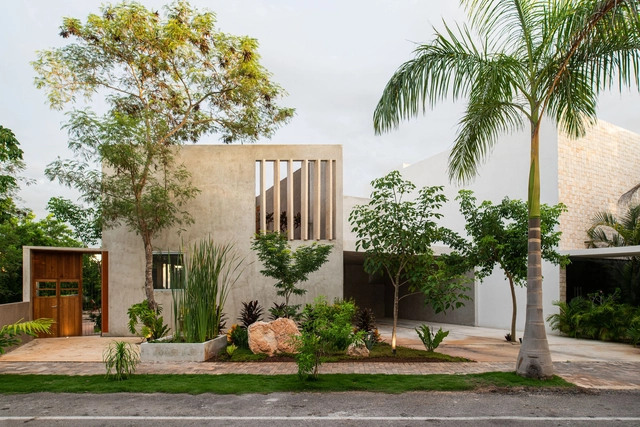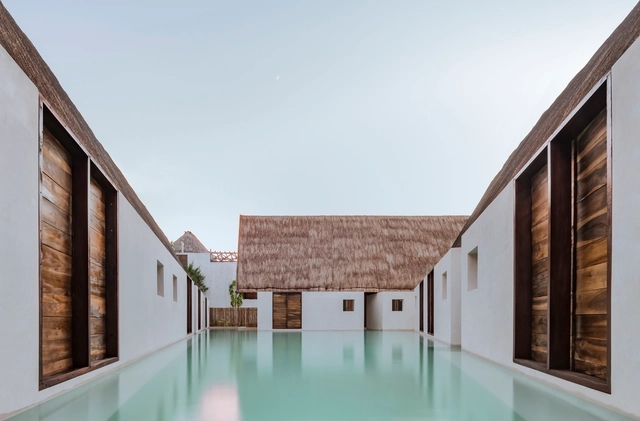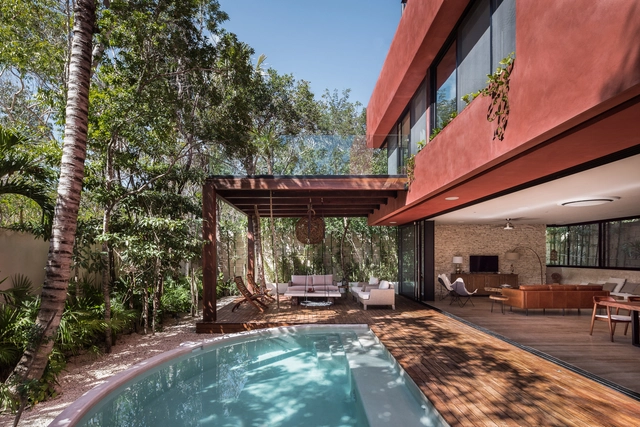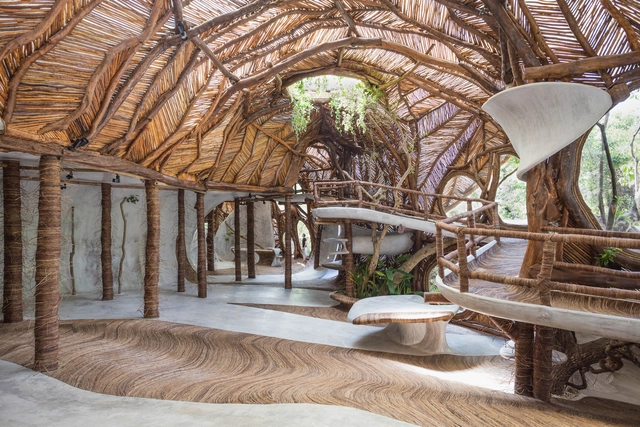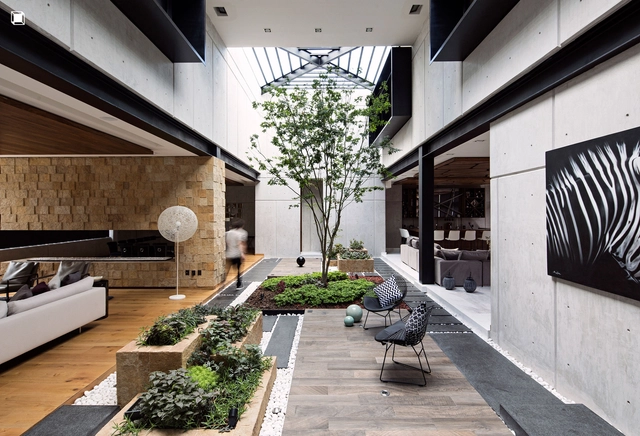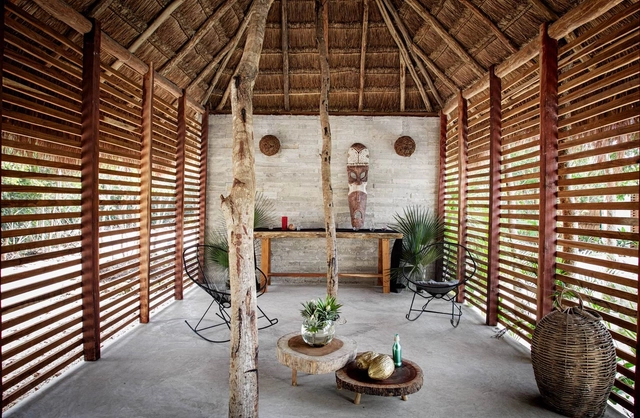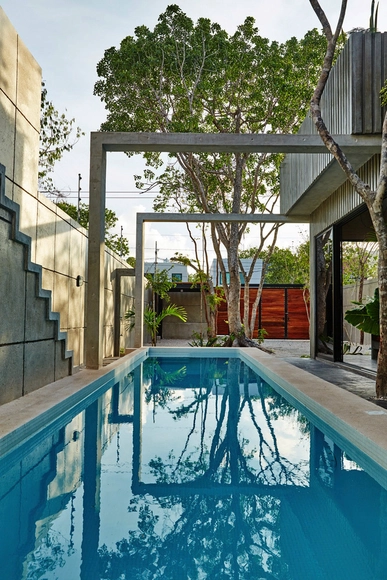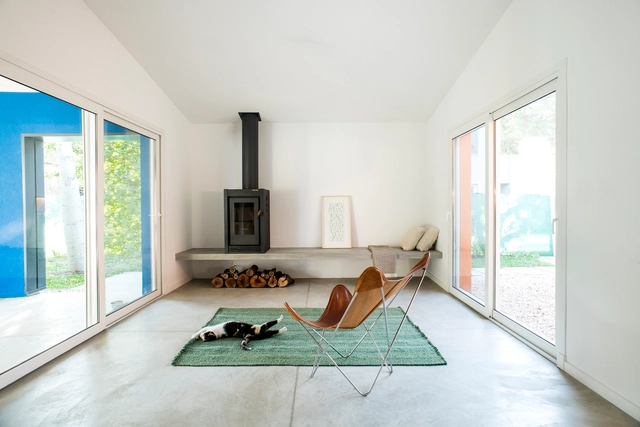
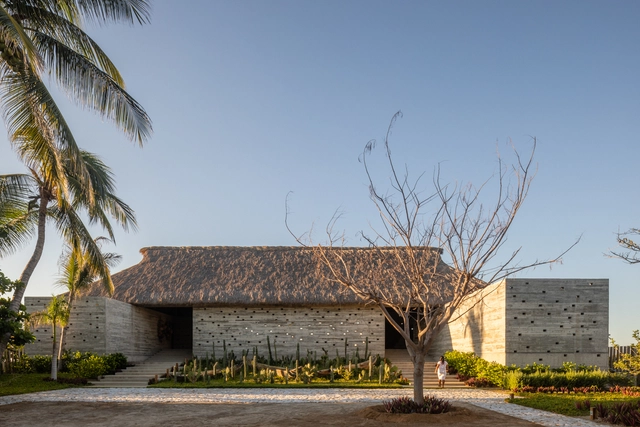
Mukul Tulum Apartments / Studio Arquitectos
Interior Design: The Use of Rugs and Tapestries in Latin American Domestic Living

Originating as protection against low temperatures around 3,500 years ago, carpets and rugs have, over time, evolved into a true art form, reaching a high level of specialization by the 16th century. Rugs, carpets, and tapestries of various shapes, colors, textures, and patterns are integrated into different areas of the home to meet users' needs and enhance spatial comfort, sometimes extending far beyond their original purpose.
Mexican Interiors: 16 Bedrooms with Terraces
.jpg?1658430879&format=webp&width=640&height=580)
Over the years, interior design has evolved according to the needs that arise, but above all according to the experiences it seeks to evoke in the user. In the last two years we have witnessed a radical change and a special interest in this subject because the pandemic forced us to pay specific attention to the configuration of the places we inhabit. This brought about much more holistic designs that seek to address the wellbeing of the user, combining colours, sensory experiences, technology and natural elements that promote health.
Palm and Straw Roofs: Examples in Mexico That Explore Their Possibilities

Architecture in Mexico has a vast history that is made up of various aspects that touch astrological, political, spiritual and economic issues. Although today there are only ruins of some of the most important pre-Hispanic complexes, thanks to the in-depth research that has been carried out, we can have some representations of what those buildings that laid the foundations of what makes us today were like. In these representations, it is possible to notice the presence of natural materials that were a response to their environment such as basalt stone, stucco and some vegetable paintings whose remains persist to this day.
Architecture in Mexico: Projects that Highlight the Quintana Roo Territory

There are several reasons why Quintana Roo —a state located in the southeastern region of Mexico— has an important cultural wealth. One of them is because of world-class tourism which has led it to have one of the eight international airports in Mexico in addition to being praised by the World Tourism Organization.
Architecture in Mexico: Projects that Highlight the Hidalgo Territory

Hidalgo is a landlocked state to the north of Mexico City and bordered by the states of San Luis Potosí, Veracruz, Puebla, Tlaxcala, Mexico, and Querétaro. It's territory spans 20,821 km² and it's the sixth smallest state in the country. It's capital and most populous city is Pachuca de Soto. Hidalgo's diverse cultural wealth comes from the various indigenous groups that call the state home, such as the Otomíes, the Nahuas, and the Tepehuas. Hidalgo's cultural heritage centers on the cuisine, the Fiesta de Toros, Huapango and Bandas de Viento music, the Charreria rodeo, and the Xantolo celebration.
Architecture in Mexico: Projects to Understand the Territory of Tulum

Tulum is a region located in southeastern Mexico, within the geographic boundaries of the state of Quintana Roo. Situated along the Caribbean coast, it forms part of the Riviera Maya. Historically, Tulum was a walled city, which is the origin of its name—meaning "wall" in Mayan, a term coined when the settlement was already in ruins.
Copal Tulum Building / Studio Arquitectos

-
Architects: Studio Arquitectos
- Area: 8934 m²
- Year: 2019
-
Manufacturers: Chukum, Cocinas Palma
Architecture in Mexico: Exploring Houses to Understand the Territory of Mérida

The city of Merida –capital of the Yucatan state in Mexico– is a region that has experienced a rise in architectural development in recent years due to the emerging talent that has made a name for itself with national awards and biennial proposals throughout the country. Due to Merida's tropical climate, the architecture on this site corresponds to specific geographical conditions that make it one of the most visited destinations in the world.
Architecture in Mexico: Residential, Hospitality, Cultural, and Public Space Projects with Pools

One of the most important factors in design is the site's specific climate. This can pose a challenge in extreme weather, where insulating materials are required to adapt to changing conditions. However, in the case of Mexico and its privileged climate, this factor works to the architects' advantage, allowing them to create microclimates and spaces that blur the transition between indoors and outdoors.
Amaranto Tulum House / Studio Arquitectos
16 Mexican Projects That Use Wood in Wondrous Ways

Wood has been an indispensable material in the history of civilization. Different regions from around the world have used it for specific climatic conditions. Mexico, as we have mentioned on several occasions, is an extensive country where different climates, resources and ways of life fit. Therefore the application of wood in architecture has been developed in a number of ways, from its structural use to produce roofs for Mayan huts to projects that seek to revive vernacular architecture.
While the handling of this material is difficult due to its specific detail management, it presents a multitude of benefits from its aesthetic appeal, air circulation, and even smell. Take a look at 16 Mexican projects that use wood in wondrous ways.


.jpg?1635893302)