

-
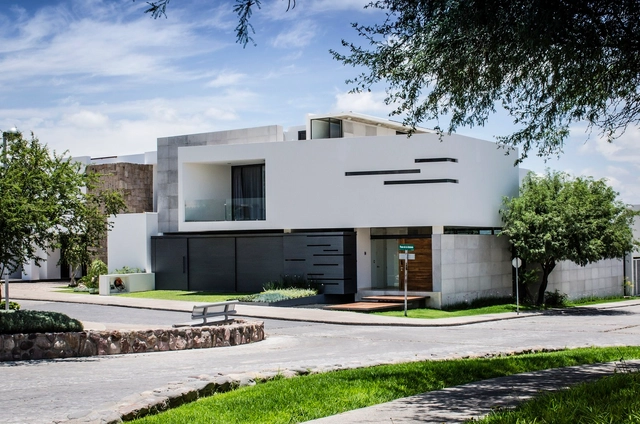
Architects: Arkylab
- Year: 2014
-
Manufacturers: Construlita, Helvex, Interceramic, VALVO, Schneider Electric, +2


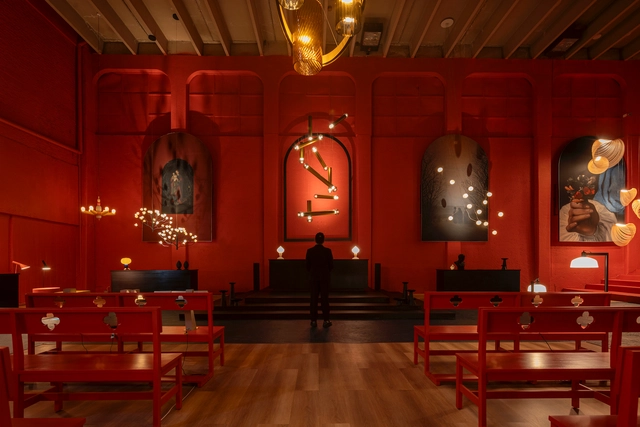
Yesterday, November 8, as it does every year, Diez Company presented the fifth edition of the Maison Diez Company project to both Mexican and international audiences. This space, dedicated to lighting design, brings together designers, creatives, architects, interior designers, business partners, lighting experts, and international brand representatives to celebrate light. Following the success of its previous annual editions since 2018, Maison Diez Company is showcasing its latest offerings in a historic mansion in the San Miguel Chapultepec neighborhood.
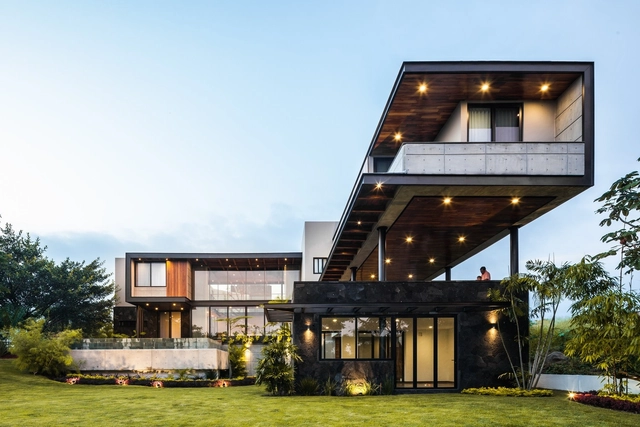
There are several reasons why Colima is a Mexican state of relevant cultural wealth, one of them is due to its climate and orography where beaches such as Manzanillo and the Colima volcano are sheltered, facilitating tourism in this region. Moreover, the rich pre-Hispanic history signed on archaeological sites such as "El Chanal", "La Campana" and "Meseta de la Hierbabuena", as well as some important haciendas (farms) such as the Hacienda de Nogueras, Hacienda del Carmen and Hacienda San Antonio.
The transition of human settlements from a nomadic to a settled lifestyle transformed the conception of dwellings, extending beyond their primary use as shelter. Over time, each housing typology that developed around the world acquired unique characteristics that defined its identity and materiality, shaped by the culture and geographic region where it emerged.
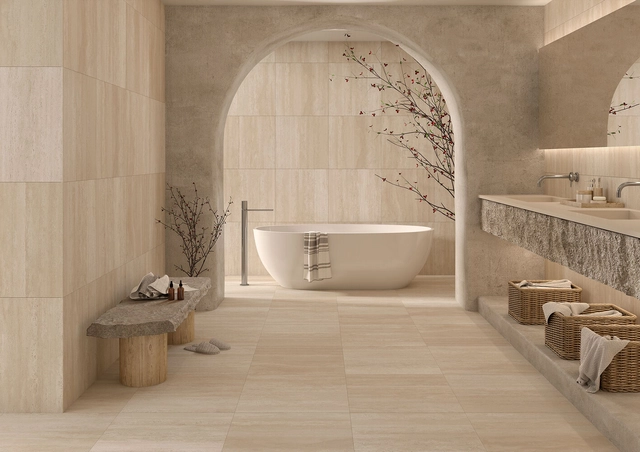
In North America, the ancient city of Tenochtitlan was a benchmark for the technological and construction advancements of its time, distinguished by the use of native materials, such as earthen/stone floors, adobe walls, and local wood/cane posts. Over time, dwellings in Mexico have managed to preserve their identity while incorporating high-quality materials. The development of new technologies and the sophistication of the manufacturing process for architectural materials led to the rise of porcelain tiles, such as those developed by Firenze, which became a valuable resource due to their versatile aesthetics, high strength, and durability.
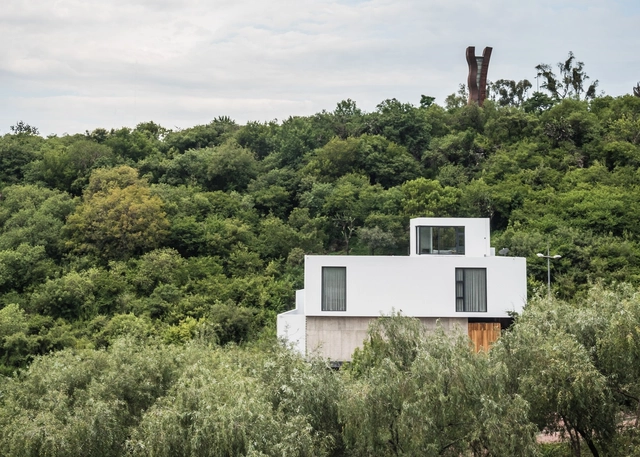
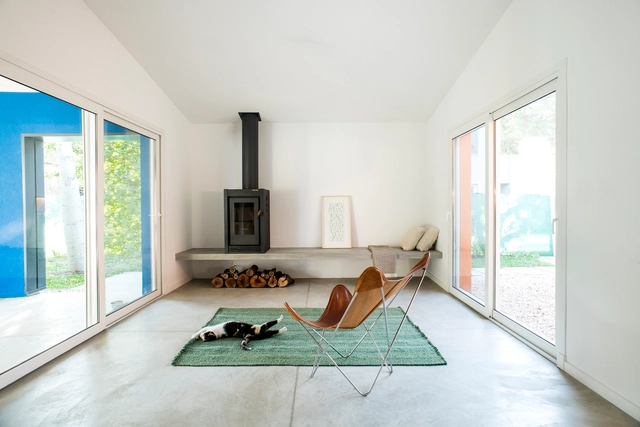
Originating as protection against low temperatures around 3,500 years ago, carpets and rugs have, over time, evolved into a true art form, reaching a high level of specialization by the 16th century. Rugs, carpets, and tapestries of various shapes, colors, textures, and patterns are integrated into different areas of the home to meet users' needs and enhance spatial comfort, sometimes extending far beyond their original purpose.

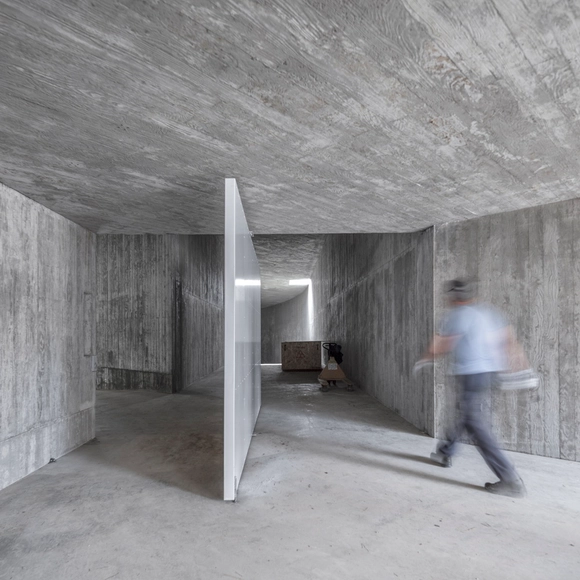
Concrete and sustainability are two words that are often considered incompatible. Used as early as the Roman era, concrete has shaped much of our built environment, being the most widely used manufactured material in the planet thanks to its resistance, versatility, cost-effectiveness, and accessibility, among other inherent benefits. Its popular use in buildings and infrastructure forms the foundations of cities, connects communities, and will continue to play a vital role in providing solutions to the challenges of the future – especially as cities must respond to a growing global population. But with cement as its key ingredient, it also comes with several environmental costs, being responsible for at least 8% of the world’s carbon emissions in a climate-change context. However, it doesn’t necessarily have to be that way. With the rise of innovative technologies and products, there are many ways to make concrete greener.
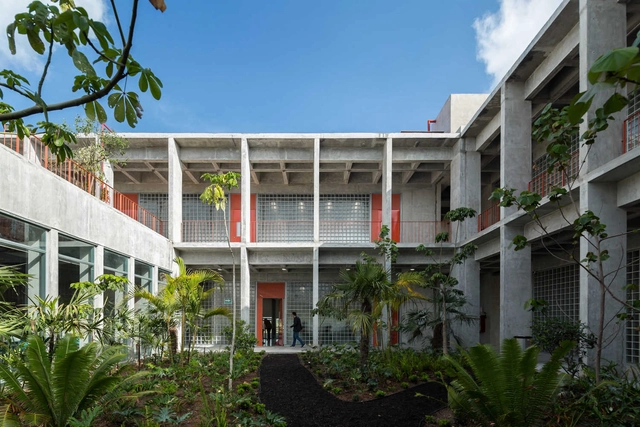
Aguascalientes is a small state in the heart of Mexico, located 480 km northeast of Mexico City and nestled between the states of Zacatecas and Jalisco. With just 5618 km² of territory, it is Mexico's third smallest state. It's capital and most populated city is Aguascalientes, or "hot waters" in English, is named for the numerous hot springs found throughout the area.











.jpg?1623351121&format=webp&width=230&height=230&crop=true)


