

-
Architects: Landa Suberville
- Area: 587 m²
- Year: 2019
-
Manufacturers: Acabados Zetina, Briodesign, Cristalum, Fratresa, Oliver


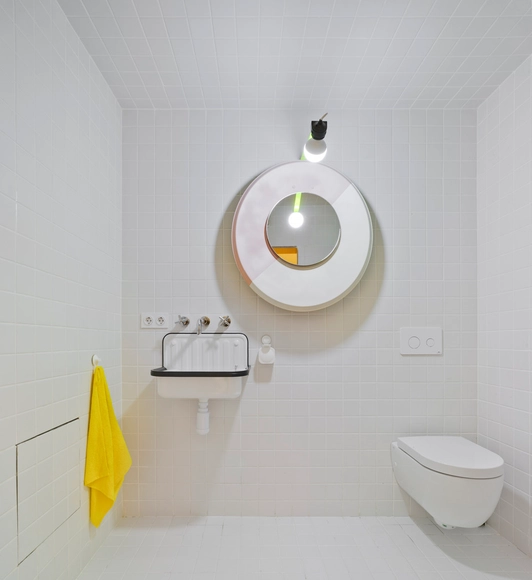
Square, rectangular, hexagonal, matte, shiny. It's hard to think of a more versatile flooring material than tiles. They're also known for their high durability, ease of maintenance and installation, and are among the most common choices for covering floors and walls, whether wet or not. Following are 10 common questions about ceramic tiles, and their answers:

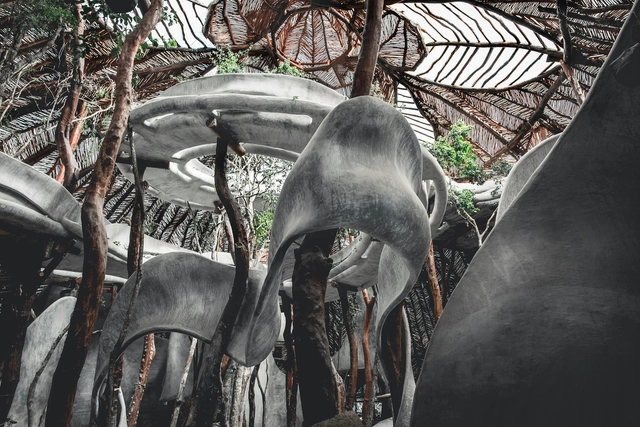
Concrete, a material commonly used in the construction industry, is made of a binder combined with aggregates (or gravels), water, and certain additives. Its origins reach back as far as Ancient Egypt, when the construction of large structures created the need for a new kind of material: one which was liquid, featured properties of natural stones, could be molded, and communicated a sense of nobility and grandeur.
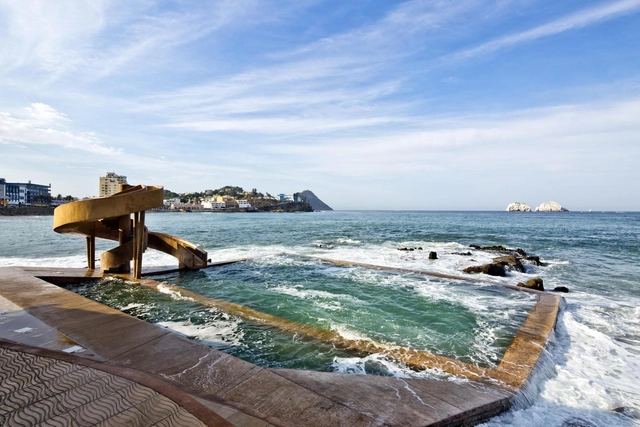
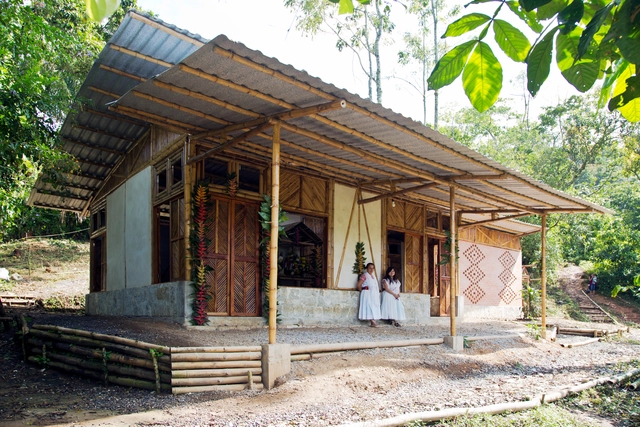
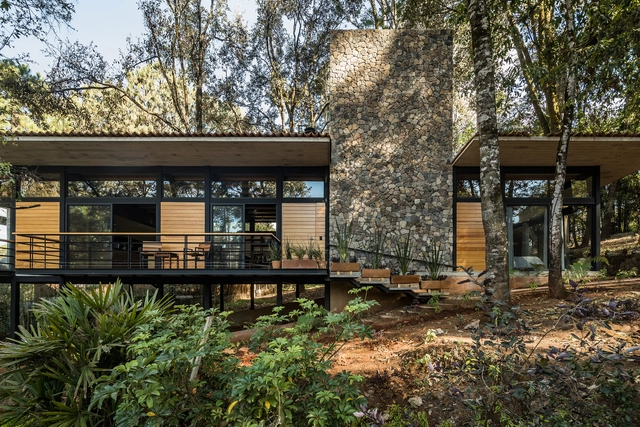
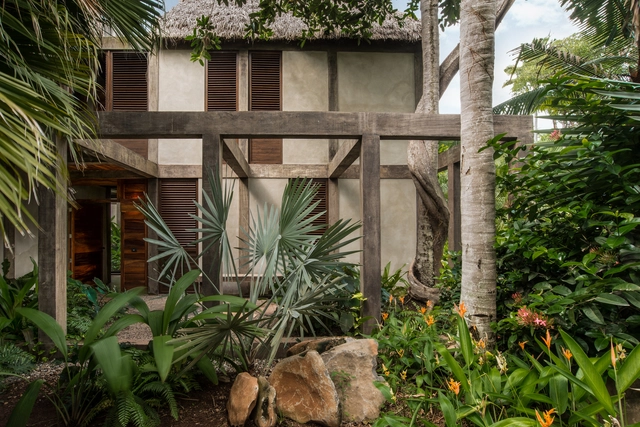

As we have seen throughout the history of architecture, ephemeral installations and pavilions are important tools for talking about specific moments in architecture in an almost immediate way. While it is true some pavilions have been so relevant that they broke with their ephemeral quality to become permanent, such as the German Pavilion in Barcelona, designed by Ludwig Mies van der Rohe and Lilly Reich, most are documented in photographs, plans and experiences to be rewritten in future projects.
It is expected that within the next couple of decades, Earth will have absolutely nothing left to offer whoever/whatever is capable of surviving on it. Although the human race is solely responsible for the damages done to the planet, a thin silver lining can still be seen if radical changes were to be done to the way we live on Earth and how we sustain it.
Since architects and designers carry a responsibility of building a substantial future, we have put together an A-Z list of every sustainability term that you might come across. Every week, a new set of letters will be published, helping you stay well-rounded on everything related to sustainable architecture and design. Here are the terms that start with letters A, B, and C.

Urban design is a branch of design intimately related to urban planning and landscape architecture; it focuses broadly on interpreting the form and public space with physical-aesthetic-functional criteria. Different experts in the field such as Jane Jacobs, Denise Scott Brown, Robert Venturi, Jaime Lerner, Jan Gehl, Kevin Lynch have devoted themselves to studying the needs of urban societies within the common spaces to give adequate responses to different contexts. These questions are renewed with new generations and the public space is transformed according to technological advances but what always remains is the sense of belonging of these sites that are only successful when users adopt them as own.

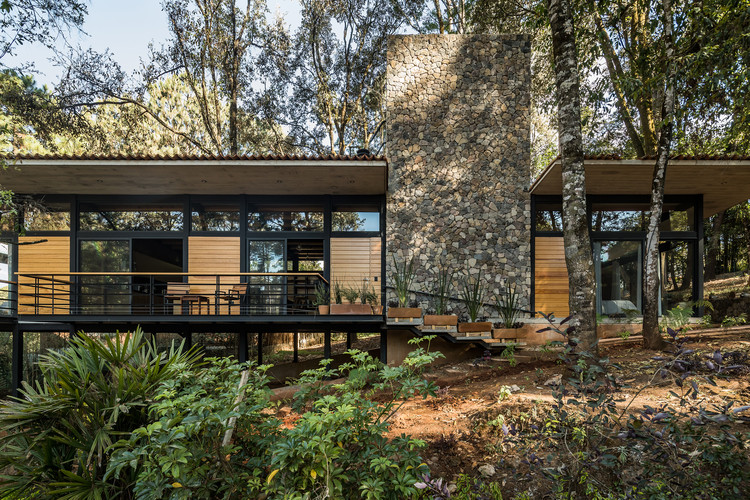
One of the most important factors when designing is the specific climate of the site, this can represent a difficulty when dealing with extreme climates and it is necessary to use insulating materials that adapt to changing conditions. However, when talking about Mexico and its privileged climate, this becomes an advantage for architects, allowing the creation of microclimates and spaces that fade into the transition of what is the inside and the outside.
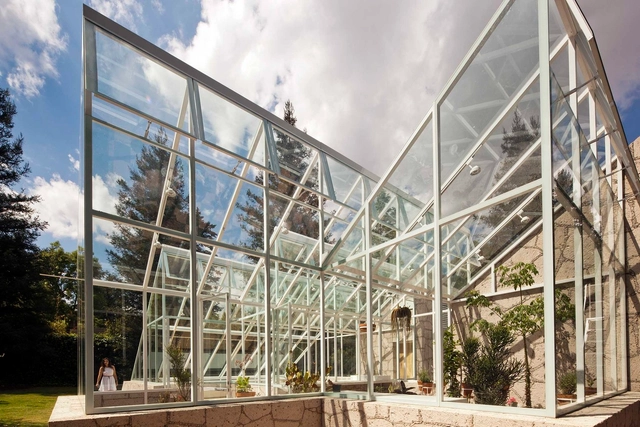
Although the sun is almost 150 million kilometers away, this star has had the most impact on our planet. But while some are busy chasing the sun for sun-kissed skin, architects are all about creating sun-kissed spaces.
By definition, “passive solar energy is the collection and distribution of energy obtained by the sun using natural means”. The simple concept and process of implementing passive solar energy systems have provided buildings with heat, lighting, mechanical power, and electricity in the most environmentally-conscious way possible.
In this article, we will provide you with a complete guide of implementing passive solar systems in your designs.