-
Architects: wiercinski-studio
- Area: 300 m²
- Year: 2024
-
Manufacturers: Zangra


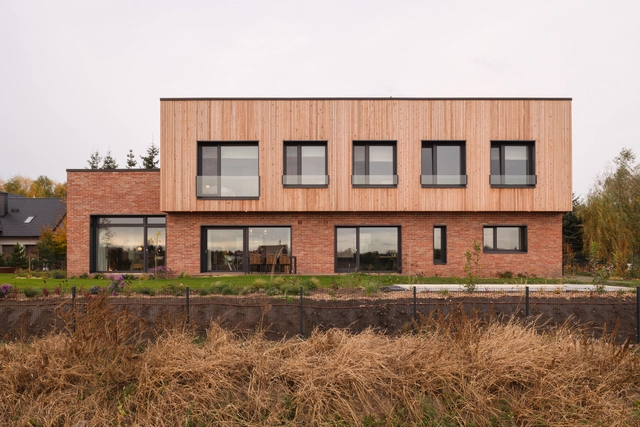
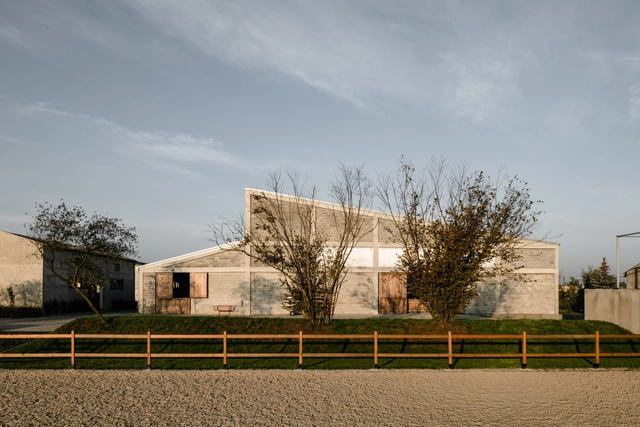
Few commissions allow architects to focus on non-human users, and fewer still involve horses. While domestic pets like cats and dogs are common muses, the particular needs of horses present a unique challenge when designing stables. Since the horses, who are the stable's primary inhabitants, cannot articulate their needs, design relies on the rigorous requirements dictated by human caretakers, requiring a balance between streamlined human operations and maximized horse comfort and safety. Architects often seem to address this through three core principles: Equine Comfort & Well-being, Contextual Materiality, and Operational Efficiency. Thus, the resulting layouts are characterized by rigorous zoning that clearly separates the programs into residential (stalls), service (tack, storage, wash, feed), and training spaces (arenas, walkers). The designs also address visual well-being: Horses are social animals, so they strategically position stables to promote sightlines between animals and to the exterior, often employing louvered or open-frame systems. Furthermore, lighting is kept diffuse using materials such as translucent panels to prevent sharp, stress-inducing shadows in arenas. Similarly, circulation paths are designed for the safe, efficient movement of both people and animals.



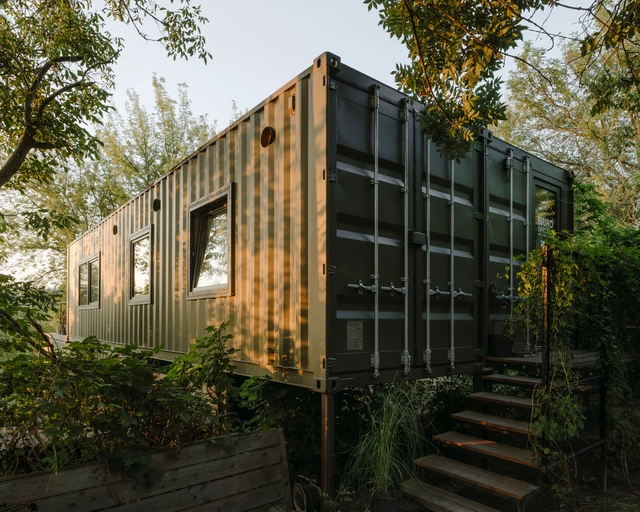
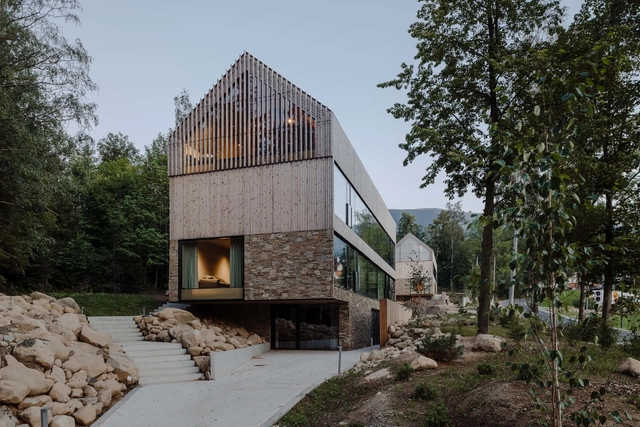
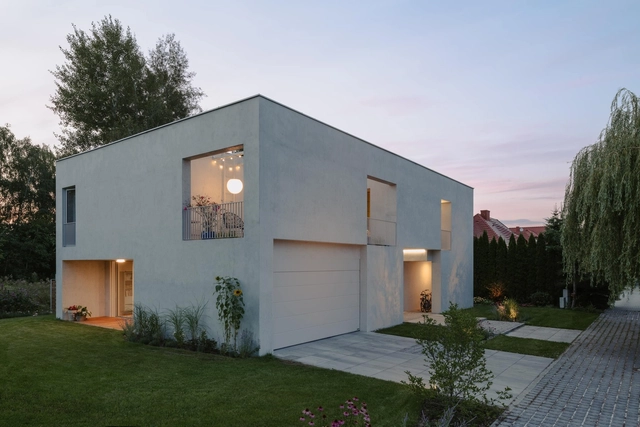
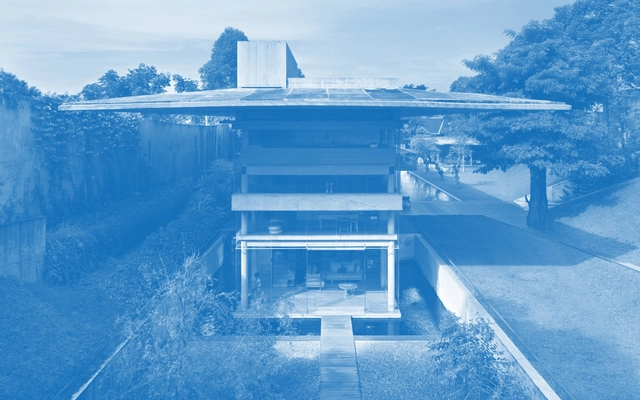
With the major happenings of the past year, our built environment and people’s needs within it seemed to change. Different ways of Architectural thinking and design solutions were put forth, showing how global events are capable of pushing the limits of the profession, increasing our responsibility, and also our opportunities to contribute to a better quality of life in every possible way. At ArchDaily, we have continued to connect with architects and designers from all over the globe and have shared diverse works, all displaying relevant implementations and architectural solutions that have an impact on our community.
In response to the published works, we have experienced different reader behaviors that indicate how architectural production can actually have an impact on designers and non-designers all over the world. This led us to create ArchDaily’s Annual Architecture Report which analyzes the most popular trends and topics in the architecture world over the past year, in an effort to understand, discuss and forecast the trends for 2021.
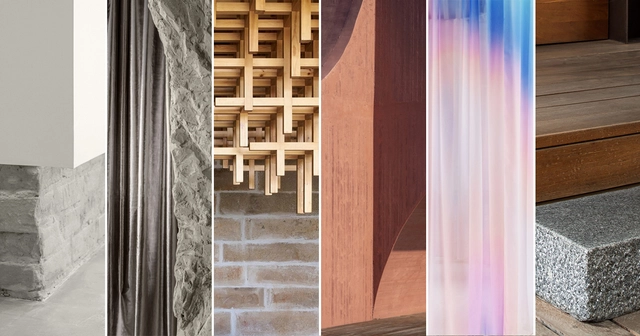
It is difficult to start any retrospective text on 2020 without sounding too cliché. While facing an invisible enemy that changed everyone’s lives, this past year has taught us that humanity is more fragile than we ever imagined. At Archdaily, it’s our job to synthesize how the buildings and the world we live in will be impacted by COVID-19 not only in the short term but in the distant future as well. Has our perception of the built environment changed this year? And has our relationship with the tectonics of buildings changed with all of the obstacles we’ve faced along the way?
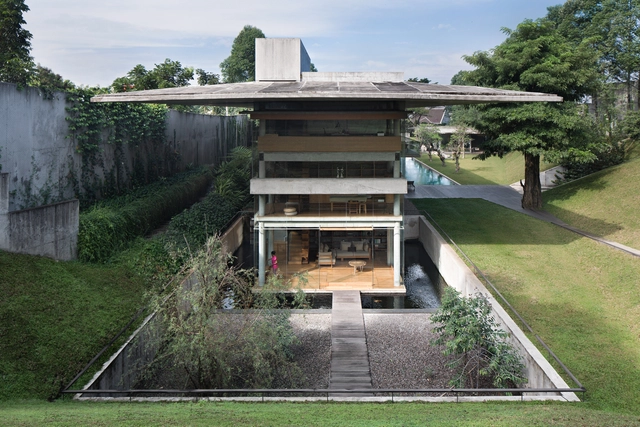
On behalf of the entire ArchDaily team, we would like to thank you for your continued support and for making 2020 our best year so far! We are now reaching more architects around the world and inspiring them in the creation of better built environments. With more than 5500 different projects published during the year, our curators are excited to share this collection of the 100 most visited projects of 2020. This selection represents the best content created and shared by the ArchDaily community over the past 11 months.