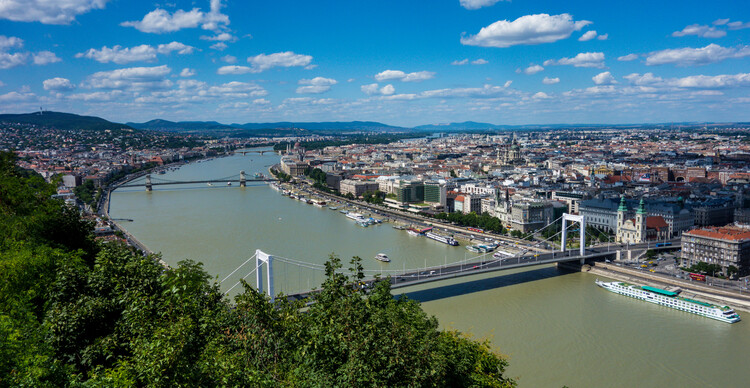
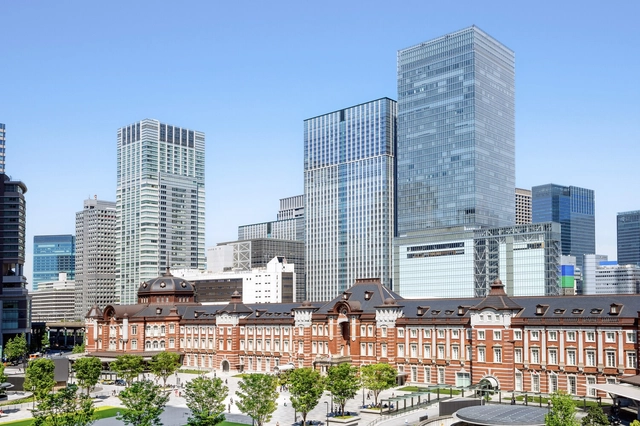
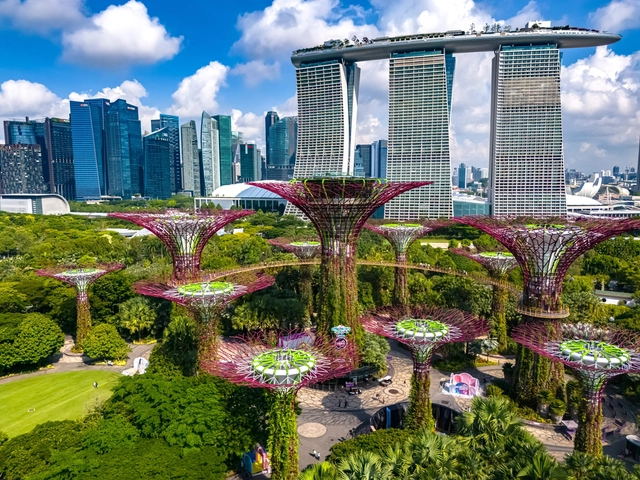
When Buda and Pest joined in 1873, the two parts formed a capital whose identity has since been tied to this balance between geography and urban order. From the riverbanks and thermal baths to imperial monuments and infrastructural works, Budapest's architecture carries the traces of these overlapping histories.
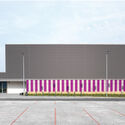
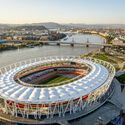
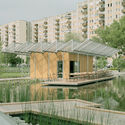
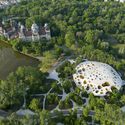
That layered condition continues to shape Hungary's capital today. Alongside its historic fabric, Budapest has seen a steady accumulation of contemporary projects, from cultural institutions in City Park to new educational buildings, sports facilities, adaptive reuse works, and large-scale developments along the Danube. Often working through inherited structures rather than apart from them, these projects add new layers to a city shaped as much by continuity as by change.
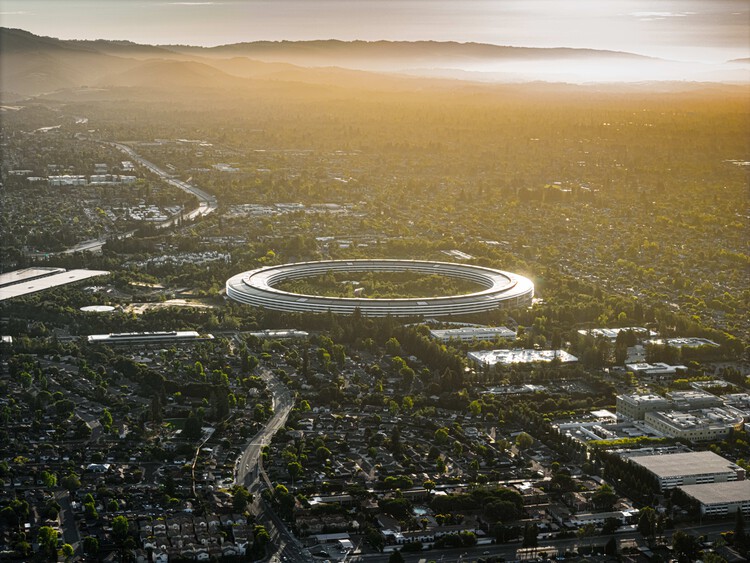
In 2026, Apple marked fifty years since its founding. Over the past two decades, Apple has developed a consistent architectural language that extends its brand into the built environment, transforming stores, workplaces, and public-facing spaces into active components of its identity. These environments guide movement, frame interaction, and condition the ways in which users encounter both products and the company itself.
From the handheld device to the urban interior, Apple has sought to maintain a high degree of control over form, material, and experience. Architecture becomes part of this system when the company begins to define how it is perceived and engaged with in physical space. Research on retail environments has shown how spatial layout, visibility, and circulation patterns can shape behavior and interaction, turning architecture into an interface between brand and user.
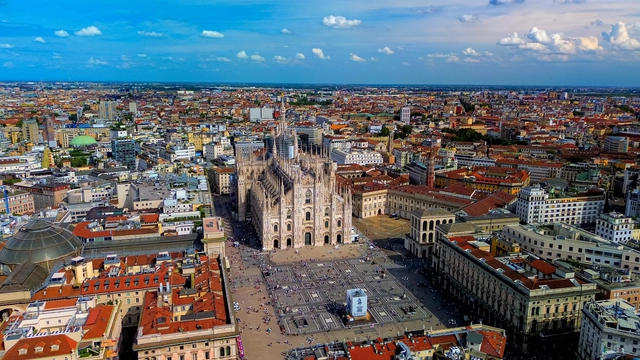
Milan, a global hub of fashion and finance, increasingly asserts itself as a leading center for architecture and design. Its status as Italy's second-largest city underpins its vibrant cultural scene, attracting both established and emerging creative talent. Additionally, Milan is home to esteemed educational institutions recognized for their focus on heritage preservation and conservation. Its cultural and design significance is increasingly pronounced, as a growing number of creators are relocating to establish their presence in this vibrant creative hub.
Among Milan's most iconic landmarks are the flamboyant Gothic Duomo di Milano, the historically and artistically significant Santa Maria delle Grazie, and the ornate Galleria Vittorio Emanuele II, along with numerous Renaissance and Baroque sites. The city also boasts some of the most innovative modern and contemporary architecture, showcasing a unique dialogue between tradition and modernity. This synergy is exemplified by the contributions of architects like Aldo Rossi,Gio Ponti,Stefano Boeri, Mario Cucinella, Zaha Hadid, Grafton Architects, Herzog & de Meuron, and Foster and Partners.
The following guide highlights key historical landmarks alongside exemplary contemporary architecture curated by ArchDaily. This guide serves as an indispensable resource for those planning to explore Milan during the 2026 Design Week, presenting a blend of essential sites designed by renowned local and international architects.
Two weeks and over 85,000 nominations later, the finalists of this year's Building of the Year Awards are in. The selection is much like the ArchDaily audience that chose it: diverse in geography, generous in ideas, and precise in intent. With projects from 46 countries, in a variety of typologies and scales, they present a beautiful snapshot of the current architectural moment.
We invite you to sit back, browse, and vote for your ultimate favorites. Below, you will find all of the 75 finalists in their respective categories. Voting is open until February 18th at 18:00 EST. Thank you—your participation is key to making this the world's largest community-driven architecture award.
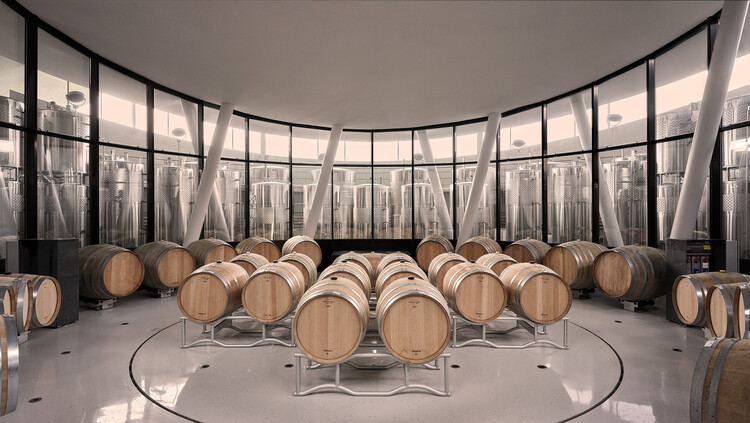
Wine production has long been tied to place, climate, and culture, and in recent decades, architecture has become a central part of this relationship. Wineries are no longer understood only as functional facilities for fermentation, storage, and distribution, but also as spaces where landscape, materiality, and visitor experience intersect. From subterranean cellars hidden beneath fields to sculptural landmarks rising in rural territories, these buildings shape the identity of winemaking regions while offering visitors a carefully choreographed encounter with the process of production.
At the intersection of agriculture, tourism, and culture, wineries present architects with unique opportunities to merge technical requirements with a spatial narrative. They must respond to environmental conditions, manage temperature and humidity with precision, and integrate with delicate ecosystems, while also providing spaces for tasting, gathering, and celebration. As a result, the typology has given rise to a wide range of architectural solutions. Some are rooted in tradition and local craft, others are exploring advanced technologies and contemporary forms.
For decades, technological evolution was driven by the exponential growth in computer processing power—a trend famously predicted by Moore’s Law. From rudimentary mechanical devices to highly sophisticated microprocessors, this trajectory fueled the miniaturization and popularization of personal computers, laptops, and smartphones. Now, with the advent of quantum computing, a new leap is on the horizon. Unlike classical bits, which represent only one value at a time—either 0 or 1—qubits can simultaneously represent a combination of both states. This means that while a traditional computer tests one possibility at a time, a quantum computer can explore many at once, dramatically accelerating the resolution of complex problems. Molecular simulations, logistical optimizations, and advances in cryptography are just a few of the areas transformed by this new frontier.
In the construction industry—a sector historically resistant to abrupt changes—the evolution of materials also has its breakthrough moments. From carved stone to reinforced concrete, from raw timber to high-performance composites, each new material has expanded the structural, aesthetic, and functional boundaries of architecture. In recent years, however, researchers have been testing a new generation of materials that transcend the traditional idea of passivity. These are intelligent materials, capable of sensing, reacting to, and even interacting with their environment and users, challenging the very concept of inert matter.
Air rights transactions have become essential in urban development, allowing cities to grow vertically while preserving limited land resources. Typically defined as the right to use or sell the space above a property, air rights enable property owners to transfer unused floor area ratio (FAR) to neighboring parcels, creating increased density and financial gain opportunities. However, the definition can vary based on locality and region, as each country interprets air rights and the ability to build or transfer them differently. As urban centers face mounting pressures from limited land supply and population growth, air rights continue to offer a creative solution that fosters architectural innovation and economic efficiency.
With expanding urban populations and evolving consumption patterns, cities are faced with challenges pertaining to waste management. Traditional approaches centered on collection and disposal currently seem inadequate in the face of serious environmental concerns and resource scarcity. Waste management has become a focused topic to address, being introduced as a key strategy towards circular economies. The Zero Waste concept hopes to transform the way cities manage urban waste and build supportive cultures around it.
The relationship between architecture and naval design has been a fascinating interplay of form and function that has evolved significantly. Both disciplines have a shared history of innovation, aesthetics, and functionality that have informed and inspired each other. This "love affair" has seen architects drawing inspiration from boats, particularly in the modernist era when ships' streamlined, efficient designs influenced the aesthetic of buildings. Conversely, architectural principles have also been adapted to enhance the functionality and form of boats, demonstrating a reciprocal exchange that continues to shape both disciplines.
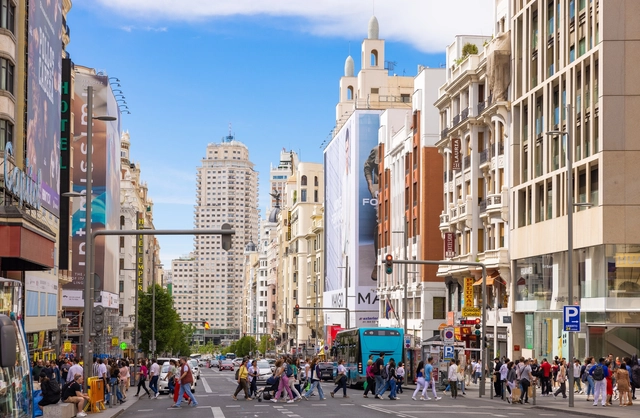
Madrid, the vibrant capital of Spain, offers a blend of tradition and modernity, reflected in its diverse architectural heritage. This rich past is etched into the old façades, expansive public spaces, and historic religious institutions that define much of Madrid’s character today. The city’s continuous architectural renewal, reflected in both respectful restorations and innovative new constructions, highlights Madrid’s commitment to preserving its heritage while embracing modernity.
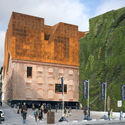
In the 20th century, Madrid embraced modernity, influenced by movements such as Rationalism, the International Style, and Brutalism. Today, Madrid is a showcase for contemporary design, where contemporary projects by renowned architects coexist with its historical legacy. Structures like the CaixaForum by Herzog & de Meuron and Jean Nouvel’s Reina Sofía Museum exemplify the city’s interest in architectural explorations
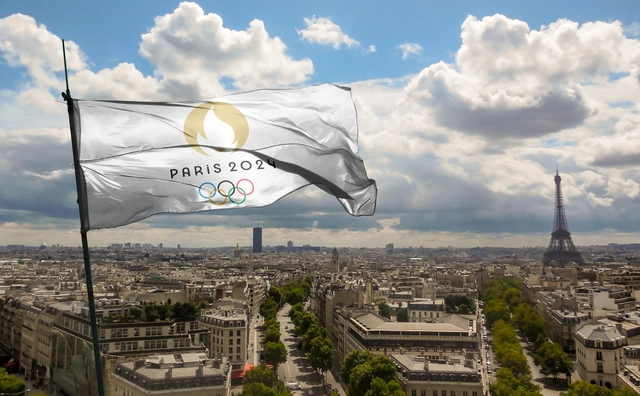
The 2024 Paris Olympics, officially known as the XXXIII Olympiad is scheduled to take place from 26 July to 11 August 2024. The second city to host the Summer Olympics three times, after London, with the first in 1900 and later on in 1924, Paris will showcase its cultural heritage by hosting the 2024 games at iconic landmarks like the Grand Palais, Eiffel Tower, Gardens of Versailles, and La Concorde. On the other hand, the capital of France is also undergoing major renovations to its waterways with a billion-dollar 'Swimming Plan' aimed at transforming the Seine River into a swimmable aquatic route for the Olympic Games, seeking to restore its historical significance as a vibrant urban river.
With the Paris 2024 Olympics fast approaching and right around the corner, ArchDaily has curated a series of articles and news pieces providing comprehensive insights into both the built and unbuilt environments that will serve as hosts for the games.
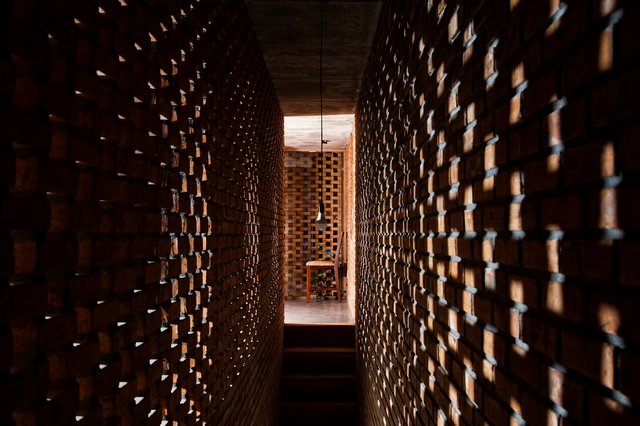
Although an architectural project comes to life with palpable materials, it is also defined by intangible qualities that give it richness, dynamism, and liveliness. Among them, the interplay of light and shadow can transform environments and affect their perception, determining the user's spatial experience. Besides providing natural ventilation, privacy, and thermal comfort, lattices allow this duality by filtering the entry of sunlight while projecting repetitive figures on the surface. In this way, perforated walls and ceilings can create multiple geometric patterns of light and shadow that become design elements capable of generating unique atmospheres.