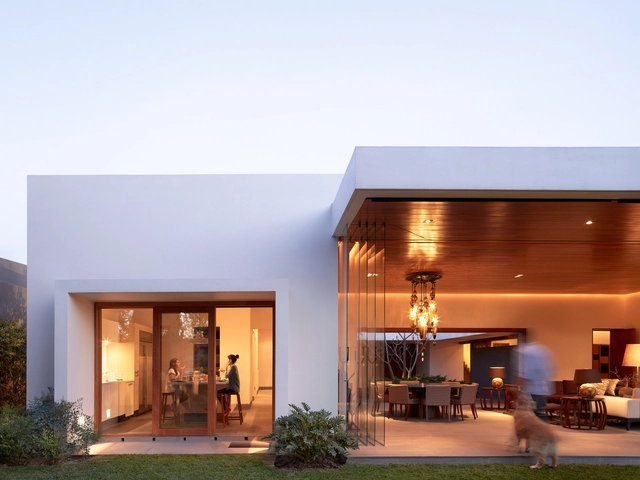
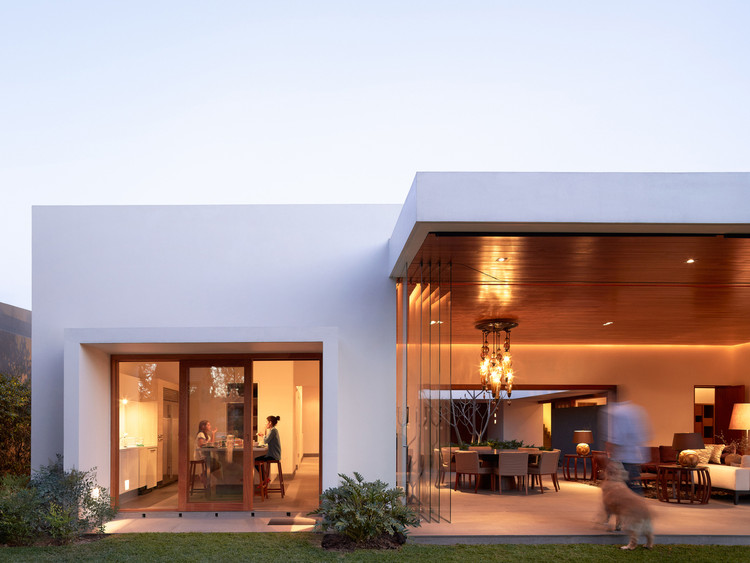
When the time comes to separate or close off spaces, it's important to keep in mind solutions that will adapt and cater to your project. In this step, it's important to define, not only the materials needed to complete the project, but how the final product will interact with the people who will use it. Some of the most highly recommended solutions are foldable, collapsable, stackable, or hanging mechanisms that allow interiors and exteriors to be integrated without completely losing their individual functions.
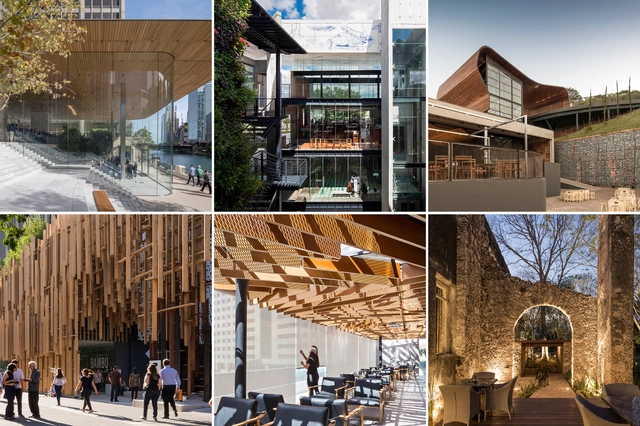
If you're looking for help or inspiration for this process, take a look at 6 projects that effectively utilize these versatile building systems.
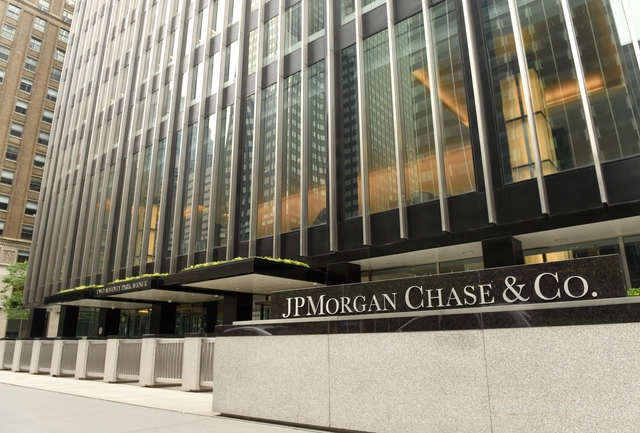
The new scheme will replace the existing Manhattan premises of the US investment bank and is expected to total 2.5 million square feet. The headquarters will house around 15,000 employees across 70 levels, replacing the original 52-story scheme designed by Skidmore Owings and Merrill in the 1960s.
https://www.archdaily.com/905321/foster-plus-partners-chosen-to-design-jp-morgan-chase-headquarters-in-new-york-cityNiall Patrick Walsh
This week we’ve selected the best chapels previously published on our site. They reveal different ways of designing a small and sacred space. For inspiration on how to create these atmospheres, integrate different materials, and make proper use of light, we present 32 remarkable examples.
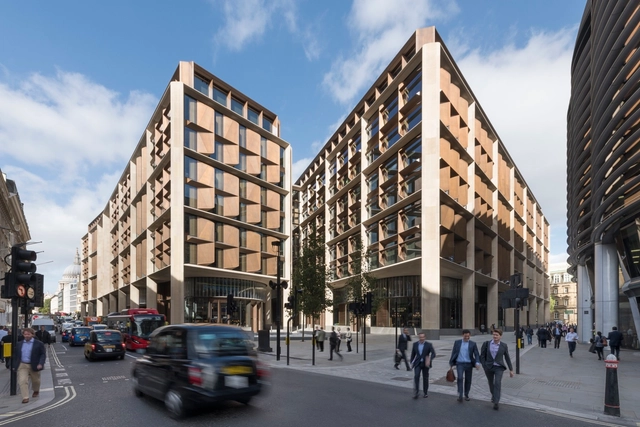
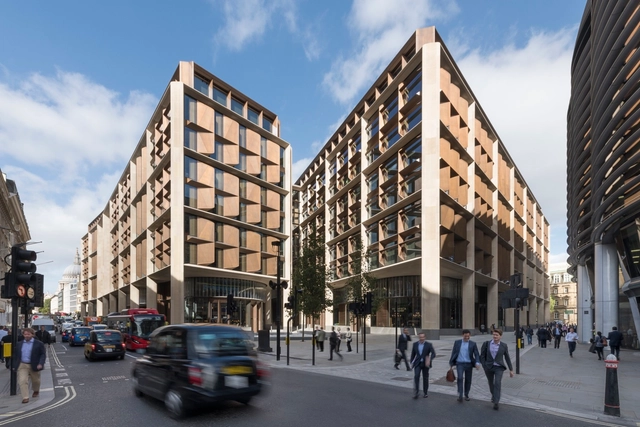
The Royal Institute of British Architects (RIBA) have announced Foster + Partner's Bloomberg HQ as the winner of the 2018 Stirling Prize. Seen as the UK's most prestigious architecture award, this award is given to the building " that has made the biggest contribution to the evolution of architecture in a given year." Selected from a list of six projects, the design highlights the collaboration between a civic-minded client and architect, as well as addressing the public realm.
Wine production is an industry that combines robust economic activity with an extensive cultural legacy. Although there are several programs related to the wine sector, we commonly find spaces dedicated to the process of fermenting grapes into wine. However, there are a variety of duties grouped around wine production that play an important role in boosting the industry, such as tasting rooms, education centers, sales rooms, or broadcast. Below, a selection of 27 inspiring projects of wine architecture.
The Royal Institute of British Architects (RIBA) has announced the shortlist of six projects competing for the 2018 Stirling Prize, the UK’s most prestigious award for architecture, given to the building “that has made the biggest contribution to the evolution of architecture in a given year.” Selected from the list of national award winners, the finalist buildings range from a highly-innovative new workplace in central London to a rammed-earth wall cemetery in Hertfordshire.
On April, the continental ceremony of the Prix Versailles 2018 took place in the International Center of Conférences d'Alger with the announcement of the selected projects in shops, shopping centers, hotels and restaurants for the "Africa and West Asia" and "Europe" regions.
The 24 new projects are now incorporated into the list of 46 continental winners -from Central America, the South and the Caribbean; North America; Central Asia and the Northeast; and South Asia and the Pacific regions- resulting in 70 projects that will compete in the 2018 Prix Versailles World Final at the UNESCO Headquarters.
Ten winning projects in Central America, the South and the Caribbean and twelve in North America are awarded in four categories: stores, shopping malls, hotels and restaurants. In May, built projects in Africa and Asia will be awarded in Algiers and Beijing. The European winners will be announced in Paris.
Check a gallery of the continental winners projects, below.
Continental Winners Central America, the South and the Caribbean:
With nearly 100,000 votes cast during the last two weeks, we are happy to present the winners of the 2018 ArchDaily Building of the Year Awards. This peer-based, crowdsourced architecture award showcases projects chosen by ArchDaily readers who filtered thousands of projects down to the 15 best works featured on ArchDaily in 2017.
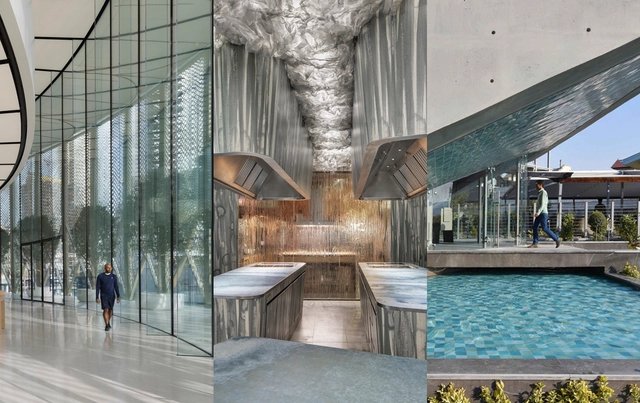
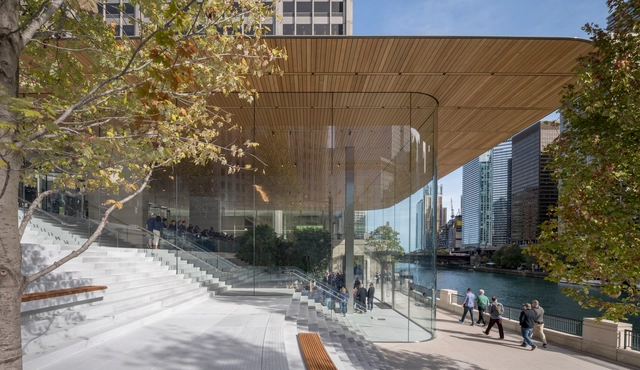
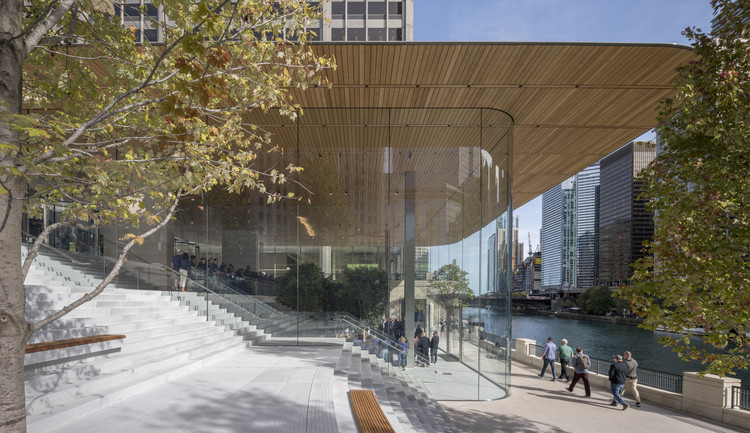
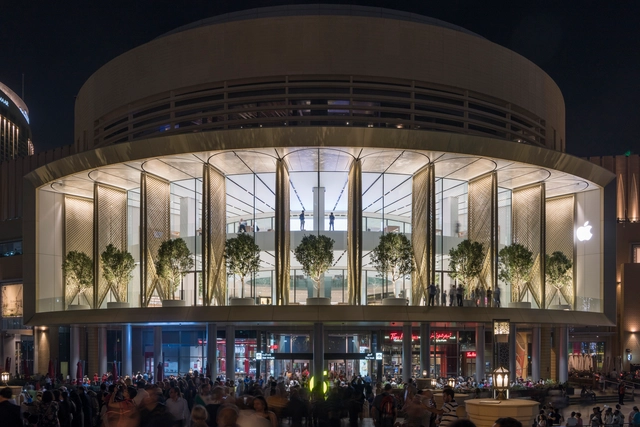
Yesterday, the Apple Store Dubai officially opened to the public, becoming the tech giant’s 494th retail store to debut since the opening of their very first brick-and-mortar store in 2001 in Fairfax County, Virginia. Since that first occasion, their stores have become synonymous with ground-breaking, transparent design, with Apple even receiving patents for their iconic flagship store and glass staircase designs.
With their newest stores, Apple has tried to build what they call a “modern-day town square,” where visitors come not just to shop, but to be inspired, learn and connect with others in an inviting community space.
To mark the Dubai store’s opening, we’ve rounded up 11 of the most iconic Apple stores from around the globe.





_James_Newton.jpg?1539114598&format=webp&width=230&height=230&crop=true)

_Nigel_YoungFoster___Partners.jpg?1539114234&format=webp&width=230&height=230&crop=true)




Lewis_Kahn.jpg?1532000068&format=webp&width=230&height=230&crop=true)


_Sarah_Blee.jpg?1530722704&format=webp&width=230&height=230&crop=true)
_Peter_Landers.jpg?1530722948&format=webp&width=230&height=230&crop=true)
_Jack_Hobhouse.jpg?1530722837&format=webp&width=230&height=230&crop=true)
_Keith_Barnes.jpg?1530723141&format=webp&width=230&height=230&crop=true)










_Nigel_Young-_Foster___Partners_2278_FP596851_indesign.jpg?1493322942&format=webp&width=230&height=230&crop=true)
_Nigel_Young-_Foster___Partners_Zorlu.jpg?1493340357&format=webp&width=230&height=230&crop=true)


