-
Architects: Luís Loureiro Arquiteto
- Area: 2700 m²
- Year: 2023
-
Manufacturers: Knauf

Architecture has traditionally been described as a discipline concerned with space, form, and material presence. Yet this understanding becomes increasingly limited when confronted with the conditions that shape contemporary construction. Buildings no longer emerge from a stable relationship between site, program, and material. Instead, they are produced within a dense web of technological systems that operate across territorial, ecological, and temporal scales. Energy networks, data infrastructures, extraction processes, and global logistics shape architecture as decisively as climate or urban context.
Seen from this angle, architecture is less a discrete object than a moment within a larger technical field. Supply chains, data systems, automated maintenance, and energy grids do not sit "behind" the built environment. In a certain way, they influence what can be built, what is affordable, how buildings perform over time, and what kinds of waste they produce. When architecture is assessed primarily through form, it risks overlooking the systems that condition its production and afterlife.
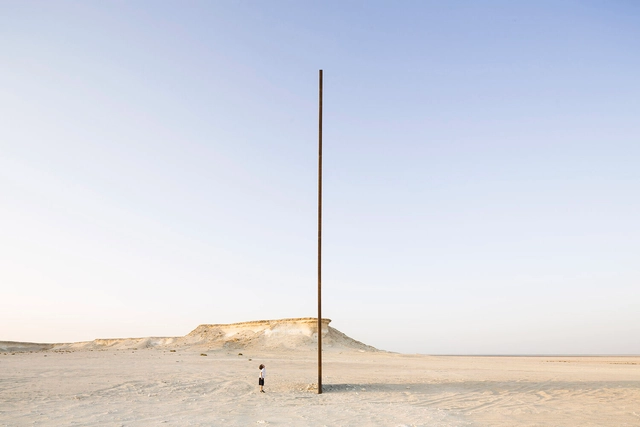
As the year comes to an end, we take a moment to honor the careers and contributions of celebrated architects, designers, and artists who passed away in 2024. These influential figures have left a lasting legacy in the built environment, prompting deeper thought about the role of their disciplines in society and their ability to evolve over time.
Whether through their work in academia, professional practice, or the arts, each of these individuals stood out for their dedication to advancing the fields of architecture, landscapes, design, materiality, and more. From Pritzker Prize-winning architect Fumihiko Maki to renowned sculptor Richard Serra, each showcased a unique vision and approach to design, leaving behind a wealth of knowledge to explore.
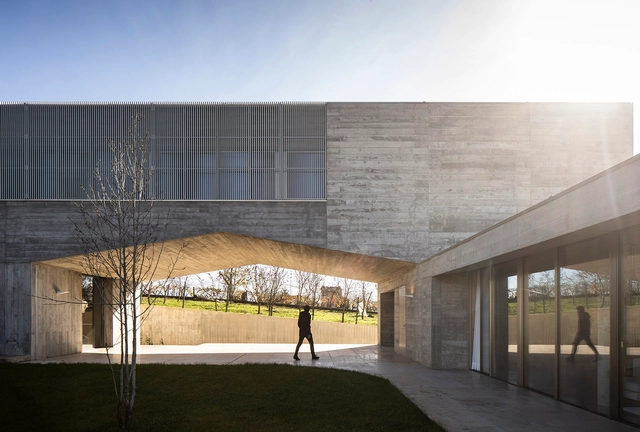
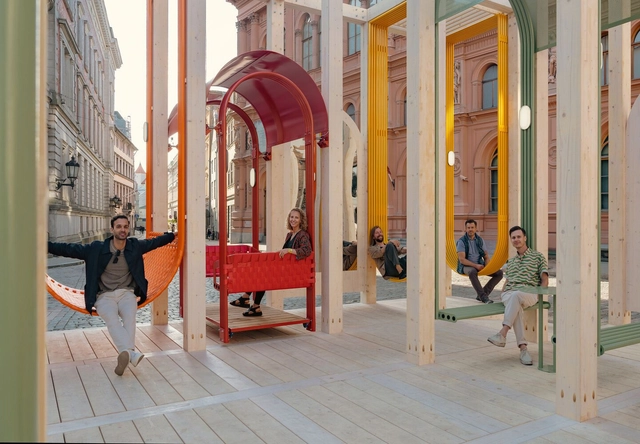
The winners of the "Europe 40under40®" program for 2023-2024 have been announced, celebrating promising talents in architecture and design. This recognition highlights projects from emerging professionals under the age of 40, including architects, landscape architects, urban planners, and industrial designers. The program, initiated by The European Centre, aims to showcase a new generation of designers who are poised to impact the future of living and working environments, cities, and rural areas.
All winning projects will be displayed in the exhibition titled "40 Young European Architects with New Visions," scheduled for December 2024 at The European Centre, located in Athens, Greece. The exhibition will coincide with an awards ceremony. Moreover, a special edition publication by Metropolitan Arts Press will feature this year's cohort of talented architects and designers, aiming to reach an international audience of architecture enthusiasts.
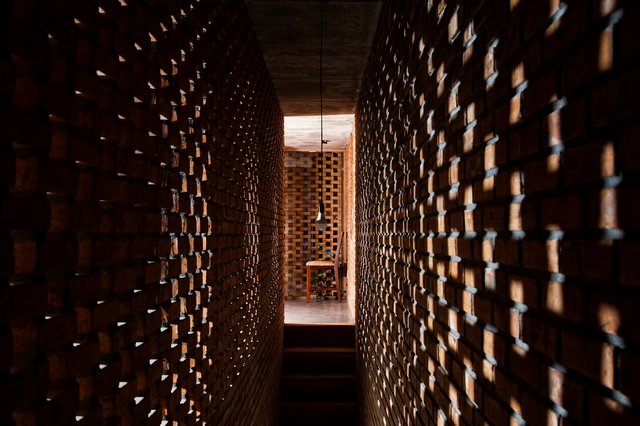
Although an architectural project comes to life with palpable materials, it is also defined by intangible qualities that give it richness, dynamism, and liveliness. Among them, the interplay of light and shadow can transform environments and affect their perception, determining the user's spatial experience. Besides providing natural ventilation, privacy, and thermal comfort, lattices allow this duality by filtering the entry of sunlight while projecting repetitive figures on the surface. In this way, perforated walls and ceilings can create multiple geometric patterns of light and shadow that become design elements capable of generating unique atmospheres.
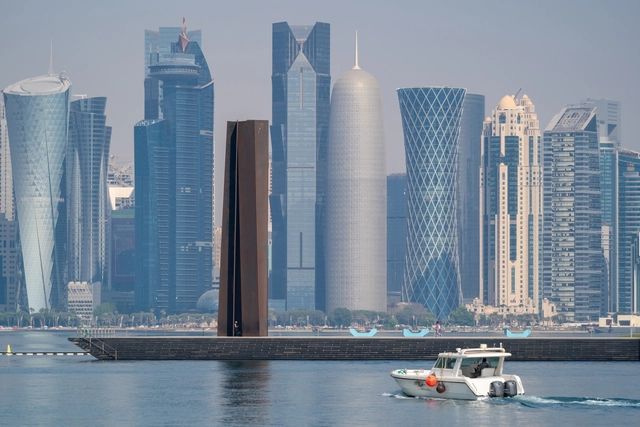
Renowned sculptor Richard Serra, known for his monumental steel structures that reshaped the landscape of contemporary art, passed away at the age of 85 at his residence in Orient, N.Y. His groundbreaking works, characterized by massive tilting corridors and spirals of steel, offered viewers a unique experience, inviting them to navigate through and around the imposing forms to fully comprehend their essence. Because of this invitation to explore space, materiality, and site, the artist has been long-recognized in the architectural community, earning him the Architectural League of New York President’s Medal in 2014, becoming the first artist to receive the honor.
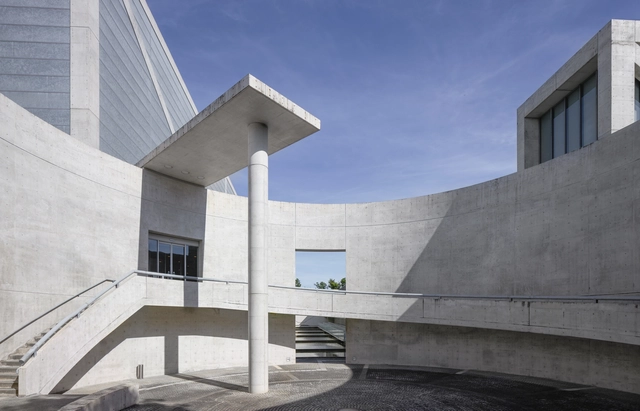
Last week, Japanese architect and social advocate Riken Yamamoto was announced as the 2024 Pritzker Architecture Prize Laureate, becoming the 9th Japanese architect honored with the profession's most prestigious award. Throughout the 45-year history of the Pritzker Prize, Japan stands out as the nation with the highest number of laureates. While geography is not a criterion in the selection of the laureates, Japanese architecture consistently impresses with its interplay of light and shadow, the careful composition of spaces, soft transitions between interior and exterior, and attention to detail and materiality. An ingrained culture of building also celebrates diverse designs and encourages global dialogue and the exchange of ideas and best practices. Read on to rediscover the 9 Japanese Pritzker laureates and glimpse into their body of work.
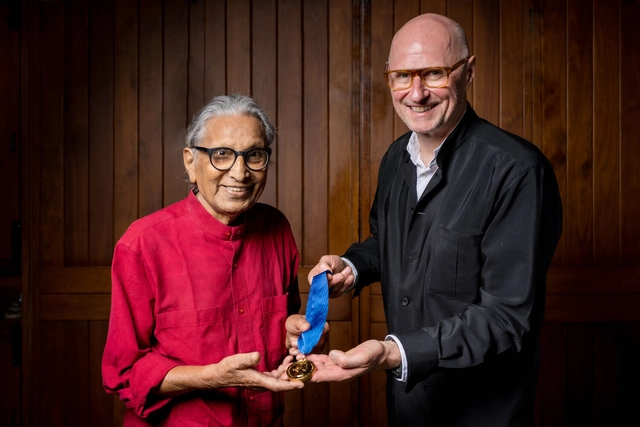
Recognized as the UK’s highest honor for architecture, the RIBA Royal Gold Medal for Architecture is approved personally by Her Majesty The Queen and is given to a person or group of people who have had a significant influence "either directly or indirectly on the advancement of architecture.", according to the organization. In 2024, the recognition was awarded for the first time to an African Woman, to the Ghanaian-Scottish architect, academic, and curator Lesley Lokko.
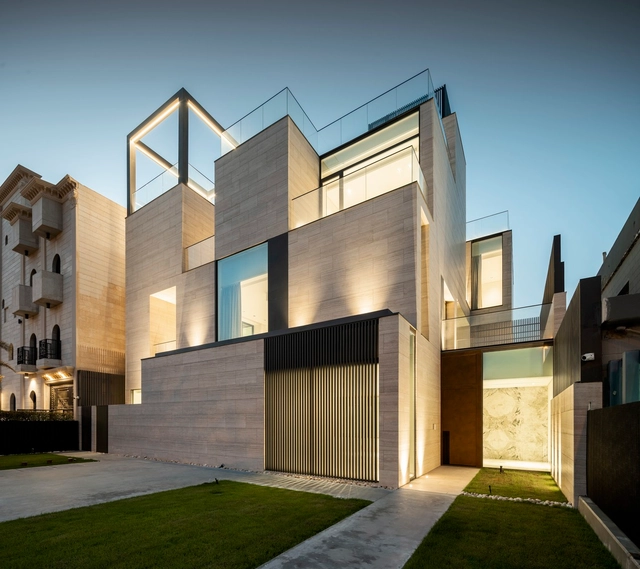
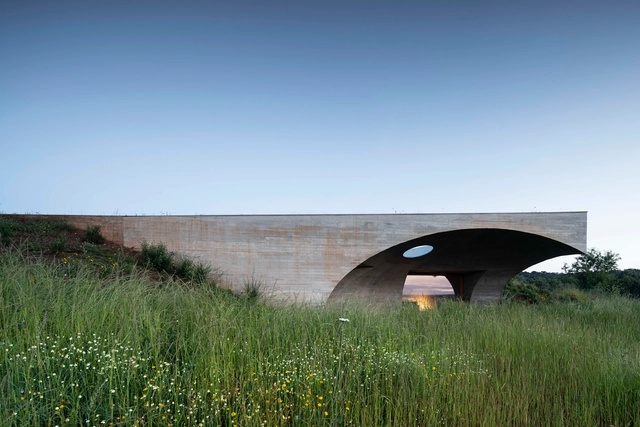
No País dos Arquitectos is a podcast created by Sara Nunes, who is also responsible for the architectural film production company Building Pictures. The podcast aims to profile the professionals, projects, and stories behind leading contemporary Portuguese architecture. With just over 10 million inhabitants, Portugal is a highly compelling country in this professional field, and its architectural output far exceeds its population or territorial scale.
In the first episode of the sixth season, Sara talks with Manuel Aires Mateus of the firm Aires Mateus about the House in Monsaraz. Listen to the conversation and read part of the interview below.