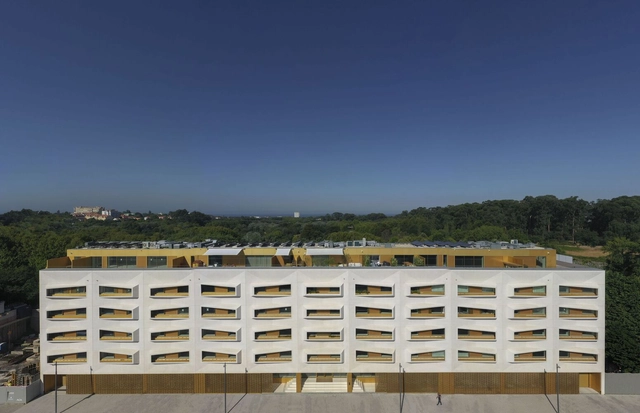
There is often an intricate relationship between architecture and the environment. Each part of the world has defined its own architectural techniques based on its unique climatic conditions. However, environmental concerns in the 21st century provoked new techniques, implementing solutions to preserve natural resources and provide thermal comfort. While some opted for a futuristic approach with mechanical and technologically-advanced solutions, others decided to go back in time and explore how civilizations protected their people, architecture, and environment when they had nothing else to resort to but the environment itself. In this article, we look at how Musharrabiyas found their way back into modern-day architecture as significant vernacular features.
No País dos Arquitectos is a podcast created by Sara Nunes, who also heads the architectural film production company Building Pictures. The podcast aims to profile the professionals, projects, and stories behind contemporary Portuguese architecture. With just over 10 million inhabitants, Portugal is a fascinating country when it comes to this professional field, and its architectural output far exceeds what its small population and territorial scale might suggest.
In this episode of the fifth season, Sara talks with architects Marta Brandão and Mário Sousa about the Mima housing system. Listen to the conversation and read an excerpt of the interview below.
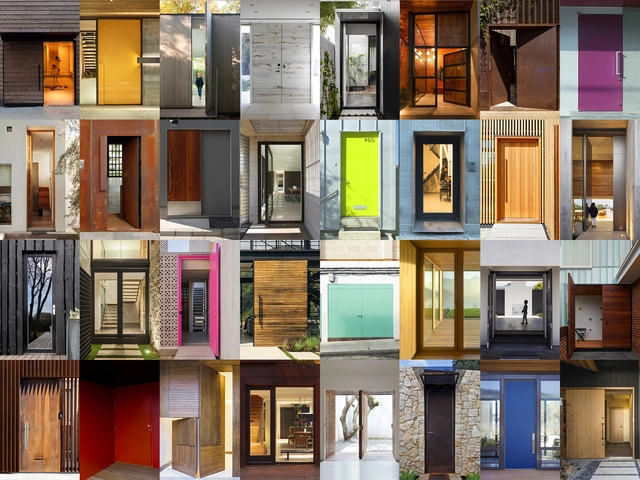
As much as walls, ceilings, and furniture pieces define the character and perception of an architectural project, doors play a critical role in building that style. Among all the doors used in houses, the front door is the first tangible element that homeowners and visitors will encounter, acting as the pivotal point where architecture greets the user. After all, first impressions are always important; and the entrance door is certainly one that can set the tone for the rest of the interior. However, choosing the right front door for a contemporary house can be difficult, especially with so many design possibilities. Therefore, before making that decision, it is crucial to know what those possibilities are – and how these can transform the front door into a design statement.
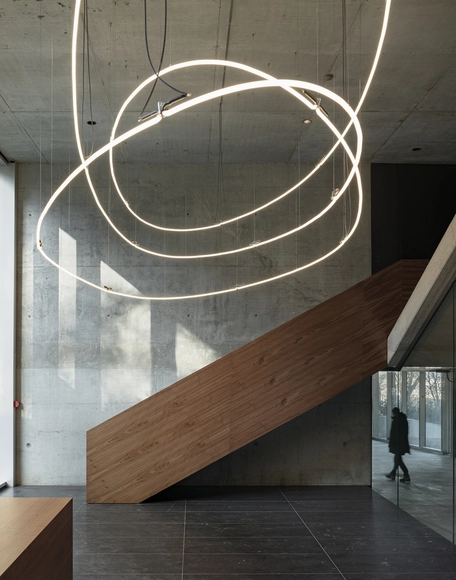
Light serves an essential purpose in architecture: to help us see. Whether it be through natural or artificial methods, rooms must be illuminated accordingly so occupants can safely inhabit them and fulfill their daily functions. When the right system is selected, light can also contribute to energy efficiency and sustainability within the building as a whole. However, apart from its evident functional and environmental value, lighting design can vastly impact the visual comfort and aesthetic tone of interiors by drawing attention to textures, enhancing colors and defining volumes. Therefore, of the many pieces involved in interior design, lighting is certainly one that can enhance or destroy a space and even affect users’ well-being, which is why it should be considered a crucial design element by itself.
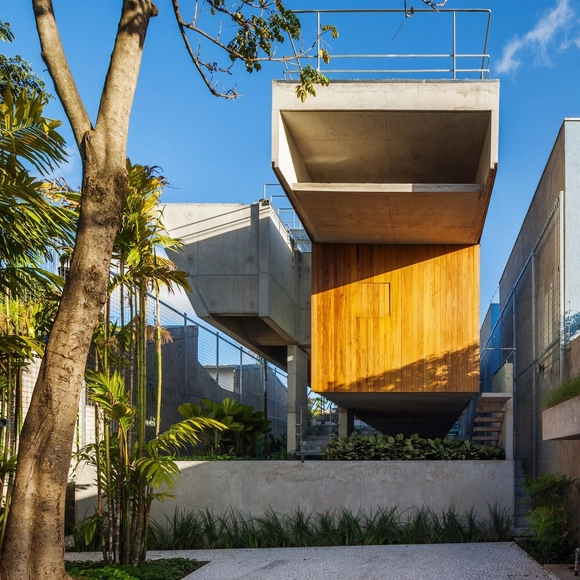
Founded by the architect and professor Angelo Bucci, spbr arquitetos works in different scales of construction of buildings with a distinct and particular language in its works. Its projects are the result of an intense exercise in architectural thinking, combined with the use of drawing as a tool for dialogue between architects and clients.
The Aga Khan Award for Architecture announced the Master Jury that will select the 2020-2022 cycle winners. The jury, among which are Anne Lacaton, Francis Kéré, Nader Tehrani, or Amale Andraos, will look for projects that respond to the cultural aspirations of their social context and show innovative use of local resources and building technologies. Founded in 1988 by Aga Khan IV, the award covering three-year cycles aims to highlight projects of relevance and positive impact for Islamic communities.
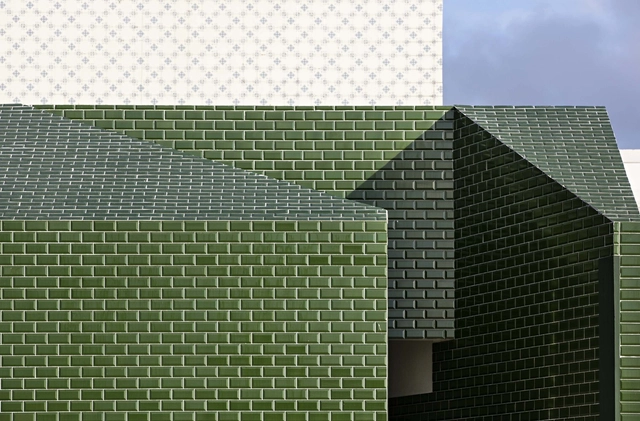
Mosaic tiles, ceramics, porcelain, wall tiles: when it comes to finishes, there are countless possibilities to choose from to add character and identity to our projects. However, faced with the sheer variety available on the market, choosing among them can be challenging. In this article, we will explore the differences between these cold tiles and offer tips on how to choose the option that best fits your project.
No País dos Arquitectos is a podcast created by Sara Nunes, who also runs the architectural film production company Building Pictures. The podcast aims to profile the professionals, projects, and stories behind contemporary Portuguese architecture. With just over 10 million inhabitants, Portugal is a highly compelling country in this professional field, with an architectural output that punches far above its demographic or territorial weight.
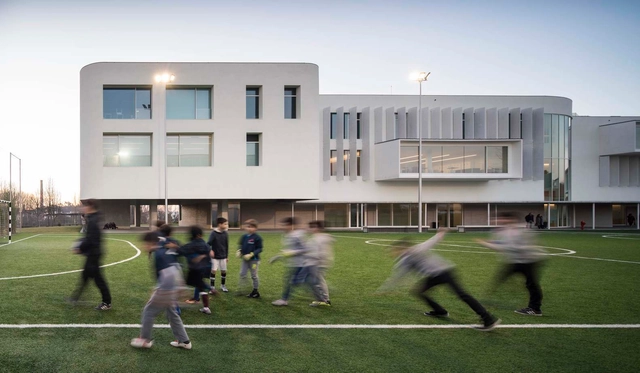
In this week's episode, Sara talks with architect Paula Santos about the Colégio Efanor, Campus II project, located in Senhor da Hora. Listen to the interview and read the transcript of the conversation below:
Architecture is shaped by its environment and natural forces. Inherently, the discipline focuses on the design of objects over systems, on formal morphology over networks or ecologies. However, no building exists outside its context; every structure is sited among ever-changing climates and cultural conditions. How designers respond and connect to these larger systems can radically change the nature and quality of their work. Often, it is the greatest constraints that produce novel solutions.