

-
Architects: HH Architects
- Area: 268 m²
- Year: 2016
-
Manufacturers: Forbo Flooring Systems
-
Professionals: Seers Design Group


.jpg?1498819294&format=webp&width=640&height=580)

Bricks are as old as the hills. An enduring element of architectural construction, brick has been a material of choice as far back as 7000BC. Through the centuries, bricks have built ancient empires in Turkey, Egypt, Rome and Greece. Exposed stock brick came to define the Georgian era, with thousands of red brick terraces still lining the streets of cities such as London, Edinburgh and Dublin.
Today, brick is experiencing a Renaissance. Architectural landmarks across the world such as Frank Gehry’s Dr Chau Chak Wing Building in Sydney and the Tate Modern Switch House by Herzog & de Meuron are pushing the proverbial brick envelope, redefining how the material can be used and perceived.
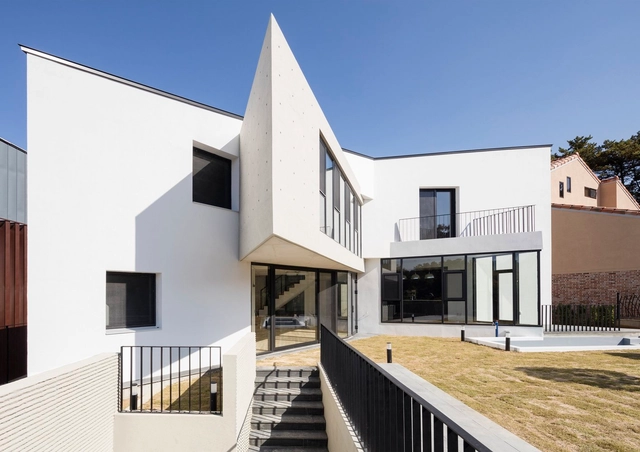
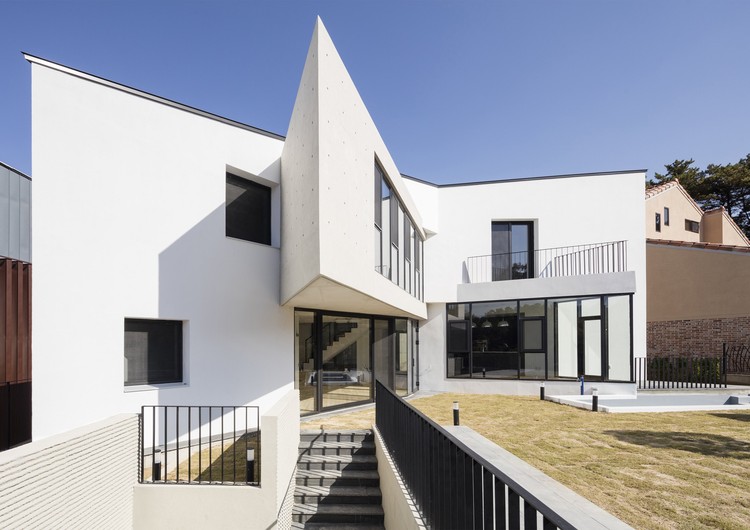
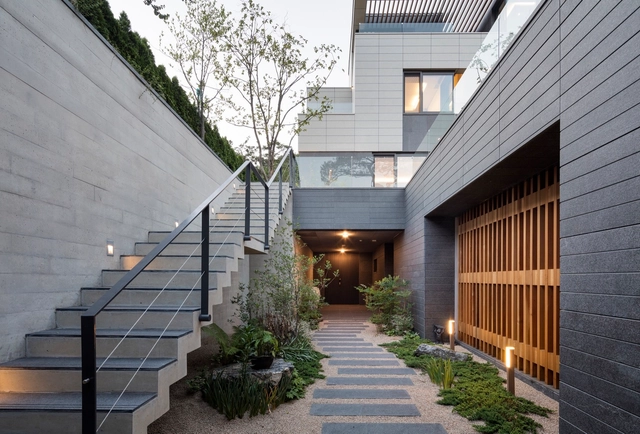
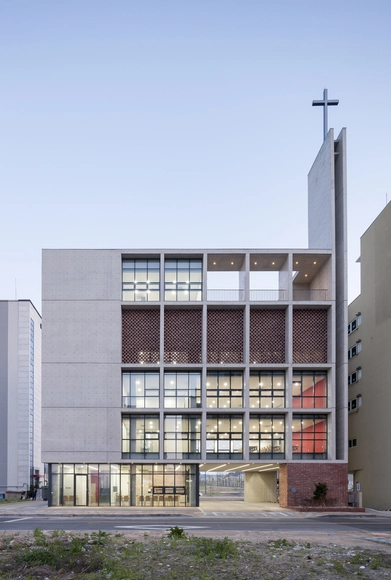
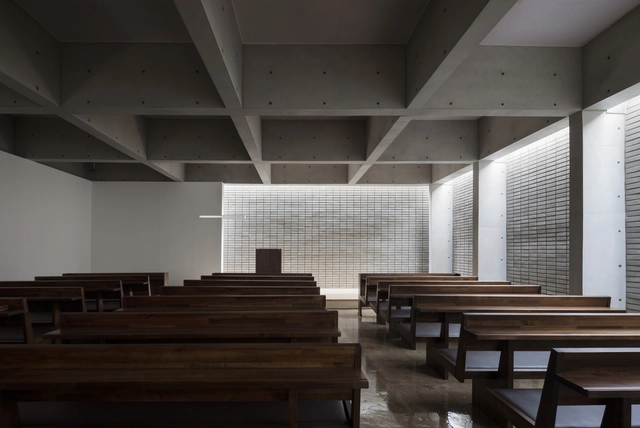
South Korea presents an interesting case for the changing face of brick, with a preference for dark, grey masonry striking a heavy, brutalist, yet playful tone. Like many countries, South Korean brick architecture has questioned conformity, experimenting with stepped, perforated, permeable facades, and dynamic, curved, flowing walls. Below, we have rounded up 12 of their most interesting results.
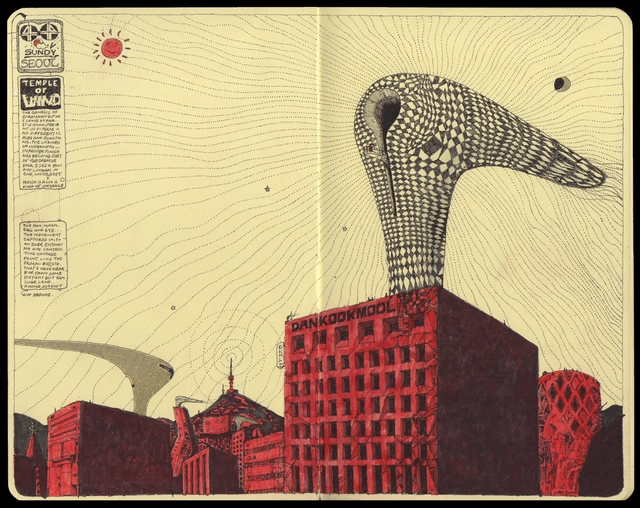
Seoul-based architect Moon Hoon describes his style and attitude towards design as “putting architecture to the edge of art” and having as much fun as possible in the process.
Hoon’s drawing history began 40 years ago, and is a habit he still maintains in the form of diaries or, as he likes to call them, "magic books." All of his interests come together in these books from which ideas emerge and transform into architecture—futuristic fantasies in diary format, with drawings which eventually get constructed in real life.
Keep reading to see some of these drawings and their real-life, built counterparts!

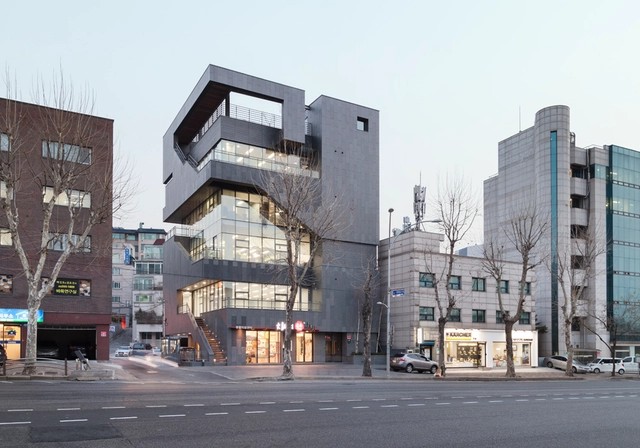
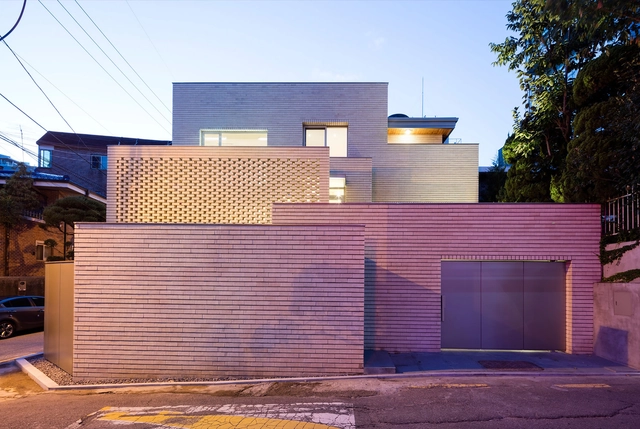
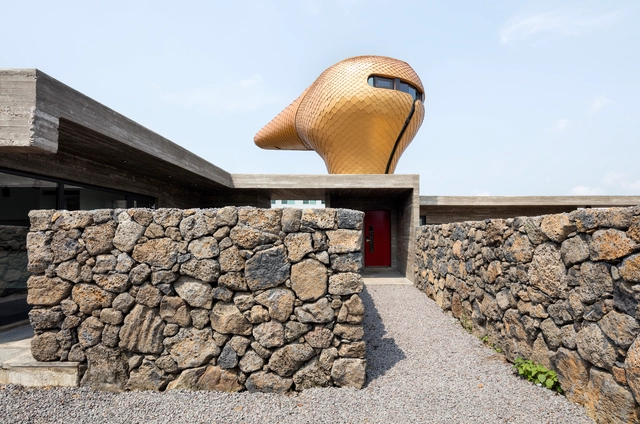
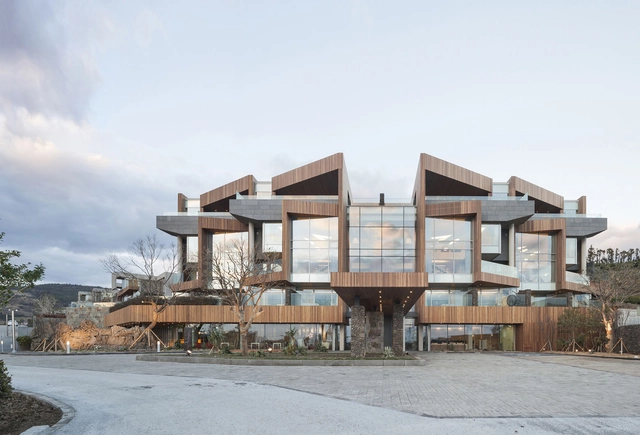

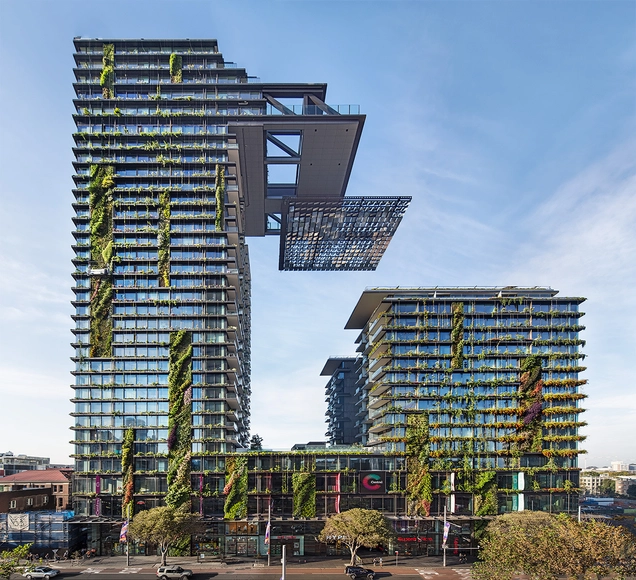
This year’s title of “Best Tall Building Worldwide” has been awarded to One Central Park, in Sydney, Australia. The award, presented by the Council on Tall Buildings and Urban Habitat (CTBUH), was chosen after a year long selection process across 88 entries in four regions. Senior representatives of each of these four winners presented at the CTBUH Awards Symposium on November 6th at the Illinois Institute of Technology, Chicago, and the winner was announced at the Awards Dinner following the Symposium. Read on after the break to learn more about the winning building.

.jpg?1498819885&format=webp&width=230&height=230&crop=true)
.jpg?1498819908&format=webp&width=230&height=230&crop=true)
.jpg?1498820944&format=webp&width=230&height=230&crop=true)
.jpg?1498820868&format=webp&width=230&height=230&crop=true)
.jpg?1498819294)








OMA_ByRichardJohnSeymour.jpg?1415587158&format=webp&width=230&height=230&crop=true)
Tim_Griffith.jpg?1415587171&format=webp&width=230&height=230&crop=true)


