

-
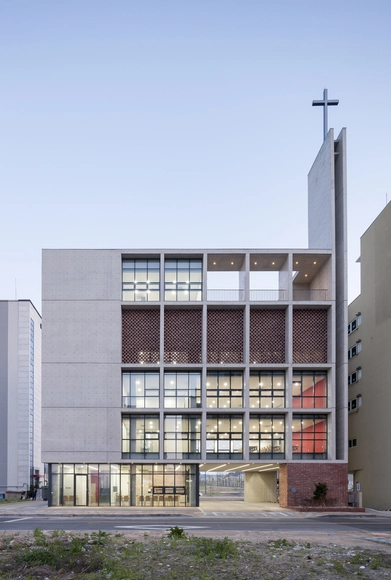
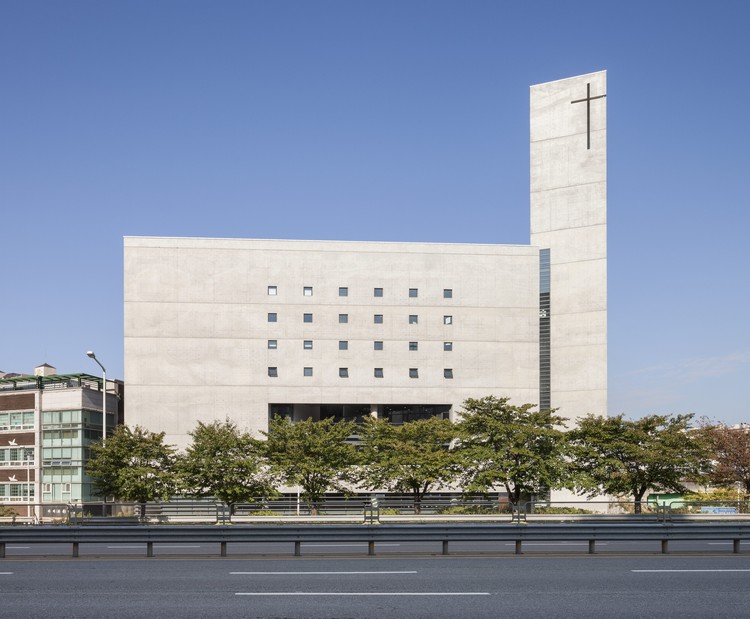
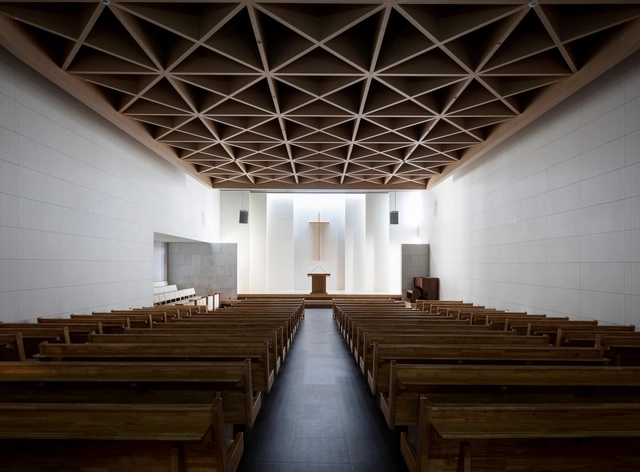
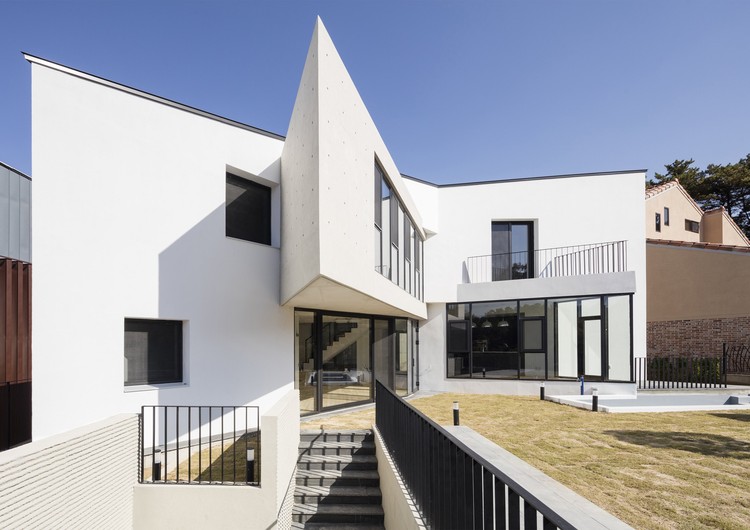
Architects: Lee Eunseok + Atelier KOMA
- Area: 8164 m²
- Year: 2012
-
Professionals: Hangil Engineering, Eun Structural Engineering, Gangson Construction.
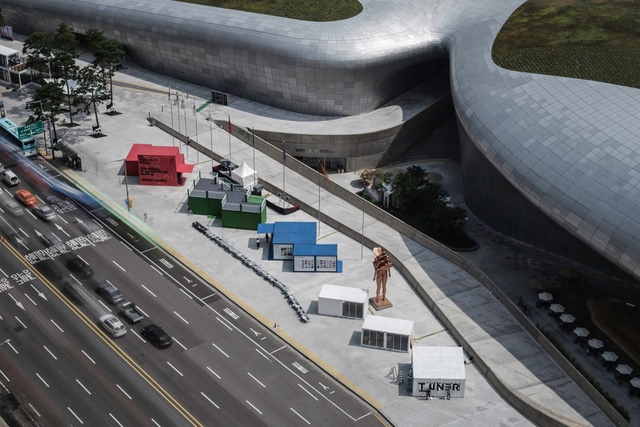
Currently on display outside the Zaha Hadid-designed Dongdaemum Design Plaza as part of the 2017 Seoul Biennale, the Groundscape eXPerience Pavilion is a 30-meter-long steel grid structure featuring a sequence of 28 experiments of underground architecture by 60 university students from Swiss Institute of Technology (EPFL) and EWHA Women's University (Seoul, South Korea).
Led by professor Dominique Perrault, the installation is a scale model of the 2.7 kilometer Seoul city central Euljiro underground gallery, an underutilized market space in the city center. The 28 “urban fossils” explore possibilities for the revitalization of the gallery, reimagining the structure as an urban link that is part of a larger “network of urban substance and material.”
.jpg?1498819294&format=webp&width=640&height=580)

Bricks are as old as the hills. An enduring element of architectural construction, brick has been a material of choice as far back as 7000BC. Through the centuries, bricks have built ancient empires in Turkey, Egypt, Rome and Greece. Exposed stock brick came to define the Georgian era, with thousands of red brick terraces still lining the streets of cities such as London, Edinburgh and Dublin.
Today, brick is experiencing a Renaissance. Architectural landmarks across the world such as Frank Gehry’s Dr Chau Chak Wing Building in Sydney and the Tate Modern Switch House by Herzog & de Meuron are pushing the proverbial brick envelope, redefining how the material can be used and perceived.
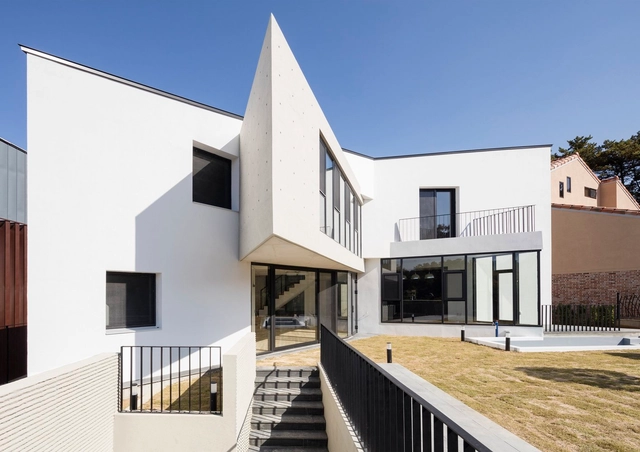
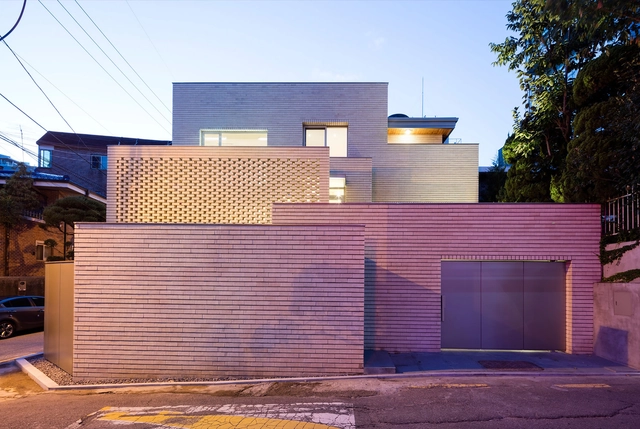
South Korea presents an interesting case for the changing face of brick, with a preference for dark, grey masonry striking a heavy, brutalist, yet playful tone. Like many countries, South Korean brick architecture has questioned conformity, experimenting with stepped, perforated, permeable facades, and dynamic, curved, flowing walls. Below, we have rounded up 12 of their most interesting results.
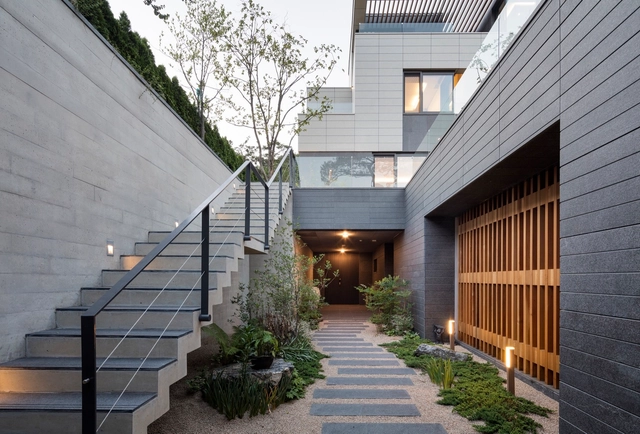
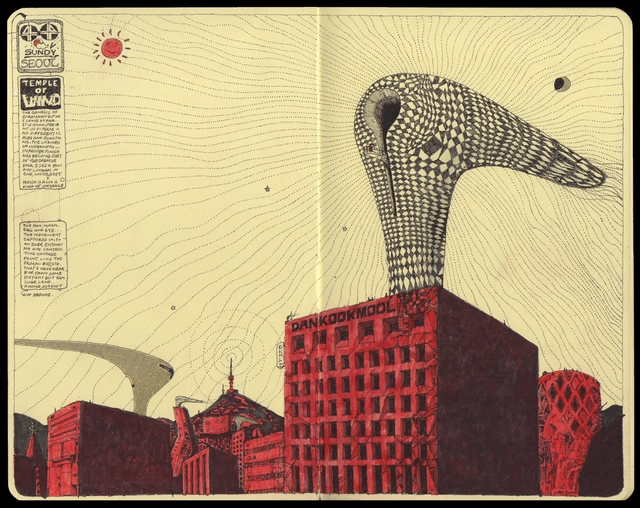
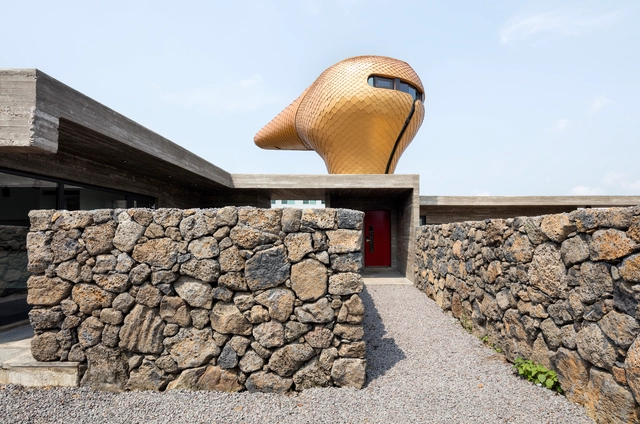
Seoul-based architect Moon Hoon describes his style and attitude towards design as “putting architecture to the edge of art” and having as much fun as possible in the process.
Hoon’s drawing history began 40 years ago, and is a habit he still maintains in the form of diaries or, as he likes to call them, "magic books." All of his interests come together in these books from which ideas emerge and transform into architecture—futuristic fantasies in diary format, with drawings which eventually get constructed in real life.
Keep reading to see some of these drawings and their real-life, built counterparts!
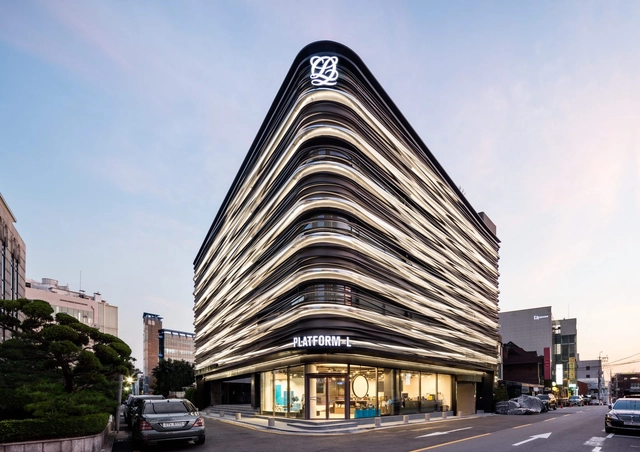
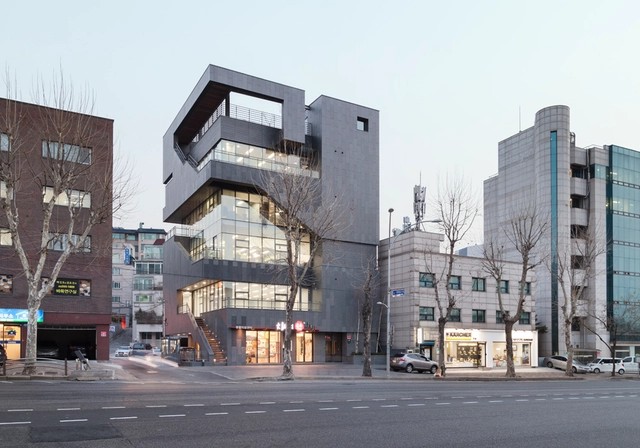


.jpg?1498819885&format=webp&width=230&height=230&crop=true)
.jpg?1498819908&format=webp&width=230&height=230&crop=true)
.jpg?1498820944&format=webp&width=230&height=230&crop=true)
.jpg?1498820868&format=webp&width=230&height=230&crop=true)
.jpg?1498819294)