

-
Architects: NAME architecture
- Area: 4600 m²
- Year: 2017
-
Manufacturers: AutoDesk, Cricursa, IQ Glass, Idblocks, McNeel
-
Professionals: Parmarbrook, Montagu Evans


.jpg?1590479205&format=webp&width=640&height=580)
Next year’s Tallinn Architecture Biennale (TAB) has been postponed until 2022. Announced by the Estonian Centre for Architecture, the 6th edition has been adjourned “due to the postponement of the Venice Architecture Biennale as well as the uncertain times that international cultural events are facing because of the coronavirus outbreak”.


Being up to date with new technologies, understanding the best solutions for each project, and knowing the products present in the market and those that will be used in the future. We have observed that these themes arouse great interest in the architects, students, and architecture lovers who visit our site every day. In 2019, ArchDaily began to focus more on materials, covering products, construction techniques, and raw materials in general. The year is coming to an end, so we have compiled the most viewed articles on these topics, trying to understand what they imply for the present and where they will take us in the coming years.
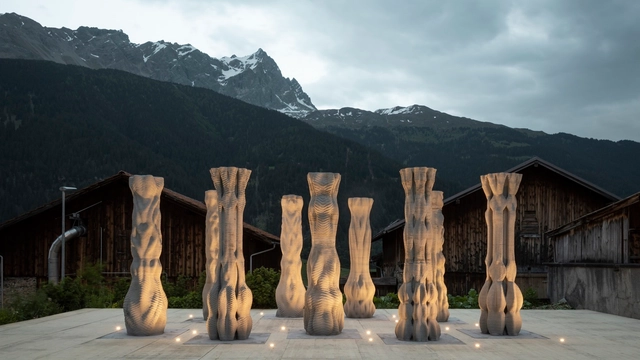
At the beginning of 2019, we identified 3D printing as a trend that would influence architecture in 2019. This was not a difficult prediction to make. Aside from noting a 70% increase in reader interest in 3D printing throughout the previous year, we saw how the architectural community has had a long-running engagement with 3D printing, from using the technology to tackle homelessness, to creating affordable yet complex structural connections.
This does not mean that 2019 was a "boring" year in the 3D printing world. In fact, while the influence of the technology in the architecture of 2019 was predictable, the various ways in which this influence manifested was not. Throughout the year, 3D printing seemed to appear everywhere, from spanning a canal to replicating timber, and imagining neighborhoods for Texas and Mars.
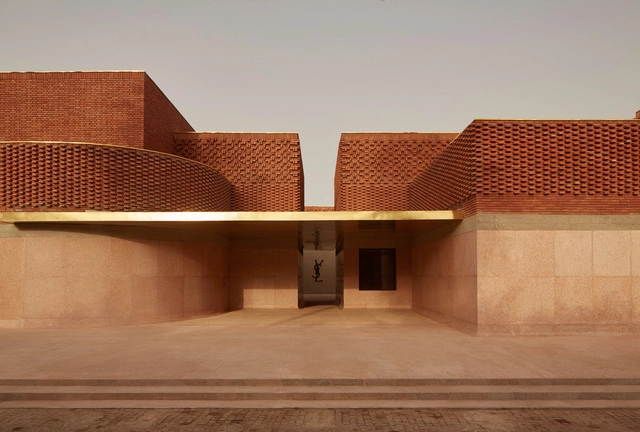
With a mission to provide tools and inspiration to improve the quality of life in our built environment, ArchDaily curators constantly track and share with our audience the best "built projects" in the world. In order to celebrate these achievements and thank our readers for actively participating in our community, we selected the 50 best architectural works published during 2019.

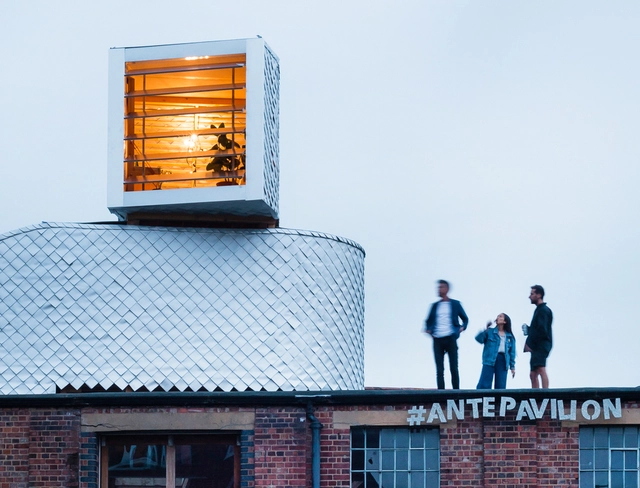
When we talk about roofs or fifth facades it is already a classic to think about green roofs. In reality, there is a wide range of uses and possibilities that materialize in different ways depending on the specific technical needs of each roof as well as the spatial and climatic possibilities of each location. The roofs can also be favourable spaces to develop structures, extensions, recreational areas and interactive spaces. It could even play a key role in the integration of a building with the landscape.
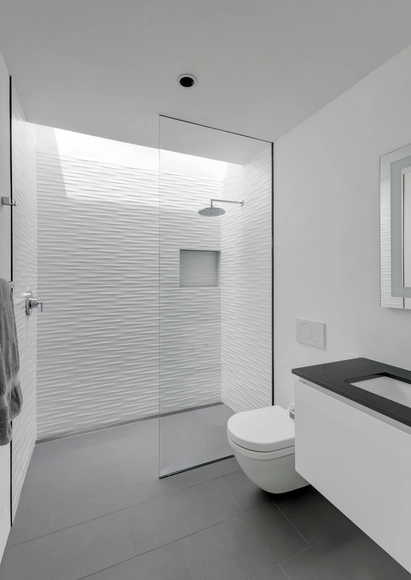
Because it doesn't include a bathtub, or require doors, screens, or curtains, the walk-in shower often makes bathrooms appear larger, cleaner, and more minimalist.
However, some precautions must be taken when designing them. Most importantly, the shower cannot be left completely open, even if it appears to be at first glance. Most designs incorporate a tempered glass that prevents water from "bouncing" out of the shower space, subtly closing the area. When this transparent division doesn't have a frame, the appearance of fungi due to accumulation of water and moisture becomes less likely.
_OMM_by_Kengo_Kuma_and_Associates._%C2%A9NAARO.jpg?1568108904&format=webp&width=640&height=580)
Designed by Kengo Kuma and Associates (KKAA), and led by partner Yuki Ikeguchi, the Odunpazari Modern Museum (OMM) just opened in Eskisehir, Turkey. The project aims to promote Turkish art and make a cultural contribution to the city of Eskisehir.
_OMM_by_Kengo_Kuma_and_Associates._©NAARO.jpg?1568066478&format=webp&width=640&height=580)
.jpg?1563988757&format=webp&width=640&height=580)

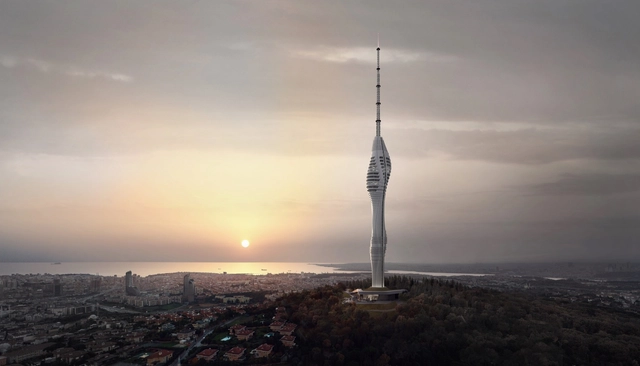
Turkey-based firm Melike Altınışık Architects have released more details on the construction of Istanbul's 369-meter-tall Çamlıca TV and Radio Tower, including photographs by London-based architectural photography studio NAARO. The telecommunications tower evokes a sense of motion and rhythm within its silhouette that changes when viewed from different directions across the city.
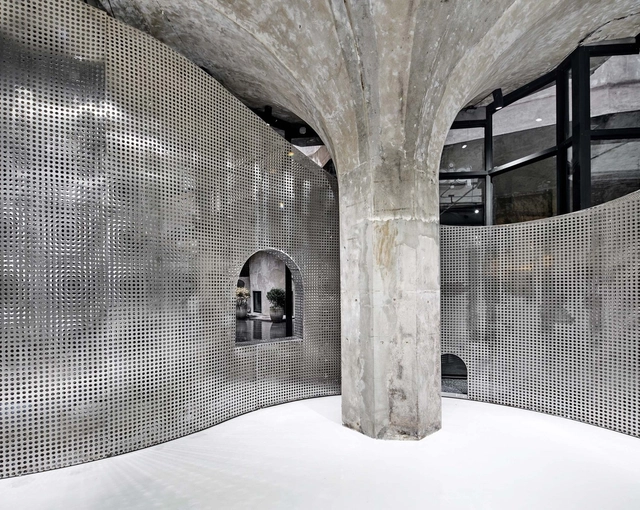
The use of steel in architecture is considered as one of the most innovative construction developments in history, allowing architects to create structures in scales they never thought they could. Fast-forward a few centuries, and steel remains as one of the most crucial materials in architecture. But there is a lot more to the material than just tensile strength and durability, some architects were well-aware of steel's potential and transformed it into lighting fixtures, facades, decorative elements, and finishes.
Here are 15 projects where architects looked beyond steel as structural support and explored its diverse possibilities in architecture.

.jpg?1590479740&format=webp&width=230&height=230&crop=true)
.jpg?1590479729&format=webp&width=230&height=230&crop=true)

.jpg?1590479205)




_OMM_by_Kengo_Kuma_and_Associates._%C2%A9_Batuhan_Keskiner.jpg?1568108862&format=webp&width=230&height=230&crop=true)
_OMM_by_Kengo_Kuma_and_Associates._%C2%A9_Batuhan_Keskiner.jpg?1568109009&format=webp&width=230&height=230&crop=true)
_OMM_by_Kengo_Kuma_and_Associates._%C2%A9NAARO.jpg?1568109127&format=webp&width=230&height=230&crop=true)
_OMM_by_Kengo_Kuma_and_Associates._%C2%A9NAARO.jpg?1568109177&format=webp&width=230&height=230&crop=true)
_OMM_by_Kengo_Kuma_and_Associates._%C2%A9NAARO.jpg?1568108904)
.jpg?1563987884&format=webp&width=230&height=230&crop=true)
.jpg?1563987451&format=webp&width=230&height=230&crop=true)
.jpg?1563987199&format=webp&width=230&height=230&crop=true)
.jpg?1563985751&format=webp&width=230&height=230&crop=true)
.jpg?1563988757)


.jpg?1558680317&format=webp&width=230&height=230&crop=true)